Tree
Argan Tree Characteristics

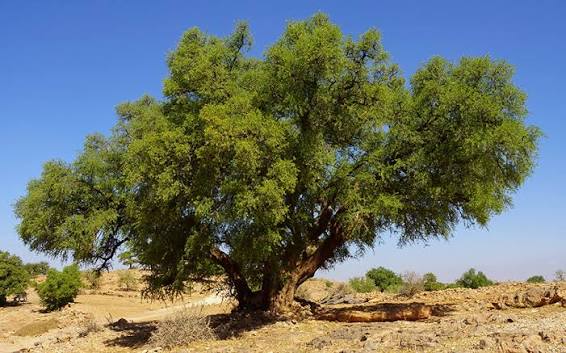
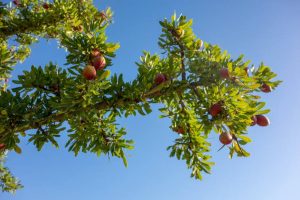
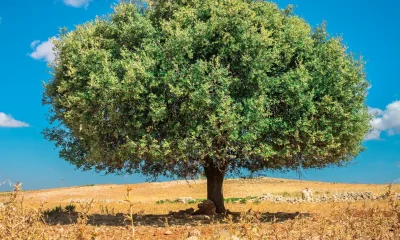
Argan Tree Characteristics. They can reach heights of 8–10 m (26–33 ft) and have a lifespan of about 200 years. Their wide-spreading crown and gnarled trunks make them prickly. The branches may droop toward the earth, and the crown can reach a circumference of up to 70 meters (230 feet). Roem, Argania sideroxylon.
ARGAN TREE CHARACTERISTICS
The Argan tree (Argania spinosa) is a unique and ancient species native to the semi-desert regions of southwestern Morocco. Known for producing argan oil, a highly prized commodity, the Argan tree plays a crucial role in the local ecosystem and economy. This resilient tree has adapted to harsh environments and offers numerous ecological, economic, and cultural benefits.
Botanical Characteristics;
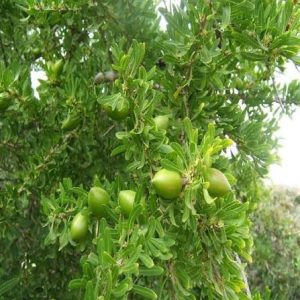
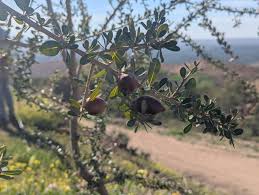
– Appearance: The Argan tree is a thorny, evergreen tree that can reach heights of up to 8-10 meters (26-33 feet). It has a wide, spreading canopy and a deep root system that helps it survive in arid conditions.
– Leaves: The leaves are small, oval, and dark green, adapted to minimize water loss in the hot, dry climate.
– Flowers: The tree produces small, yellow-green flowers that bloom in late spring. These flowers eventually develop into fruit.
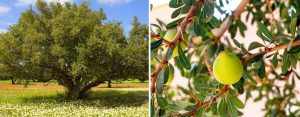
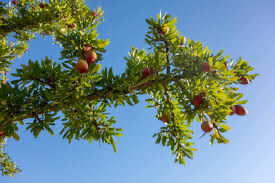
– Fruit: The fruit is a small, round or oval berry that takes over a year to mature. Inside the fruit is a hard nut containing one to three oil-rich kernels.
Ecological Importance;
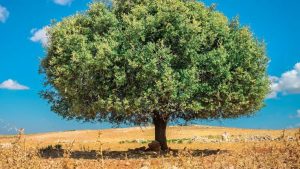
The Argan tree is vital to the environment in its native region:
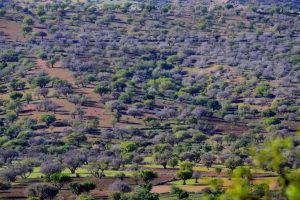
– Soil Stabilization: The deep root system of the Argan tree helps prevent soil erosion and desertification by stabilizing the soil and maintaining the integrity of the landscape.
– Water Retention: The tree improves water infiltration and retention in the soil, which is crucial in the arid and semi-arid regions where it grows.
– Biodiversity: Argan forests support a diverse range of flora and fauna. They provide habitat and food for various species, contributing to the overall biodiversity of the region.
Economic and Cultural Significance;
Argan Tree Characteristics
The Argan tree is deeply intertwined with the local culture and economy of Morocco:
– Generations of people have carried on the traditional practice of producing argan oil from the kernels of the argan tree. Argan oil is highly valued both domestically and globally. Due to its well-known use in medicine, food, and cosmetics.
– Women’s Cooperatives: Many women’s cooperatives in Morocco are involved in the production of argan oil. These cooperatives provide employment, fair wages, and education opportunities for women, contributing to their empowerment and improving their socio-economic status.
– Cultural Heritage: The Argan tree and its products are a significant part of Moroccan cultural heritage. The traditional methods of harvesting and processing argan oil are an integral part of the local customs and lifestyle.
Conservation Efforts;
Argan Tree Characteristics
Due to its ecological and economic importance, there are ongoing efforts to conserve and protect the Argan tree:
– UNESCO Recognition: The Argan forest region was designated a UNESCO Biosphere Reserve in 1998, highlighting its global significance and the need for sustainable management.
– Reforestation Programs: Various reforestation programs aim to plant new Argan trees and restore degraded lands. These efforts help ensure the long-term survival of the species and the benefits it provides.
– Sustainable Harvesting: Initiatives promoting sustainable harvesting practices help maintain the health of the trees and the quality of the oil. This involves regulating the timing and methods of fruit collection to avoid over-exploitation.
Summary
An amazing plant with significant ecological, commercial, and cultural importance is the argan tree. It is a true botanical gem because of its many advantages and capacity to flourish in challenging environments.


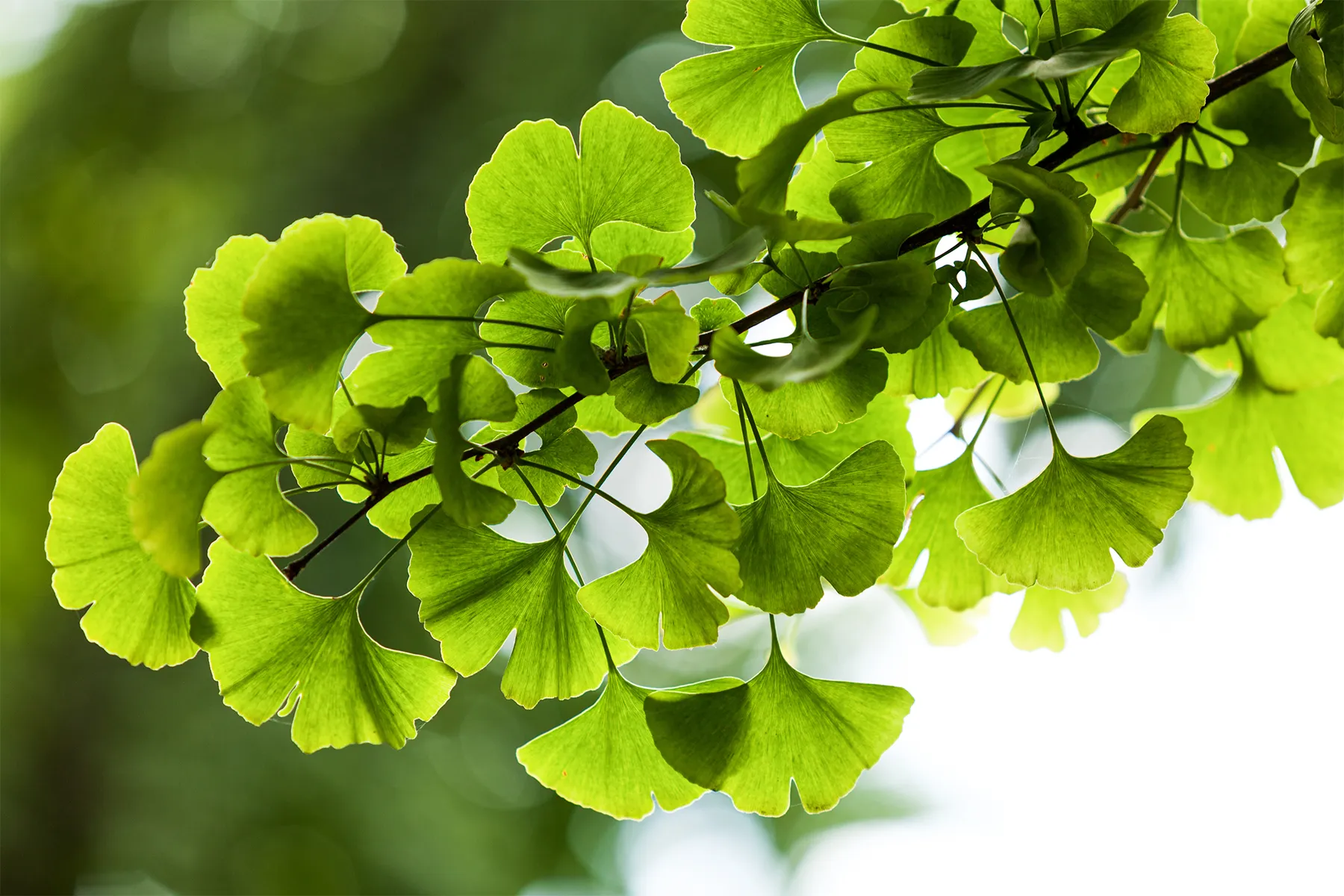
Ginkgo biloba Nutritional Value. It is an amazing plant with a long history and a bright future in contemporary medicine. Ginkgo biloba has several possible health benefits, including increasing circulation, boosting cognitive function, and offering antioxidant protection. To guarantee the safe and efficient use of ginkgo biloba, like with any supplement, it is crucial to approach it with awareness and consultation.
GINKGO BILOBA NUTRITIONAL VALUE
Ginkgo biloba, often referred to simply as ginkgo, is one of the oldest living tree species on Earth, with a history that dates back over 200 million years. Revered for its potential health benefits, this ancient plant has been used in traditional medicine for thousands of years. Today, ginkgo biloba remains a popular supplement, prized for its cognitive and circulatory advantages.
A Living Fossil;
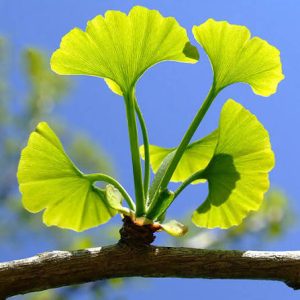
Ginkgo biloba’s trees are often called living fossils because they have remained virtually unchanged for millions of years. Native to China, these resilient trees can live for over a thousand years and are resistant to pollution and disease. Ginkgo leaves and seeds have been used in traditional Chinese medicine to treat a variety of ailments, from respiratory issues to circulatory disorders.
Cognitive Enhancement;
One of the most well-known benefits of ginkgo bilobas is its potential to improve cognitive function. Studies suggest that ginkgo extract may enhance memory, attention, and mental processing speed. This has made it a popular supplement among individuals seeking to boost their brain power, particularly older adults concerned with age-related cognitive decline.
Circulatory Benefits;
Ginkgo biloba Nutritional Value
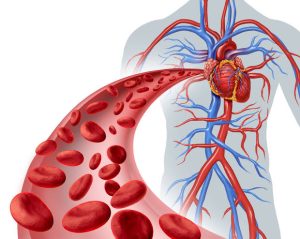
Ginkgo bilobas are also celebrated for its ability to improve blood circulation. It is believed to help dilate blood vessels, reduce blood viscosity. And increase blood flow to the extremities and the brain. These properties can be beneficial for individuals with circulatory disorders, such as peripheral artery disease, and may help alleviate symptoms like leg pain and cold hands and feet.
Antioxidant Properties;
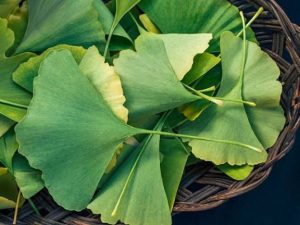
The leaves of the ginkgo biloba tree are rich in flavonoids and terpenoids, which are powerful antioxidants. These compounds help combat oxidative stress and free radical damage in the body, which are linked to a variety of chronic diseases and aging processes. By reducing oxidative stress, ginkgo biloba may contribute to overall health and longevity.
Potential Side Effects;
Ginkgo biloba Nutritional Value
While ginkgo biloba offers numerous potential health benefits, it is important to be aware of possible side effects. Some individuals may experience headaches, dizziness, or gastrointestinal upset when taking ginkgo supplements. Additionally, ginkgo can interact with certain medications, such as blood thinners. So it is essential to consult with a healthcare professional before adding ginkgo biloba to your regimen.
Summary
There are almost no common macronutrients (proteins, lipids, or carbohydrates) in ginkgo biloba. Rather, strong bioactive chemicals are what give it its nutritional worth. Flavonoids and terpenoids (such ginkgolides and bilobalides) found in its extract function as antioxidants and promote blood flow.

Medicinal Impacts of Guava Tree. The guava tree is an amazing source of natural treatments; different portions of the tree provide several health advantages. from improving digestion and blood sugar regulation to strengthening the immune system and promoting cardiovascular health. The therapeutic benefits of guava are many and well-established. A comprehensive approach to health and wellbeing can be provided by incorporating guava fruit and leaf extracts into one’s diet and wellness regimen.
MEDICINAL IMPACTS OF GUAVA TREE
The fruit, leaves, and bark of the guava tree (Psidium guajava) are employed extensively in both contemporary research and traditional folk medicine. Managing blood sugar, easing severe menstrual cramps, treating gastrointestinal problems like diarrhea, and reducing inflammation are some of the main advantages.
Antioxidant Powerhouse;

Guava leaves and fruit are rich in antioxidants, particularly vitamin C and flavonoids like quercetin. These compounds help neutralize harmful free radicals in the body, reducing oxidative stress and potentially lowering the risk of chronic diseases such as cancer and heart disease.
Digestive Health;
Guava leaves are commonly used to treat digestive issues. They have antibacterial properties that help prevent and treat gastrointestinal infections, including diarrhea and dysentery. Guava leaf tea, made by boiling the leaves, is a traditional remedy for soothing the digestive tract and alleviating symptoms of irritable bowel syndrome (IBS).
Blood Sugar Regulation;

Studies have shown that guava leaf extract can help regulate blood sugar levels, making it beneficial for people with diabetes or those at risk of developing the condition. The compounds in the leaves inhibit the absorption of sugars in the intestines, promoting better blood sugar control.
Cardiovascular Benefits;
The high potassium and soluble fiber content in guava fruit contribute to heart health. By helping to regulate blood pressure and lower cholesterol levels. Additionally, the antioxidants in guava leaves can improve overall cardiovascular function. By reducing inflammation and preventing oxidative damage to the arteries.
Anti-Inflammatory and Antimicrobial Properties;

Medicinal Impacts of Guava Tree
Guava leaves contain compounds with strong anti-inflammatory and antimicrobial properties. These properties make guava leaf extracts effective in treating various infections, wounds, and skin conditions. The leaves can be crushed and applied topically to alleviate symptoms of skin infections, such as acne and eczema, and to promote wound healing.
Immune System Support;
The vitamin C content in guava fruit is exceptionally high, supporting the immune system by enhancing the production and function of white blood cells. Regular consumption of guava can help protect against common infections like colds and flu.
Respiratory Health;

Medicinal Impacts of Guava Tree
Traditional medicine often uses guava leaf tea to treat respiratory conditions such as coughs, colds, and bronchitis. The anti-inflammatory properties of guava leaves help soothe the respiratory tract and reduce mucus, making it easier to breathe.
Oral Health;
Guava leaves have been used as a natural remedy for maintaining oral health. Chewing guava leaves or using a mouthwash made from the leaf extract can help reduce gum inflammation. Prevent and treat gum disease, and freshen breath due to their antimicrobial effects.
Summary
The guava tree (Psidium guajava) is well known for its many therapeutic uses in addition to its delectable fruit. For millennia, many cultures have utilized the tree’s leaves, bark, and fruit in traditional medicine.
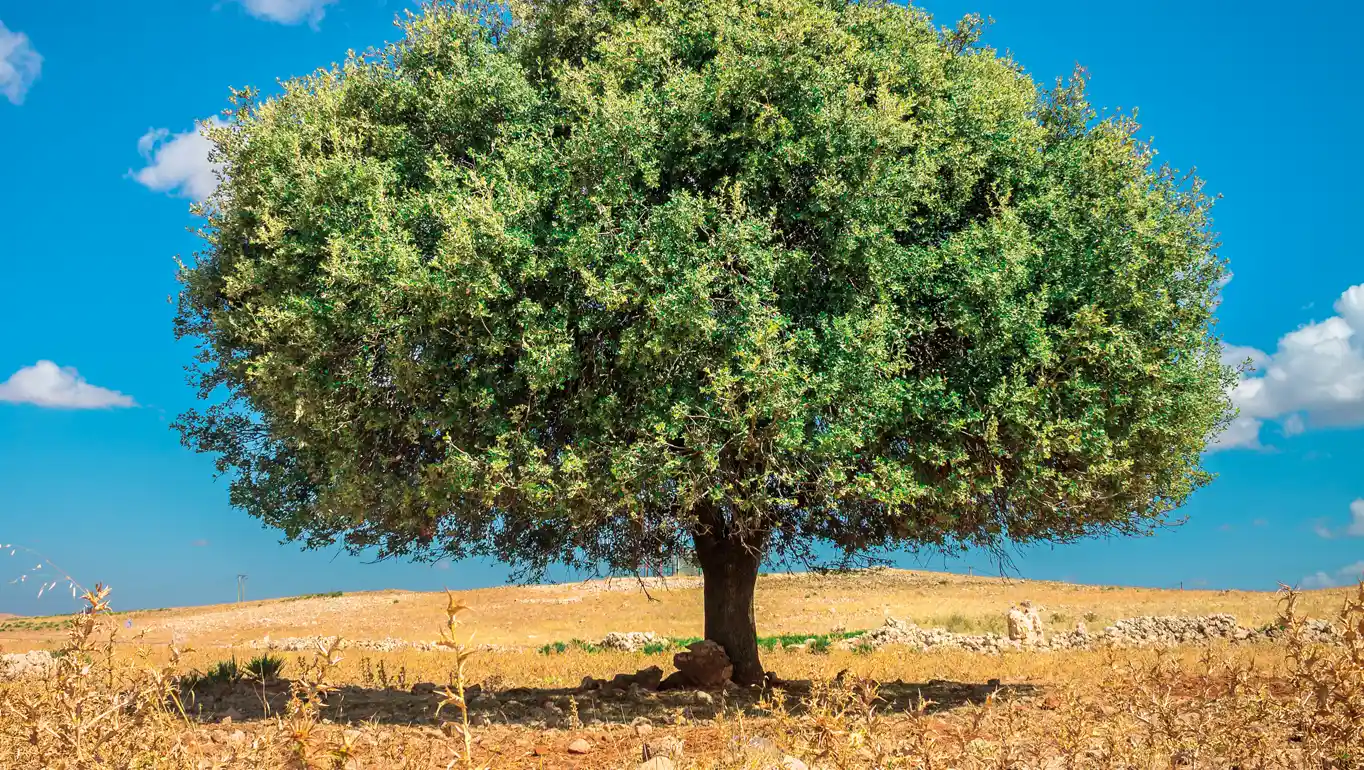
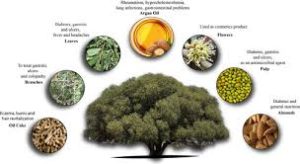
Properties of argan tree. An amazing plant with significant ecological, commercial, and cultural importance is the argan tree. It is a true botanical gem because of its many advantages and capacity to flourish in challenging environments. We can guarantee that the Argan tree will continue to supply its priceless resources for future generations while maintaining the rich history and biodiversity of southwest Morocco by promoting conservation initiatives and sustainable practices.
PROPERTIES OF ARGAN TREE
Native to Morocco, the thorny, long-lived (150–200 years) argan tree (Argania spinosa) is renowned for its ability to withstand heat and drought, prevent soil erosion, and produce nutrient-rich argan oil from its hard-shelled nuts. It plays an important ecological and cultural significance in supporting food (animal and culinary feed), cosmetics, and traditional medicine.
Botanical Characteristics;
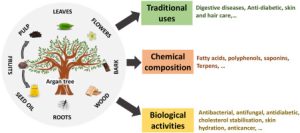
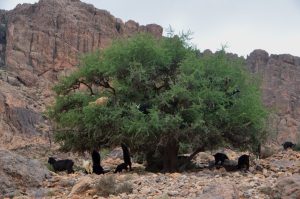
– Appearance: The Argan tree is a thorny, evergreen tree that can reach heights of up to 8-10 meters (26-33 feet). It has a wide, spreading canopy and a deep root system that helps it survive in arid conditions.
– Leaves: The leaves are small, oval, and dark green, adapted to minimize water loss in the hot, dry climate.
– Flowers: The tree produces small, yellow-green flowers that bloom in late spring. These flowers eventually develop into fruit.
– Fruit: The fruit is a small, round or oval berry that takes over a year to mature. Inside the fruit is a hard nut containing one to three oil-rich kernels.
Ecological Importance;

The Argan tree is vital to the environment in its native region:
– Soil Stabilization:
The deep root system of the Argan tree helps prevent soil erosion and desertification by stabilizing the soil and maintaining the integrity of the landscape.
– Water Retention:
The tree improves water infiltration and retention in the soil, which is crucial in the arid and semi-arid regions where it grows.
– Biodiversity:
Argan forests support a diverse range of flora and fauna. They provide habitat and food for various species, contributing to the overall biodiversity of the region.
Economic and Cultural Significance;
PROPERTIES OF ARGAN TREE
The Argan tree is deeply intertwined with the local culture and economy of Morocco:
– Generations of people have carried on the traditional practice of producing argan oil from the kernels of the argan tree. Argan oil is highly valued both domestically and globally. Due to its well-known use in medicine, food, and cosmetics.
– Women’s Cooperatives: Many women’s cooperatives in Morocco are involved in the production of argan oil. These cooperatives provide employment, fair wages, and education opportunities for women, contributing to their empowerment and improving their socio-economic status.
– Cultural Heritage: The Argan tree and its products are a significant part of Moroccan cultural heritage. The traditional methods of harvesting and processing argan oil are an integral part of the local customs and lifestyle.
Conservation Efforts;
PROPERTIES OF ARGAN TREE
Due to its ecological and economic importance, there are ongoing efforts to conserve and protect the Argan tree:
– UNESCO Recognition:
The Argan forest region was designated a UNESCO Biosphere Reserve in 1998, highlighting its global significance and the need for sustainable management.
– Reforestation Programs:
PROPERTIES OF ARGAN TREE
Various reforestation programs aim to plant new Argan trees and restore degraded lands. These efforts help ensure the long-term survival of the species and the benefits it provides.
– Sustainable Harvesting:
Initiatives promoting sustainable harvesting practices help maintain the health of the trees and the quality of the oil. This involves regulating the timing and methods of fruit collection to avoid over-exploitation.
Summary
The semi-desert regions of southwest Morocco are home to the rare and old Argan tree (Argania spinosa). The Argan tree is important to the local economy and ecological because it produces argan oil, a highly valued commodity. In addition to providing many ecological, economic, and cultural advantages, this hardy tree has adapted to severe settings.
‘

Torchlight Selection

Best Practices for Face Exfoliation

Chemical Face Exfoliation

A Step-by-Step Guide to Deleting Reels on Instagram

A Comprehensive Guide to Setting Up a YouTube Premiere