
Career Guide
Attracting Top Talent: Strategies for Hiring Success on LinkedIn


In today’s competitive job market, attracting and retaining top talent is crucial for the success of any organization. With over 700 million professionals worldwide, LinkedIn has become a powerhouse for recruitment, offering unparalleled access to a vast pool of potential candidates. In this article, we’ll explore effective strategies for attracting good employees on LinkedIn and building a winning team for your organization.
1. Optimize Your Company Page:
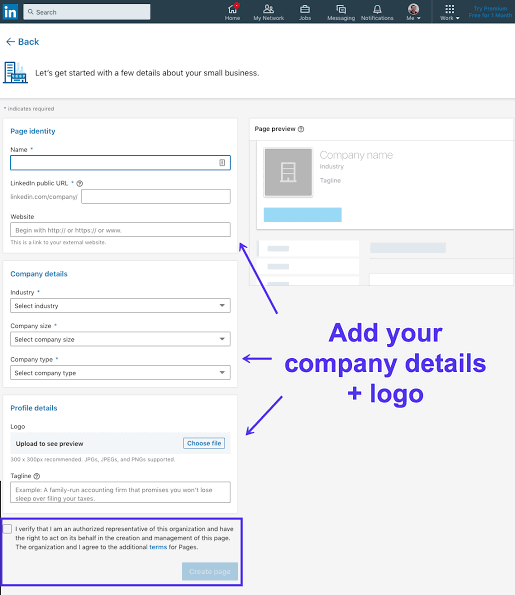
Your company’s LinkedIn page serves as a virtual showcase for potential candidates. Make sure it accurately reflects your brand identity, values, and company culture. Highlight your mission, vision, and key achievements to create a compelling narrative that resonates with top talent.
2. Craft Engaging Job Postings:
When posting job openings on LinkedIn, be sure to write clear, concise, and engaging job descriptions. Use language that appeals to your target audience and emphasizes the value proposition of working for your company. Highlight key responsibilities, qualifications, and opportunities for growth to attract the attention of top performers.
3. Showcase Your Employer Brand:
Leverage LinkedIn’s multimedia capabilities to showcase your employer brand and company culture. Share photos, videos, and employee testimonials that offer a glimpse into what it’s like to work at your organization. Authentic storytelling can help candidates envision themselves as part of your team and increase their interest in joining.
4. Engage with Potential Candidates:
Actively engage with potential candidates on LinkedIn by liking, commenting, and sharing their posts. Participate in relevant industry discussions and join groups where your target audience is active. Building relationships with candidates before they apply can increase their trust and affinity towards your company.
5. Leverage Employee Referrals:
Employee referrals are one of the most effective ways to attract good employees. Encourage your current employees to share job openings with their networks and offer incentives for successful referrals. Candidates who come recommended by trusted employees are more likely to be a good fit culturally and professionally.
6. Utilize LinkedIn Recruiter:
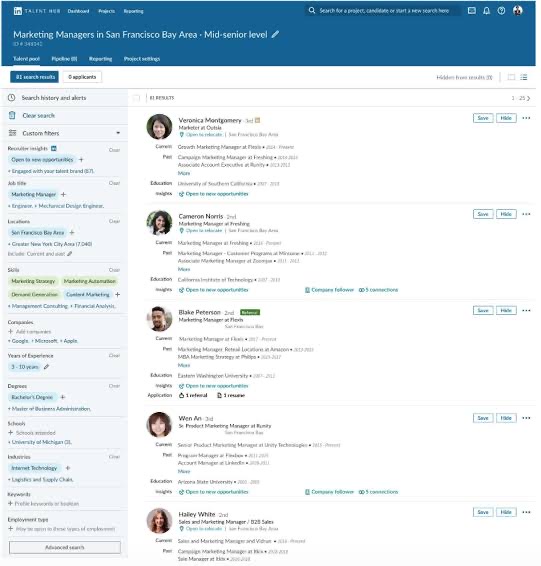
Consider investing in LinkedIn Recruiter, a premium tool that provides advanced search and messaging capabilities for recruiters. With LinkedIn Recruiter, you can proactively search for candidates based on specific criteria, reach out to them directly, and manage your recruitment pipeline more effectively.
7. Offer Competitive Benefits and Perks:
In addition to competitive salaries, offer attractive benefits and perks that differentiate your company from competitors. Highlight these offerings in your job postings and company page to attract candidates who prioritize work-life balance, professional development, and employee wellness.
8. Provide a Seamless Application Experience:
Make it easy for candidates to apply for positions at your company by streamlining the application process. Ensure that your job postings include clear instructions for applying and provide a user-friendly interface for submitting applications. A cumbersome application process can deter qualified candidates from pursuing opportunities with your company.
9. Foster a Positive Candidate Experience:
From the initial application to the final hiring decision, prioritize providing a positive candidate experience. Keep candidates informed at every stage of the process, respond promptly to inquiries, and provide constructive feedback, even to candidates who are not selected. A positive candidate experience can leave a lasting impression and enhance your employer brand.
10. Measure and Iterate:
Continuously monitor the effectiveness of your recruiting efforts on LinkedIn and measure key metrics such as applicant quality, time-to-hire, and retention rates. Use this data to identify areas for improvement and refine your recruitment strategies over time. By staying agile and responsive, you can continually attract and retain top talent for your organization.
Attracting good employees on LinkedIn requires a strategic and multifaceted approach. By optimizing your company page, crafting engaging job postings, showcasing your employer brand, and fostering meaningful connections with candidates, you can create a compelling recruitment strategy that attracts top talent and builds a winning team for your organization’s success.






Selection Tips for Career. Aligning your decisions with your inner calm, natural strengths, and basic values is essential to finding the appropriate path in life, work, or personal development. Instead than looking for a single, ideal path, concentrate on introspection, taking tiny, steady steps, and developing the fortitude to overcome any obstacles that may arise.
SELECTION TIPS FOR CAREER
Advice for selecting a profession. One of the most important choices you will ever make is choosing the right career path. Your future, your personal growth, and your long-term happiness are all greatly impacted. But with so many career options, it could be challenging to make an informed decision and get your dream job.
Definition of Career;

Typically, the term “career” has two meanings or definitions. “Career” is frequently used to denote a trade, career, profession, or occupation.
How to Choose a Career;
1. Passions and interests Think about what makes you happy and what you naturally enjoy doing first. Consider the following inquiries:
2. Which subjects or pursuits are you most naturally drawn to?
3. What subjects do you like to learn about
4. What pursuits make you the happiest and most satisfied?

Selection Tips for Career
5. Capabilities and advantages Next, consider your abilities and advantages. Find out what you’re good at and what jobs and activities you find easy. You can use the following questions to get a better understanding of your strengths:
5. What kind of work or hobbies do you find pleasurable and effortless?
6. What specific topics do you have expertise in?
7. Principles and convictions While you explore professional options, values and beliefs should also be taken into consideration. It’s critical to consider your priorities and work toward a career that supports your values. What causes or issues are the ones that you care about the most?

Selection Tips for Career
8. Job market job sector analysis and prospects It is imperative that you research the market trends and demand in the industry of your choice. Think about the following before investing in a career that could not be in demand in the future:
9. Which industries are growing? which is deteriorating?
10. Stability of finances and earning capacity Finally, when deciding on a career, we cannot overlook the importance of financial security and earning potential. All of us want to be able to support ourselves financially while pursuing our passions.
Summary
Doing a self-evaluation of your abilities, values, and financial requirements is the first step toward choosing the correct career. To guaranty long-term contentment and stability, investigate possible sectors thru study, networking, and little experiments like volunteering or freelancing.

Babysitting guidelines. It is a fulfilling profession that calls for commitment, planning, and a proactive attitude to guarantee children’s safety and wellbeing. You may give exceptional care and establish a solid reputation as a dependable and trustworthy babysitter by adhering to these best practices and advice. Your care and attention can have a big impact on the lives of infants, toddlers, and older kids as well as the trust you develop with their families.
BABYSITTING GUIDELINES
Being a babysitter is a big job that calls for tolerance, dependability, and a sincere affection for kids. Knowing the best practices and crucial advice may help guarantee a fun and safe experience for both you and the kids you look after, regardless of your level of experience. Here’s a comprehensive guide to babysitting.
Getting Started;

1. Obtain Necessary Training:
– First Aid and CPR Certification: Enroll in a certified first aid and CPR course. These skills are crucial in handling emergencies and ensuring the safety of the children.
– Babysitting Classes: Many organizations, such as the Red Cross, offer babysitting courses that cover the basics of child care, safety, and emergency protocols.
2. Know the Family and the Children:
– Meet in Advance: Arrange a meeting with the family before your first babysitting job. This allows you to get to know the parents and children, understand their routines, and address any special needs or concerns.
– Learn About Preferences: Ask about the children’s favorite activities, allergies, bedtime routines, and any household rules.
Preparing for the Babysitting Job;

1. Create a Checklist:
– Emergency Contacts: Have a list of emergency contacts, including parents’ phone numbers, neighbors, and local emergency services.
– Medical Information: Know any medical conditions, allergies, and the location of first aid supplies.
– House Rules: Be aware of any specific household rules regarding screen time, snacks, and bedtime.
2. Bring a Babysitting Kit:
– Entertainment: Pack books, games, and activities that are appropriate for the children’s ages.
– Essentials: Include basic supplies like wipes, tissues, a flashlight, and any personal items you may need.
During the Babysitting Job

1. Keep Children Engaged:
– Interactive Activities: Engage the children in activities such as reading, arts and crafts, and outdoor play. This not only keeps them entertained but also helps build a positive relationship.
– Limit Screen Time: Encourage creative play over screen time. Use electronics sparingly and according to the parents’ guidelines.
2. Ensure Safety at All Times:
– Supervision: Always keep a close eye on the children, especially during playtime and meals. Avoid distractions such as phone calls or social media.
3. Follow the Routine:

Babysitting guidelines
– Meals and Snacks: Provide healthy meals and snacks according to the parents’ instructions. Be mindful of any allergies or dietary restrictions.
Handling Emergencies;
1. Stay Calm and Collected:
– Assess the Situation: Quickly evaluate the situation to determine the severity of the emergency.
2. Know When to Seek Help:
– Non-Emergency Issues: For non-emergency issues, contact the parents or designated emergency contact for advice and assistance.
– Behavioral Problems: If a child exhibits behavioral problems, stay calm and use positive reinforcement and redirection techniques. Avoid physical punishment or harsh language.
Building a Good Reputation;

Babysitting guidelines
1. Communicate Effectively:
– Feedback: Provide detailed feedback to the parents about the day’s activities, meals, and any incidents. This helps build trust and ensures transparency.
2. Be Reliable and Punctual:
– Arrive on Time: Punctuality is crucial in building a positive relationship with the family.
Summary
The main tenets of babysitting standards are active monitoring, safety, and open communication. Securing emergency contacts, adhering to the family’s strict house rules, and never leaving kids alone are important duties.

Requirements to become a Nurse. A nurse is a certified healthcare practitioner committed to promoting health, avoiding disease, and providing care for the ill, injured, or frail. They serve as the cornerstone of the medical system, providing evidence-based treatment and comprehensive care in hospitals, clinics, schools, and private homes either on their own or in conjunction with doctors and surgeons.
.REQUIREMENTS TO BECOME A NURSE
Starting a nursing career is an honorable and fulfilling path, but it has prerequisites to guarantee skill and higg quality patient care. This in depth blog post will walk you through all of the prerequisites for becoming a nurse, including training, certification, and personal qualities that are essential for success in this fast-paced field of healthcare.
Educational Requirements;

1. High school Diploma or Equivalent: Getting a high school diploma or its equivalent, such as a general Educational Development (GED) certificate, is the first requirement for becoming a nurse. It can help to have solid background in biology, chemistry and mathematics.
2. Prerequisite College Courses: Completing prerequisite course in anatomy, physiology, microbiology, and psychology is mandatory for many nursing programs. The fundamental knowledge required for nursing education is covered in these courses.
Nursing Degree Programs:

To become a nurse, one can follow one of several different educational pathways, each with specific requirements:
Nursing diploma: A few hopital provide two to three year nursing diploma programs. These days, though this path is less typical.
Bachelor of Science in Nursing (BSN): University based BSN programs normally last four years. BSN holders are more in demand in the nursing field and frequently have wider job options.
Clinical Experience And Training;

Requirements to become a Nurse
Clinical Rotations: As part of the nursing curriculum, students participate in practical clinical rotations that enable them to apply their theoretical knowledge in actual healthcare settings. These rotations include a wide range of disciplines, including pediatrics, obstetrics, and medical-surgical nursing.
Simulation Labs: A lot of nursing programs include simulation labs where students can hone their abilities in a safe setting. This offers a secure environment for honing clinical skills prior to working with real patients.
Professional Attributes And Skills;

Requirements to become a Nurse
Effective Communication: Being able to communicate well is essential for nurses. To guarantee coordinated and thorough care, nurses must communicate openly and effectively with patients, families, and other medical professionals.
Empathy & Compassion: As a compassionate vocation, nursing requires the capacity to sympathize with patients during difficult situations. In addition to fostering trust, compassion improves patient outcomes.
Critical Thinking: In order to evaluate situations, make wise judgments, and efficiently prioritize treatment, nurses need to be very proficient in critical thinking. Rapid thinking is frequently needed in fast-paced healthcare settings.
Summary
A state or regional practice license, a recognized nursing degree (such as an ADN or BSN), and passing the necessary national licensing exam (such as the NCLEX or Nursing and Midwifery Council of Nigeria examinations) are normally prerequisites for becoming a nurse.

Music Recording Apps for Phones

Review of Bandlab Music App

N-Track Studio Review

A Step-by-Step Guide to Deleting Reels on Instagram

A Comprehensive Guide to Setting Up a YouTube Premiere








Pingback: how to search for jobs on LinkedIn - SimplExplainer
Pingback: Linkedin and Job Searching - SimplExplainer