Fruits
Benefits of Juicing


Benefits of juicing
Benefits of juicing. The practice of extracting the nutrient-dense juices from fresh fruits and vegetables, known as “juicing,” has grown in popularity in recent years. It is frequently used to increase dietary nutrients or detoxify.
To extract their juice, fresh fruits and/or vegetables are ground, squeezed, or pressed.
BENEFITS OF JUICING
It’s a contemporary phrase for the ancient method of pressing fresh fruits to extract their nutrients fast. Getting a lot of vitamins, nutrients and minerals is simple when you drink fresh juice. The possible health advantages of juicing vary greatly depending on the specific ingredients in the juice, despite some evidence supporting the practice.
1. An increase in the consumption of nutrients
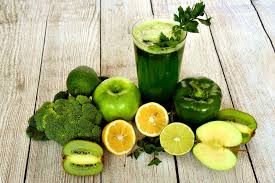
Juice helps your body absorb nutrients more rapidly. Additionally, it helps you consume more vitamins and minerals than you might be getting from your normal diet. You may be deficient in vital nutrients if you don’t eat a lot of entire fruits and veggies.
2. Support for the cardiovascular system
There is little evidence that consuming pure fruit and vegetable juice raises blood nitric oxide levels. In order to keep your blood vessels flexible and healthy, nitric oxide works to widen them and reduce blood pressure.
3. Packed with Nutrients

These colorful beverages provide a concentrated dose of vitamins, minerals, and antioxidants because they are made from a variety of fruits and vegetables. From vitamin C in citrus fruits to potassium in bananas, every beverage has a range of health-promoting ingredients. This nutrient-rich profile supports better skin health, increased cellular repair, and a stronger immune system.
4. Boost of Antioxidants
Antioxidants like vitamin C, flavonoids, and polyphenols are abundant in these colorful mixtures, which are packed with fruits like berries, citrus, and leafy greens. These antioxidants neutralize free radicals, preventing inflammation and cellular damage when used. Together, these various antioxidants form a robust defense system that minimizes the risk of chronic diseases and supports long-term health.
5. Support for the Immune System

These fluids, which are high in immune-boosting elements like vitamin C, help the body fight against infections and diseases. White blood cells, essential elements of the immune system, are produced and function better when vitamin C is present. Additionally, antioxidants like carotenoids and flavonoids found in fresh juices are crucial for reducing inflammation and oxidative stress while boosting immunological resistance.
6. Hydration
Since staying hydrated is essential in Dubai’s arid climate, fresh juices seem like liquid sustenance. They offer the added benefit of being nourishing and refreshing. These cool drinks are essential for both visitors and residents to stay hydrated amid the sun-drenched splendor of the desert. Because they are tasty and revitalizing, juices are a really useful tool to keep up with.
7. Detoxification

Toxins can be neutralized and eliminated with the help of vitamins, enzymes, and antioxidants found in juice extracts. Foods like citrus fruits and leafy greens promote the synthesis of detoxification enzymes, which makes it easier for the body to effectively eliminate dangerous toxins. Fresh juices’ hydrated properties help kidney function by making waste easier to expel.
Summary
Juicing has numerous and diverse health and well-being advantages that provide a comprehensive approach. A simple yet effective addition to your daily routine, these nutrient-rich beverages can boost mental clarity and help your immune system.
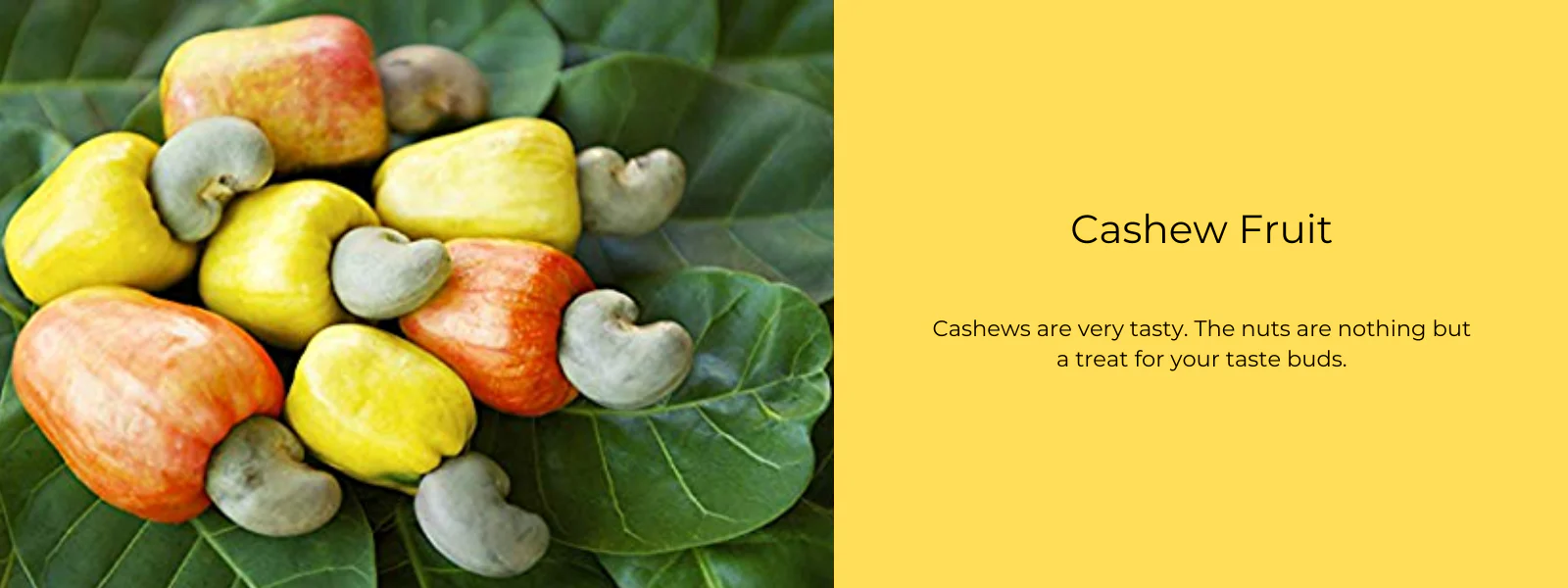
Nutritional impacts of cashew fruits. High quantities of vitamin C, antioxidants, vital minerals (copper, magnesium, iron), and healthy unsaturated fats are just a few of the nutritional advantages of cashew fruits, particularly the cashew apple, and the nuts that are linked to them. These nutrients build bone density, support heart health, increase immunity, and help control weight.
NUTRITIONAL IMPACTS OF CASHEW FRUITS
The Anacardium occidentale tree’s interesting and incredibly useful cashew fruit is sometimes overlooked in favor of the cashew nut. The cashew fruit, which is indigenous to Brazil, is made up of two parts: the cashew nut, which develops beneath the cashew apple, which is a plump, juicy stem.
Nutritional Benefits;
The cashew apple is rich in vitamins and minerals, making it a healthy addition to diets:
– Vitamin C: A powerful antioxidant that boosts immunity and supports skin health.

Nutritional impacts of cashew fruits
– Dietary Fiber: Aids digestion and promotes gut health.
– Low Calorie: A refreshing, nutrient-packed fruit for weight-conscious individuals.
Culinary Uses;

Nutritional impacts of cashew fruits
Though less popular than the nut, the cashew apple is widely consumed in many tropical regions:
– Juices and Drinks: The fruit is processed into refreshing juices or fermented to create alcoholic beverages.
– Jams and Syrups: Its sweet and tangy flavor makes it ideal for preserves and syrups.

Nutritional impacts of cashew fruits
– Raw Consumption: While edible raw, it is often eaten with a sprinkle of salt or sugar due to its astringent taste.
Economic and Agricultural Importance;

The cashew fruits plays a significant role in economies where cashew farming is prominent:
– Cashew Nut Production: The nut, more commercially valuable, drives global demand for cashew cultivation.
– Byproducts: The apple is increasingly used in producing biofuels, animal feed, and compost, reducing waste.
Environmental Impact of Cashew;

Cashew trees are resilient and thrive in arid climates, making them a sustainable crop in regions prone to drought. However, care must be taken to avoid overexploitation and promote fair trade practices.
Summary
Cashew fruits are a source of innovation, nourishment, and economic opportunities in addition to being a nut-bearing plant. We can maximize the potential of this amazing tropical fruit by investigating its applications.
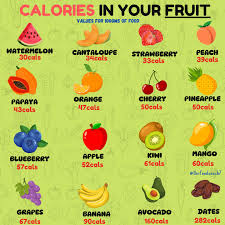
Healthy low calories fruits. With fiber, vitamins, and a high water content to encourage fullness, these nutritious, low-calorie fruits—which typically have less than 70 calories per 100g—are great choices for managing weight. Berries (strawberries, raspberries), citrus (grapefruit, oranges), melons, and stone fruits are excellent options since they promote immunity and heart health.
HEALTHY LOW CALORIES FRUITS
Fruits, many of which are naturally low in calories, are a tasty and nourishing way to sate hunger. These fruits are ideal for people who want to control their weight while still indulging in a tasty treat that is high in fiber, vitamins, and minerals.
Top Low-Calories Fruits;
1.Watermelon (30 calories per 100g): Hydrating and refreshing, it’s perfect for hot days.
2.Strawberries (32 calories per 100g): Rich in vitamin C and antioxidants, they make a healthy snack or dessert topping.

HEALTHY LOW CALORIES FRUITS
3.Peaches (39 calories per 100g): Juicy and sweet, peaches are a great source of vitamins A and C.
4.Apples (52 calories per 100g): Low in calories and high in fiber, apples are perfect for keeping you full longer.
5.Oranges (47 calories per 100g): Packed with vitamin C, oranges are a low-calorie option for boosting immunity.
Benefits;

HEALTHY LOW CALORIES FRUITS
– Weight Management: They provide natural sweetness with fewer calories, making them an excellent substitute for sugary snacks.
– Rich in Fiber: Helps keep you full, supports digestion, and reduces unhealthy cravings.
– Hydration: Many low-calorie fruits, like watermelon and oranges, are high in water content.
Tips for Enjoying Low-Calorie Fruits;

HEALTHY LOW CALORIES FRUITS
– Snack on them raw or combine them into fruit salads.
– Blend them into smoothies without added sugars.
– Pair with a handful of nuts or yogurt for a balanced snack.
Summary
Low-calorie fruits are a delicious approach to meet your exercise objectives while staying hydrated, healthy, and full.

High calorie fruits. Bananas (~90/100g), mangoes (~60/100g), avocados (~160/100g), and dried fruits like dates (282/100g) are rich in calories, while watermelon (around 30/100g) and strawberries (~32/100g) are low in calories. Serving size and fruit variety affect calorie content; fruits high in water have less calories than dried or fatty fruits (such as avocado or coconut).
HIGH CALORIE FRUITS
fruits, such as avocado, coconut, bananas, mangoes, and dried fruits (dates, raisins, and prunes), are perfect for gaining weight in a healthy way. These nutrient-dense options contain fiber, good fats, and carbohydrates; a cup of avocados has about 240 calories, while a cup of dried fruit has more than 350–400 calories.
Fruits to Watch Out For;

1.Avocado (160 calories per 100g): While rich in healthy fats and nutrients, avocados are dense and best enjoyed in small portions.
2.Dates (277 calories per 100g): These sweet fruits are high in natural sugars, making them better suited as an occasional treat.
3.Coconuts (354 calories per 100g of flesh): Coconut meat is rich in fats, making it heavy despite its fiber content.
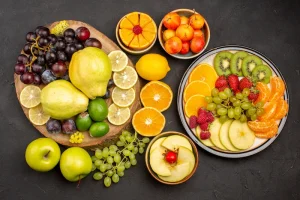
HIGH CALORIE FRUITS
4.Bananas (89 calories per 100g): Though not excessively, their carbohydrate content can add up if consumed in large quantities.
5.Grapes (69 calories per 100g): Easy to overeat due to their small size, grapes are relatively high in sugar.
Why Limit it?

HIGH CALORIE FRUITS
•Weight Management: Overeating dense fruits can hinder weight loss goals.
•Blood Sugar Control: Some fruits, like dates and grapes, can spike blood sugar levels when consumed in excess.
Healthy Alternatives;

HIGH CALORIE FRUITS
Opt for watermelon, berries, or peaches to satisfy sweet cravings without overloading on calories.
While it is still nutritious, mindful portion sizes ensure you reap their benefits without compromising your dietary goals.
Summary
Fruits are rich in nutrients, but they can also contain natural sugars and. It’s crucial for people limiting their calorie intake to eat these fruits in moderation to prevent going over their daily energy requirements.

Holidays and Vacations

Bilingual Education Impacts

Career Tips

A Step-by-Step Guide to Deleting Reels on Instagram

How to Create a WhatsApp Group