Fruits
Benefits of Juicing


Benefits of juicing
Benefits of juicing. The practice of extracting the nutrient-dense juices from fresh fruits and vegetables, known as “juicing,” has grown in popularity in recent years. It is frequently used to increase dietary nutrients or detoxify.
To extract their juice, fresh fruits and/or vegetables are ground, squeezed, or pressed.
BENEFITS OF JUICING
It’s a contemporary phrase for the ancient method of pressing fresh fruits to extract their nutrients fast. Getting a lot of vitamins, nutrients and minerals is simple when you drink fresh juice. The possible health advantages of juicing vary greatly depending on the specific ingredients in the juice, despite some evidence supporting the practice.
1. An increase in the consumption of nutrients
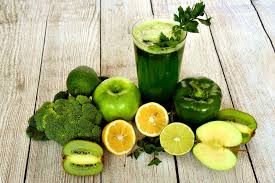
Juice helps your body absorb nutrients more rapidly. Additionally, it helps you consume more vitamins and minerals than you might be getting from your normal diet. You may be deficient in vital nutrients if you don’t eat a lot of entire fruits and veggies.
2. Support for the cardiovascular system
There is little evidence that consuming pure fruit and vegetable juice raises blood nitric oxide levels. In order to keep your blood vessels flexible and healthy, nitric oxide works to widen them and reduce blood pressure.
3. Packed with Nutrients

These colorful beverages provide a concentrated dose of vitamins, minerals, and antioxidants because they are made from a variety of fruits and vegetables. From vitamin C in citrus fruits to potassium in bananas, every beverage has a range of health-promoting ingredients. This nutrient-rich profile supports better skin health, increased cellular repair, and a stronger immune system.
4. Boost of Antioxidants
Antioxidants like vitamin C, flavonoids, and polyphenols are abundant in these colorful mixtures, which are packed with fruits like berries, citrus, and leafy greens. These antioxidants neutralize free radicals, preventing inflammation and cellular damage when used. Together, these various antioxidants form a robust defense system that minimizes the risk of chronic diseases and supports long-term health.
5. Support for the Immune System

These fluids, which are high in immune-boosting elements like vitamin C, help the body fight against infections and diseases. White blood cells, essential elements of the immune system, are produced and function better when vitamin C is present. Additionally, antioxidants like carotenoids and flavonoids found in fresh juices are crucial for reducing inflammation and oxidative stress while boosting immunological resistance.
6. Hydration
Since staying hydrated is essential in Dubai’s arid climate, fresh juices seem like liquid sustenance. They offer the added benefit of being nourishing and refreshing. These cool drinks are essential for both visitors and residents to stay hydrated amid the sun-drenched splendor of the desert. Because they are tasty and revitalizing, juices are a really useful tool to keep up with.
7. Detoxification

Toxins can be neutralized and eliminated with the help of vitamins, enzymes, and antioxidants found in juice extracts. Foods like citrus fruits and leafy greens promote the synthesis of detoxification enzymes, which makes it easier for the body to effectively eliminate dangerous toxins. Fresh juices’ hydrated properties help kidney function by making waste easier to expel.
Summary
Juicing has numerous and diverse health and well-being advantages that provide a comprehensive approach. A simple yet effective addition to your daily routine, these nutrient-rich beverages can boost mental clarity and help your immune system.

Health Components of Cashew Apple. The Anacardium occidentale tree’s interesting and incredibly useful cashew fruit is sometimes overlooked in favor of the cashew nut. The cashew fruit, which is indigenous to Brazil, is made up of two parts: the cashew nut, which develops beneath the cashew apple, which is a plump, juicy stem.
HEALTH COMPONENTS OF CASHEW APPLE
Cashew fruits are a source of innovation, nourishment, and economic opportunity in addition to being a nut-bearing plant. We can make the most of this amazing tropical fruit by investigating its applications.
Nutritional Benefits of the Cashew Apple;

The cashew apple is rich in vitamins and minerals, making it a healthy addition to diets:
– Vitamin C: A powerful antioxidant that boosts immunity and supports skin health.
– Dietary Fiber: Aids digestion and promotes gut health.
– Low Calorie: A refreshing, nutrient-packed fruit for weight-conscious individuals.
Culinary Uses of Cashew fruit;
Though less popular than the nut, the cashew apple is widely consumed in many tropical regions:

Health Components of Cashew Apple
The fruit is processed into refreshing juices or fermented to create alcoholic beverages.
– Jams and Syrups: Its sweet and tangy flavor makes it ideal for preserves and syrups.
– Raw Consumption: While edible raw, it is often eaten with a sprinkle of salt or sugar due to its astringent taste.
Economic and Agricultural Importance of Cashew fruit
The cashew fruits plays a significant role in economies where cashew farming is prominent:
– Cashew Nut Production: The nut, more commercially valuable, drives global demand for cashew cultivation.
– Byproducts: The apple is increasingly used in producing biofuels, animal feed, and compost, reducing waste.
Environmental Impact of Cashew;

Health Components of Cashew Apple
Cashew trees are resilient and thrive in arid climates, making them a sustainable crop in regions prone to drought. However, care must be taken to avoid overexploitation and promote fair trade practices.
Summary
A nutrient-rich, delicious pseudofruit, cashew apples are abundant in vitamin C, dietary fiber, antioxidants, and vital minerals that promote health and immunity.

Fruits with High Calories. The quantity of energy that is stored in food and utilized by the body is measured in calories. To save your sweet tooth without consuming too many calories, use low-calorie fruits like watermelon, berries, or peaches. Even if fruit with a lot of calories is still nutrient-dense, you can still benefit from it without sacrificing your dietary objectives if you watch how much you eat.
FRUITS WITH HIGH CALORIES
Fruits are rich in nutrients, but they can also contain natural sugars and be high. It’s crucial for people limiting their calorie intake to eat these fruits in moderation to prevent going over their daily energy requirements. Building muscle or gaining weight can be difficult for some people. Fruits can give your body the extra calories it needs to acquire weight, even though they’re not often the first food group that springs to mind when attempting to bulk up. They also include vital vitamins and minerals that promote wellness.
High-Calorie Fruits to Watch Out For
1.Avocado (160 calories per 100g):

While rich in healthy fats and nutrients, avocados are calorie-dense and best enjoyed in small portions.
2.Dates (277 calories per 100g): These sweet fruits are high in natural sugars, making them better suited as an occasional treat.
3.Coconuts (354 calories per 100g of flesh): Coconut meat is rich in fats, making it calorie-heavy despite its fiber content.
4.Bananas (89 calories per 100g): Though not excessively high in calories, their carbohydrate content can add up if consumed in large quantities.
5.Grapes (69 calories per 100g):

Fruits with High Calories
Easy to overeat due to their small size, grapes are relatively high in sugar.
Why Limit High-Calorie Fruits?
•Weight Management: Overeating calorie-dense fruits can hinder weight loss goals.

Fruits with High Calories
Some fruits, like dates and grapes, can spike blood sugar levels when consumed in excess.
Summary
High-calorie fruits are great choices for sustained energy and healthy weight gain since they are rich in natural sugars, complex carbs, and healthy fats.

Watermelon Health Components. The watermelon belongs to the Cucurbitaceae family of flowering plants. It is a vine-like, scrambling plant that is grown all over the world. Watermelons, which are classified as pepos in botany, are produced in tropical to temperate climates for their enormous edible berry with a strong rind and no internal divisions.
WATERMELON HEALTH COMPONENTS
Although, Benefit of Sunlight? Plants can be shaded from the sun by certain pigments. Strangely enough, eating them alone might provide some skin protection as well. You may be less prone to get burnt thanks to the lycopene in watermelon. Keep applying your broad-spectrum sunscreen with an SPF of 30 or greater every day, though, as that isn’t guaranteed.
2. Better Heart Citrulline, an amino acid that is abundant in watermelon, may enhance your blood flow and maybe reduce blood pressure. All of the lycopene that watermelon has to offer benefits your heart as well. Your chance of having a heart attack may be reduced, according to studies. Naturally, your heart health is impacted by your entire lifestyle.

3. However, Guards Your Joints The natural pigment beta-kryptoxanthin found in watermelon may help prevent inflammation in your joints. It may eventually reduce your risk of developing rheumatoid arthritis, according to several research.
Simple to Look at You can get 9–11% of your daily need of vitamin A from only one slice of watermelon.
More Benefits;
4. Meanwhile, Maintaining the health of your eyes is mostly dependent on this nutrient. The finest source of all the vitamins and minerals your body needs is food. Obviously Delicious Hydration Since 92% of a juicy watermelon is water, it’s an easy way to remain hydrated. Your body requires water for every cell. You may feel lethargic with even a slight deficit. If your dehydration gets severe enough, you may require intravenous fluids.

Watermelon Health Components
5. Also, Calms Down Your Skin Watermelon’s A, B6, and C vitamins keep your skin supple, smooth, and silky. Melon is also an excellent choice for a face mask due to its high water content. high water content
Summary
Powered by Lycopene The vivid red hue is caused by the antioxidant lycopene. It may help reduce your risk of cancer and diabetes as part of a healthy lifestyle, according to research. Watermelon has this specific vitamin more than any other fruit or vegetable. AAbout 92% of watermelon is made up of water, vital vitamins, minerals, and potent plant antioxidants, making it a nutrient-dense, hydrating fruit.

Torchlight Selection

Best Practices for Face Exfoliation

Chemical Face Exfoliation

A Step-by-Step Guide to Deleting Reels on Instagram

A Comprehensive Guide to Setting Up a YouTube Premiere