Uncategorized
How Working Out with Music Can Boost Your Fitness Results


For many people, music is more than just background noise – it’s a powerful motivator, mood enhancer, and source of energy. When it comes to exercise, incorporating music into your workout routine can have significant benefits beyond simply making the experience more enjoyable. From increasing motivation and endurance to improving performance and focus. Working out with music has been shown to enhance fitness results in numerous ways. In this article, we’ll explore the science behind the synergy of music and exercise and how it can help you achieve better results in your fitness journey.
1. Boosts Motivation and Performance

One of the most notable benefits of working out with music is its ability to boost motivation and performance during exercise. Music has the power to evoke emotions, trigger memories, and stimulate the release of feel-good neurotransmitters like dopamine, which can enhance your mood and drive to push harder during workouts. Upbeat and energetic songs with a fast tempo are particularly effective at increasing motivation and encouraging higher intensity exercise, leading to improved performance and better results over time.
2. Enhances Endurance and Stamina

Research has shown that listening to music while exercising can increase endurance and stamina by distracting the mind from feelings of fatigue and exertion. By focusing on the rhythm, melody, and lyrics of the music, individuals can maintain a steady pace and push through challenging moments without feeling as much physical discomfort. Additionally, music with a strong beat can help synchronize movements, such as running or cycling, making them feel more effortless and rhythmic, ultimately extending endurance and allowing for longer, more effective workouts.
3. Improves Focus and Coordination

Music has the ability to enhance focus and coordination during exercise by acting as a cognitive stimulus that engages the brain and improves concentration. When paired with rhythmic movements, such as lifting weights or performing bodyweight exercises, music can help individuals synchronize their movements with the beat, resulting in smoother, more controlled execution of exercises. This increased focus and coordination not only optimize muscle engagement but also reduce the risk of injury and ensure proper form, leading to better overall results from your workout.
4. Elevates Mood and Reduces Stress

Exercise itself is known to have mood-boosting and stress-reducing effects, and when combined with music, these benefits are amplified. Listening to uplifting and inspirational music during workouts can elevate mood, reduce feelings of stress and anxiety, and promote a sense of well-being and positivity. This positive mindset can enhance the overall exercise experience, making it more enjoyable and sustainable in the long run, which is essential for achieving consistent results and maintaining a healthy lifestyle.
Working out with music isn’t just a matter of personal preference – it’s a scientifically proven strategy for optimizing your fitness results and enhancing your exercise experience. Whether you’re hitting the gym, going for a run, or doing a home workout. Consider curating a playlist of energizing and motivating tunes to accompany your sessions. By harnessing the power of music to boost motivation, endurance, focus, and mood, you can take your fitness journey to the next level and achieve better results than ever before. So crank up the volume, let the music move you, and watch as your fitness goals become within reach.


Happiness Benefits. Unfortunately, a lot of people confuse happiness with a luxurious emotion that is only experienced in the here and now, such as tingling in the spine and warm, fuzzy feelings. Nonetheless, a growing amount of research is showing the tremendous benefits of happiness. It is very beneficial to us and pervades many important aspects of life.
HAPPINESS BENEFITS
Happiness has several positive effects on one’s body and mind, including improved health, less stress, and increased concentration. Since happiness is a subjective emotional experience that varies from person to person, it may be challenging to define.
In general, two primary elements make up happiness:

Overall, feeling more happy than negative emotions is the emotional equilibrium.
Life satisfaction refers to how content we are with various aspects of our lives, including our relationships, careers, hobbies, and the degree to which our lives are in line with our moral principles.
What is Happiness?
Happiness refers to our general sense of purpose and fulfillment in life, and it goes beyond simply being the absence of melancholy. It is possible to be happy and still feel detached, uninterested, or numb.
To what extent can we influence our happiness?

Happiness Benefits
Numerous outstanding studies have examined happiness, how we perceive it, and most importantly, what we can do to cultivate and preserve our happiness and well-being.
Among the important tactics noted in the research body are:
cultivating a thankful mindset
Assisting others
Maintaining our physical well-being by getting enough sleep and exercising
The benefits of happiness

Happiness Benefits
Here are some key takeaways:
1. It can strengthen your bonds with others.
2. It can increase your output: When you’re feeling good, you can generate more.
3. It may encourage healthier lifestyle choices: People who are happier exercise more.
4. It may result in improved immunological response: Happier People tend to be more resilient to colds and even heal wounds more quickly. Counseling and Psychological Services
Summary
Joy, contentment, and life satisfaction are characteristics of happiness, which is a pleasant emotional state. It encompasses both immediate enjoyment and long-term well being, as discussed in Positive Psychology.

Relevance of Meditation and Mindfulness. Today, developing mental resilience, lowering stress, and improving emotional control all benefit greatly from meditation and mindfulness. These techniques reduce cortisol, enhance focus, and promote general physical and mental well-being by teaching the brain to remain grounded in the present moment without passing judgment.
RELEVANCE OF MEDITATION AND MINDFULNESS
It can be difficult to focus on current events. We sometimes find ourselves obsessing over things from the past that we cannot change or thinking more about the future than the present. We may not be able to live in the present. With practice, present-moment awareness can be developed.
What is Mindfulness?
Relevance of Meditation and Mindfulness
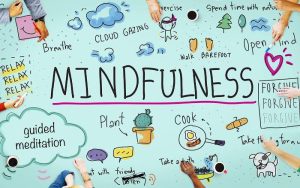
Mindfulness means living in the present moment. Essentially, it means being (intentionally) more aware and awake to each moment and being fully engaged in what is happening in one’s surroundings with acceptance and without judgment.
Mindfulness has its roots in Buddhist meditation. In recent years, mindfulness has become a household term. Mindfulness programs are now commonly found in schools, workplaces, and hospitals.
What is Meditation?
Relevance of Meditation and Mindfulness
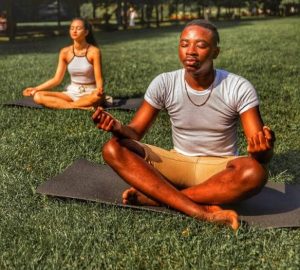
Among, if not the greatest art in life, meditation is one of the best. Because love exists in the comprehension of meditation, and love is not the result of routines, habits, or methodical application. One cannot grow love via contemplation. Perhaps total solitude is the best environment for love to blossom. And the understanding of the nature of its movement, as thought and feeling, is a prerequisite for the mind becoming silent. How to Start a Meditation Practice.
Summary
You become aware of your thoughts, emotions, sensations, environment, and both internal and exterior activity. You observe these times without making any judgments. This is what we call awareness. It can be difficult to focus on current events. Often, we discover ourselves

Measuring Drapes and Upholsteries. For draperies, measure the width of your rod and multiply the result by 1.5 to 3 for fullness. For curtains that “float” slightly above the ground, deduct 1/2 inch from the length measured from the rod to the floor. Measure the item’s broadest points (length, width, and height) and add seam allowances for upholstery.
MEASURING DRAPES AND UPHOLSTERIES
Use a flexible tape measure to measure each component of your furniture independently. On paper, label each section (e.g., inner back, seat, arms). For tucks and seams, increase your width and height measurements by at least 4 inches. Purchase an additional 10% to 15% of cloth for mistakes and designs. To estimate how much upholstery fabric you will need, a yardage chart is a great place to start if you want to attempt doing it yourself.
How Much Fabric IS Needed?

Start an upholstery project, run out of fabric, more of the exact same fabric, there are few things worse than that. For this reason, it is essential to be able to anticipate how much material you will require. There are a few fundamental guidelines to go by, though there will be a lot of variety based on the kind of furniture you are covering:
1.Measure each cushion’s length and width starting at the seam and working your way outward. Make sure you measure the side panels as well, and remember to give one inch for seam allowances. Covering one sofa cushion typically requires two yards of cloth.

Measuring Drapes and Upholsteries
2.Proceed to measure the sofa’s back from seam to seam. Once more, add one inch to the length and breadth of the couch for seam allowances. Take measurements of the sofa’s front width and length.
3.After that, measure the seating area’s exterior and inside after removing the cushions.
4.To calculate the yardage, take your figures and divide them by 3
5.Remember that upholstery fabric typically measures 54 inches in width.
Calculate The Amount Of Fabric;

Measuring Drapes and Upholsteries
Will Need The method for calculating fabric yardage for sofas and chairs is similar. Measure the piece’s length and width first. Measure the sides, back, and front, and don’t forget to account for seam allowances by adding one inch. After that, measure the frame, taking into consideration any places that have cloth covering them. Determine the overall length and width of the couch.
Summary
measurements for upholstery and drapes. Reupholstering couches and chairs is a great way to revitalize worn-out furniture. However, this undertaking is far from simple.Since determining fabric yardage for upholstery needs specialized knowledge, it is recommended to leave this project to the experts.

Torchlight Selection

Best Practices for Face Exfoliation

Chemical Face Exfoliation

A Step-by-Step Guide to Deleting Reels on Instagram

A Comprehensive Guide to Setting Up a YouTube Premiere