Citrus
Blood Limes Citrus

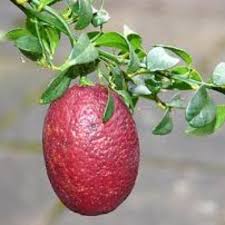
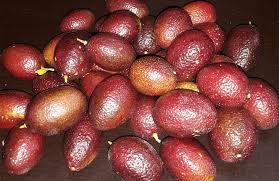
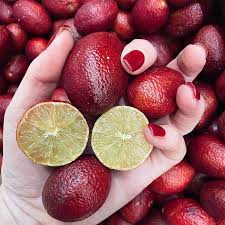
Blood limes citrus. The Australian blood lime is a rare hybrid citrus that is widely appreciated for both its eye-catching burgundy-red color and its peculiar sweet-sour flavor, which combines the tartness of a lime with sweet mandarin undertones. It is a widely used gourmet ingredient in contemporary cooking. Because blood limes are abundant in vitamin C, antioxidants, and fiber, they can help with digestion, skin health, and immunity. They are also low in calories, may help avoid kidney stones, and aid in the absorption of iron.
BLOOD LIMES CITRUS
Blood limes are an intriguing addition to the culinary world because of their alluring blend of rich flavor and aesthetic appeal. This fruit is a monument to the variety and inventiveness within the citrus family, whether it is employed in culinary cuisine or savored for its health advantages.
Appearance and Flavor;

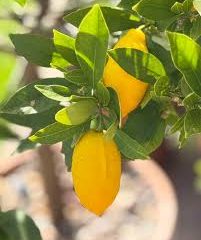
blood limes, are small, typically about the size of a grape, and feature a thin, reddish-brown skin that resembles a blood orange. When cut open, they reveal a juicy, deep crimson interior. This vivid coloration is a result of the fruit’s anthocyanin content, which is also found in other red-hued fruits like cherries and berries. The flavor of blood lime is a tangy blend of lemon and lime, with a slight sweetness and a hint of bitterness. This makes it an excellent addition to both sweet and savory dishes.
Culinary Uses;

BLOOD LIMES CITRUS
In the kitchen, blood lime can be used in a variety of ways. Its tartness makes it ideal for enhancing cocktails, salads, and seafood dishes. The vibrant juice can add a splash of color and a burst of flavor to desserts and sauces. Additionally, the zest of the blood lime can be used to infuse dishes with a more subtle citrus note.
Health Benefits;
BLOOD LIMES CITRUS
Like other citrus fruits, they are rich in vitamin C and antioxidants. These nutrients are beneficial for immune health, skin vitality, and overall well-being. The antioxidants in blood limes help combat free radicals, potentially reducing the risk of chronic diseases and promoting healthier aging.
Cultivation and Availability;

BLOOD LIMES CITRUS
Blood limes are primarily grown in Australia but have also been cultivated in other subtropical regions. They are typically available at specialty markets or through online retailers. Due to their unique characteristics and limited growing regions, blood limes can be more expensive than other citrus fruits.
Summary
A hybrid of the finger lime (Citrus australasica) and the common lime (Citrus aurantiifolia), blood limes are a colorful and unique citrus fruit. This fruit, which is native to Australia, is distinguished by its eye-catching beauty and nuanced flavor.
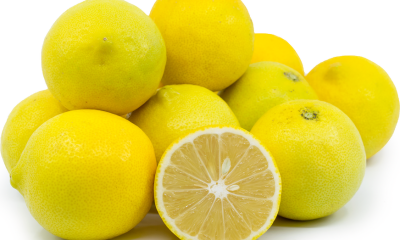



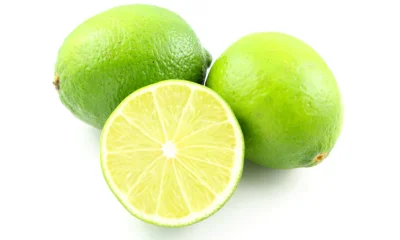

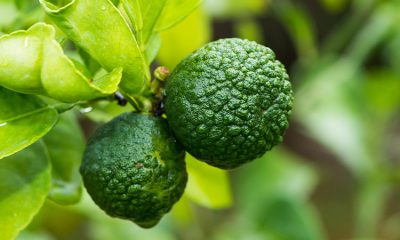




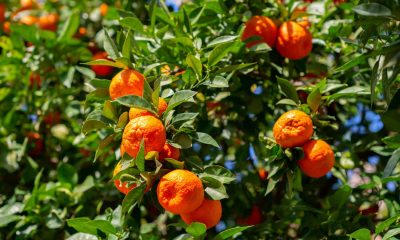


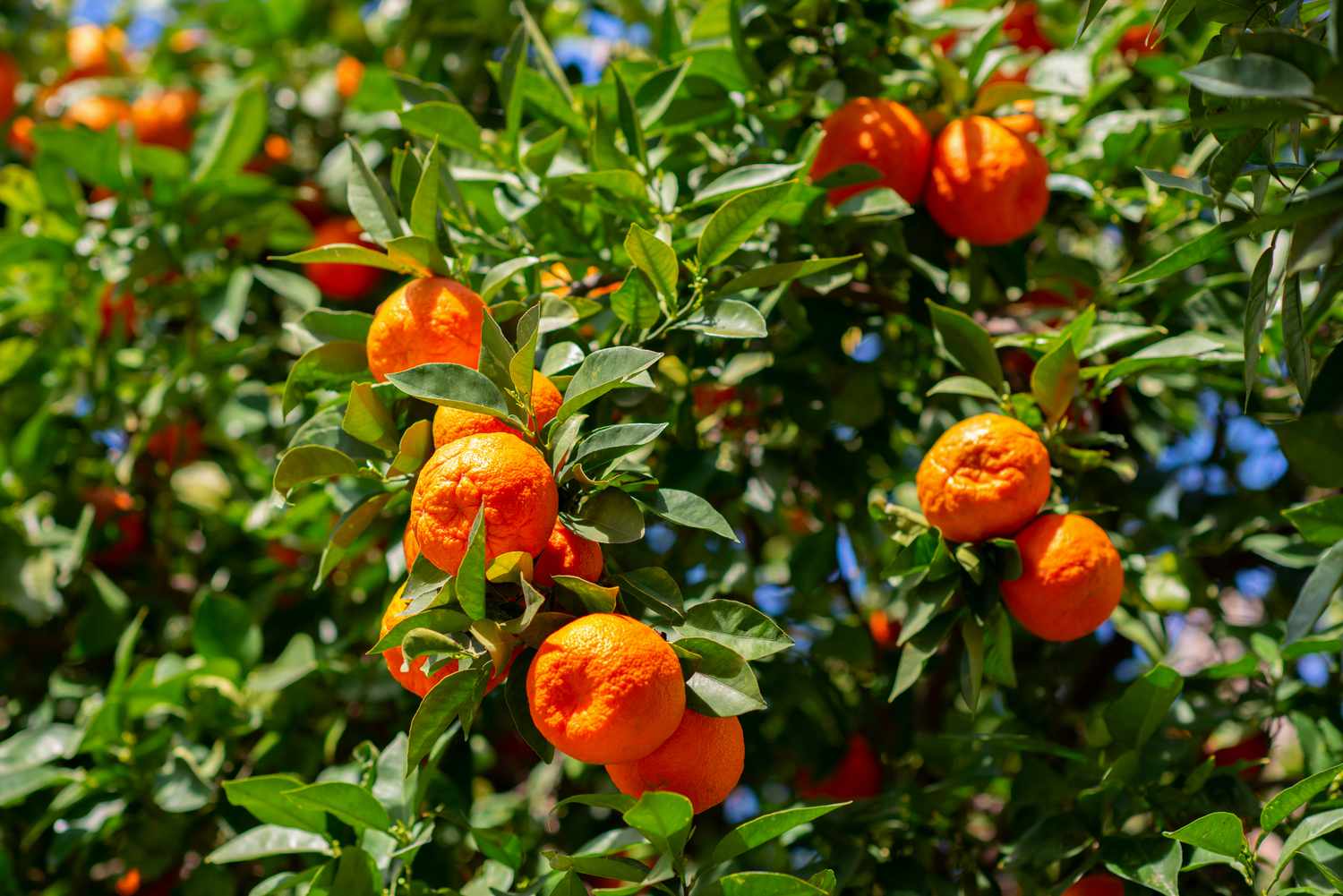
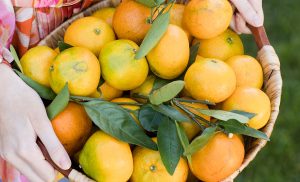
Satsuma citrus fruits. They are pleasant and nutrient-dense citrus fruits, distinguished by its seedlessness, easy-to-peel skin, and sweet flavor. They are a fantastic addition to a variety of meals and snacks because of their adaptability. Regular consumption of satsumas can improve your diet due to their many health advantages and fresh flavor.The superior flavor of the Owari Satsuma mandarin is highly valued. Usually juicy and sweet, the fruit has a little hint of tartness.
SATSUMA CITRUS FRUITS
Satsuma citrus fruits are a variety of seedless, easily peeled mandarin oranges that are valued for their light flavor and sweet, soft flesh. Their characteristic “zipper-skin” is loose and leathery, which makes peeling them a breeze. Because of their delicate nature, they are frequently sold as canned mandarins and are widely regarded as one of the sweetest citrus fruits, despite their occasional little acidity.
Characteristics;
Satsuma oranges are typically small to medium-sized, with a bright orange, thin skin that peels off effortlessly. They are known for their loose skin, which separates easily from the segments, making them ideal for snacking. The fruit’s flesh is tender, juicy, and sweet, with a subtle tang that enhances its flavor profile. Satsumas are usually seedless, which adds to their convenience and appeal.
Nutritional Benefits;

SATSUMA CITRUS FRUITS
Satsuma oranges are a nutritious choice, offering several health benefits. They are an excellent source of vitamin C, which supports immune function, skin health, and overall vitality. In addition to vitamin C, satsumas provide dietary fiber, which aids digestion and helps maintain healthy cholesterol levels. They also contain antioxidants that help combat oxidative stress and contribute to overall health.
Culinary Uses;

SATSUMA CITRUS FRUITS
Also, satsumas are versatile in the kitchen. Their sweet and juicy segments can be enjoyed fresh, added to salads, or used as a topping for yogurt and desserts. Satsuma juice is a refreshing beverage that can be used in cocktails, marinades, and dressings. The fruit’s zest can also be incorporated into various recipes to add a hint of citrus flavor.
Selecting and Storing;

When selecting satsumas, look for fruits that are firm, heavy for their size, and have a vibrant, unblemished skin. Avoid satsumas with soft spots or signs of mold. They can be stored at room temperature for up to a week or in the refrigerator for up to two weeks to maintain freshness. To extend their shelf life, keep them in a perforated plastic bag in the crisper drawer.
Summary
Satsuma oranges, also just called satsumas, are a type of mandarin orange that is prized for its sweet taste, seedlessness, and easy-to-peel skin. This citrus fruit, which is native to Japan, is prized for its ease of use and cool flavor. Citrus lovers love it because of its flavor, which is frequently described as a balance between sweet and acidic.
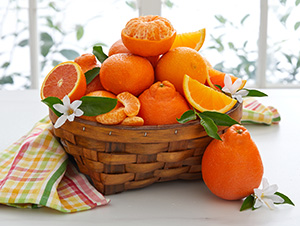
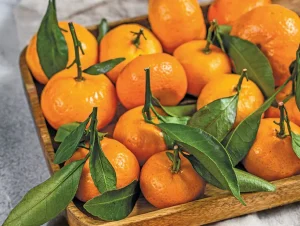
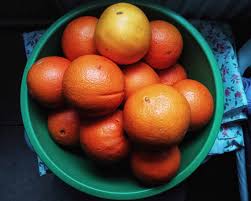
Honey tangerines citrus. These are little, flattened oval-shaped citrus fruits. Their surface is pebbled due to their thin, pale orange rinds with noticeable oil glands. The rind’s volatile oils release a pleasing scent. The luscious, pale orange flesh is loosely linked to the rind. These Florida citrus fruits are incredibly sweet, juicy, and delectable, with a hint of honey. However, as they are an early-season tangerine, they won’t last long, so seize them now.
HONEY TANGERINES CITRUS
Celebrated for their sweet taste, juiciness, and easy-to-peel skin, honey tangerines are a pleasant and nourishing citrus fruit. They are a fantastic addition to many different cuisines and snacks because of their adaptability. Enjoying honey tangerine has several health advantages and can give your diet a hint of sweetness.
Characteristics;
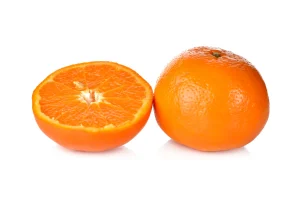
Honey tangerines are typically small to medium-sized, with a bright orange skin that is smooth and easy to peel. Their flesh is juicy, tender, and exceptionally sweet, which sets them apart from other citrus fruits. The fruit is usually seedless or has very few seeds, making it a convenient choice for snacking and adding to dishes.
Nutritional Benefits;
HONEY TANGERINES CITRUS
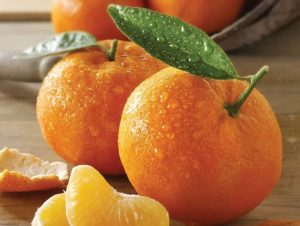
Honey tangerine is not only delicious but also packed with essential nutrients. They are an excellent source of vitamin C, which supports immune health, skin vitality, and overall well-being. In addition, honey tangerines provide dietary fiber, which aids in digestion and helps maintain healthy cholesterol levels. They also contain antioxidants that contribute to overall health and help protect against oxidative stress.
Culinary Uses;

HONEY TANGERINES CITRUS
The sweet and juicy nature of honey tangerines makes them versatile in the kitchen. They can be enjoyed fresh, added to salads, or used as a topping for yogurt and desserts. Honey tangerine juice is a refreshing alternative to other citrus juices and can be used in cocktails, marinades, and dressings. The zest of honey tangerines can also be used to enhance the flavor of various recipes.
Selecting and Storing;
HONEY TANGERINES CITRUS
When choosing honey tangerine, look for fruits that are firm, heavy for their size, and have a vibrant, unblemished skin. Avoid tangerines with soft spots or signs of mold. Honey tangerines can be stored at room temperature for up to a week or in the refrigerator for up to two weeks to maintain freshness. To extend their shelf life, keep them in a perforated plastic bag in the crisper drawer.
Summary
Honey mandarins, often referred to as honey tangerines, are a well-liked tangerine cultivar that is well-known for its incredibly juicy and sweet flavor. These tiny citrus fruits are native to Japan and have gained popularity due to their delicious flavor and easily peeled skin.

Airline Travellers and Baggage Allowances

First Time Travellers and Airline Policies

Plane Tickets Relevance

A Step-by-Step Guide to Deleting Reels on Instagram

How to Create a WhatsApp Group