Breast health
Breast Lump Natural Remedies

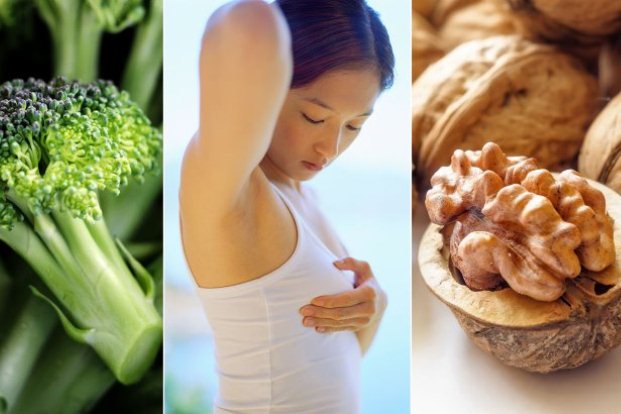
Breast Lump Natural Remedies. These natural therapies should not be used in place of medical guidance, even if they can help reduce discomfort and promote breast health. Before beginning any new treatment, especially if you find a breast lump, always speak with your healthcare practitioner. Frequent check-ups and self-examinations are essential for the early identification and management of any possible problems.
BREAST LUMP NATURAL REMEDIES
Although seeing a breast lump can be frightening, it’s crucial to keep in mind that the majority of breast lumps are benign and unrelated to cancer. Some natural treatments for breast lumps may help reduce discomfort and promote general breast health, but it’s crucial to see a doctor to rule out serious diseases. The following four natural methods could help treat benign breast lumps:
1. Warm Compresses;
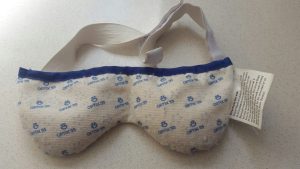
A warm compress is a Remedies for breast lumps because it can help reduce pain and swelling associated with breast lumps, especially if the lump is related to cysts or infections like mastitis. Applying heat increases blood circulation to the area, promoting healing and reducing discomfort. To use a warm compress:
– Soak a clean cloth in warm (not hot) water.
– Wring out the excess water and apply the cloth to the affected area for 10-15 minutes.
– Repeat this process 2-3 times a day.
2. Evening Primrose Oil;
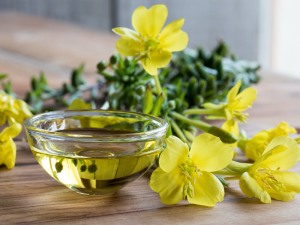
Evening primrose oil is rich in gamma-linolenic acid (GLA), an essential fatty acid that may help reduce breast pain and discomfort associated with fibrocystic changes. Some studies suggest that GLA can balance hormones, which might alleviate symptoms related to breast lumps that fluctuate with the menstrual cycle. You can take evening primrose oil in capsule form or apply it topically:
– Take 1,000-2,000 mg of evening primrose oil daily, but consult your doctor before starting any supplement.
– For topical use, gently massage evening primrose oil onto the breast area.
3. Flaxseed;
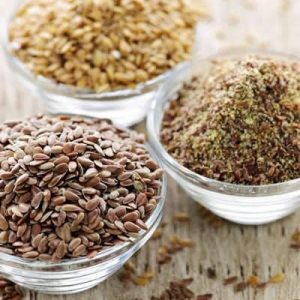
Flaxseed is known for its high content of omega-3 fatty acids and lignans, which have anti-inflammatory and hormone-balancing properties. These nutrients may help manage breast pain and reduce the size of certain types of benign breast lumps, such as those associated with fibrocystic breast changes. To incorporate flaxseed into your diet:
– Add 1-2 tablespoons of ground flaxseed to your smoothies, yogurt, or cereal daily.
– Drink plenty of water when consuming flaxseed, as it is high in fiber.
4. Castor Oil Packs;
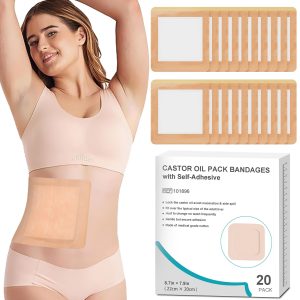
Breast Lump Natural Remedies
Castor oil is often used in natural remedies for its anti-inflammatory and lymphatic-stimulating properties. A castor oil pack can help relieve pain and reduce the size of breast lumps by improving circulation and promoting the elimination of toxins. To make a castor oil pack:
– Soak a clean cloth in cold-pressed castor oil.
– Place the cloth on the affected breast, cover it with plastic wrap, and apply a warm compress over it.
– Leave it on for 20-30 minutes, then remove and clean the area with warm water.
– Use this remedy 3-4 times a week.
Summary
Only non-cancerous conditions like fibrocystic alterations (lumpy tissue) or cysts (fluid sacs) can be treated with natural therapies. Cancer cannot be cured by them. To determine the precise reason of the bump, always consult a physician first.

Understanding Breast Lumps. Numerous factors, the most of which are benign, can produce breast lumps. To rule out more serious illnesses like breast cancer, it’s crucial to be watchful and have any lumps examined by a medical specialist. Maintaining breast health and identifying any possible problems early on requires routine self-examinations and mammograms, as advised by your physician.
UNDERSTANDING BREAST LUMPS
Numerous factors can contribute to breast lumps. They are frequently brought on by benign conditions including a build-up of fluid (breast cyst) or a non-cancerous tissue development (fibroadenoma). A breast lump may occasionally indicate a serious condition like breast cancer.
Common Causes;
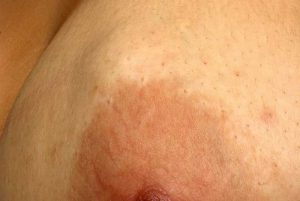
1. Fibroadenomas: These are non-cancerous, solid lumps that are common in women under 30. Fibroadenomas are typically round, firm, and move easily under the skin. They can vary in size and may feel like a marble in the breast tissue. While they are benign, any new or unusual lump should be evaluated by a healthcare provider.
2. Cysts: Breast cysts are fluid-filled sacs that can develop in the breast tissue. They are often soft or firm and can be tender, especially before menstruation. Cysts are usually benign and are more common in women over 40. They may fluctuate in size with your menstrual cycle.
3. Fibrocystic Changes: This condition involves the development of lumps, tenderness, and discomfort in the breasts, often related to hormonal changes during the menstrual cycle. Fibrocystic changes are benign and can cause breast tissue to feel lumpy or rope-like, particularly in the upper, outer areas of the breasts.
4. Infections (Mastitis): An infection in the breast, often associated with breastfeeding, can cause a painful lump. This condition, known as mastitis, can lead to swelling, redness, and warmth in the affected area. It typically requires treatment with antibiotics.
5. Breast Cancer:
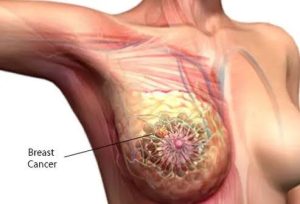
Understanding Breast Lumps
While most breast lumps are not cancerous, some can be a sign of breast cancer. Cancerous lumps are often hard, irregular in shape, and immovable, though this is not always the case. Any persistent lump or one that is accompanied by other symptoms like nipple discharge, changes in the breast skin, or changes in the size or shape of the breast should be promptly evaluated by a doctor.
When to Seek Medical Attention;
It’s essential to have any new or unusual breast lump checked by a healthcare provider, especially if it:
– Persists for more than a few weeks.
– Feels hard or fixed in place.
– Is associated with skin changes, such as dimpling, redness, or thickening.
– Is accompanied by nipple discharge, particularly if it’s bloody or clear.
– Causes changes in the size or shape of the breast.
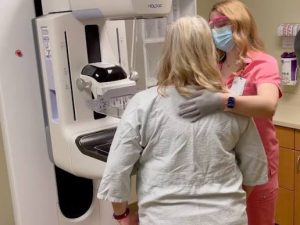
Understanding Breast Lumps
Early detection of breast cancer significantly improves the chances of successful treatment, so it’s crucial not to delay seeking medical advice.
Summary
Although discovering a breast lump can be frightening, it’s crucial to keep in mind that the majority of breast lumps are not malignant. Understanding the various possible causes of breast lumps can help reduce your anxiety and direct you toward the right treatment.
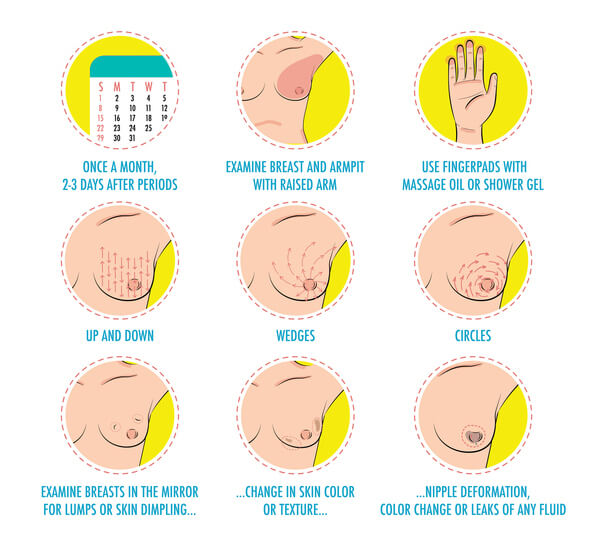
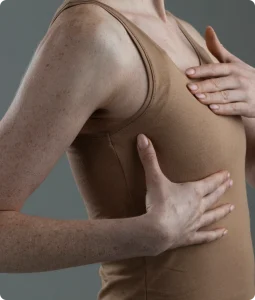
Tips for self breast examination. A proactive approach to maintaining awareness of your breast health is to perform routine self-examinations. It’s important to report any abnormalities to your healthcare physician for additional assessment, even though the majority of changes you may notice or feel during a self-examination are not malignant. Recall that self-breast examination should be a component of a more comprehensive approach to breast health, which should also include routine screenings such as mammograms
and professional examinations as advised by your physician. Self-awareness is a crucial skill for preserving your general health since early detection is essential for the successful treatment of breast cancer.
TIPS FOR SELF BREAST EXAMINATION
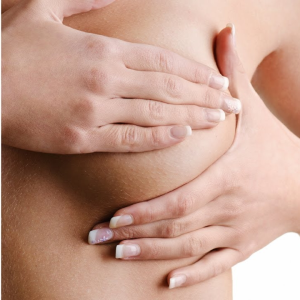
Effective self-breast exams involve using your finger pads (light, medium, firm pressure) in systematic patterns (circular, vertical strips) to cover the entire breast and armpit area, both manually (lying down and in the shower) and visually (in the mirror with arms up or down). You should also learn your normal to spot changes like lumps, skin dimpling, or nipple changes, and you should notify your doctor right away if you notice anything out of the ordinary.
1. Start with a Visual self-breast Examination;
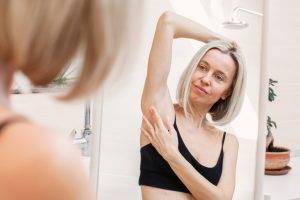
– Stand in front of a mirror with your shoulders straight and your arms on your hips.
– Look at your breasts for any visible changes, such as differences in size or shape, dimpling of the skin, or changes in the nipple (like inversion or discharge).
– Raise your arms and look for the same changes, paying attention to both breasts.
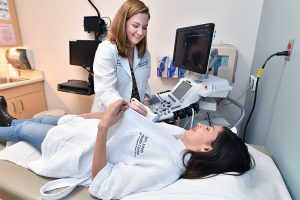
2. Examine your breast while lying down;
TIPS FOR SELF BREAST EXAMINATION
– Lie down on your back, which helps spread the breast tissue evenly over your chest, making it easier to feel for lumps.
– Use your right hand to examine your left breast and your left hand to examine your right breast.
– With the pads of your fingers, use a circular motion to feel the entire breast from top to bottom, side to side—from your collarbone to the top of your abdomen, and from your armpit to your cleavage.
– Follow a pattern to ensure you cover the entire breast. You can use vertical lines (up and down), circular motions (starting at the nipple and moving outward), or wedge patterns (from the nipple outward).
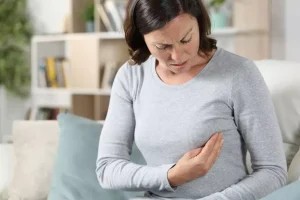
3. Feel for Changes While Standing or Sitting;
TIPS FOR SELF BREAST EXAMINATION
– Some women find it easier to feel changes in their breasts when their skin is wet, so this step can be done in the shower.
– Using the same hand movements described above, examine your breasts while standing or sitting.
4. Know What to Look out for;
TIPS FOR SELF BREAST EXAMINATION
– Lumps or thickened areas that feel different from the rest of the breast tissue.
– Changes in the size, shape, or appearance of the breast.
– Nipple discharge that occurs without squeezing.
– Any new, persistent pain in one spot that doesn’t go away.
– Redness, scaliness, or thickening of the nipple or breast skin.
5. Report Any Changes to a Healthcare Provider;
– If you notice any changes or unusual findings during your self-examination, it’s important to contact your healthcare provider promptly. Early detection of breast cancer can significantly improve treatment outcomes.
Summary
An essential procedure for early breast cancer screening is doing a natural or self-breast inspection. It can help you become comfortable with how your breasts typically feel and appear, making it easier to spot any changes, but it shouldn’t be used in place of routine screenings by a medical professional. Above are detailed tutorial on how to conduct a self-breast examination:

Earth Frozen Frontiers

Natural Majestic Wonders

Daily Life Hacks

A Step-by-Step Guide to Deleting Reels on Instagram

A Comprehensive Guide to Setting Up a YouTube Premiere