Children
Childhood Illness

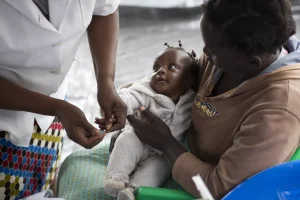
Childhood illness. Many common ailments in children can be treated at home. You can also ask your doctor, pharmacist, or health visitor for advice.Trust your intuition, even if it might be difficult to determine when a newborn or toddler is gravely ill. Help should be sought right away if your child is very ill. To ensure your child is receiving the best care possible, it is crucial for parents to be informed about the most recent treatment guidelines.
CHILDHOOD ILLNESS
Many common kid ailments can be treated at home. Your doctor, pharmacist, or health visitor may also be able to offer guidance. When an infant or toddler is very sick, it can be difficult to know, but follow your gut. If your child is very ill, get care right away. Every youngster should have access to top-notch healthcare.
1. Sore Throat;

Children frequently get sore throats, which can be quite painful. Antibiotics are not necessary for a viral sore throat, though. In certain circumstances, your child should recover in seven to ten days without the need for any special medication. In some situations, a streptococcal infection (strep throat) may be the source of a painful throat.
2. Ear Pain;
Children frequently experience ear discomfort, which can stem from various factors such as an ear infection (otitis media), swimmer’s ear (a skin infection in the ear canal), pressure from a cold or sinus infection, pain from teeth that travels up the jaw to the ear, and more. Your child’s ear will need to be examined by your pediatrician in order to make the distinction. Actually, the most accurate approach for your pediatrician to diagnose you is still through an in office examination.
3. Urinary Tract Infection;

CHILDHOOD ILLNESS
Bacteria accumulate in the urinary tract and cause bladder infections, often known as urinary tract infections or UTIs. Children as young as infants, adolescents, and adults can all get a UTI. Abdominal pain, side or back pain, frequent or urgent urination, bed wetting, or accidents by a youngster who knows to use the restroom are all signs of a urinary tract infection (UTI).
4. Skin Infection;

CHILDHOOD ILLNESS
The majority of children with infections may require a skin test ( swab or culture) in order to identify the best course of action. Inform your physician of your kid has ever had an MRSA, staph, or other resistant bacteria infection; also let them know if they have come into touch with any other family members or contacts who have resistant bacteria.
5. Common Cold;

CHILDHOOD ILLNESS
Viruses in the upper respiratory tract produce colds. A lot of young kids especially those who are in daycare can have six or eight colds annually. A cold symptoms, which can include congestion, runny nose and cough, can linger for up to 10days.
Summary
Children are exposed to numerous common ailments as they mature and develop. Every child gets sick occasionally, but many will recover on their own and are readily cared for at home.






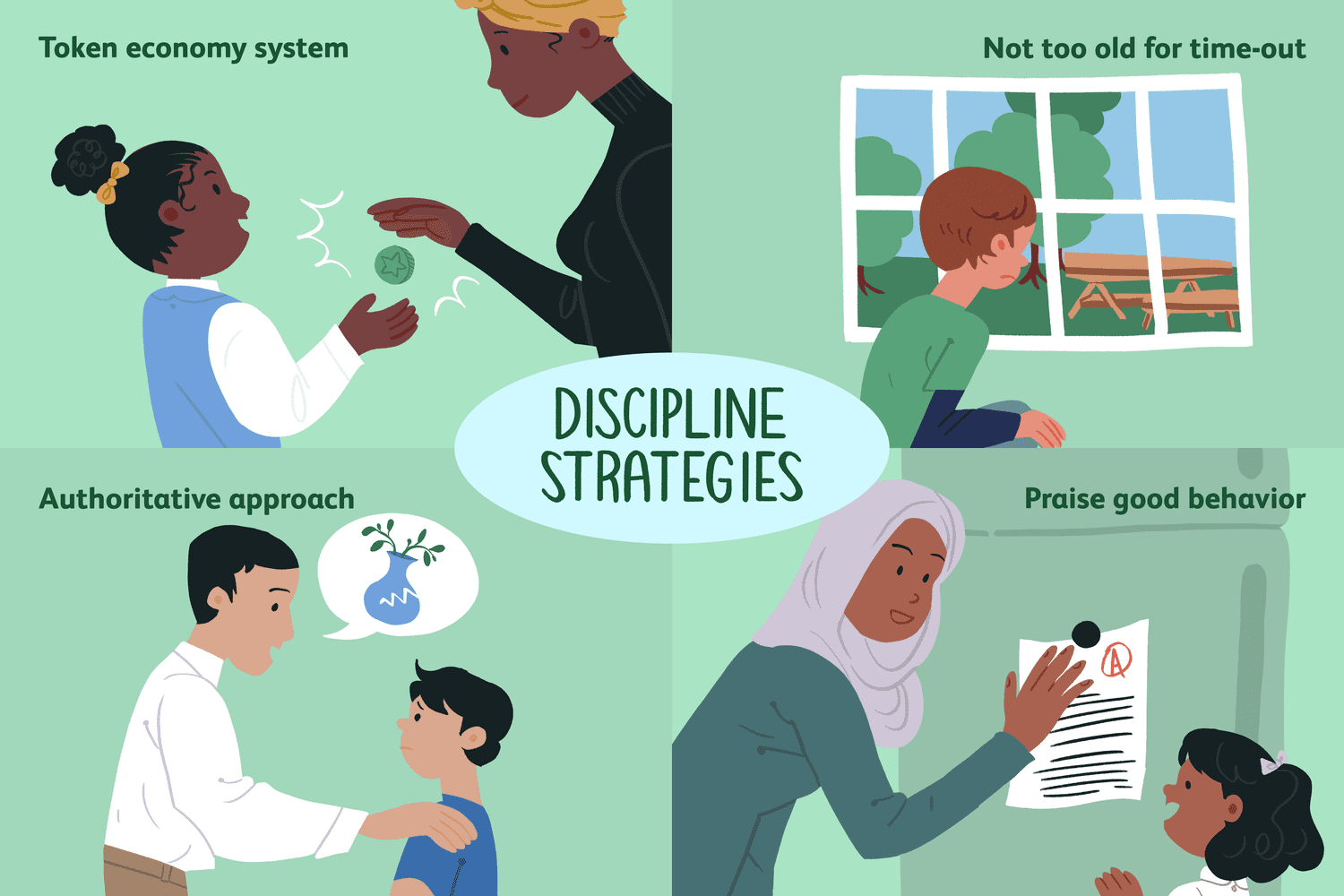
Tips on child discipline. Raising their children is a difficult duty that every parent must undertake. Parents have a significant impact on a child’s whole personality; raising a child fosters moral and ethical development as well as growth and worldly knowledge. It takes patience and deidentification to raise a child; it’s not a straight line with many ups and downs. Teaching children discipline simply entails keeping an eye on their every action or conduct or disciplining them when they make mistakes. Discipline entails establishing boundaries, teaching morality, and guiding conduct in order to assist a youngster in becoming responsible.
TIPS ON CHILD DISCIPLINE
Child discipline entails teaching kids self-control, morals, and proper behavior through techniques like establishing clear expectations, employing regular routines, praising good behavior, and enforcing calm, reasonable consequences. It avoids physical or severe verbal punishment in favor of encouraging positive habits and respect for one another for long-term growth. Setting a good example, knowing when to set boundaries, and making it clear what behavior is acceptable and what is desired are all effective tactics.
Guidelines;
1. Addition of a desired stimulus increases the likelihood of behavior through the use of positive reinforcement. For example, if a child turns in his homework on time each time, he gets sweets. Children’s desirable conduct can be increased by using positive reinforcement.
2) Establish, Clearly Stated Expectations:

Explain to your kids what is expected of them. When instilling discipline, parents sometimes need to let their kids know what is expected of them. In order for people to feel at ease with you, your words should be repeated often.
3) Modeling Behavior:
Parents serve as a child’s primary role model for character and personality development because children always learn by watching others, especially their parents. Their capacity to pick up discipline from their parents is no different. Parents set a good example for their children by prioritizing a regulated routine in their own lives.
4) Explain the ramifications using logic:

Tips on child discipline
Permit the kids to acquire knowledge about causes and consequences. It implies they ought to understand the consequences of their behavior and deeds. Regardless of their disposition, kids ought to understand how to safely regulate their behaviors.
5) Give a justification for the regulations;
A youngster may become confused just by being given rules and laws. Rather, always explain to the child the reasoning behind your reasoning using basic logic. It will make it easier for them to cooperate.
6) Good communication:
Tips on child discipline
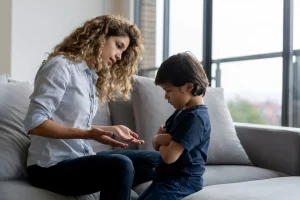
Every relationship needs to be maintained through communication. A child’s self-esteem is enhanced through honest and constructive conversation. acknowledging their thoughts and feelings while also paying attention to them. A positive approach to discipline
Summary
Using regular routines, explicit expectations, and positive reward to direct behavior, effective child discipline emphasizes teaching rather than punishing. Important tactics for creating a solid, healthy relationship include establishing three to five basic rules, employing natural consequences, and giving each other five to twenty minutes of your whole attention each day.
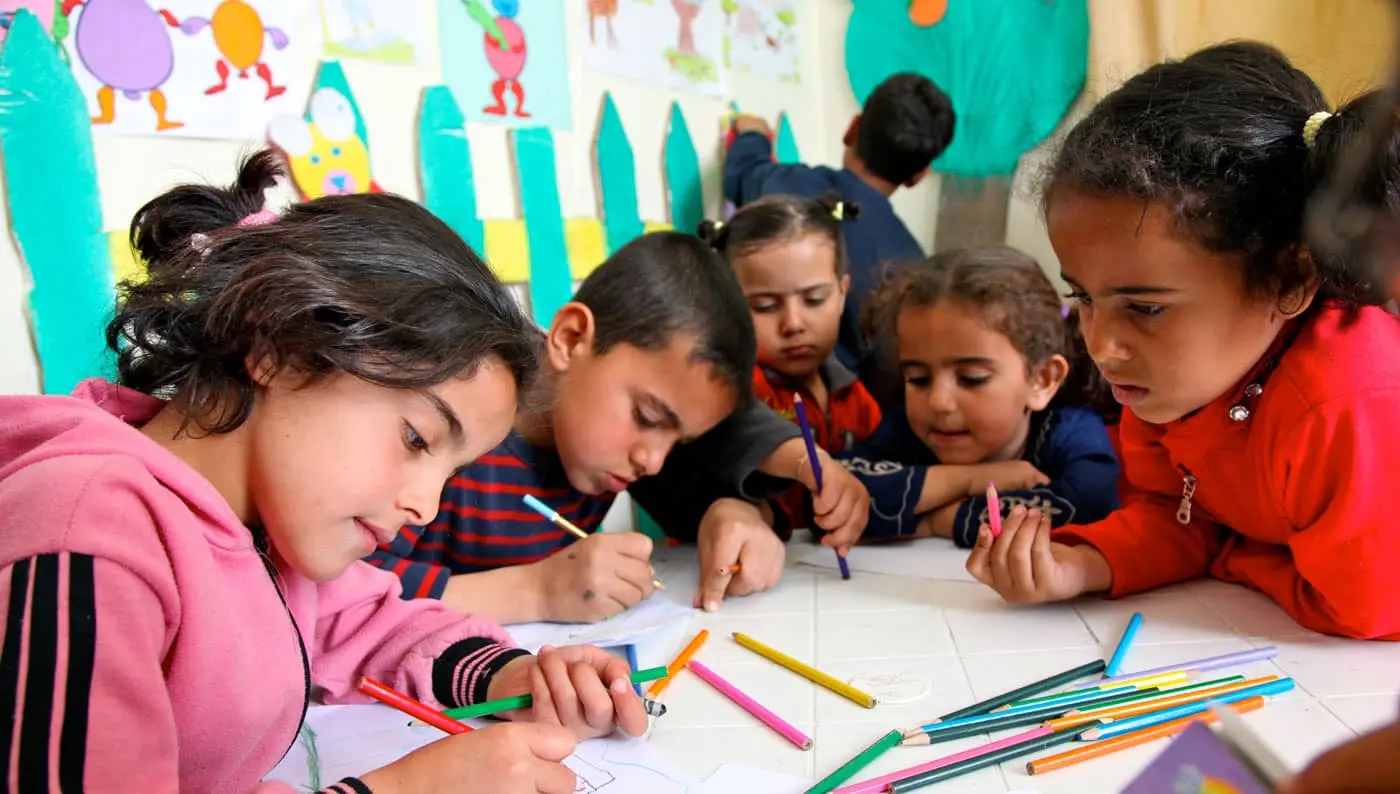
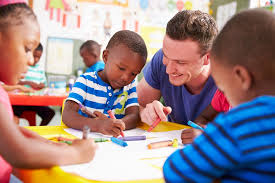
What is cildren education?. In settings like preschool, kindergarten, and daycare, childhood education, also known as Early Childhood Education (ECE), refers to the structured learning, care, and experiences for children from birth to roughly age eight. It focuses on holistic development (social, emotional, physical, and cognitive) to build foundations for future learning and success through play, care, and early academic skills. The cornerstone abilities for lifelong learning and health are developed during this crucial time of fast brain development, which frequently involves caregivers acting as first teachers.
WHAT IS CHILDREN EDUCATION?
Children’s education is essential because it develops fundamental cognitive, social, and emotional skills, encourages critical thinking, creativity, and resilience, prepares them for future civic, professional, and academic responsibilities, lessens inequality, and fosters healthier, more prosperous communities. It is an investment in both human and societal development since it enables people to comprehend the world, grow in self-worth, and become engaged, productive members of society.
Why is it important?
1. Foundation for Future Learning:
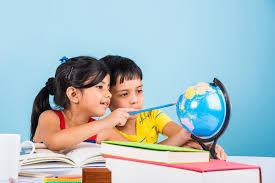
By encouraging curiosity, critical thinking, and a love of learning, early education sets the groundwork for a child’s lifetime learning journey. Cognitive Development: Getting a good education improves cognitive abilities including memory, reasoning, and problem-solving, all of which are essential for both academic and personal success.
2. Socialization:
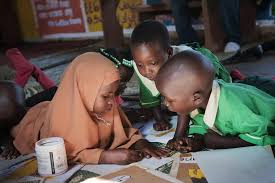
School settings give kids the chance to engage with classmates, hone their social skills, and discover cooperation, empathy, and dispute resolution. Personal development: Child education promotes self-worth, resiliency, and the capacity to establish and meet objectives.
3. Understanding diverse cultures;
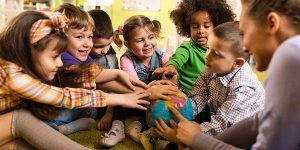
What is children education?
history and viewpoints foster open-mindedness and equip kids to live as global citizens in a connected world. This is known as global awareness. employment options: A child’s quality of life is eventually improved by a solid education, which opens doors to better employment options and higher earning potential.
4. Health and Well-Being:
Education provides children with vital life skills, such as health literacy, which empowers them to make knowledgeable decisions regarding their health. Improving Poverty: Since educated people are more likely to be able to find steady work and support economic progress, education can be a very effective instrument in ending the cycle of poverty.
5. Innovation and Advancement:
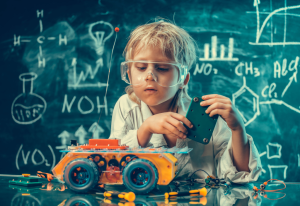
What is children education?
However, those with education propel innovation and advance society by bringing new perspectives, cutting-edge research, and specialized knowledge from a variety of backgrounds. Setting Up a Strategic Plan for Your Child’s Dreams Careful preparation is the first step in protecting your child’s future. To begin with, try to comprehend the goals and desires of your child. Do they intend to pursue further education? Do they intend to pursue a specific career path? T
6. Start Early and Invest Wisely;
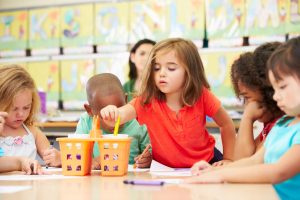
What is children education?
When it comes to investing, time is your strongest ally. Your investments have more time to develop and compound if you start early. Over time, even modest payments might add up to a sizable amount. child development.
Summary
Also, child education is the process of supporting children’s learning and development, often from early infancy to puberty. Among other stages, it covers early childhood education, primary education, and secondary education. Early childhood education aims to provide young children with the experiences, values, knowledge, and skills they need to develop into well-rounded individuals and active members of society.
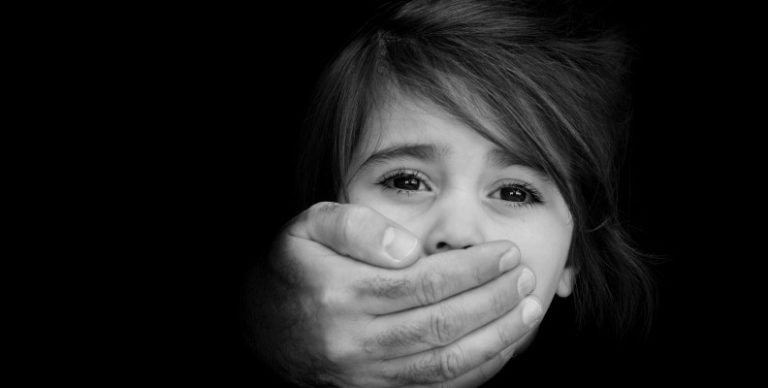
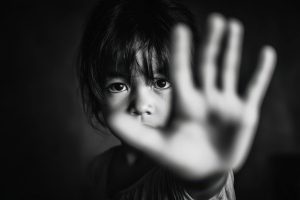
Child exploitation. When a person or group uses an imbalance of power to coerce, manipulate, or trick a person under the age of eighteen for financial gain, sexual fulfillment, labor, or personal profit, it is considered child exploitation, a severe form of child abuse. It can take many forms, including child sexual exploitation (CSE), child criminal exploitation (CCE), and child trafficking, and it can happen in person or online.
CHILD EXPLOITATION
A child’s growth, beliefs, sense of self-worth, and ability to function can all be severely impacted by child exploitation. A child’s mental and physical health may suffer long-term consequences due to the frequent and complex nature of abuse. Children and teenagers who are abused may experience the following psychological, emotional, and physical consequences.
1. Physical well-being;

Injuries from physical abuse of children can range from mild ones like abrasions or bruises to more serious ones like internal bleeding, deep cuts, or fractured bones. Long-term emotional harm may also follow these physical wounds.
2. Mental well-being;
Long into adulthood, the effects on a child’s mental health may continue. Mental health issues like post-traumatic stress disorder, attention deficit hyperactivity disorder (ADHD), anxiety, depression, and other mood disorders can be brought on by child abuse.
3. Childhood trauma;

A child who has experienced child abuse may develop problems with relationships, conduct, trust, and communication. Victims may be violent, confrontational, or prone to suicidal thoughts or drug and alcohol misuse. They could find it hard to pick things up or stay employed. They might also experience persistent worry and anxiety.
4. Brain development;
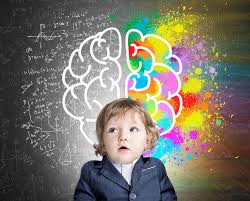
Abuse can have an impact on a child’s cognitive development and brain growth, leading to speech and language problems. Victims might experience learning disabilities or a reversal in their growth or skill set.
5. Problems in society;
Neglected and mistreated children frequently struggle with trust and are afraid. They could struggle with relationships and communication. They could be clinging, withdrawn, aggressive, nervous, or insecure.
6. Behavioral problems;

CHILD EXPLOITATION
Childhood and early adult behavioral problems can result from child maltreatment. A victim may experience emotional outbursts, mood swings, behavioral changes, depression, withdrawal, aggression, violence, hyperactivity, bedwetting, low self-esteem, etc. Adulthood may see some of these tendencies remain.
What symptoms indicate child exploitation?
CHILD EXPLOITATION
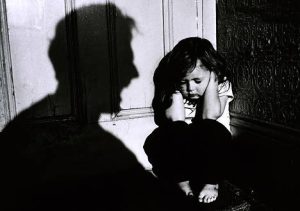
The age of the child and the kind of abuse they are experiencing determine the symptoms of child abuse. Some children may not exhibit significant outward symptoms, and a child’s display of these symptoms does not necessarily indicate that they are being mistreated.
Among them are;
- Physical wounds include fractures, bite marks, belt marks, and welts
- Damage to the genital area
- Clinging or withdrawing behavior; • Abrupt behavioral shifts; • Violent or aggressive behavior; • Risk-taking behaviors
- Explosions of emotion
Summary
A victim’s physical, emotional, and social well-being is negatively impacted by it and abuse for the rest of their lives. These impacts can occasionally be passed down through generations and can be both instant and long-lasting.

Holidays and Vacations

Bilingual Education Impacts

Career Tips

A Step-by-Step Guide to Deleting Reels on Instagram

How to Create a WhatsApp Group