clothing
Common Clothes Infections


Common clothes infections. One of the fundamental needs of humans is clothing, which serves the primary purpose of shielding body parts from the elements, friction, hot or cold temperatures, insects, and dust. But what if the disruption originates from the clothing itself? Research indicates that clothing can spread disease because it serves as a haven for microorganisms, particularly if it is not cleaned thoroughly and correctly. Janecek also disclosed that washing clothes with water alone is insufficient because the bacteria in the fibers will still be present.
COMMON CLOTHES INFECTIONS
While we often associate infections with exposure to germs in crowded places or unsanitary environments, we may overlook the potential for harmful bacteria and pathogens to reside within our own clothing. From everyday garments to workout attire, various fabrics can harbor microbes that pose health risks. Understanding the common infections that can be found in clothes is crucial for maintaining good hygiene and minimizing the spread of illness.
1. Staphylococcus aureus

COMMON CLOTHES INFECTIONS
This bacteria commonly resides on the skin and can cause infections when introduced through cuts, abrasions, or contact with contaminated surfaces, including clothing. Staph infections can manifest as skin abscesses, cellulitis, or more severe conditions like MRSA (Methicillin-Resistant Staphylococcus aureus).
2. Fungal Infections
Moisture-wicking fabrics used in activewear create an ideal environment for fungi to thrive, leading to conditions such as athlete’s foot, ringworm, and yeast infections. These fungal infections can be transmitted through direct skin contact with contaminated clothing or shared items like towels.
3. Norovirus

Norovirus, a highly contagious gastrointestinal virus, can survive on surfaces for days to weeks, including clothing. Contaminated garments, particularly those soiled with vomit or fecal matter, can harbor the virus and facilitate its transmission through contact with hands or other surfaces.
4. Respiratory Infections
Respiratory viruses like influenza and rhinovirus can persist on fabrics such as scarves, coats, and sweaters, especially during cold and flu season. Close contact with contaminated clothing or touching one’s face after handling soiled items can increase the risk of respiratory infections.
5. Mold and Mildew

Clothing stored in damp or humid conditions is susceptible to mold and mildew growth, which can cause allergic reactions and respiratory symptoms in sensitive individuals. Fabrics like cotton and wool are particularly prone to mold growth if not properly dried and stored.
6. Head Lice
Head lice infestations are not limited to hair and scalp; they can also spread through shared items like hats, scarves, and coats. Lice and their eggs (nits) can cling to fibers in clothing, leading to reinfestation if not properly treated.
7. Gastrointestinal Infections

Pathogenic bacteria like Escherichia coli (E. coli) and Salmonella can contaminate clothing through contact with contaminated surfaces or improperly washed hands. Ingestion of these bacteria via hand-to-mouth contact or food handling can result in gastrointestinal illnesses.
Preventing the spread of infections through clothing requires diligent hygiene practices and proper garment care:

– Wash clothes regularly: Launder garments frequently, especially underwear, socks, and activewear. Using hot water and detergent to kill bacteria and fungi.
– Dry clothes thoroughly: Ensure garments are completely dry before storing them to prevent mold and mildew growth.
– Practice good personal hygiene: Wash hands frequently, especially after handling soiled clothing or using shared items in public spaces.
– Avoid sharing personal items: Minimize the exchange of clothing, towels, and other personal items to reduce the risk of infection transmission.
– Disinfect high-touch surfaces: Clean and disinfect laundry baskets, hampers, and washing machines regularly to prevent cross-contamination.
Summary
By staying informed about the potential risks of infections in clothing and adopting proactive hygiene measures. Individuals can mitigate the spread of illness and maintain a healthy environment within their homes and communities.






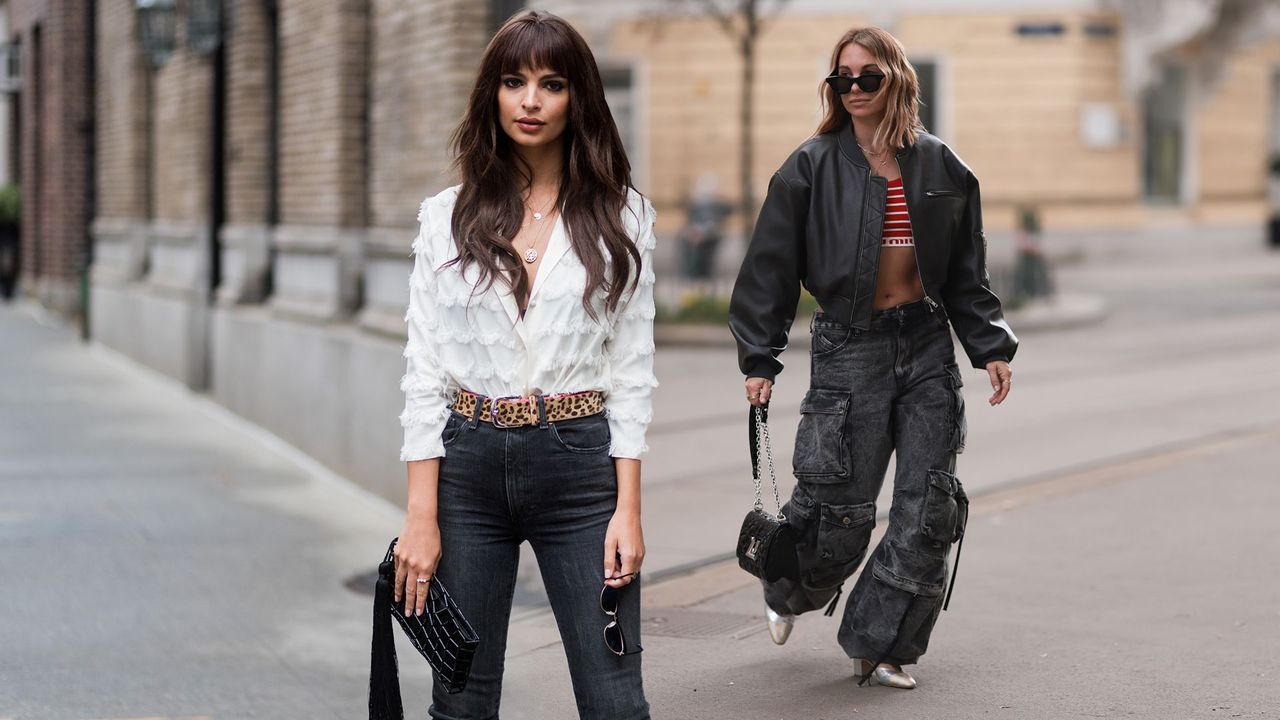
Comparing tight and oversized pants. It all comes down to your considerations when comparing tight and large pants: comfort versus silhouette. While baggy pants emphasize easy movement and produce an easygoing, high-fashion streetwear vibe, tight pants (such as skinny jeans or leggings) accentuate your body and fit neatly into boots.
COMPARING TIGHT AND OVERSIZED PANTS
Fashion is all about individual style and comfort, thus whether a woman or a man wears tight or oversized pants depends on personal desire. Some people find that wearing baggy pants makes them feel fashionable and self-assured.
Effects of wearing oversized and loose-fitting pants;
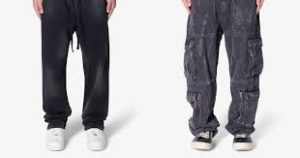
Comfort: As they provide more movement and breathability, loose and large clothing might be more comfortable to wear than clothing that is tightly fitted. In hot weather or when exercising, this can be especially helpful.
Versatility: Depending on the style and material, loose and oversized clothing can be worn for a variety of occasions, from casual outings to more formal events.
Confidence: Some people may feel more confident and at ease in their own skin when wearing loose and baggy clothes because they may feel less self-conscious about their body type or size.

Protection: As they can give coverage and lower the danger of sunburn or windburn, loose and large clothing can provide some protection from the sun, wind, and other environmental variables.
Fashion: Oversized clothes has become a popular trend in recent years, and it can be a simple way to put together a trendy and modern outfit. It can also be a means of expressing one’s originality and sense of style
Some people (guys and ladies) like wearing tight pants because they feel stylish and confident in them. It really depends on your own preferences and what makes you feel good.
Effects of wearing tight pants;
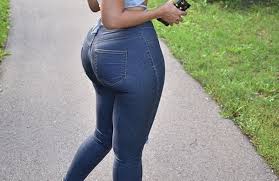
Comparing tight and oversized pants
Tight pants can have some effects, like restricting movement or causing discomfort if they’re too tight. It’s important to find the right balance between style and comfort. If you’re concerned about the effects, you can always try different styles and find what works best for you.
In putting on tight pants there can be a potential for discomfort and moisture buildup. It’s important to have proper ventilation to keep the area dry and prevent any potential issues. If you ever feel uncomfortable, it’s a good idea to choose clothing that allows for better airflow.
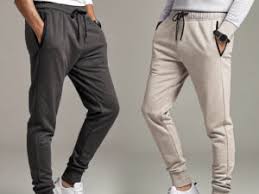
Comparing tight and oversized pants
Yes, moisture buildup can occur when there is limited airflow. This can potentially lead to discomfort or even skin irritation. It’s always good to ensure proper ventilation to keep the area dry and comfortable. Choosing breathable fabrics and avoiding excessively tight clothing can help prevent moisture buildup.
Summary
Proportions must be balanced when combining tight and large jeans. On Quora, most people agree that a loose, large top should be paired with slim-fitting or slender pants, or that a baggy, wide-leg piece should be anchored with a fitted top.
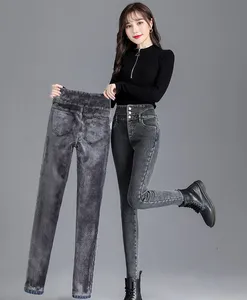
Oversized or tight pants?. The fashionable trend of oversized pants is here to stay. However, they can easily make you appear unkempt rather than fashionable if you’re not careful. The biggest error? allowing your silhouette to be entirely engulfed by the pants. If you wear the wrong outfit and have too much bagginess, your appearance may be more frumpy than attractive. Wearing bulky tops with large jeans is another common mistake. Although it may seem like a comfortable combination, this doubles down on volume and produces a sort of “floating in fabric” impression, which is difficult to achieve unless you’re deftly managing proportions elsewhere.
OVERSIZED OR TIGHT PANTS?
Many ladies around the world have embraced tight pants as a fashion standard. Their appeal beyond simple style; they convey assurance, grace, and a certain audacity that appeals to contemporary aesthetic sensibilities. Tight pants are popular because they highlight natural contours and provide a sleek silhouette that goes well with a variety of tops and outerwear. This article delves into the various reasons why women are drawn to this form-fitting trend, including how it increases self-esteem, fits in with changing fashion trends, and satisfies the perceived attractiveness that many people look for in clothing.
Effects of wearing oversized and loose-fitting pants:
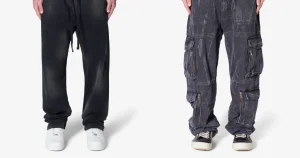
Comfort: As they provide more movement and breathability, loose and large clothing might be more comfortable to wear than clothing that is tightly fitted. In hot weather or when exercising, this can be especially helpful.
Versatility: Depending on the style and material, loose and oversized clothing can be worn for a variety of occasions, from casual outings to more formal events.
Confidence:
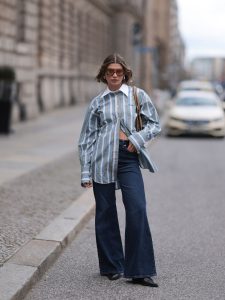
Some people may feel more confident and at ease in their own skin when wearing loose and baggy clothes because they may feel less self-conscious about their body type or size.
Protection: As they can give coverage and lower the danger of sunburn or windburn, loose and large clothing can provide some protection from the sun, wind, and other environmental variables.
Fashion: Oversized clothes has become a popular trend in recent years, and it can be a simple way to put together a trendy and modern outfit. It can also be a means of expressing one’s originality and sense of style
Some people (guys and ladies) like wearing tight pants because they feel stylish and confident in them. It really depends on your own preferences and what makes you feel good.
Effects of wearing tight pants;
OVERSIZED OR TIGHT PANTS?
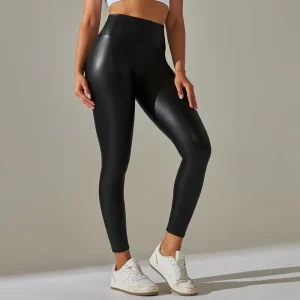
Tight pants can have some effects, like restricting movement or causing discomfort if they’re too tight. It’s important to find the right balance between style and comfort. If you’re concerned about the effects, you can always try different styles and find what works best for you.
In putting on tight pants there can be a potential for discomfort and moisture buildup. It’s important to have proper ventilation to keep the area dry and prevent any potential issues. If you ever feel uncomfortable, it’s a good idea to choose clothing that allows for better airflow.
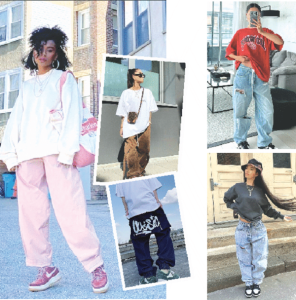
OVERSIZED OR TIGHT PANTS?
Yes, moisture buildup can occur when there is limited airflow. This can potentially lead to discomfort or even skin irritation. It’s always good to ensure proper ventilation to keep the area dry and comfortable. Choosing breathable fabrics and avoiding excessively tight clothing can help prevent moisture buildup. stay tuned for more updates.
Summary
Fashion is all about comfort and individual style, thus whether a woman or a man wears tight or oversized pants depends on personal preference. Some people find that wearing baggy pants makes them feel fashionable and self-assured.
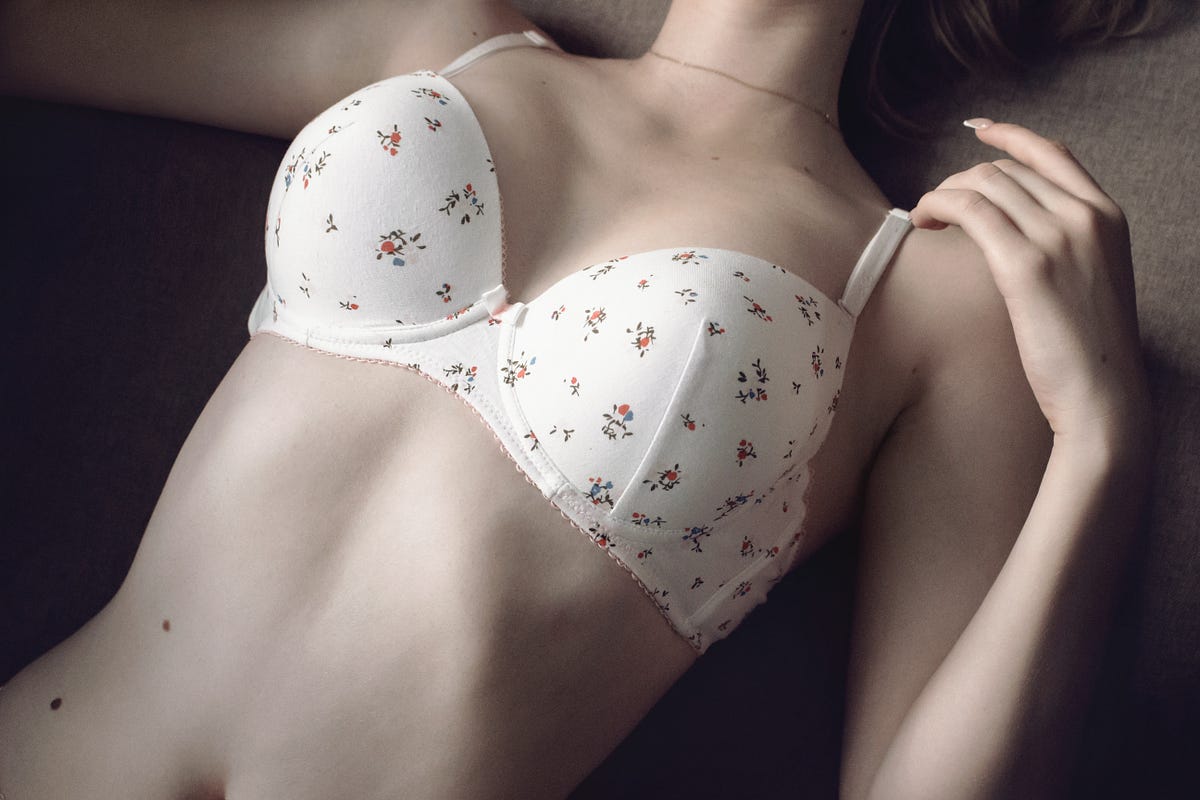
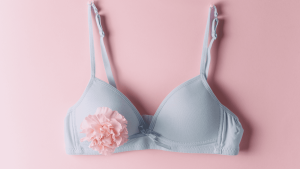
Demerits of bras. They are necessary, form-fitting undergarments with shoulder straps, cups, and a chest band that support, conceal, and lift a woman’s breasts. They are chosen according to size, comfort, and support requirements and come in a variety of styles, such as push-up, sports, wireless, underwire, and balconette. Comfort and breast health depend on a proper fit; popular styles include bralettes for light support and T-shirt bras for daily wear.
DEMERITS OF BRAS
Bras have possible drawbacks, including soreness, decreased circulation, and skin issues, even if they can provide comfort and support. Some of these problems can be lessened by selecting breathable, well-fitting bras and allowing for occasional bra-free time.Although wearing a bra is frequently seen as necessary for comfort and support, there may be drawbacks. The following list includes some of the drawbacks of wearing bras:
1. Discomfort and Restriction;
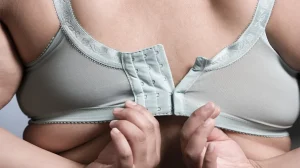
One of the main complaints about bras is that they can be uncomfortable. Tight or ill-fitting bras can lead to restricted movement, skin irritation, and even pain in the shoulders and back. This can be particularly true for underwire bras, which may dig into the skin.
2. Circulation Issues;
Wearing a bra that’s too tight can restrict blood circulation, especially around the chest and ribcage. Over time, this could contribute to muscle tension or discomfort.
3. Potential Skin Problems;
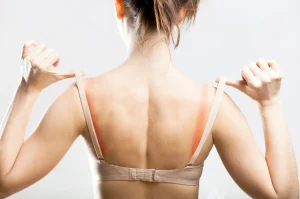
Demerits of bras
Bras, particularly those made of synthetic materials, can trap moisture and sweat, leading to skin irritation, rashes, or fungal infections. This is especially true in hot or humid climates.
4. Dependence on External Support;
Some believe that consistently wearing a bra can lead to weakened natural breast support. The idea is that the constant external support from a bra might inhibit the natural strengthening of the ligaments and muscles in the chest area, potentially making the breasts more reliant on a bra over time.
5. Cost and Maintenance;
Demerits of bras
Bras, especially quality ones, can be expensive and require proper care to maintain their shape and function. Frequent replacement due to wear and tear can be a financial burden.
Summary
Physical discomfort from ill-fitting or often worn bras can include skin irritation, breathing difficulties, and soreness in the shoulders, neck, and back. Over time, they can weaken the pectoral muscles, which could result in more sagging. Chronic headaches and limited lymphatic flow are further hazards.

Torchlight Selection

Best Practices for Face Exfoliation

Chemical Face Exfoliation

A Step-by-Step Guide to Deleting Reels on Instagram

A Comprehensive Guide to Setting Up a YouTube Premiere