Reading
E-books vs Paper Books

E-BOOKS VS PAPER BOOKS
E-books vs paper books. An actual book created by printing text and images onto paper is called a printed book. Usually, the text and pictures are organized in a bound manner with a cover and spine for individual reading. An electronic book is a digital copy of a physical book that can be read on a computer, tablet, or e-reader. A printed book’s content and photos are converted into a digital format, like PDF, to create e-books.
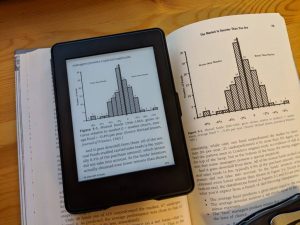
E-BOOKS VS PAPER BOOKS
Advantages of E-book
1. Convenience: E-books are accessible and readable at any time due to their easy download and reading capabilities on a range of electronic devices, including smartphones, tablets, and e-readers.
2. However, Portability: Electronic books are small and easy to keep on a device, which makes them convenient to carry about.
3. Economical: Compared to traditional books, e-books are frequently less priced, particularly for older or out-of-print titles.
Disadvantages
1. To read, they need a device that is electronic, like a computer, tablet, or smartphone, which not everyone has.
2. If free e-books are not available to you, they may be more costly than traditional books.
3. Some people may find it more difficult to read them because electronic screens are not as comfortable for the eyes as real books.
Advantages of printed books
1. Physical presence: Printed books are tangible and can be handled, felt, and physically interacted with, all of which can enhance the reading experience.
2. Colorful pictures and illustrations: Printed books frequently have these elements, which can enhance the reading experience in general.
3. Annotation: Students and researchers often find printed books beneficial when they are commented using a pen or pencil.
Disadvantages
1. They may require a lot of physical area, which makes transportation and storage challenging.
2. Holding them for long periods of time can be uncomfortable due to their weight.
3. They can be pricey to buy, particularly if you’re purchasing several books.
4. They are susceptible to damage and fragility, particularly if improperly handled or kept.
5. If you are unable to read small type due to a vision impairment or another issue, they may be challenging to utilize.


Active reading tips. By interacting actively with the text through annotation, questioning, and summarizing, active reading strategies enhance comprehension and memory. Highlighting important points, making margin notes, outlining, and applying the SQ3R approach (Survey, Question, Read, Recite, Review) are important tactics. These techniques turn passive reading into an interactive, critical activity.
ACTIVE READING TIPS
Reading involves more than just digesting words; it also involves comprehending, evaluating, and remembering information. Whether you’re reading a complex textbook, a thought-provoking article, or an engrossing novel, using efficient reading techniques will greatly improve your understanding and recall. The following five techniques can help you become an expert reader:
1. Active Reading:

active reading tips
Instead of passively scanning the text, actively engage with it. Ask yourself questions about the material, make connections to your own experiences or other texts, and critically evaluate the information presented. Actively reading involves being mentally present and continuously interacting with the text, which leads to deeper understanding and better retention.
2. Previewing:
Before diving into the details, take a moment to preview the material. Skim through the text to get a sense of its structure, noting headings, subheadings, and any bolded or italicized text. Previewing helps you create a mental roadmap of the content, making it easier to navigate and understand as you delve deeper.
3. Annotating:

active reading tips
Don’t be afraid to mark up the text. Annotating involves highlighting key passages, jotting down notes in the margins, or using sticky notes to capture important points. These annotations serve as visual cues that can help reinforce understanding, facilitate review, and spark further insights when revisiting the text later on.
4. Summarizing:
After reading each section or chapter, take a moment to summarize the main ideas in your own words. This act of summarization not only reinforces your understanding of the material but also helps you identify the most crucial points. Summaries can be in written form, verbal recaps, or even mental rehearsals, whatever works best for you to solidify the key concepts in your mind.
5. Reflecting:

Reading shouldn’t end when you reach the last page; it should continue through reflection. Take time to reflect on what you’ve read, considering its relevance, implications, and how it fits into the broader context of your knowledge or experiences. Reflecting allows you to extract deeper meaning from the text and encourages critical thinking and synthesis of ideas.
Summary
By incorporating these five strategies into your reading routine, you can transform reading from a passive activity into an active and enriching experience. Whether you’re studying for an exam, researching a topic, or simply enjoying a good book, mastering effective reading techniques will not only enhance your comprehension and retention but also deepen your appreciation for the written word. So, grab a book, engage your mind, and embark on a journey of discovery through the power of effective reading.

How to comprehend when reading. Reading is an essential tool for taking in information in the pursuit of knowledge. But even with the best of intentions, we’ve all been frustrated by forgetting what we’ve read. Improving our reading comprehension and retention requires an understanding of the common causes of this phenomena.
HOW TO COMPREHEND WHEN READING
Take notes, highlight important concepts, and summarize chapters in your own words to actively connect with what you read. By reading slowly, researching new words, and posing questions about the content, you can increase your comprehension. For improved retention, use strategies like the KWL approach (Know, Want, Learned) and have conversations with others about the material.
1. Lack of Attention:

Exploring how distractions and lack of focus during reading can hinder the brain’s ability to encode information effectively, leading to forgetfulness.
2. Information Overload:
Delving into the concept of cognitive overload and its impact on memory retention, highlighting the importance of pacing and digesting information in manageable chunks.
3. Lack of Rehearsal:

Discussing the significance of reviewing and rehearsing material after reading to reinforce memory consolidation and prevent information from slipping away.
4. Lack of Understanding:
Examining how shallow comprehension can impede memory retention, emphasizing the importance of actively engaging with the material to foster deeper understanding.
5. Lack of Connection:

Exploring the role of relevance and personal connections in memory formation, and how aligning new information with existing knowledge can enhance retention.
6. Stress or Distractions:
Investigating how external factors like stress and multitasking can disrupt memory processes, and strategies for minimizing their impact on reading comprehension.
7. Lack of Sleep:

How to comprehend when reading
Highlighting the link between inadequate sleep and impaired memory consolidation, and the importance of prioritizing rest for optimal cognitive function.
8. Health Factors:

How to comprehend when reading
Addressing how certain health conditions or medications can affect memory function, and when to seek professional guidance for memory-related concerns.
Summary
We may empower ourselves to become more proficient readers by identifying and resolving these typical causes of forgetting what we’ve read. This will enable us to remember and apply knowledge with more assurance and success.

Tips for enhancing comprehension. Reading involves more than just digesting words; it also involves comprehending, evaluating, and remembering information. Whether you’re reading a complex textbook, a thought-provoking article, or an engrossing novel, using efficient reading techniques will greatly improve your understanding and recall. The following five techniques can help you become an expert reader:
TIPS FOR ENHANCING COMPREHENSION
Improve understanding by actively interacting with the material by employing visual aids, summarizing important points, and previewing. Increase comprehension by developing prior information, using flashcards to increase vocabulary, and posing “why” or “how” inquiries. Lastly, divide the content into manageable bits and take frequent, brief breaks to help you stay focused.
1. Active Reading:

Instead of passively scanning the text, actively engage with it. Ask yourself questions about the material, make connections to your own experiences or other texts, and critically evaluate the information presented. Actively reading involves being mentally present and continuously interacting with the text, which leads to deeper understanding and better retention.
2. Previewing:
Before diving into the details, take a moment to preview the material. Skim through the text to get a sense of its structure, noting headings, subheadings, and any bolded or italicized text. Previewing helps you create a mental roadmap of the content, making it easier to navigate and understand as you delve deeper.
3. Annotating:

TIPS FOR ENHANCING COMPREHENSION
Don’t be afraid to mark up the text. Annotating involves highlighting key passages, jotting down notes in the margins, or using sticky notes to capture important points. These annotations serve as visual cues that can help reinforce understanding, facilitate review, and spark further insights when revisiting the text later on.
4. Summarizing:
After reading each section or chapter, take a moment to summarize the main ideas in your own words. This act of summarization not only reinforces your understanding of the material but also helps you identify the most crucial points. Summaries can be in written form, verbal recaps, or even mental rehearsals, whatever works best for you to solidify the key concepts in your mind.
5. Reflecting:

TIPS FOR ENHANCING COMPREHENSION
Reading shouldn’t end when you reach the last page; it should continue through reflection. Take time to reflect on what you’ve read, considering its relevance, implications, and how it fits into the broader context of your knowledge or experiences. Reflecting allows you to extract deeper meaning from the text and encourages critical thinking and synthesis of ideas.
Summary
By incorporating these five strategies into your reading routine, you can transform reading from a passive activity into an active and enriching experience. Whether you’re studying for an exam, researching a topic, or simply enjoying a good book, mastering effective reading techniques will not only enhance your comprehension and retention but also deepen your appreciation for the written word. So, grab a book, engage your mind, and embark on a journey of discovery through the power of effective reading.

Exam success tips for waec

Tips for jamb success

Plastic water bottle hazards

A Step-by-Step Guide to Deleting Reels on Instagram

A Comprehensive Guide to Setting Up a YouTube Premiere

How to Create a WhatsApp Group
-

 Social media2 weeks ago
How to Delete Reels on IG
-

 Social media1 week ago
Tips for likes and Followers on Facebook
-

 Social media1 week ago
Guidelines for Creating a Facebook Page
-

 Photography1 week ago
Photography and Outdoors
-

 Social media2 weeks ago
Guidelines for Uploading Videos on Youtube
-

 Music1 week ago
Lyrics for Iké Nilé