Reading
Reading Fast Guidelines


Reading fast guidelines. One of the fundamental abilities that most people learn in school is reading, which has an impact on many aspects of your life, most notably your career. Any age is a good time to start learning how to read better. You can improve your reading abilities by creating a practical strategy that you can adhere to with useful advice.
READING FAST GUIDELINES
In this post, we explain why developing your reading skills is vital and give suggestions for reading that you may apply in your daily life. Anyone can benefit from using reading tips, but it’s particularly beneficial if you want to increase your reading proficiency or broaden your skill set overall. Your capacity to read texts, comprehend their meaning, and retain the information is a result of your reading skills.
1. Read daily

To improve any talent, including reading, practice is essential. Consider scheduling a daily period of time to concentrate on a book or magazine of your choosing in order to improve your reading abilities. If you have trouble focusing, try starting with a modest time frame—even 10 or 15 minutes—and working your way up.
2. Pick a suitable reading location

Selecting a suitable location to practice reading will help you make it more accessible to yourself. Choose a comfortable, well-lit area where you can concentrate. You can locate an area with less background noise to help you focus on the text. Setting up this space with any other tools you might require could be beneficial.
3. Establish reading objectives

Setting daily reading goals is beneficial, you may also create other objectives that are tailored to the areas you wish to get better at. To track your development, decide what you want to improve and then take proactive measures to work on it.
4. Determine the text’s objective

Try to determine the author’s intention when you read a text. For instance, they may be attempting to share an opinion, convince the reader that their argument is sound, or offer helpful information. Try figuring out why you are reading the text as well. You may read fiction to pass the time, the news to keep yourself updated, or a blog to learn about the opinions of others.
5. While reading, make notes

Making notes as you read can help you process information more effectively. It’s also a useful strategy for helping you retain the key details from a book or article. You might simply jot down any details about the book you’re reading that you think are particularly significant or fascinating in order to create good notes.
6. Draw a conclusion
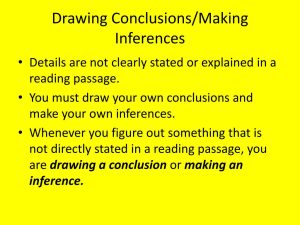
After reading a text, creating your own summary is a useful method to determine whether you truly got it. It encourages you to retain both precise information and main concepts. You have two options: either write down your summary or share what you’ve read with someone else. You can also improve your memory of the material by summarizing it in your own words.
Summary
Students can improve their reading comprehension while honing their vocabulary, problem-solving skills, and cognitive development by utilizing all of these strategies. Your youngster benefits from a reading habit in this way. I hope you have found these instructions useful and instructive.








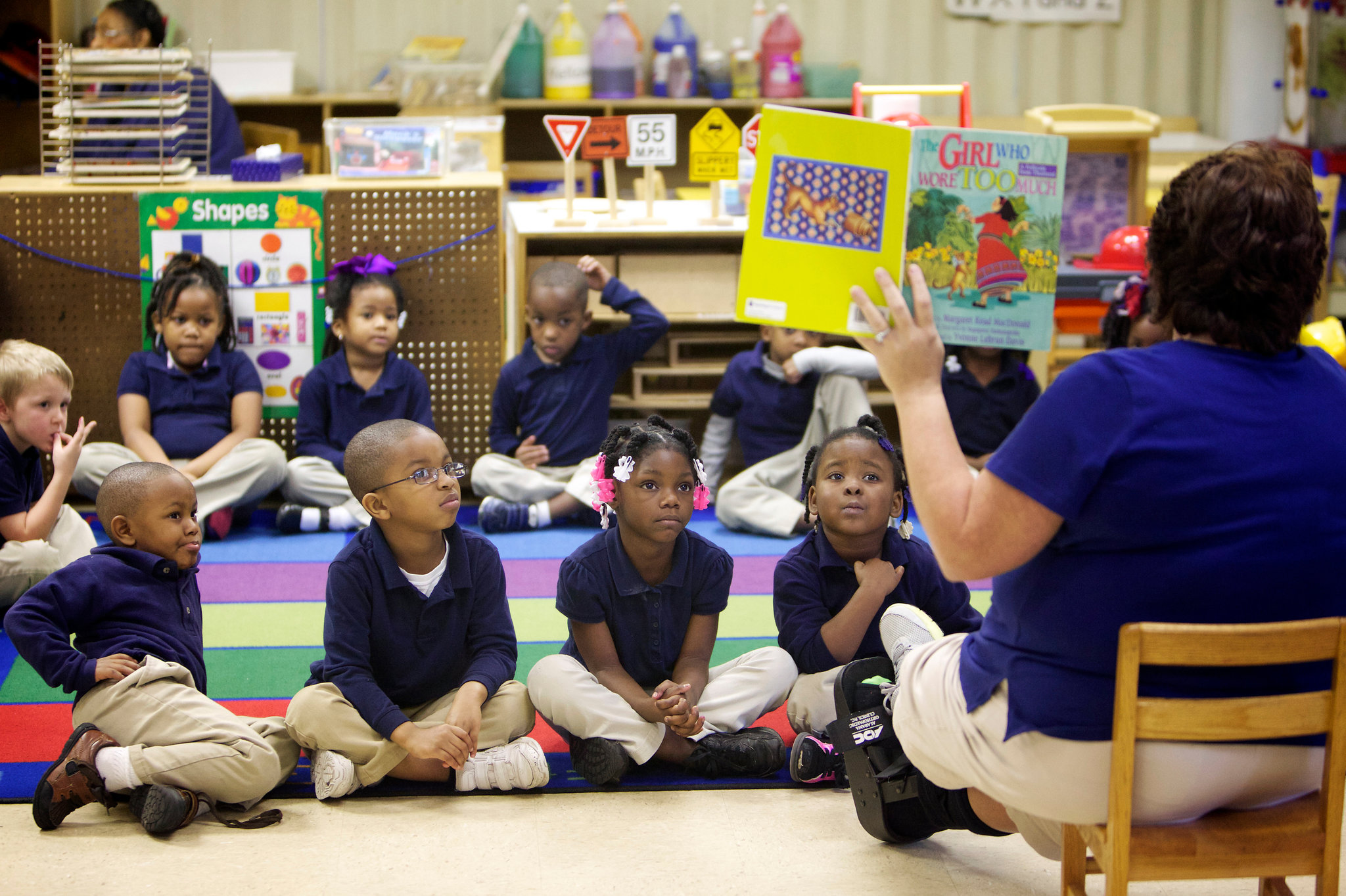
Key Benefits of Kids Reading Aloud. A child’s linguistic development, cognitive development, and self-confidence can all be enhanced by reading aloud. Promoting this behavior can provide a solid basis for good communication and lifetime learning. By fostering an encouraging and engaging reading environment, parents, educators, and other caregivers can help children develop this skill.
KEY BENEFITS OF KIDS READING ALOUD
Reading aloud to kids is important for their cognitive, social, and emotional growth in addition to being a fun pastime. Kids reading aloud has the following five main advantages:
1. Enhances Comprehension and Retention

Reading aloud helps children understand and remember what they read more effectively. Speaking the words out loud engages both visual and auditory senses, allowing them to process and internalize information more thoroughly. This dual engagement reinforces memory and aids in better comprehension of the material.
2. Improves Pronunciation and Vocabulary
When children read aloud, they practice pronouncing new words, which boosts their confidence in speaking and communication. It also expands their vocabulary as they encounter and learn the meanings of unfamiliar words. Hearing themselves speak helps solidify proper pronunciation and fluency.
3. Builds Listening Skills

Key Benefits of Kids Reading Loud
Reading aloud involves an audience, whether it’s a parent, teacher, or peers. This dynamic helps children develop listening skills as they read to others or listen when someone else reads aloud. Good listening skills are essential for effective communication and learning in everyday life.
4. Strengthens Cognitive Abilities
Reading aloud encourages critical thinking and concentration. It requires children to focus on the text, maintain the flow of the story, and process the information in real-time. This practice strengthens cognitive skills such as attention span, analytical thinking, and problem-solving abilities.
5. Boosts Confidence and Public Speaking Skills

Key Benefits of Kids Reading Loud
Reading loud helps children overcome the fear of speaking in front of others. Regular practice enhances their confidence in expressing themselves and builds a foundation for public speaking skills. This can be particularly beneficial for school presentations and future communication situations.
Summary
Reading aloud to kids develops a lifetime love of reading, strengthens vocabulary, and enhances listening comprehension.

Advantages of Reading. Social media, streaming apps, and the Internet may seem like clichés, but they have been a welcome distraction for many people who are overworked and stressed. Additionally, anyone who want to access news, stories, and other reading material that has been distilled into digestible portions can do so through a variety of digital platforms.
ADVANTAGES OF READING
The active cognitive activity of deciphering written, printed, or tactile symbols. It transforms visual marks into ideas and thoughts by combining word recognition, comprehension, and fluency.
1. It makes your brain stronger

According to research, reading can strengthen the white matter in the corpus callosum, remodel your brain, and form new neural networks. These changes improve communication between the two hemispheres of the brain. This enables you to learn more quickly by processing information more effectively. Additionally, they discovered that reading, especially when you’re listening to someone read aloud, improves your visual and aural understanding. Reading can lower your stress levels by as much as 68%.
2. Reduces Stress
Reading for just six minutes can cause your blood pressure to drop, your muscles to relax, and your heart rate to calm. Research indicates that reading for thirty minutes a day has a significant impact on the physical symptoms of stress, which is important.
3. Broadens Your Understanding

Advantages of Reading
In this digital age, it could be simple to assume that YouTube videos are the only source of helpful knowledge. The reason reading is important is that if you can read, you can learn anything about anything.
4. Fosters Innovation and Imagination
Reading allows you to develop your own creative universe. Your occipital lobe, the part of your brain in charge of processing visual information, is active while you read. When reading fiction, this works especially well since it helps you picture the settings and characters the author is describing. You’re using your imagination to bring an abstract idea to life.
3. Enhances Retention
A strong memory is a great advantage in our fast-paced society. Time, money, and most importantly, relationships, can be lost if you forget crucial details like customer names, work projects, or after-school activities.
4. Boosts Focus

Advantages of Reading
Setting aside time for uninterrupted reading helps you strengthen your concentration and focus. You’re rewarding focus rather than distraction the longer you stay interested in the reading. This can help you focus on daily duties more easily by extending your attention span.
Summary
Regular reading increases vocabulary, improves memory, reduces stress, and promotes brain function. Additionally, it improves focus, increases empathy, and promotes better sleep.

Bookworm Benefits. Knowledge has become the new currency of success in an era of abundant information. However, in the midst of the digital noise and distractions, the ability to be a bookworm seems to be disappearing. As Simon Sinek once said, “Leaders are readers,” highlighting the important impact that a love of reading and lifelong learning can have on both professional and personal development.
BOOKWORM BENEFITS
A bookworm increases vocabulary, develops empathy, reduces stress by up to 68%, and enhances brain function. Frequent reading improves concentration, fortifies memory, and guards against cognitive deterioration as one ages.
Book’s Power;

Books are windows into other worlds, concepts, and viewpoints. They offer insights that have the power to change our behavior and way of thinking because they are compiled with the wisdom of generations.
Relevance;
1. Mental Acrobatics Understanding the words written on a page is not the only aspect of reading. Making connections between the dots or attempting to predict the next narrative twist will help you improve your cognitive and critical thinking abilities.
2. The Extension of Empathy Bookworms can see into unusual experiences and emotional states through reading, just like they can through any doorway to a magical world.
3. stress reduction. Reading is not only good for your brain and soul, but it’s also a way to reduce your stress and anxiety!

Bookworm Benefits
4. Sleeping Sanctuary. Having a bedtime reading ritual is as important as your skincare routine. Reading before you go to sleep is like giving yourself the perfect break from everyday troubles, thus improving your quality of sleep exponentially.
5. The Vocabulary Vault
The best way to increase your vocabulary and become fluent in a foreign language is to read. The ideal environment for a bookworm is Words with Friends and Scrabble nights.

Bookworm Benefits
6. Interaction with Others Although some of our most treasured pals will always be our favorite characters, nothing compares to having a genuine conversation with your literary bestie. Any group can bond through shared reading interests or through reading the same books.
Summary
A bookworm is a person who reads a lot or an insect larva that consumes paper and book bindings. The phrase also alludes to PopCap Games’ iconic word puzzle video game.

Torchlight Selection

Best Practices for Face Exfoliation

Chemical Face Exfoliation

A Step-by-Step Guide to Deleting Reels on Instagram

A Comprehensive Guide to Setting Up a YouTube Premiere