
ear health
Earaches

EARACHES
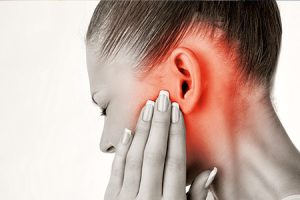
Earaches. Children typically get earaches, but adults can get them too. The causes can include injury, infection, ear irritation, or referred pain. This can occur in one or both ears. It usually occurs in one ear, though. Either persistent or intermittent, the pain might be subtle, severe, or searing. A fever and temporary hearing loss are among possible side effects of an ear infection.
EARACHES
Young children with ear infection are often clingy and agitated. Additionally, they could rub or tug their ears. An ear issue may be the cause of your ear ache. Ear pain can occasionally be a referral of pain from another area of the body. Within seven days, middle ear infection pain should go away on its own. A hurting ear may occasionally be the result of a more serious issue that requires medical care.
Symptoms

Ear injuries or infections can cause earaches. Adult symptoms include:
Hearing loss due to ear discomfort
discharge of fluid from the ear
Other symptoms that children may display include:
Ear discomfort
Hearing loss or trouble reacting to noises, fever, ear fullness, trouble falling asleep, or tugging or tugging at the ear
Weeping or displaying more irritability than normal headache
appetite loss
imbalance
Causes
Ear pain can be caused by a variety of things. Medical professionals classify ear pain into two groups:
Your ears are the source of primary ear pain.
Ear pain that is caused by a problem unrelated to your ears is known as secondary (referred) ear pain. This occurs because your brain shares nerves with your ears and other surrounding bodily parts.
The following are typical reasons for primary ear pain:
Barotrauma (changes in water or air pressure).
accumulation of earwax.
malfunction of the eustachian tube.
Something alien in your ear.
infections of the inner ear.
infections of the middle ear.
Eardrum rupture.
Swimmer’s ear.
Treatment

Treating it depends on its cause. In certain situations, your doctor may prescribe ear drops or pills of over-the-counter medications, such as acetaminophen (Tylenol®) or ibuprofen (Advil®), which include: antibiotics, corticosteroids, and antifungals. In other cases, rest and a little TLC can help relieve ear pain. You can try these home remedies to relieve ear pain:
Employ heat or cold packs to alleviate pain and inflammation; heat relaxes muscles and enhances blood flow; raise your head to relieve pressure inside your ear; use over-the-counter ear drops; consult your doctor about the best kind for you; avoid using ear drops if your eardrum has ruptured.
Prevention

As soon as possible, make an appointment with your child’s pediatrician if they have an ear infection. This is particularly valid if you have attempted to remove the item and failed. Ear damage may become more likely with repeated removal efforts. In the event that your kid experiences symptoms such as pain, ear discharge, or muted hearing after successfully removing the object, you should still contact your healthcare professional.
Summary
It’s difficult to focus on anything else when you have excruciating ear discomfort. Over-the-counter painkillers can be effective in certain situations. However, it’s essential to notify your healthcare physician if your ear ache persists for days or returns often. An earache is usually not a serious condition. However, you shouldn’t disregard it. In addition to removing pain and infection, prompt treatment lowers the chance of related problems.



Earphones and side effects. When worn incorrectly, earphones can have a number of negative effects, such as tinnitus (ear ringing), noise-induced hearing loss (NIHL), and excruciating outer ear infections brought on by trapped moisture. Additionally, excessive earwax accumulation, headaches, and overall ear weariness might result from misusing them.The following are the most frequent negative impacts and health issues associated with extended earphone use:
EARPHONES AND SIDE EFFECTS
These days, technology is the greatest necessary evil. One such requirement is the use of headphones or earphones. You will come across many people who re either talking on the phone or listening to music through headphones during the day, whether they are enjoying an early morning walk, crossing the street, riding the metro, taking a bus, sipping coffee in a cafe, or simply having a call in the workplace.Even while you might not be bothering others around you when you wear headphones all the time, you are doing enough damage on yourself that you should be aware of it.
The main issue with headphones is the exposure to loudness they provide the ears. Earphones are extremely harmful since they can produce extremely loud sound levels very close to the ear. It should be remembered, nevertheless, that using earphones for an extended period of time is just as important as headphones volume. Since they are stored in too many locations, earphones are also exposed to bacteria. Sharing headphones make it easier for these bacteria to spread, which worsens the effect on the ears.
How does blaring earphones damage your ears?

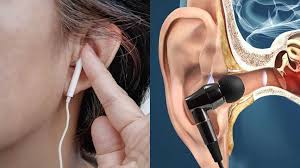
Our ears receive sound waves from earphones, which causes the eardrum to vibrate. The cochea, a fluid filled chamber made up of hundreds of tiny “hairs,” is where the vibration travels after passing through the tiny bones of the inner ear. The cochlea vibrates in response to this vibration, which causes the hair to move as well. The vibrations are greater and the hairs move more when the sound is louder
Side Effects of Using Earphones
1. Dizziness
Dizziness is frequently a side effect of loud noise induced increased pressure in the ear canal.
2 Ear infections
Earphones and side effects
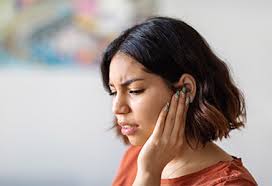
Because the earbuds are inserted directly into the ear canal, they obstruct airflow, increasing the risk of ear infections. Regularly using headphones for extended periods of time promotes the growth of bacteria. After repeated use, these germs become lodged in the earbuds and cause an infection.
3. Effect on the brain
Over time, the electromagnetic waves produced by the headphones causes issues for the brain as well. Elevated decibel noise levels causes the nerve fibers that transmit signals from the ear to the brain to lose their insulation. The brain can also be impacted by ear infections.
The following tips help to prevent hearing damage from headphone/earphone:
Earphones and side effects
The simplest adjustment is to lower the volume a little.
1. Limit the time and amount of loud moise exposure that you receive
2. Put on headphones with noise cancellation.
3. Use an over the ear type to prevent direct contact with the ear canal and direct vibrations of sound directed towards the eardrums.
4. Clean the headphones often to prevent the accumulation of bacteria, perspiration, and skin debris.
Summary
You should abide by the 60/60 guideline to safeguard your hearing and avoid ear infections: Keep the volume below 60% of your device’s maximum capacity and restrict the amount of time you spend using your earphones to 60 minutes at a time.
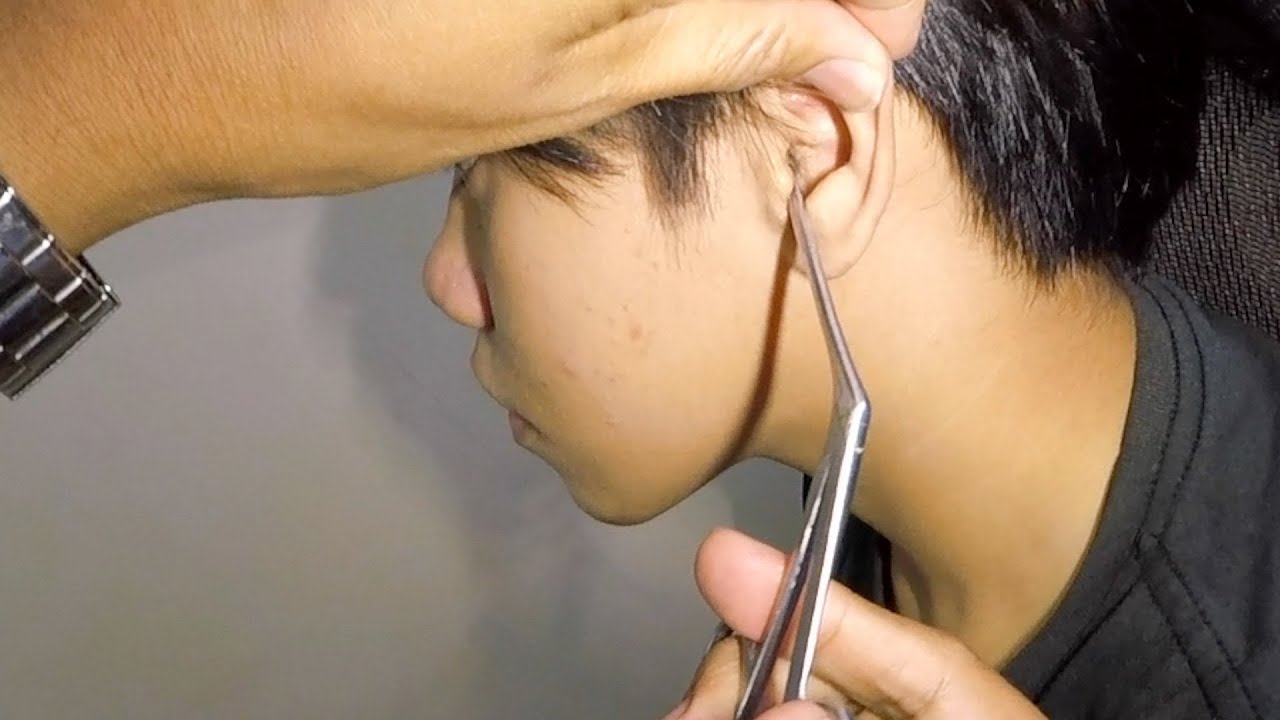
How to remove cotton bud in your ears. Remain composed and refrain from pressing a cotton bud that has become lodged in your ear. To let gravity draw the object out, try turning your head in the direction of the afflicted side and gently shaking it. You can carefully remove it with tweezers if it’s visible and within easy reach. Don’t prod or poke.
HOW TO REMOVE COTTON BUD IN YOUR EARS
It is risky and pointless to use cotton buds to clean inside your ears since they frequently push wax deeper, which can result in impaction, pain, hearing loss, or injury to the eardrum. Despite the pleasant feeling, inserting anything into the ear is risky since the ear canal cleans itself. If a cotton bud falls into your ear, try these steps:
1. Stay calm:

Panicking can make the situation worse.
2. Tilt your head: Tilt your head so that the ear with the cotton bud is facing downward. This might help the cotton bud fall out naturally.
3. Gravity and shaking: Gently jump or shake your head to encourage it to come out.
4. Use tweezers:

If you can see the cotton bud and it’s close to the ear opening, you may use tweezers to carefully grasp and remove it. Be gentle to avoid pushing it further.
5. Seek professional help:

HOW TO REMOVE COTTON BUD IN YOUR EARS
If you can’t remove the object or experience pain, discomfort, or changes in hearing, seek medical assistance promptly.
Remember not to insert any objects into your ear canal, as this can push the cotton bud deeper or cause injury. If in doubt, consult a healthcare professional.
Leaving a foreign object, like a cotton bud, in the ear can lead to potential risks:

1. Infection: The trapped object can create a conducive environment for bacterial growth, leading to ear infections.
2. Injury: The ear canal is delicate, and attempting to remove the object without proper care can cause injury, including damage to the ear canal or eardrum.
3. Hearing issues:
HOW TO REMOVE COTTON BUD IN YOUR EARS
A lodged object may obstruct the ear canal, affecting your hearing.
4. Pain and discomfort: The presence of a foreign object can cause pain, discomfort, and irritation.
5. Complications: If not addressed, complications such as inflammation, swelling, or damage to the ear structures may occur. Stay tuned for more updates.
Summary
In order to prevent complications, it is essential to obtain professional medical assistance for the safe and appropriate removal of any foreign object that becomes lodged in the ear or causes discomfort.

TINNITUS
Tinnitus. The medical name for ringing in the ears is tinnitus. Sounds like ringing, clicking, pulsing, buzzing, or rushing that no one else can hear flood your mind if you have tinnitus. These sounds might be so low you hardly notice them, or they can be so high that they seem to drown out the sounds around you.
TINNITUS
People who suffer from acute tinnitus may find it difficult to focus or fall asleep. Depression and dissatisfaction may result from this over time. Tinnitus is not a medical condition. It is a sign of a number of illnesses, such as age-related hearing loss or ear trauma.
Causes

Age-related hearing loss. A certain amount of auditory stimulus is accustomed to your brain. Your hearing nerve is consequently subjected to a certain amount of activity. Your brain is not as stimulated when you have hearing loss, but your hearing nerve may continue to fire at its usual pace. You may hear sounds that aren’t actually there as a result of this. Ringing in the ears occurs in about one out of three persons over 65.
hearing loss brought on by noise. Tinnitus and hearing loss can result from exposure to loud noises. This may occur gradually or as a result of a single event, such as a close-range shooting or explosion.
People who experience tinnitus after an injury typically only have ringing in one ear. Ear conditions: Earwax blockages or ear infections can cause temporary hearing loss, which results in ear ringing. Medication: Some medications, such as some antibiotics, antidepressants, cancer medications, and nonsteroidal anti-inflammatory drugs, can cause tinnitus. Ear injuries and trauma: These injuries may affect the nerves or parts of your brain that aid in hearing.
Treatment

Physicians may be able to treat tinnitus by treating the underlying cause because it is a symptom of many different illnesses. To obtain a precise diagnosis, however, testing could be required. These evaluations may consist of speech comprehension, tympanometry, and hearing tests such as pure-tone audiometry, if necessary.
blood tests to screen for illnesses such as heart disease.
imaging procedures such as computed tomography scans and magnetic resonance imaging.
To find out if tinnitus is a sign of temporomandibular joint disease, you might also need to see a dentist.
Prevention

When working in factories or construction sites; in some performance arts or music-related occupations; in some fitness classes; many gyms play loud music to keep people motivated; at movie theaters and concerts, where the noise levels can be excessive and eventually damage your hearing; when operating power tools, mowing the lawn, or using other loud equipment; and when using firearms for hunting or recreational shooting.
Summary
Tinnitus is a common condition that many people experience at some point in their lives. Usually, it’s only transitory. It can become intolerable, though, if the ringing in your ears persists day after day, week after week. See a doctor whether you have hearing-related tinnitus or something else is causing it, especially if your symptoms persist for more than a week or two.

Nivea body wash for men

Business maintenance

Athlete conviction of murder

A Step-by-Step Guide to Deleting Reels on Instagram

A Comprehensive Guide to Setting Up a YouTube Premiere

How to Create a WhatsApp Group
-

 Health4 weeks ago
Carbonated drinks side effects
-

 Business4 weeks ago
Smart ideas for business startups
-

 Deodorants3 weeks ago
Reviewing tom ford oud
-

 Deodorants4 weeks ago
Reasons for wearing deodorants
-

 Deodorants4 weeks ago
Review for saint laurent black
-

 Deodorants3 weeks ago
Varieties of perfumes for men