vision
Blurry Vision Diagnosis

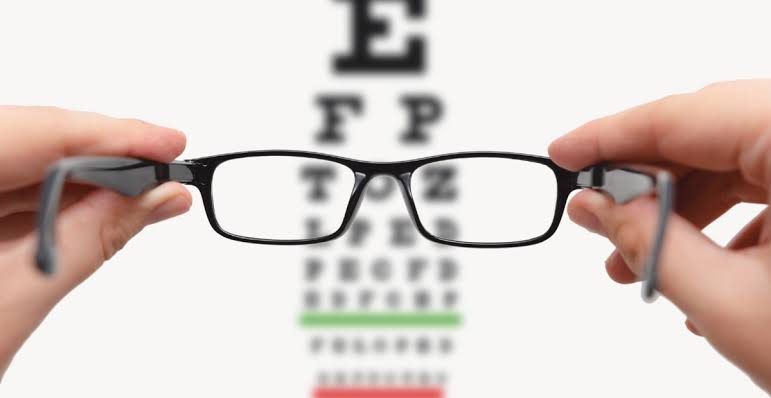
Blurry Vision Diagnosis. A thorough eye exam that tests visual acuity, checks eye pressure, and looks at the interior tissues of the eye is how a doctor diagnoses hazy vision. A loss of clarity in your vision that causes items to appear out of focus is known as blurry vision. A thorough eye exam that tests visual acuity, checks eye pressure, and looks at the interior tissues of the eye is how a doctor diagnoses hazy vision.
BLURRY VISION DIAGNOSIS
Numerous factors, ranging from minor refractive problems to more severe medical issues, might result in blurry vision. To determine the underlying reason and receive the proper therapy, it is crucial to see an eye care specialist if hazy vision continues, gets worse, or is accompanied by other symptoms.
Common Causes;
1. Refractive Errors
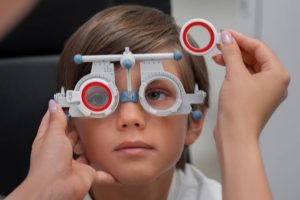
Refractive errors, such as nearsightedness (myopia), farsightedness (hyperopia), and astigmatism, are among the most common causes of blurry vision. These conditions occur when the eye’s shape prevents light from focusing correctly on the retina.
2. Presbyopia
A natural part of aging, presbyopia affects most people over the age of 40 and makes it difficult to focus on close objects. This condition is due to the lens of the eye losing flexibility.
3. Dry Eyes
Insufficient tear production or poor tear quality can lead to dry eyes, resulting in blurry vision. The eyes need moisture to stay clear and comfortable.
4. Eye Strain

Spending extended periods looking at screens, reading, or doing tasks that require intense focus can lead to digital eye strain, causing temporary blurry vision.
5. Infections and Inflammation
Conditions like conjunctivitis (pink eye), keratitis (inflammation of the cornea), or uveitis (inflammation of the middle layer of the eye) can cause vision to blur.
6. Cataracts
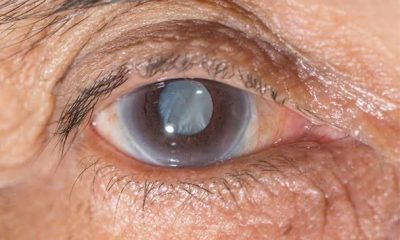
Cataracts are the clouding of the eye’s lens, which can develop with age and gradually cause blurry eyesight or halos around lights.
7. Glaucoma
Blurry Vision Diagnosis
This condition involves damage to the optic nerve, often due to high eye pressure. It can lead to gradual vision loss and blurry eyesight performance, especially in later stages.
8. Retinal Disorders
Conditions affecting the retina, such as macular degeneration or diabetic retinopathy, can cause blurred central vision or blind spots.
9. Serious Health Issues
Sudden or severe blurry vision can be a sign of more serious problems such as stroke or a brain injury. It’s important to seek medical attention immediately if blurry vision occurs suddenly and is accompanied by other symptoms like headache, numbness, or slurred speech.
Treatment Options;
Blurry Vision Diagnosis
– Corrective Lenses: Glasses or contact lenses can correct refractive errors and presbyopia.
– Lubricating Eye Drops: Artificial tears can help manage dry eyes and improve clarity.
– Lifestyle Adjustments: Taking regular breaks from screens, ensuring proper lighting, and using the 20-20-20 rule (looking at an object 20 feet away for 20 seconds every 20 minutes) can reduce eye strain.
– Medications: In cases of eye infections or inflammation, medicated eye drops or oral medication may be necessary.
– Surgical Solutions: Cataracts, severe refractive errors, and some cases of glaucoma or retinal disorders may require surgical intervention.
Summary
A common eye condition called blurry vision is defined by a lack of sharpness in vision, which causes objects to appear hazy or out of focus. It may be transient or persistent, and it may affect one or both eyes. Choosing the best course of action for hazy vision requires an understanding of its underlying causes.





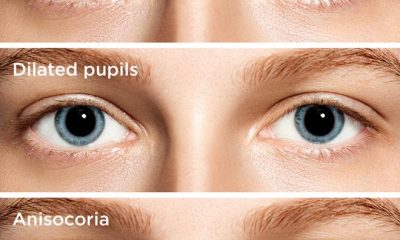

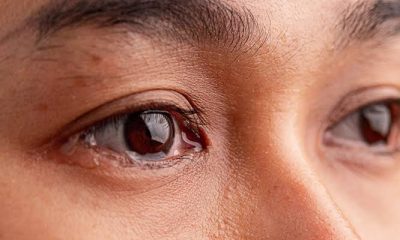

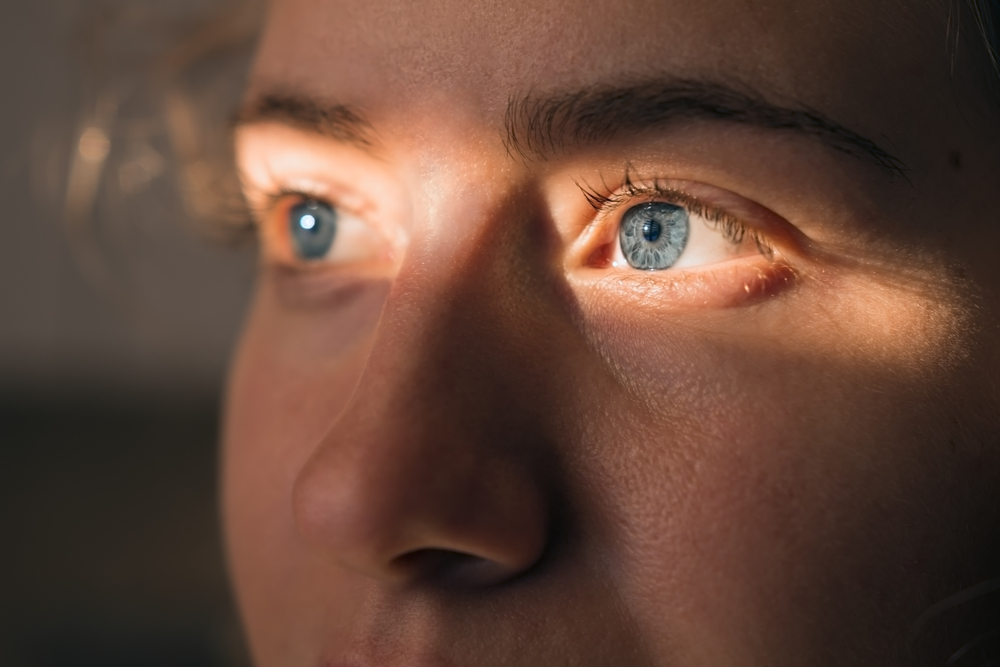
Effects of Excessive Light on Vision. Given the prevalence of screens and artificial lighting in today’s world, it’s critical to comprehend the potential effects of excessive light exposure on eye health. Even while light is necessary for healthy vision, extended exposure to harsh or improper lighting can cause pain and perhaps long-term eye damage.
EFFECTS OF EXCESSIVE LIGHT ON VISION
For long-term eye health and general wellbeing, controlling light exposure is essential. A clearer, healthier perspective for the future can result from changing your habits now.
Types of Light and Their Impact;
Blue Light:
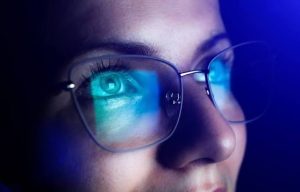
Emitted from digital screens (smartphones, tablets, and computers), blue light is one of the main culprits of digital eye strain. Unlike natural light, blue light penetrates deep into the eye and can lead to irritation, dryness, and fatigue. Long-term exposure is believed to contribute to potential retina damage and may accelerate age-related macular degeneration.
Bright Artificial Lighting: Prolonged exposure to very bright or harsh artificial lights, such as fluorescent and LED lights, can lead to eye discomfort. This type of light can cause glare and strain, especially when combined with reflective surfaces. It can also disrupt natural circadian rhythms, affecting sleep quality and overall health.
Symptoms of Excessive Light Exposure
Excessive light exposure can result in symptoms such as:

Effects of Excessive Light on Vision
A feeling of tiredness, soreness, or discomfort in the eyes after looking at bright screens or lights for too long.
– Dry Eyes: Reduced blinking during screen time can lead to dry and irritated eyes.
– Headaches: Frequent headaches are often associated with bright or excessive light exposure.
– Blurred Vision: Extended exposure can lead to temporary blurred vision.
Protecting Your Eyes;

Effects of Excessive Light on Vision
To protect your eyes, practice the 20-20-20 rule: every 20 minutes, look at something 20 feet away for at least 20 seconds. Reduce screen brightness to match the surrounding environment and use blue light filters or anti-reflective lenses. Wearing sunglasses with UV protection when outdoors can prevent damage from the sun’s rays.
Summary
Overexposure to bright light can result in long-term cellular damage to the retina and lens, short-term vision loss due to glare, and immediate eye strain.

Medicated glasses; types and uses. It may surprise you to learn that different vision problems call for different vision corrections. Problems with the way light enters the cornea and travels to the retina are known as refractive problems. Different vision-correcting lenses are used to address these problems.
MEDICATED GLASSES: TYPES AND USES
There is a particular perspective for every problem. Medicated glasses are eyeglasses that are typically prescribed by qualified eye specialists to treat a variety of eye conditions. Each kind is made especially to address a particular eye condition. Knowing the exact type of mediated eyewear, you’re wearing and its purpose is beneficial. Below is a list of some of them.
1. Lenses for single vision

Nearsightedness, farsightedness, and astigmatism are examples of single-vision prescription glasses that are meant to treat a single visual issue. The entire glass has the same vision correcting component. This implies that single-vision glasses cannot be used by those with weak vision.
2. Eyewear for computers

Eye strain brought on by extended computer screen use is alleviated by the lenses of Computer glasses. The typical distance that individuals sit in front of their display is between 20 and 26 inches, which is the range at which computer glasses operate. Most computer glasses feature a specific coating, such anti-glare or anti blue, to reflect light back from digital devices and/or block out blue light radiation.
3. Reading glasses

These lenses are used to enhance vision at close range, often within 40 cm of the reader. These aid in improving near vision, however when used to observe distant objects, the vision becomes extremely blurry. Wearing reading glasses while moving about should be avoided since they might cause blurred vision, which increases the risk of falls. They are only intended for close reading.
4. Multifocal lenses

People with several vision issues are typically the target audience for these type of lenses. The prescriptions for treating two or more visual issues are contained in these kinds of gases.
5. Lenses with prisms

You may become anxious if you experience double vision, particularly if it appears later in life. You may have strabismus, which is a mild problem, but you should run many tests to make sure nothing catastrophic is going on. When your eyes are not aligned properly, this occurs.
6. Lenses that rotate

An uneven curvature of the eye is the cause of astigmatism. A person with astigmatism has an eye that resembles an uneven basketball or an over-inflated football, whereas a normal eye is shaped like a football. You will receive a prescription for cylindrical lenses that adjust for this irregular curvature in order to fix it.
7. Round Lenses

You will be given a spherical lens if you have presbyopia, nearsightedness, or farsightedness. These lenses aid in properly focusing light onto the retina’s surface rather than in front of or behind it.
Summary
Eye safety is important, but it’s likely that you haven’t given it much thought. Maintaining the health of your eyes is crucial since failing to do so could literally cost you your vision. More than 2,000 eye injuries occur every day, making them widespread.

Torchlight Selection

Best Practices for Face Exfoliation

Chemical Face Exfoliation

A Step-by-Step Guide to Deleting Reels on Instagram

A Comprehensive Guide to Setting Up a YouTube Premiere