relationship
Red Flags and Signs in Relationships

Red flags and signs in relationships. It takes both parties to be aware of each other’s needs and well-being in order to build a solid and successful relationship. But occasionally, some behaviors might act as warning signs, indicating possible problems that need to be addressed. In order to shed light on when it might be time to take a break and reevaluate.
RED FLAGS AND SIGNS IN RELATIONSHIPS
Red flags in relationships are a common topic of discussion, but what does the term actually mean? Are all warning signs the same for everyone? And does it ever make sense to confront the warning sign and repair the relationship, or are they just an excuse to leave? In addition to providing answers to these queries, this article will list some of the most typical warning signs in relationships.
1. Communication Breakdown:


• One of the earliest red flags is a breakdown in communication. If open dialogue becomes strained, and partners struggle to express themselves or actively listen, it could indicate underlying issues.
2. Controlling Behavior:
• Healthy relationships thrive on mutual respect and autonomy. Controlling behaviors, such as excessive jealousy, monitoring activities, or attempting to dictate choices, can be warning signs of an unhealthy power dynamic.
3. Lack of Trust:


• Trust forms the foundation of a robust relationship. Persistent mistrust, unfounded jealousy, or a history of betrayal can erode the essential trust required for a lasting connection.
4. Disregard for Boundaries:
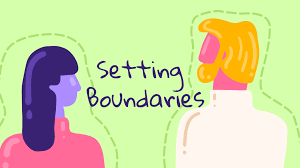
• Respect for personal boundaries is crucial. When one partner consistently ignores or disrespects the other’s boundaries, whether emotional, physical, or digital, it’s a signal that should not be ignored.
5. Emotional or Physical Abuse:


• Perhaps the most serious red flag, any form of abuse—be it emotional, verbal, or physical—requires immediate attention. Seeking help and creating a safe environment is paramount.
6. Unresolved Conflicts:
• Healthy relationships involve resolving conflicts through communication and compromise. If conflicts persist without resolution or escalate into harmful arguments, it’s indicative of deeper issues.
7. Misalignment in Values and Goals:

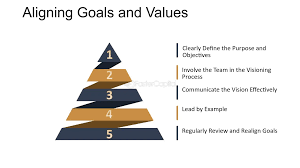
Red flags and signs in relationships
• Divergence in core values, life goals, or future aspirations can create significant challenges. Identifying these differences early on is vital for long-term compatibility.
8. Isolation from Support Systems:
• When one partner intentionally isolates the other from friends, family, or support systems, it raises concerns about control and manipulation.
9. Inconsistent Behavior:


Red flags and signs in relationships
• Drastic changes in behavior or mood swings may signify underlying issues. Consistent inconsistency warrants attention and understanding.
10. Lack of Accountability:
• A healthy relationship involves taking responsibility for one’s actions. If a partner habitually avoids accountability and shifts blame, it can contribute to a toxic dynamic.
Responding to Red Flags:

Red flags and signs in relationships
Recognizing red flags is crucial, but taking proactive steps is equally important:
• Open Dialogue: Initiate open and honest conversations about concerns.
• Professional Guidance: Seeking relationship counseling can provide valuable insights and assistance.
• Establishing Boundaries: Clearly define and respect each other’s boundaries.

• Instinctual Awareness: Trust your instincts; if something feels amiss, address it sincerely.
Being vigilant about red flags in a relationship is not about looking for perfection but rather creating an environment where both partners feel safe, respected, and understood. Recognizing and addressing these warning signs early on can pave the way for a healthier and more fulfilling connection.
Summary
Red flags are warning indicators of harmful or exploitative behavior in partnerships. Controlling conduct, disrespect, love bombing, and physical or emotional abuse are a few examples. Although these actions may begin softly, they eventually tend to become more problematic and may result in toxic dynamics.