environment
Environmental Protection



Environmental protection. There are several ways to safeguard the environment. However, as “charity begins at home,” self-awareness and autonomous work should be the initial steps. Sorting waste, reducing non-recyclable materials, taking public transportation or carpooling, conserving water, lowering electricity waste, buying locally grown food and minimizing waste, and supporting environmental nonprofit organizations are just a few of the many ways to help the environment.
ENVIRONMENTAL PROTECTION
The activity of preserving the natural environment and upholding ecological balance through laws, individual acts, and technical developments to stop pollution and deterioration is known as environmental protection. It includes initiatives to preserve biodiversity, protect the quality of the air, water, and soil, and lessen the effects of climate change brought on by human activity.
Water Conservation;


• taking shorter showers (less than five minutes), eating a diet higher in plant-based foods, shutting off the faucet while brushing your teeth, constructing rainwater collecting systems, and fixing leaky taps and faucets right away.
Recycle, Reuse, and Compost;

Environmental protection
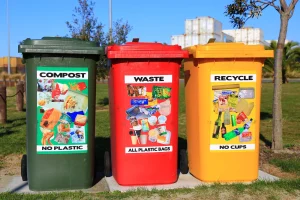
This well-known adage suggests using less materials overall, reusing them wherever practical, and recycling them where feasible. This can be followed in the following ways.
1. Minimize the usage of fresh materials and single-use materials such as tissue paper, plastics, etc.
2. Reuse and upcycle materials such as wood, glass, textiles, and grocery bags. Limit the acquisition of new products and increase the usage of used goods.
3. Promote the purchase of recyclable materials, such as paper, cardboard, or glass, and instruct people to place them in recycling bins to keep them out of the trash.
Transport Efficiency;

Environmental protection
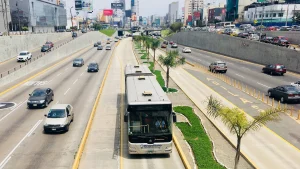
Air pollution outside is another consequence of vehicular traffic and is one of the main causes of heart and respiratory issues. Worldwide, there is a persistent upward trend in the number of vehicles per person; however, barely half of urbanites have access to public transportation. By 2050, carbon dioxide emissions from automobiles might be cut by about six gigatons if 60% of them are electric.
Shop secondhand;
Look first in a thrift store or vintage shop, or trade clothes with friends, before making your way to the mall to buy new clothes. Without squandering the valuable resources required to make new clothes, you can revitalize your existing wardrobe.
Buy Local;


Environmental protection
While we’re talking about buying, it’s crucial to consider the route your belongings take to get to you. The environmental impact of all that packing and the fuel required for delivery is substantial. Instead, before you click for that two-day shipping, check out your local farmers market for fresh, package-free food; consider dining at a farm-to-table restaurant; and make purchases from local businesses, artists, and apparel designers. Composting your food scraps and yard waste
Summary
All of the surrounding biotic (living) and abiotic (non-living) elements, such as air, water, land, and organisms, that affect the survival, growth, and behavior of life make up the environment. It includes architectural, social, and natural environments, creating intricate ecosystems such as the hydrosphere, lithosphere, and atmosphere.