Health
Excessive salivation

Excessive salivation. Persistent hypersalivation or abrupt onset of symptoms should be assessed by a healthcare provider, even though sporadic episodes of increased salivation production should not be reason for alarm. Depending on the underlying cause, treatment options for excessive salivation may include lifestyle changes, dental procedures, medication adjustments, or other targeted therapy. Speaking with a medical professional can assist in determining the underlying reason and creating a customized treatment strategy.
EXCESSIVE SALIVATION
The overproduction of saliva, also known as hypersalivation or excessive salivation, frequently results in drooling (sialorrhea). Dental problems, infections, GERD, pregnancy (ptyalism), adverse drug reactions (e.g., antipsychotics), or neurological disorders like Parkinson’s and stroke are the causes. Treatment options include speech therapy, medication, treating the underlying cause, and, in extreme situations, Botox injections.
Causes of excessive saliva production can include:
1. Dental issues:
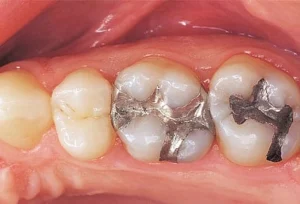

Certain dental conditions such as gum disease, oral infections, or poorly fitting dentures can stimulate saliva production
2. Medications: Some medications, including those used to treat Parkinson’s disease, epilepsy, or psychiatric disorders, can cause increased saliva production as a side effect.
3. Pregnancy: Hormonal changes during pregnancy can lead to hypersalivation in some women, often referred to as “pregnancy-induced sialorrhea.”
4. Gastrointestinal issues:


Conditions such as acid reflux (GERD), gastritis, or esophageal disorders can stimulate saliva production as a protective mechanism against stomach acid.
5. Neurological disorders: Certain neurological conditions such as stroke, cerebral palsy, or Parkinson’s disease can disrupt the nerves that control saliva production, leading to excessive salivation.
6. Infections: Infections of the mouth, throat, or salivary glands can cause increased saliva production as the body’s immune system responds to the infection.
7. Allergies:


Excessive salivation
Allergic reactions to food, medications, or environmental allergens can sometimes trigger excessive salivation production as part of the body’s inflammatory response.
8. Psychological factors: Emotional stress, anxiety, or nervousness can sometimes lead to hypersalivation as a physiological response to perceived threats or stimuli.
9. Habitual factors:

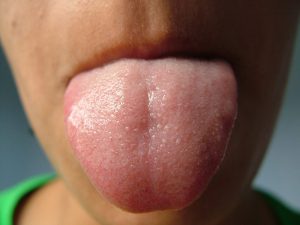
Excessive salivation
Certain habits such as frequent gum chewing, tobacco use, or excessive use of oral hygiene products (e.g., mouthwash) can stimulate saliva production.
Summary
The term “excessive saliva in the mouth,” sometimes referred to as “hypersalivation” or “sialorrhea,” is a condition in which the production of saliva exceeds normal limits. Although excessive saliva production can cause discomfort and inconvenience, saliva is essential for maintaining oral health since it helps with digestion, lubricates the mouth, and prevents tooth decay.