Face hygiene
Face Exfoliation Best Practices

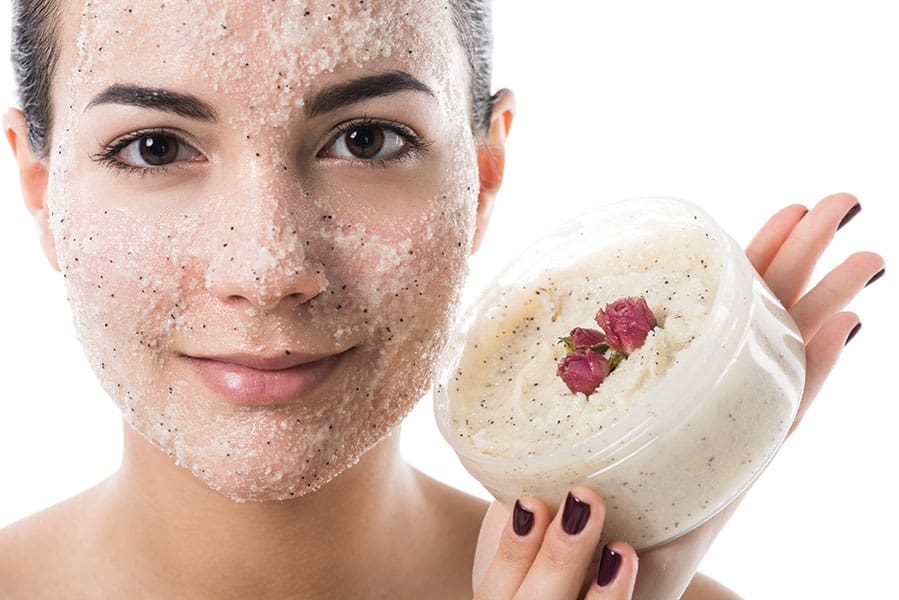
Face exfoliation best practices. Any skincare regimen must include face exfoliation since it helps to clear clogged pores, eliminate dead skin cells, and reveal a smoother, more radiant complexion. Your skin will appear renewed and fresh after a proper exfoliation, which can encourage a healthy skin cell turnover. Here are several advantages of exfoliation and safe methods.When done correctly, face exfoliation is a powerful tool for preserving skin that is radiant and healthy. You can benefit from smoother, cleaner, and more beautiful skin by selecting the appropriate exfoliation technique and following safe procedures.
FACE EXFOLIATION BEST PRACTICES
By removing debris, oil, and dead skin cells from the skin’s surface, face exfoliation helps to clear clogged pores and prevent acne while also creating a smoother, more radiant complexion. Physical scrapes or tools and chemical exfoliants (AHAs/BHAs) that break down skin connections are important techniques. Exfoliation should be done one to three times a week in order to be safe and effective; excessive exfoliation might cause harm.
Benefits of Face Exfoliation;

1. Removes Dead Skin Cells: Exfoliating sloughs away dead skin cells that accumulate on the surface, preventing dullness and promoting a more radiant appearance.
2. Unclogs Pores: Regular exfoliation can help remove dirt, oil, and impurities from pores, reducing the risk of blackheads and breakouts.
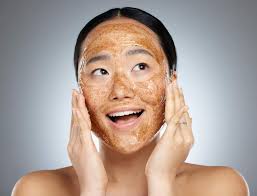
3. Enhances Absorption of Skincare Products: By clearing away dead skin, exfoliation allows moisturizers, serums, and other skincare products to penetrate more effectively and deliver better results.
4. Promotes Even Skin Tone: Exfoliation helps to fade dark spots, hyperpigmentation, and acne scars over time, resulting in a smoother, more even skin tone.
5.Improves Skin Texture: Consistent exfoliation can soften rough patches, leaving your skin feeling smoother and more supple.
Types of Face Exfoliation;
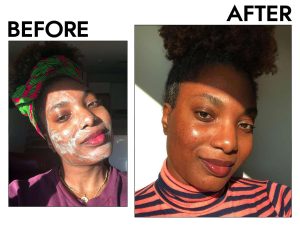
Face exfoliation best practices
1. Physical Exfoliation: This involves using scrubs or brushes to manually remove dead skin. Look for gentle scrubs with fine particles or use a soft facial brush to avoid micro-tears or irritation.
2. Chemical Exfoliation: This method uses acids like alpha-hydroxy acids (AHAs) or beta-hydroxy acids (BHAs) to dissolve dead skin cells. AHAs, such as glycolic acid and lactic acid, work well for dry or sun-damaged skin, while BHAs, like salicylic acid, are ideal for oily or acne-prone skin.
Best Practices;
1. Choose the Right Product for Your Skin Type:

Face exfoliation best practices
People with sensitive skin should opt for mild exfoliants and avoid harsh scrubs. Those with oily skin may benefit from stronger chemical exfoliants.
2. Frequency Matters:
Over-exfoliating can lead to skin irritation, dryness, and sensitivity. Limit exfoliation to 1-3 times a week, depending on your skin type and product strength.
3. Moisturize After Exfoliating:

Face exfoliation best practices
Always follow up with a hydrating moisturizer to soothe the skin and lock in moisture.
Exfoliation can make your skin more sensitive to the sun. Apply sunscreen daily to protect against UV damage and prevent hyperpigmentation.
Summary
In order to improve texture, increase radiance, and unclog pores, an effective face exfoliation removes dead skin cells. However, it must be done carefully to prevent harming the skin’s moisture barrier. The best practices include being gentle, moisturizing straight away, using sunscreen every day, and selecting the appropriate technique for your skin type (chemical vs. physical).
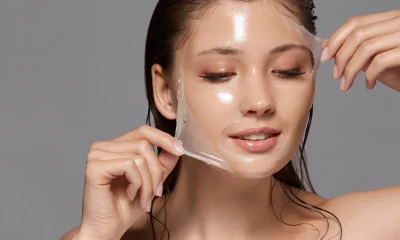






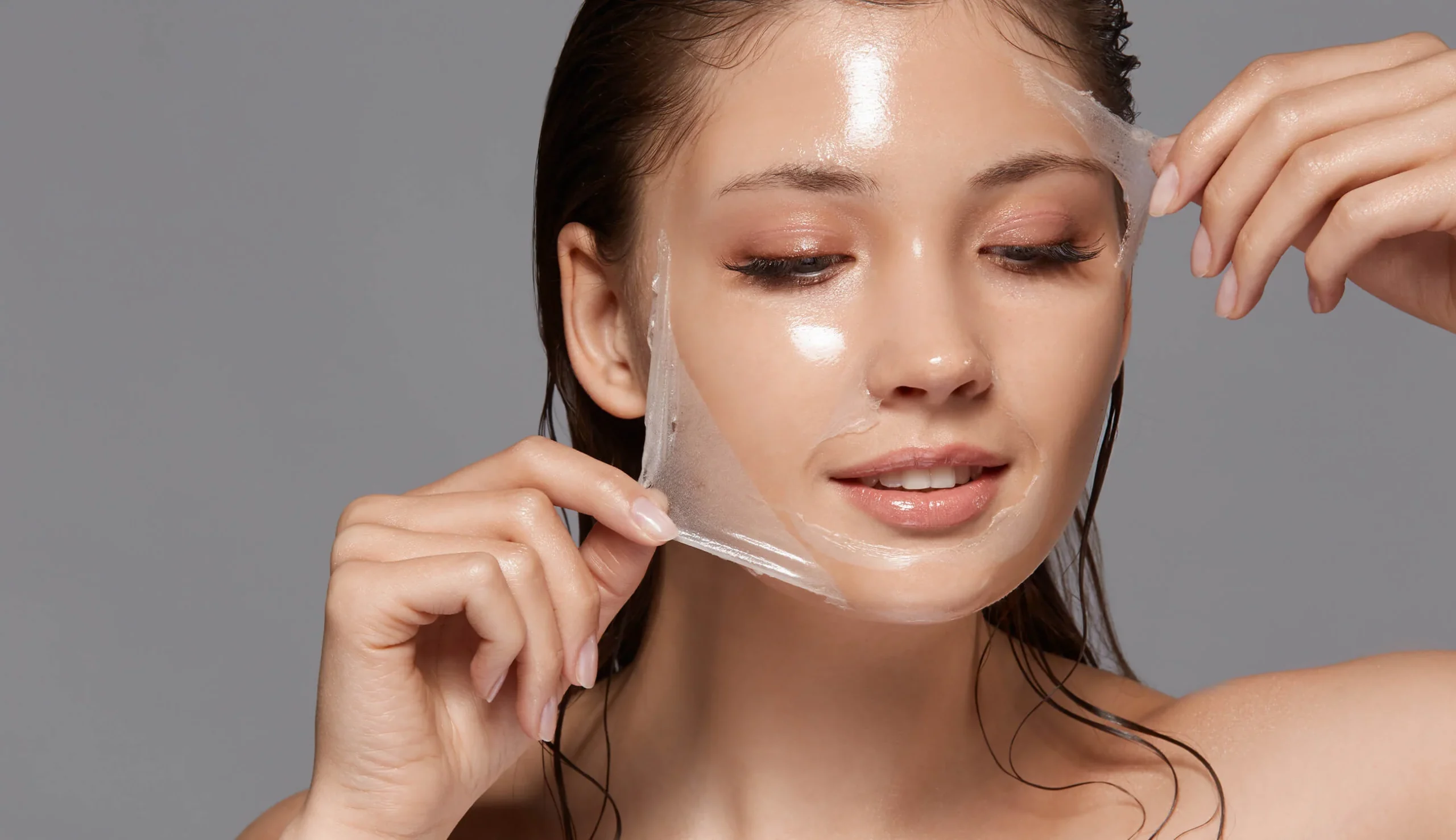
Chemical face exfoliation. Acids such as AHAs (glycolic, lactic, and mandelic) are used in chemical exfoliants for surface texture and brightness, BHAs (salicylic acid) are used for deep pore cleansing in oily or acne-prone skin, and PHAs (gluconolactone) are used as softer, hydrating alternatives. These acids dissolve dead skin cells to leave the skin smoother, clearer, and more evenly toned without the need for harsh scrubbing.
CHEMICAL FACE EXFOLIATION
Chemical exfoliation is a popular skincare method that uses acids or enzymes to dissolve dead skin cells and promote cell turnover, resulting in smoother, clearer skin. While it can be highly effective, it’s important to know how to use chemical exfoliants safely to avoid irritation or damage. Here’s a step-by-step guide on how to do chemical face exfoliation.
Step 1: Choose the Right Exfoliant for Your Skin Type
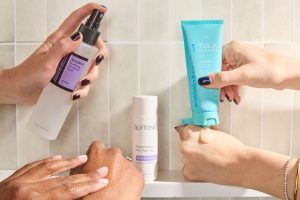
– Alpha-Hydroxy Acids (AHAs): AHAs, such as glycolic acid and lactic acid, are water-soluble acids that work best for normal to dry skin types. They help exfoliate the surface layer of the skin and are ideal for treating sun damage, fine lines, and uneven skin texture.
– Beta-Hydroxy Acids (BHAs): BHAs, like salicylic acid, are oil-soluble and penetrate deeper into the pores. They’re suitable for oily and acne-prone skin as they help reduce oil buildup and prevent breakouts.
– Polyhydroxy Acids (PHAs): PHAs are larger molecules than AHAs, making them more gentle. They are a great option for sensitive skin, as they exfoliate without causing significant irritation.
Step 2: Cleanse Your Skin
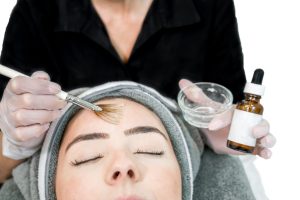
Before applying a chemical exfoliant, start by cleansing your face with a gentle, pH-balanced cleanser to remove makeup, dirt, and oils. Pat your skin dry with a clean towel.
Step 3: Apply the Chemical Exfoliant
– Liquid or Serum Form: Apply a few drops of the exfoliant to a cotton pad or your fingertips and gently swipe or pat it onto your face. Avoid the eye and lip areas, as these areas are more sensitive.
– Gel or Cream Form: Apply a thin layer evenly over the face.
Allow the product to absorb for a few minutes before applying any other skincare products. Follow the instructions on the product for how long to leave it on the skin, especially if it’s a wash-off product.
Step 4: Follow Up with a Moisturizer
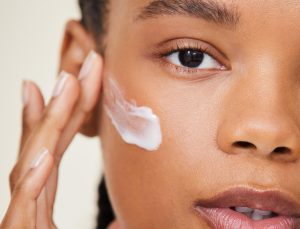
Chemical face exfoliation
Also, chemical exfoliation can leave your skin feeling dry or tight. Follow up with a hydrating serum and a moisturizer to replenish the skin’s moisture barrier and keep it supple.
Step 5: Always Use Sunscreen
Chemical exfoliation can make your skin more sensitive to the sun. Apply a broad-spectrum sunscreen with at least SPF 30 during the day to protect your skin from UV damage and prevent hyperpigmentation.
Best Practices and Tips;

Chemical face exfoliation
– Start Slowly: If you’re new to chemical exfoliation, begin by using the product once a week and gradually increase to 2-3 times per week as your skin builds tolerance.
– Patch Test: Always perform a patch test on a small area of skin before using a new chemical exfoliant on your face to check for potential reactions.
Chemical face exfoliation
– Avoid Over-Exfoliation: Using multiple exfoliating products or exfoliating too frequently can damage your skin barrier and cause redness, peeling, or irritation.
Summary
Acids such as AHAs (glycolic, lactic, and mandelic) are used in chemical exfoliants for surface texture and brightness, BHAs (salicylic acid) are used for deep pore cleansing in oily or acne-prone skin, and PHAs (gluconolactone) are used as softer, hydrating alternatives. These acids dissolve dead skin cells to leave the skin smoother, clearer, and more evenly toned without the need for harsh scrubbing.

Pimples removal tips. It cannot be physically removed, nor can they be eliminated overnight. However, pimples can be less apparent and discomfort and swelling can be reduced with the use of home care methods. Acne and pimple treatments take time to take effect. It could take several days or weeks for a single pimple to fully cure.
PIMPLES REMOVAL TIPS
A blemish’s size, intensity, and treatment over time can all affect how long it takes to go away. Picking or popping the pimple, for instance, may cause further scarring. This post will go over various long-term acne treatment alternatives as well as how people can treat pimples at home to fast lessen their appearance.
Ways to Get Rid of Pimples Fast:
1. Apply Ice to the Pimple;

PIMPLES REMOVAL TIPS
Applying ice is the first step in soothing an irate, painful pimple. For three to four minutes at a time, place some ice against the irritated area by wrapping it in a cloth. Before wrapping in cloth, place a few ice cubes in a plastic sandwich bag if the ice melts too soon. Repeat multiple times a day to help calm the skin and minimize swelling.
2. Apply a Paste of Crushed Aspirin to the Pimple;

Salicylic acid, which is found in aspirin, is very good in getting rid of dead skin cells and excess oil. One or two aspirin tablets should be crushed and combined with a few drops of water to creat a paste.
Next, apply the paste directly on the zit. This should lessen the pain associated with the zit as well as swelling and redness. After letting the paste sit for ten to fifteen minutes, thoroughly rinse with warm water.
3. Use Makeup with Salicylic Acid to Conceal Pimples;

PIMPLES REMOVAL TIPS
Because we have pimples, we can’t just stay indoors. Thankfully, there are a number of makeup products that we may use to both safely conceal and treat imperfections. Similar to the previously discussed acne spot treatments, there are few essential terms to search for on the labels of items like concealers, face powder, and foundation.
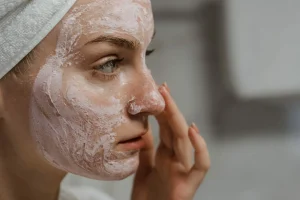
5. Apply a Face Mask for Acne;

PIMPLES REMOVAL TIPS
These days, there are a ton of face masks available, and a lot of them are pimple targeting . Once more, salicylic acid and benzoyl peroxide are present. These chemicals immediately cure acne by clearing clogged pores and lowering inflammation. Sulfur is another chemic that functions similarly
Summary
Face masks frequently contain sulfur, which helps treat pimples, particularly lesser ones.It might also bring back memories of hot springs, match heads, and the strong smell of eggs. Because it is friendlier than benzoyl, sulfur may be a better choice if you have sensitive skin.

Capable God Lyrics

Glorious God Lyrics

Ancient of Days Lyrics

A Step-by-Step Guide to Deleting Reels on Instagram

How to Create a WhatsApp Group