Uncategorized
Foam/Mattress consumption: The dangers and solutions


Foam/Mattress consumption is risky and can have negative health effects. It is not recommended to consume foam, as doing so may result in blockages, choking, or stomach issues. It’s crucial to get medical help right away if you or anyone else has consumed foam.
For a variety of reasons, people may choose to consume foam, but it’s crucial to remember that this is neither advised nor safe. Among the possible causes are:
1. Pica Disorder:
This is a rare mental health disorder where individuals have a persistent craving to eat non-food items, including foam. It can be associated with nutritional deficiencies or other mental health issues.
2. Developmental Disorders:
In some cases, individuals with developmental disorders might engage in behaviors such as eating non-food items due to sensory or behavioral issues.
3. Attention-Seeking Behavior:
Some individuals may eat foam as a form of attention-seeking behavior, seeking reactions from others.
Regardless of the reason, ingesting foam can pose serious health risks, and if someone is doing so, it’s essential to seek professional help from healthcare providers or mental health experts.
Ingesting foam can have various adverse effects on health:
1. Choking Hazard:
Foam can cause choking, as it may become lodged in the throat, blocking the airway. 
2. Digestive Issues:
Foam/Mattress consumption may lead to gastrointestinal problems, including nausea, vomiting, and abdominal discomfort.
3. Blockages:
Foam is not digestible and may create blockages in the digestive tract, potentially requiring medical intervention.
If someone has ingested foam:
1. Seek Medical Help:
Call emergency services or visit the nearest emergency room immediately.
2. Do Not Induce Vomiting:
Unless directed by medical professionals, avoid trying to induce vomiting, as it may worsen the situation.
3. Stay Calm:
Keep the person calm and encourage them not to panic while waiting for medical assistance.
Remember, quick medical attention is crucial in such situations.
4. Seek God’s help:
Do not forget to talk to God in prayer in any situation you find yourself or you see your neighbour(s) in. He can do all things. 
Stay tuned for more updates.


Happiness Benefits. Unfortunately, a lot of people confuse happiness with a luxurious emotion that is only experienced in the here and now, such as tingling in the spine and warm, fuzzy feelings. Nonetheless, a growing amount of research is showing the tremendous benefits of happiness. It is very beneficial to us and pervades many important aspects of life.
HAPPINESS BENEFITS
Happiness has several positive effects on one’s body and mind, including improved health, less stress, and increased concentration. Since happiness is a subjective emotional experience that varies from person to person, it may be challenging to define.
In general, two primary elements make up happiness:

Overall, feeling more happy than negative emotions is the emotional equilibrium.
Life satisfaction refers to how content we are with various aspects of our lives, including our relationships, careers, hobbies, and the degree to which our lives are in line with our moral principles.
What is Happiness?
Happiness refers to our general sense of purpose and fulfillment in life, and it goes beyond simply being the absence of melancholy. It is possible to be happy and still feel detached, uninterested, or numb.
To what extent can we influence our happiness?

Happiness Benefits
Numerous outstanding studies have examined happiness, how we perceive it, and most importantly, what we can do to cultivate and preserve our happiness and well-being.
Among the important tactics noted in the research body are:
cultivating a thankful mindset
Assisting others
Maintaining our physical well-being by getting enough sleep and exercising
The benefits of happiness

Happiness Benefits
Here are some key takeaways:
1. It can strengthen your bonds with others.
2. It can increase your output: When you’re feeling good, you can generate more.
3. It may encourage healthier lifestyle choices: People who are happier exercise more.
4. It may result in improved immunological response: Happier People tend to be more resilient to colds and even heal wounds more quickly. Counseling and Psychological Services
Summary
Joy, contentment, and life satisfaction are characteristics of happiness, which is a pleasant emotional state. It encompasses both immediate enjoyment and long-term well being, as discussed in Positive Psychology.

Relevance of Meditation and Mindfulness. Today, developing mental resilience, lowering stress, and improving emotional control all benefit greatly from meditation and mindfulness. These techniques reduce cortisol, enhance focus, and promote general physical and mental well-being by teaching the brain to remain grounded in the present moment without passing judgment.
RELEVANCE OF MEDITATION AND MINDFULNESS
It can be difficult to focus on current events. We sometimes find ourselves obsessing over things from the past that we cannot change or thinking more about the future than the present. We may not be able to live in the present. With practice, present-moment awareness can be developed.
What is Mindfulness?
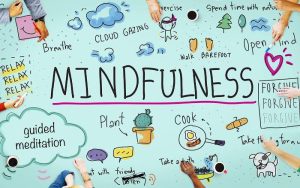
Relevance of Meditation and Mindfulness
Mindfulness means living in the present moment. Essentially, it means being (intentionally) more aware and awake to each moment and being fully engaged in what is happening in one’s surroundings with acceptance and without judgment.
Mindfulness has its roots in Buddhist meditation. In recent years, mindfulness has become a household term. Mindfulness programs are now commonly found in schools, workplaces, and hospitals.
What is Meditation?

Relevance of Meditation and Mindfulness
Among, if not the greatest art in life, meditation is one of the best. Because love exists in the comprehension of meditation, and love is not the result of routines, habits, or methodical application. One cannot grow love via contemplation. Perhaps total solitude is the best environment for love to blossom. And the understanding of the nature of its movement, as thought and feeling, is a prerequisite for the mind becoming silent. How to Start a Meditation Practice.
Summary
You become aware of your thoughts, emotions, sensations, environment, and both internal and exterior activity. You observe these times without making any judgments. This is what we call awareness. It can be difficult to focus on current events. Often, we discover ourselves
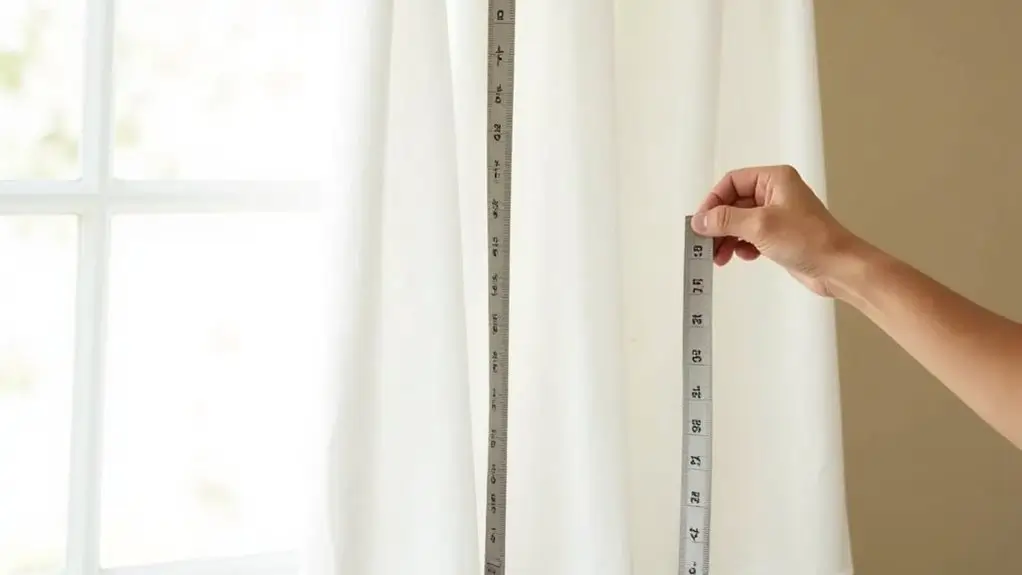
Measuring Drapes and Upholsteries. For draperies, measure the width of your rod and multiply the result by 1.5 to 3 for fullness. For curtains that “float” slightly above the ground, deduct 1/2 inch from the length measured from the rod to the floor. Measure the item’s broadest points (length, width, and height) and add seam allowances for upholstery.
MEASURING DRAPES AND UPHOLSTERIES
Use a flexible tape measure to measure each component of your furniture independently. On paper, label each section (e.g., inner back, seat, arms). For tucks and seams, increase your width and height measurements by at least 4 inches. Purchase an additional 10% to 15% of cloth for mistakes and designs. To estimate how much upholstery fabric you will need, a yardage chart is a great place to start if you want to attempt doing it yourself.
How Much Fabric IS Needed?

Start an upholstery project, run out of fabric, more of the exact same fabric, there are few things worse than that. For this reason, it is essential to be able to anticipate how much material you will require. There are a few fundamental guidelines to go by, though there will be a lot of variety based on the kind of furniture you are covering:
1.Measure each cushion’s length and width starting at the seam and working your way outward. Make sure you measure the side panels as well, and remember to give one inch for seam allowances. Covering one sofa cushion typically requires two yards of cloth.

Measuring Drapes and Upholsteries
2.Proceed to measure the sofa’s back from seam to seam. Once more, add one inch to the length and breadth of the couch for seam allowances. Take measurements of the sofa’s front width and length.
3.After that, measure the seating area’s exterior and inside after removing the cushions.
4.To calculate the yardage, take your figures and divide them by 3
5.Remember that upholstery fabric typically measures 54 inches in width.
Calculate The Amount Of Fabric;

Measuring Drapes and Upholsteries
Will Need The method for calculating fabric yardage for sofas and chairs is similar. Measure the piece’s length and width first. Measure the sides, back, and front, and don’t forget to account for seam allowances by adding one inch. After that, measure the frame, taking into consideration any places that have cloth covering them. Determine the overall length and width of the couch.
Summary
measurements for upholstery and drapes. Reupholstering couches and chairs is a great way to revitalize worn-out furniture. However, this undertaking is far from simple.Since determining fabric yardage for upholstery needs specialized knowledge, it is recommended to leave this project to the experts.

Torchlight Selection

Best Practices for Face Exfoliation

Chemical Face Exfoliation

A Step-by-Step Guide to Deleting Reels on Instagram

A Comprehensive Guide to Setting Up a YouTube Premiere