Foot health
Foot Massage Relevance

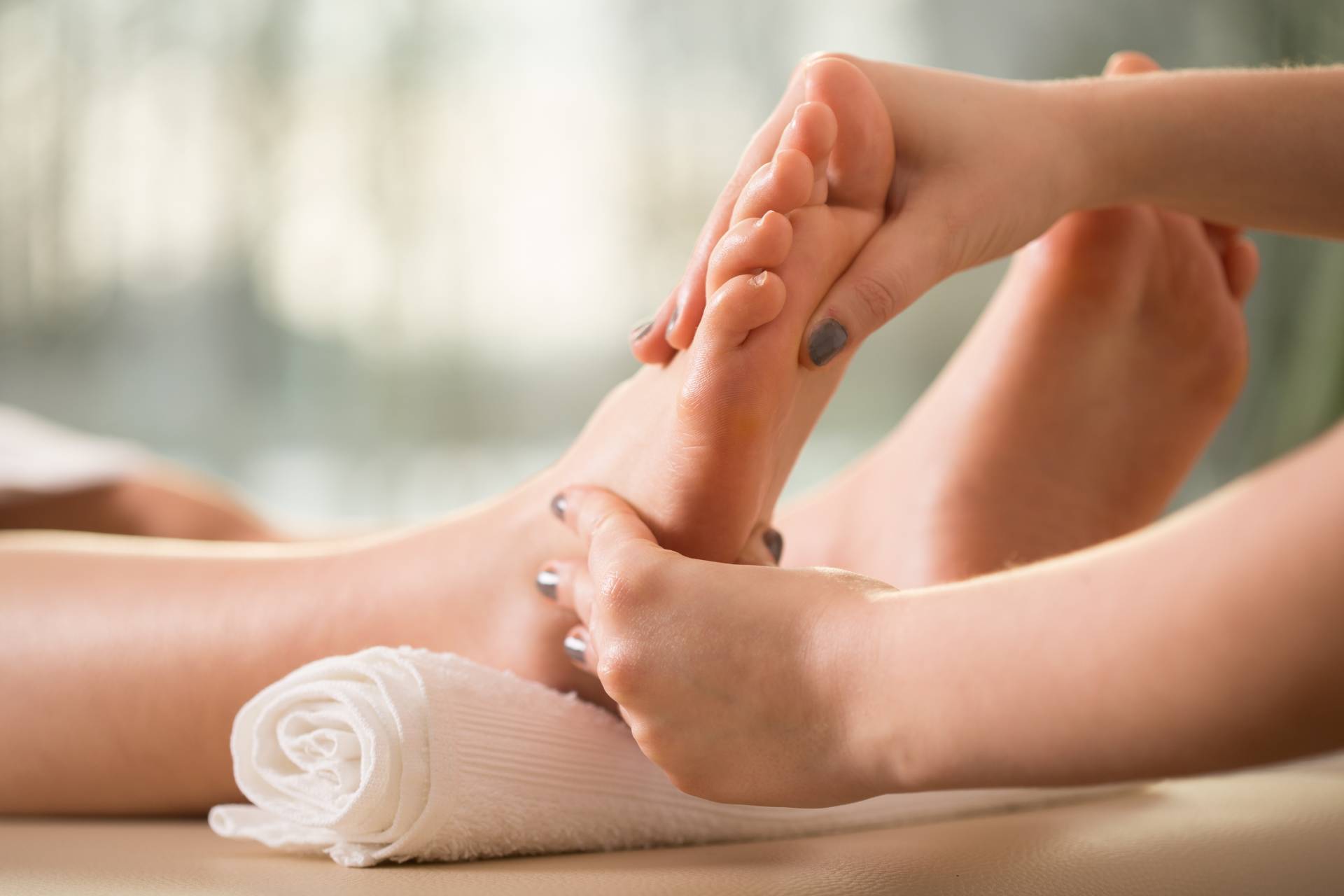
Foot massage relevance. In addition to being a calming experience, foot massages provide other health advantages. Regular foot massages can enhance circulation, lessen discomfort, and encourage mental and physical relaxation, whether they are done professionally or at home.A foot massage offers many advantages that enhance general wellbeing, making it more than just a soothing treatment. By stimulating pressure points in the feet, this ancient therapy has benefits for both physical and emotional health.
FOOT MASSAGE RELEVANCE
By increasing circulation, lowering stress levels, easing pain from ailments like plantar fasciitis, and promoting better sleep, foot massages offer substantial physiological, physical, and mental advantages. They are useful for injury rehabilitation, anxiety reduction, and general relaxation and energy levels because they target pressure points to improve muscle function, joint flexibility, and lymphatic drainage.
Key Benefits;
1. Improves Circulation:
Regular foot massage helps increase blood flow, which is essential for maintaining healthy tissues and muscles. Improved circulation can reduce muscle soreness and promote faster recovery after physical activity.
2. Reduces Stress and Promotes Relaxation:
Foot massages can help release tension and reduce stress levels. The practice activates the nervous system, promoting the release of endorphins—natural feel-good hormones that enhance relaxation.
3. Alleviates Pain:

FOOT MASSAGE RELEVANCE
A foot massage can provide relief from foot pain, muscle soreness, and even headaches. It can be especially helpful for people who spend long hours standing or those with conditions like plantar fasciitis.
4. Enhances Sleep Quality:
Massaging the feet before bedtime can encourage better sleep by reducing tension and promoting relaxation. It is a simple and effective way to unwind and prepare for a restful night.
5. Boosts Mood and Mental Health:

FOOT MASSAGE RELEVANCE
The calming effects of a foot massage can help reduce anxiety and improve mood. It has been found to have positive effects on mental health, making it a useful tool for those looking to manage stress and anxiety naturally.
Summary
By focusing on pressure points to relieve stress, foot massages increase circulation, lower anxiety, and encourage better sleep. Methods include kneading the heel, softly stretching the toes, and applying circular motions with the thumbs to the soles. A 10- to 20-minute session can greatly reduce discomfort and relax muscles.


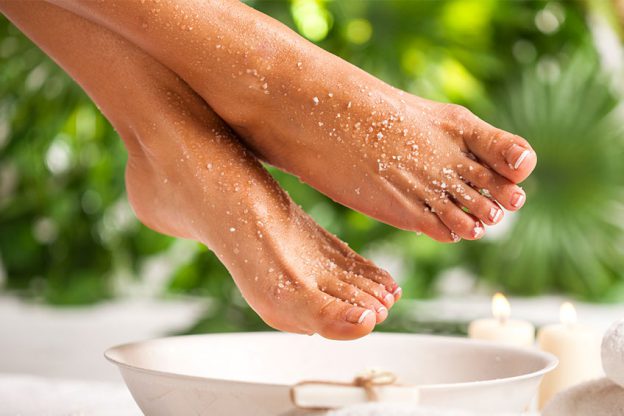
How to do Foot Exfoliation. Exfoliating your feet is a crucial part of keeping them smooth and healthy. In order to avoid dryness, cracking, and other foot problems, it entails eliminating dead skin cells from the feet’s surface. Frequent foot exfoliating enhances overall foot health in addition to attractiveness. Here’s why it’s good and how to do it well.
HOW TO DO FOOT EXFOLIATION
A quick and easy technique to keep your feet healthy and supple is to exfoliate them. Regular exfoliation will keep your feet smooth and comfortable by preventing typical problems including dryness, cracking, and calluses.
Benefits;
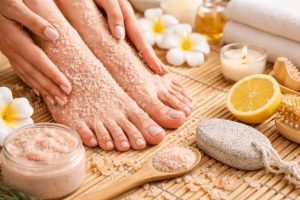
1. Prevents Dry, Cracked Skin: Exfoliating the feet helps to remove dead skin cells that can build up and cause rough, cracked skin. This is particularly important for areas like the heels, which are prone to becoming dry and calloused.
2. Improves Moisture Absorption: Exfoliating the feet allows moisturizers to penetrate more effectively. Without a layer of dead skin acting as a barrier, moisturizing products can better hydrate and soften the skin.
3. Boosts Circulation: The gentle rubbing motion involved in exfoliation can help stimulate blood flow to the feet. Which aids in healthier skin and tissue regeneration.
4. Reduces Odor: By removing dead skin and reducing bacterial buildup, regular exfoliation can help minimize foot odor and promote overall hygiene.
How to Exfoliate;
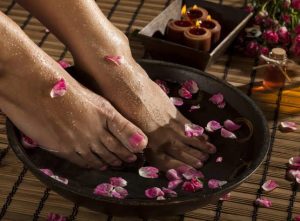
1. Foot Soak: Start by soaking your feet in warm water for 15-20 minutes. Adding Epsom salt or a few drops of essential oils like lavender or tea tree oil can enhance the soak’s benefits.
2. Use a Pumice Stone or Foot Scrub: Gently scrub the feet with a pumice stone or a foot scrub to remove dead skin. Focus on rough areas like the heels and balls of the feet, but avoid scrubbing too hard to prevent irritation.
3. Exfoliating Masks: You can also use foot exfoliation masks or peels that are designed to remove dead skin over a few days. These masks contain ingredients like alpha-hydroxy acids (AHAs) to chemically exfoliate the skin.
4. Moisturize: After exfoliating, rinse your feet, pat them dry, and apply a rich foot cream or lotion to lock in moisture.
5. Frequency:
How to do Foot Exfoliation
Aim to exfoliate your feet 1-2 times a week, depending on your skin type and needs.
Summary
To exfoliate your feet at home, soak them in warm water for ten to fifteen minutes, then use a rich moisturizer after gently scrubbing or filing the dead skin.
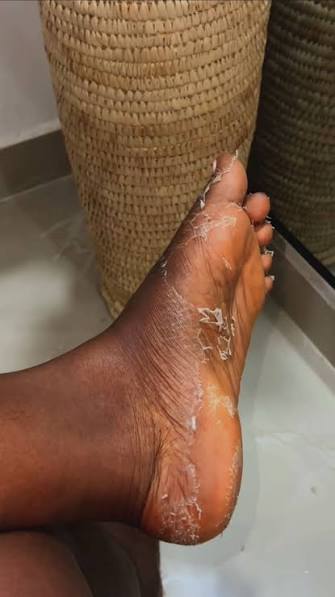
Importance of Foot Exfoliating Masks. An inventive way to have soft, smooth feet without having to scrape is with foot exfoliation masks. Over the course of many days, these masks are intended to thoroughly exfoliate and eliminate layers of dead skin, leaving your feet feeling revitalized and renewed.
IMPORTANCE OF FOOT EXFOLIATING MASKS
Alpha and beta hydroxy acids, which are chemical peeling agents, are used in foot exfoliation masks to remove thick layers of dead skin and calluses.
Meaning?
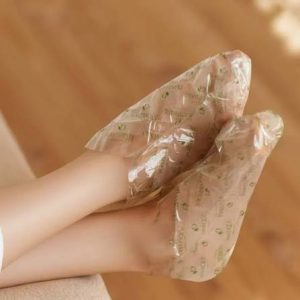
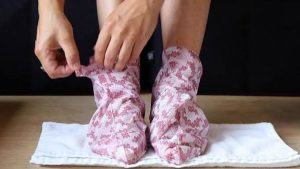
Foot exfoliating masks typically come in the form of bootie-like pouches filled with a blend of exfoliating and moisturizing ingredients, such as alpha hydroxy acids (AHAs) like glycolic acid or lactic acid, and nourishing elements like aloe vera and vitamin E. When worn for a set amount of time, the mask initiates a peeling process that sloughs off dead skin over the next week or so.
Benefits of Foot Exfoliating Masks:
1.Deep Exfoliation: These masks penetrate deeply to remove built-up layers of dead skin, revealing smoother and healthier-looking feet.
2.Convenience: Unlike manual exfoliation, foot masks are easy to use and require minimal effort. Simply slip them on and let them work while you relax.
3.Softens Rough Patches:
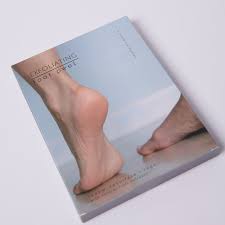
Importance of Foot Exfoliating Masks
Foot masks help soften tough, calloused areas that are difficult to manage with regular scrubbing alone.
4.Prevents Cracking: Regular use of exfoliating masks helps prevent dry, cracked heels and keeps feet hydrated.
5.Promotes Renewal: By accelerating the shedding of dead skin, foot masks encourage the growth of new, healthier skin cells.
How to Use it;
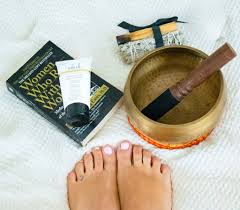
Importance of Foot Exfoliating Masks
1.Start with Clean Feet: Wash and dry your feet thoroughly before using the mask.
2.Wear the Mask: Put on the foot mask booties and secure them according to the instructions. Leave them on for the recommended duration, usually 60-90 minutes.
3.Remove and Rinse: After the allotted time, remove the masks and rinse your feet with warm water.
4.Wait for Results: Over the next 3-7 days, the dead skin will start to peel off naturally. Avoid manually peeling the skin to prevent injury.
Tips for Best Results:
– Soak Your Feet: Soaking your feet in warm water daily after using the mask can help accelerate the peeling process.
– Moisturize Gently: Apply a light moisturizer to keep your feet hydrated without interfering with the exfoliation process.
– Avoid Immediate Exposure: During the peeling phase, avoid wearing open-toed shoes to prevent debris and dirt from getting onto peeling skin.
Summary
Foot exfoliation masks are a great addition to your foot care regimen since they offer a hassle-free approach to keep your feet smooth, silky, and healthy.
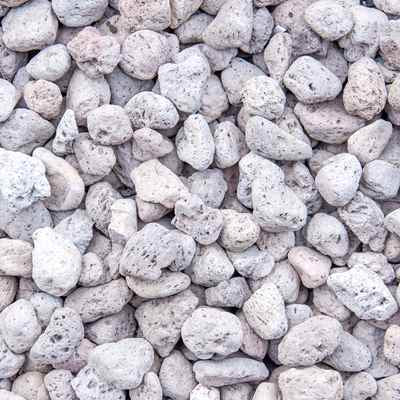
Pumice Stones. When frothy lava cools rapidly, lightweight, abrasive volcanic rocks known as pumice stones are created. When frothy lava cools quickly, a lightweight, abrasive volcanic rock known as pumice is created.
PUMICE STONES
To keep your feet healthy and smooth, you need a pumice stone and foot scrub. Frequent use promotes soft, renewed skin, prevents calluses, and eliminates dead skin cells.
Benefits of a Pumice Stone or Foot Scrub:
1.Removes Dead Skin:
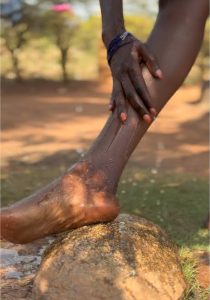
Both tools effectively exfoliate and remove dead skin layers, leaving your feet smoother and softer.
2.Prevents Calluses: Routine use helps prevent the build-up of thick, hardened skin that can turn into painful calluses.
3.Improves Skin Texture: Exfoliation promotes smoother skin and helps prevent cracks, especially on the heels.
4.Enhances Absorption:
Pumice Stones
Exfoliating makes it easier for moisturizing creams and treatments to penetrate and hydrate the skin more effectively.
5.Boosts Circulation: The massaging action of using foot scrubs or pumice stone can stimulate blood flow, promoting healthier skin.
How to Use:
– Soften the Skin: Soak your feet in warm water for 10-15 minutes.
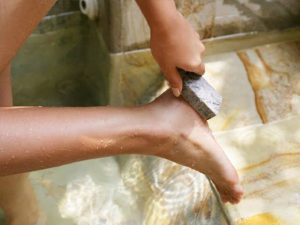
– Apply the Scrub or Stone: Use a pumice stone in a gentle circular motion or apply a foot scrub to exfoliate the skin.
– Rinse and Moisturize:
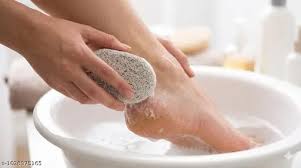
Pumice Stones
Rinse your feet, dry them thoroughly, and follow up with a moisturizer to lock in hydration.
Summary
Your feet can remain soft, smooth, and free of dead skin by using a pumice stone or foot scrub as part of your foot care regimen.

Torchlight Selection

Best Practices for Face Exfoliation

Chemical Face Exfoliation

A Step-by-Step Guide to Deleting Reels on Instagram

A Comprehensive Guide to Setting Up a YouTube Premiere