Connect with us

Health

Fungal Infections: Causes, Symptoms, and Treatment

Published

on

Fungal infections are common health conditions caused by fungi—organisms that thrive in warm, moist environments. While some fungi are harmless, others can cause infections that affect the skin, nails, lungs, or internal organs. These infections range from mild and treatable to more serious in people with weakened immune systems.

In this post, we’ll explore what fungal infections are, their types, symptoms, and how to manage them effectively.

What Is a Fungal Infection?

A fungal infection occurs when harmful fungi grow on or inside the body. Fungi live in the air, soil, water, and on the human body. When the immune system can’t keep them under control, they can multiply and cause infection.

Common Types of Fungal Infections

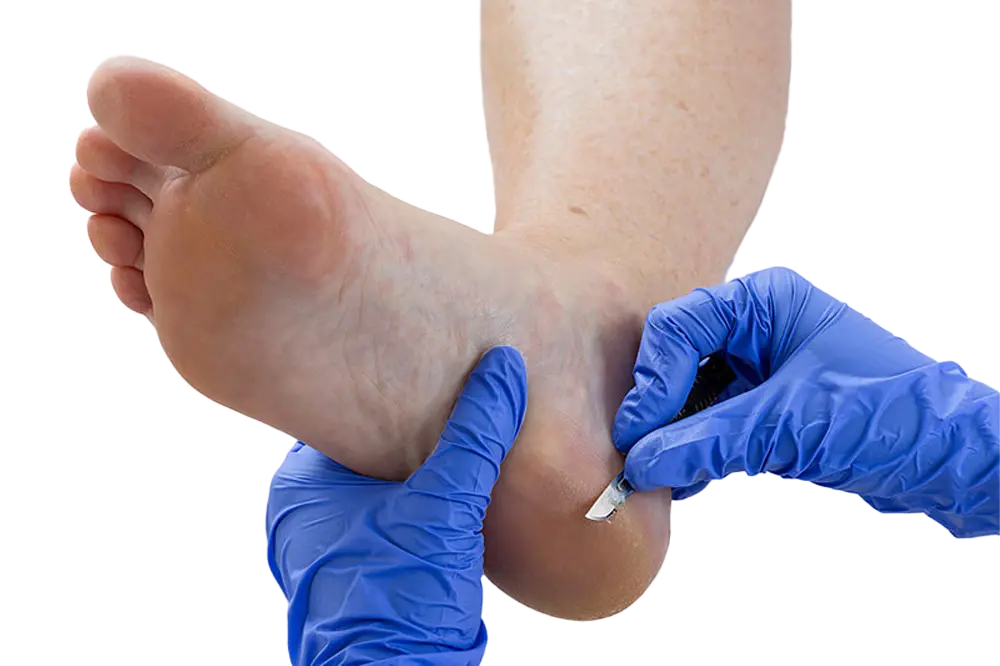
1. Athlete’s Foot (Tinea Pedis):

•Affects the feet, especially between the toes.

• Symptoms: Itching, burning, cracked or peeling skin.

2. Ringworm (Tinea Corporis):

• Affects the skin on the body.

• Symptoms: Red, circular, itchy rash with a clearer center.

3. Yeast Infection (Candidiasis):

• Caused by Candida, especially in the mouth, throat, or vagina.

• Symptoms: White patches in the mouth (oral thrush), itching, discharge, and irritation in vaginal infections.

4. Jock Itch (Tinea Cruris):

• Affects the groin, inner thighs, and buttocks.

• Symptoms: Red, itchy rash often in a ring shape.

5. Nail Fungus (Onychomycosis):

• Affects fingernails or toenails.

• Symptoms: Discoloration, thickening, and crumbling of the nail.

6. Systemic Fungal Infections:

• Affect internal organs (e.g., lungs, brain) and are more serious.

• Common in people with weak immune systems (e.g., HIV, cancer patients).

Causes and Risk Factors

– Warm, moist environments (locker rooms, sweaty clothing)

Poor hygiene

– Wearing tight or non-breathable clothing

– Weak immune system

– Long-term antibiotic use

– Sharing personal items (towels, shoes, etc.)

Diagnosis and Treatment

Diagnosis is usually based on:

– Physical examination

– Lab tests (skin scrapings, cultures, or blood tests)

Treatment options:

– Topical antifungals: Creams, ointments, or sprays for skin infections.

– Oral antifungals: Pills for more severe or internal infections.

– Lifestyle changes: Keeping affected areas dry and clean, wearing breathable clothes.

Prevention Tips

– Keep your skin clean and dry.

– Avoid sharing towels, shoes, or personal care items.

– Wear sandals in communal showers.

– Change socks and underwear daily.

– Maintain a healthy immune system through proper diet and rest.

Conclusion

Fungal infections are usually mild but can become serious if left untreated, especially in people with weak immune systems. The good news is that with good hygiene, early diagnosis, and proper treatment, most fungal infections are easy to manage.

If you notice persistent itching, rashes, or unusual symptoms on your skin, nails, or elsewhere, see a healthcare provider for advice and care.

Continue Reading
1 Comment

1 Comment

  1. Pingback: Watery Stools: Causes, Symptoms, and When to See a Doctor - SimplExplainer

Leave a Reply

Your email address will not be published. Required fields are marked *

Health

Liver disease early signs

Published

on

Liver disease early signs. For an accurate assessment and diagnosis, it’s critical to speak with a healthcare provider if you consistently encounter any of these symptoms. Liver disease outcomes can be greatly enhanced and further complications can be avoided with early detection and treatment. A balanced diet, frequent exercise, and abstaining from alcohol are all components of a healthy lifestyle that can promote liver health and lower the risk of liver disease.

LIVER DISEASE EARLY SIGNS

The liver is a vital organ responsible for processing nutrients, filtering toxins from the blood, and aiding in digestion. However, various factors such as excessive alcohol consumption, viral infections, and obesity can lead to liver disease. Recognizing the early signs of liver disease is crucial for timely intervention and treatment. Here are some common indicators to watch out for:

1. Fatigue:

Persistent fatigue and weakness may signal liver dysfunction as the liver plays a key role in energy metabolism. If you find yourself unusually tired despite adequate rest, it’s essential to consider the health of your liver.

2. Jaundice: One of the most recognizable signs of liver disease is jaundice, characterized by yellowing of the skin and the whites of the eyes. Jaundice occurs when the liver is unable to effectively metabolize bilirubin, a pigment produced during the breakdown of red blood cells.

3. Abdominal Pain and Swelling: Pain and swelling in the abdomen, particularly in the area of the liver (located in the upper right quadrant), can indicate liver inflammation or enlargement. This discomfort may vary from a dull ache to sharp, stabbing pains.

4. Changes in Urine and Stool: Liver disease can alter the color and consistency of urine and stool. Dark urine may indicate the presence of bilirubin, while pale stools suggest a lack of bile reaching the intestines for digestion.

5. Loss of Appetite and Weight Loss:

A decrease in appetite and unintended weight loss can occur as a result of liver disease, particularly when accompanied by nausea or vomiting. This may be due to the liver’s diminished ability to produce bile and aid in digestion.

6. Nausea and Vomiting: Persistent nausea and vomiting, especially after meals, can be early signs of liver impairment. These symptoms may worsen as liver function declines.

7. Skin Itching: Itchy skin, medically known as pruritus, can be a consequence of liver disease, often attributed to the buildup of bile salts beneath the skin. The itching may worsen at night and can be quite distressing.

8. Easy Bruising and Bleeding:

Liver disease early signs

Liver disease early signs

The liver produces clotting factors necessary for blood coagulation. When liver function is compromised, there may be an increased tendency to bruise easily and experience prolonged bleeding from minor cuts or injuries.

9. Spider Angiomas: These are small, spider-like blood vessels that appear on the skin’s surface, particularly on the upper body. While not exclusive to liver disease, their presence can be indicative of liver dysfunction.

10. Confusion or Impaired Mental Function:

Liver disease early signs

Liver disease early signs

Also, in advanced stages of liver disease, a condition known as hepatic encephalopathy can occur, leading to confusion, difficulty concentrating, and changes in behavior.


Summary

Persistent fatigue, unexplained weight loss, appetite loss, and nausea are common early indicators of a damaged liver. Itchy skin, pale feces, dark urine, yellowing of the skin or eyes (jaundice), and pain or swelling in the upper right abdomen are additional important warning indicators.


Continue Reading

Health

Excessive salivation

Published

on

Excessive salivation. Persistent hypersalivation or abrupt onset of symptoms should be assessed by a healthcare provider, even though sporadic episodes of increased salivation production should not be reason for alarm. Depending on the underlying cause, treatment options for excessive salivation may include lifestyle changes, dental procedures, medication adjustments, or other targeted therapy. Speaking with a medical professional can assist in determining the underlying reason and creating a customized treatment strategy.

EXCESSIVE SALIVATION

The overproduction of saliva, also known as hypersalivation or excessive salivation, frequently results in drooling (sialorrhea). Dental problems, infections, GERD, pregnancy (ptyalism), adverse drug reactions (e.g., antipsychotics), or neurological disorders like Parkinson’s and stroke are the causes. Treatment options include speech therapy, medication, treating the underlying cause, and, in extreme situations, Botox injections.

Causes of excessive saliva production can include:

1. Dental issues:

Certain dental conditions such as gum disease, oral infections, or poorly fitting dentures can stimulate saliva production

2. Medications: Some medications, including those used to treat Parkinson’s disease, epilepsy, or psychiatric disorders, can cause increased saliva production as a side effect.

3. Pregnancy: Hormonal changes during pregnancy can lead to hypersalivation in some women, often referred to as “pregnancy-induced sialorrhea.”

4. Gastrointestinal issues:

Conditions such as acid reflux (GERD), gastritis, or esophageal disorders can stimulate saliva production as a protective mechanism against stomach acid.

5. Neurological disorders: Certain neurological conditions such as stroke, cerebral palsy, or Parkinson’s disease can disrupt the nerves that control saliva production, leading to excessive salivation.

6. Infections: Infections of the mouth, throat, or salivary glands can cause increased saliva production as the body’s immune system responds to the infection.

7. Allergies:

Excessive salivation

Excessive salivation

Allergic reactions to food, medications, or environmental allergens can sometimes trigger excessive salivation production as part of the body’s inflammatory response.

8. Psychological factors: Emotional stress, anxiety, or nervousness can sometimes lead to hypersalivation as a physiological response to perceived threats or stimuli.

9. Habitual factors:

Excessive salivation

Excessive salivation

Certain habits such as frequent gum chewing, tobacco use, or excessive use of oral hygiene products (e.g., mouthwash) can stimulate saliva production.


Summary

The term “excessive saliva in the mouth,” sometimes referred to as “hypersalivation” or “sialorrhea,” is a condition in which the production of saliva exceeds normal limits. Although excessive saliva production can cause discomfort and inconvenience, saliva is essential for maintaining oral health since it helps with digestion, lubricates the mouth, and prevents tooth decay.


Continue Reading

Health

Natural Antibiotics

Published

on

Natural Antibiotics. Garlic, raw honey, and ginger are examples that have antibacterial qualities that can improve gut health, treat mild infections, and increase immunity. Although they shouldn’t be used in place of expert medical counsel for dangerous, severe, or persistent infections, these treatments are best utilized to support immune function.

NATURAL ANTIBIOTICS

Traditionally used to treat infections, include plant-based substances, foods, and essential oils with antibacterial and antifungal qualities. Garlic (allicin), raw honey, ginger, oregano, and turmeric are powerful examples. These can aid in the fight against pathogens like S. aureus and E. coli, as can goldenseal and thyme.

What is a natural antibiotics?

Natural antibiotics are compounds with antibacterial qualities that come from natural sources, like plants, herbs, and essential oils. By eradicating germs or preventing their development and multiplication, these compounds can aid in the treatment of bacterial illnesses.

How they work;

Several strategies are used to target microorganisms. certain compounds have the potential to kill bacteria directly, while others may prevent them from proliferating or adhering host cells.

Additionally, when taken in combination with prescription antibiotics, some can boost the immune system’s capacity to fight off infections or even increase their effectiveness.

Limitations and considerations;

Although they have demonstrated potential in the treatment of illnesses, it crucial to take into account their limits.

it efficacy can differ based on preparation technique, source, and individual response, among other things. Furthermore, natural medicines could not be as effective or quick acting as synthetic antibiotics, which could affect how well suited they are for treating serious or potentially fatal illnesses.

3 Best Natural Antibiotics To Try;

Natural Antibiotics

Natural Antibiotics

These are natural antibiotics that you can readily locate and include in your regular routine or diet, either as a natural supplement or as part of your food.

1) Garlic;

Natural Antibiotics

Natural Antibiotics

Garlic has a variety of bioactive chemicals, including allicin, which possesses antibacterial activities, which contribute to its immune- boosting effects. These characteristics boost immunity generally and aid the body in fending off diseases.

Garlic is a immune system builder in addition to being a potent one. Including garlic in your diet can help fortify your body’s resistance to a range of infections and ailments.

2) Honey;

Natural Antibiotics

Natural Antibiotics

Since ancient times, honey has been utilized as a cure for variety of illnesses. Almost all ancient civilization have well documented its antibacterial effect in particular. Honey was a common medicine used by the ancient Greeks, Romans, and Egyptians to treat illnesses. The main component of honey that has antibacterial properties is hydrogen peroxide, which is produced in trace amounts when bees turn nectar into honey.

3) Ginger;

Natural Antibiotics

Natural Antibiotics

In addition to its wonderful flavor and adaptability as a condiment, ginger is well known for its antibacterial, anti inflammatory, and antioxidant properties. This adaptable root is a potent antibiotic because it has active ingredients that function as an antibacterial agent and inhibit the growth of microorganisms.


Summary

Antibiotics are potent, prescription-only drugs that either kill or inhibit the growth of bacteria to cure bacterial illnesses. When it comes to viral diseases like the flu, colds, and most sore throats, they are useless. Penicillins, macrolides, and cephalosporins are common varieties that are frequently administered orally, topically, or intravenously.


Continue Reading

Trending

Copyright © 2024 Simplexplainer.com. Designed by mypworld@gmail.com