Educational
Gender Inequality

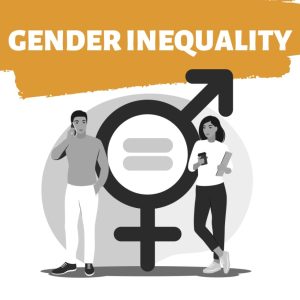
GENDER INEQUALITY
Gender inequality. Discrimination based on a person’s sex or gender that results in one sex or gender being regularly given preference over another is known as gender inequality.
Hence, gender inequality is defined as any form of exclusion or limitation based on gender that prevents men, women, girls, or boys from realizing, recognizing, or exercising their full and equal rights as human beings.
Non-Traditional Careers for Men and Women
However, employers aiming to attain gender parity may find it worthwhile to investigate these lopsidedly represented occupations, which the Department of Labor classifies as nontraditional if fewer than 25 percent of the workforce is of one gender.
Meanwhile, to put it briefly, if you’re an unconventional applicant seeking a job, you might have an advantage in this cutthroat market. These are unconventional vocations that men and women can find interesting.
The non-traditional careers for men include;

- Bank Tellers
- Bookkeepers
- Cashiers
- Child Care Workers
- Clerical/Administrative Support Workers
- Cosmetologists
- Dental Assistants and Hygienists
- Elementary and Middle School Teachers
- Flight Attendants
- Hair Stylists
- Home Health Aides
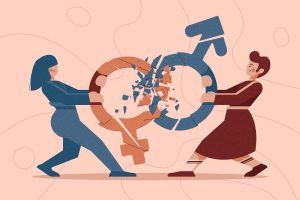
GENDER INEQUALITY
Non-traditional career for women
- Airline Pilots
- Announcer
- Architects
- Auctioneers
- Bellhops and Porters
- Carpenters/Construction Workers
- Chefs and Head Cooks
- Dentists
- Electricians
- Engineers
- Film Directors
- Firefighters
- Fishers, Hunters, Trappers
- Funeral Director
- Garbage/Waste Collectors
- Groundskeepers and Gardeners
- Personal traits
- Domestic behaviors
- Occupations
- Physical appearances

How Can One Handle Gender Stereotypes?
1. Point it out
2. Live an exemplary lifestyle
3. Speak up e.g an NGO
4. Give it a try, just once.
Gender Roles
Also, social expectations about our behavior, speech, attire, grooming, and overall demeanor based on our ascribed sex are known as gender roles. Girls and women are expected, for instance, to dress in stereotypically feminine ways and to exhibit kindness, hospitality, and care. Generally speaking, men are supposed to be powerful, combative, and brave. While gender roles are expected in every country, ethnic group, and culture, they can vary greatly among them. In the same civilization, they are likewise subject to change over time. For instance, in the past, blue was regarded as feminine and pink as manly in the United States.


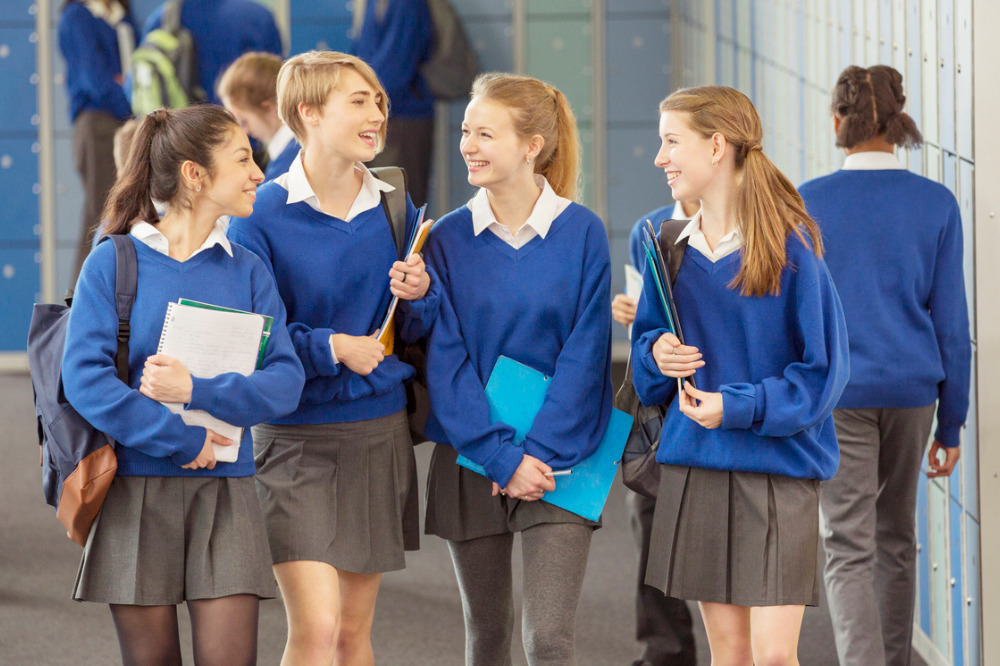
Relevance of single sex education. Although detractors contend that single-sex education may impede real-world social skills and reinforce stereotypes, its efficacy varies by student, with some thriving in mixed settings. The relevance of single-sex education lies in providing customized environments that can boost confidence, reduce gender-role pressure, and improve focus, potentially leading to better academic performance in specific subjects, especially STEM for girls. Opponents emphasize the lack of mixed-gender interaction and contest the scientific evidence for innate learning differences, while supporters point to enhanced classroom involvement and leadership development.
RELEVANCE OF SINGLE SEX EDUCATION
Single-sex education divides male and female students into separate classes or schools. Its effects on academic focus, confidence, and gender stereotyping are debated; supporters point to fewer distractions and customized instruction, while detractors claim it hinders social skills in the real world and can encourage sexism. Research has shown conflicting results, but there is some evidence that girls benefit in STEM and leadership. All-girls/all-boys schools and single-sex classrooms in coeducational settings are examples of variations; in the United States, legal frameworks like Title IX permit them under certain circumstances.
What is Single-Sex Education?

A system or institution of higher learning where only one gender is permitted is known as single-sex education. there are schools for girls only that admit no boys, and there are schools for boys only that admit no girls in some other locations.
Benefits;

1. Single sex education makes the classroom cozy for learning. Children find it simpler to feel at ease and concentrate on their studies when they attend single-sex schools and programs. As it promotes improved learning in kids, single-sex institutions make sure to give this element a lot of attention.
2. Diminished Comparability Male students are frequently compared to female students in mixed-gender schools, or the other way around. Although it might be against the school’s policies to do so, it can be difficult to firmly enforce this, particularly with young students.

3. Decreased harassment Bullying does not necessarily result in harm to the body. It can occasionally be more psychological and emotional than physical. Bullying between kids can occur in a school for girls, although it is much less common than in a mixed school. Additionally, there will undoubtedly be fewer issues for rivals to pick fights about.
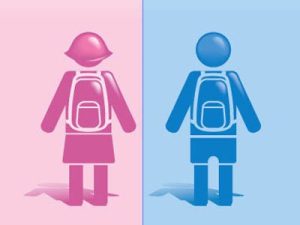
Relevance of single sex education
4. Increased speech freedom With single-sex education, kids can freely express themselves in public or private without fear of negative judgment from people of the other gender. Kids also get to talk about the problems they are having in their classrooms or the school as a whole.

Relevance of single sex education
5. Lessening the use of the double standard In mixed schools, girls typically experience these challenges more than boys, particularly in relation to clothing and other lifestyle choices.
Summary
One of the pillars of a prosperous future for a child and the nation at large is education. The right attention must be given to every process that supports children’s mental development as they mature. Sending your child to an all-boys or all-girls school could have certain disadvantages. Since the benefits are much greater, we will look at them in more detail. Before delving too deeply into it, let’s briefly examine what single-sex schooling actually comprises.
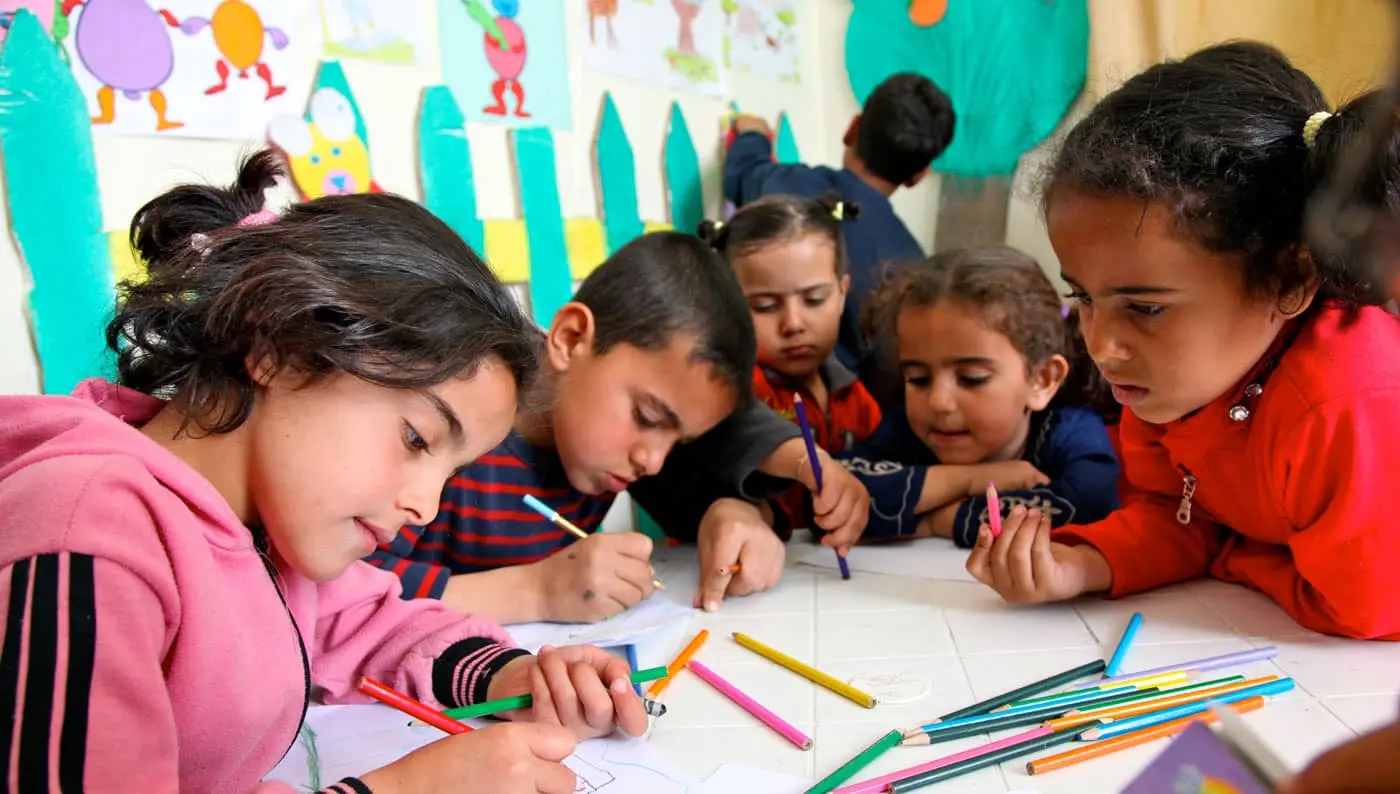
What is cildren education?. In settings like preschool, kindergarten, and daycare, childhood education, also known as Early Childhood Education (ECE), refers to the structured learning, care, and experiences for children from birth to roughly age eight. It focuses on holistic development (social, emotional, physical, and cognitive) to build foundations for future learning and success through play, care, and early academic skills. The cornerstone abilities for lifelong learning and health are developed during this crucial time of fast brain development, which frequently involves caregivers acting as first teachers.
WHAT IS CHILDREN EDUCATION?
Children’s education is essential because it develops fundamental cognitive, social, and emotional skills, encourages critical thinking, creativity, and resilience, prepares them for future civic, professional, and academic responsibilities, lessens inequality, and fosters healthier, more prosperous communities. It is an investment in both human and societal development since it enables people to comprehend the world, grow in self-worth, and become engaged, productive members of society.
Why is it important?
1. Foundation for Future Learning:
By encouraging curiosity, critical thinking, and a love of learning, early education sets the groundwork for a child’s lifetime learning journey. Cognitive Development: Getting a good education improves cognitive abilities including memory, reasoning, and problem-solving, all of which are essential for both academic and personal success.
2. Socialization:
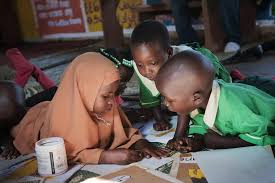
School settings give kids the chance to engage with classmates, hone their social skills, and discover cooperation, empathy, and dispute resolution. Personal development: Child education promotes self-worth, resiliency, and the capacity to establish and meet objectives.
3. Understanding diverse cultures;
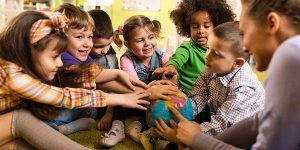
What is children education?
history and viewpoints foster open-mindedness and equip kids to live as global citizens in a connected world. This is known as global awareness. employment options: A child’s quality of life is eventually improved by a solid education, which opens doors to better employment options and higher earning potential.
4. Health and Well-Being:
Education provides children with vital life skills, such as health literacy, which empowers them to make knowledgeable decisions regarding their health. Improving Poverty: Since educated people are more likely to be able to find steady work and support economic progress, education can be a very effective instrument in ending the cycle of poverty.
5. Innovation and Advancement:
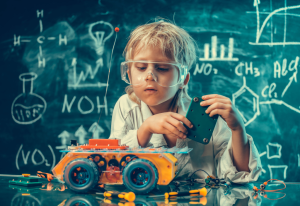
What is children education?
However, those with education propel innovation and advance society by bringing new perspectives, cutting-edge research, and specialized knowledge from a variety of backgrounds. Setting Up a Strategic Plan for Your Child’s Dreams Careful preparation is the first step in protecting your child’s future. To begin with, try to comprehend the goals and desires of your child. Do they intend to pursue further education? Do they intend to pursue a specific career path? T
6. Start Early and Invest Wisely;
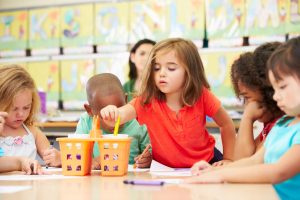
What is children education?
When it comes to investing, time is your strongest ally. Your investments have more time to develop and compound if you start early. Over time, even modest payments might add up to a sizable amount. child development.
Summary
Also, child education is the process of supporting children’s learning and development, often from early infancy to puberty. Among other stages, it covers early childhood education, primary education, and secondary education. Early childhood education aims to provide young children with the experiences, values, knowledge, and skills they need to develop into well-rounded individuals and active members of society.
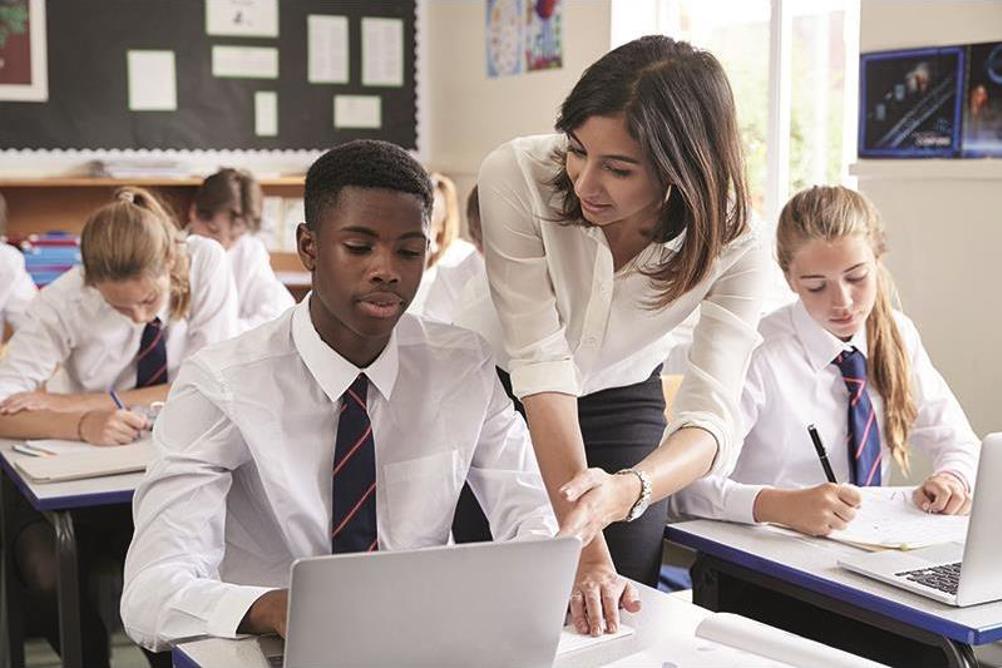
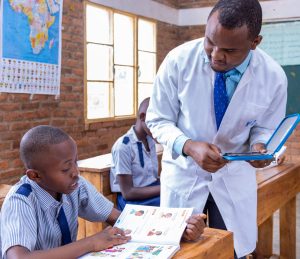
Teachers and their important roles. A teacher’s responsibility now includes more than the centuries-old strategy of expecting students to follow their example. These days, teachers are expected to offer their students rich, unique, and personalized learning experiences. Traditional classroom environments are no longer the only places for education. It takes place in the actual and virtual worlds, at home, and in the community. These days, information is not limited to books and conventional educational resources; it can be discovered everywhere.
TEACHERS AND THEIR IMPORTANT ROLES
Despite obstacles like teacher shortages and disparate circumstances around the world, teachers are vital educators who mentor, facilitate, and inspire lifelong learning and responsible citizenship in a variety of settings, from elementary schools to universities. They guide students, impart knowledge, foster critical thinking, and shape personal growth. They play a variety of functions, adjusting to various age groups and subjects, and are crucial to the advancement of society and future prosperity.
Basic roles:
1. Giving guidance;
A safe and driven student is directly correlated with an understanding and skilled teacher. Students must understand that teachers are concerned about their learning styles and the factors that support or impede the learning process. Educators must acquire knowledge about the distinctive attributes of each student, encompassing their social, economic, and cultural upbringing.
2. Motivation of students;

Teachers and their important roles
To support students’ learning, teachers should be ready to step in at any time. Teachers should be creative educators who inspire a love of learning in their students, rather than just being experts in a certain area, like science, language, or arithmetic. To accomplish this, educators should be able to make use of various teaching strategies that cater to the aptitudes and learning styles of their pupils. They ought to, for instance, motivate students to participate actively in their studies.
3. Developing students’ healthy curiosity;
Teachers and their important roles
The most skilled educators are adept at encouraging their pupils’ natural curiosity. Candidates who develop engaging lesson plans with a variety of activities to accommodate various learning styles should be your first choice. In the process of teaching, teachers ought to see themselves as co-learners, facilitators, and guides.
4. Developing educational opportunities;
If students have some influence over the structure and subject matter of their education, they will work more cooperatively. Instructors can help students design lesson plans that will help them reach their objectives. Additionally, they can assist students in choosing.
5. Intermediary and liaison;
Teachers and their important roles
Educators frequently have to communicate with and act as a mediators between different stakeholders in the educational system. As an illustration, kids might ask teachers to assist them in communicating important information to their parents, or vice versa. teaching by asking the right questions
Summary
Teachers are important individuals who serve as mentors, facilitators, counselors, and role models. They help students develop critical thinking, creativity, character, and life skills outside of the classroom. By inspiring dreams, nurturing potential, and cultivating a love of lifelong learning, teachers essentially shape students into productive, well-rounded individuals and future contributors to society.

Agricultural sector of the economy

Agricultural forms

Tips for successful proofreading

A Step-by-Step Guide to Deleting Reels on Instagram

A Comprehensive Guide to Setting Up a YouTube Premiere