Health
Ginger Medicinal Properties



Ginger medicinal properties. Because of its potent anti-inflammatory and antioxidant qualities, ginger can help with a number of medical conditions, including pain, nausea, digestive disorders, and high blood sugar. Many of the medical benefits of gingerol, such as lowering pain and inflammation, improving digestion, and managing ailments including menstrual cramps and arthritis, are attributed to the bioactive molecule. A root with a long history of medicinal usage, ginger is well known for its ability to heal. It contains bioactive substances with strong anti-inflammatory and antioxidant properties, such as gingerol.
GINGER MEDICINAL PROPERTIES
Ginger is a useful natural treatment for a number of illnesses due to its many therapeutic uses. Gingers are a flexible and effective tool for improving overall wellness, aiding with everything from digestion and nausea relief to inflammation reduction and cardiovascular health support. Although ginger is effective in treating a variety of ailments, it is crucial to utilize it in addition to standard medical advice and treatments.
1. Nausea and Vomiting;


Ginger is well-known for its ability to relieve nausea and vomiting. This makes it particularly useful in several scenarios:
– Morning Sickness: Pregnant women often use ginger to alleviate morning sickness. Studies suggest that ginger is more effective than a placebo in reducing the frequency and severity of nausea and vomiting during pregnancy.
– Motion sickness: Gingers can help prevent and treat motion sickness, reducing symptoms like dizziness, nausea, and vomiting.
– Postoperative Nausea: Patients recovering from surgery often experience nausea and vomiting, and ginger has been found to be an effective natural remedy.
2. Digestive Issues;


Gingers promotes digestive health and can alleviate various gastrointestinal problems:
– Indigestion: Gingers speeds up gastric emptying, which can help reduce the discomfort associated with chronic indigestion. Consuming ginger before meals can aid digestion and prevent bloating and gas.
– Bloating and Gas: Ginger helps relax the gastrointestinal muscles, allowing gas to move more freely and reducing bloating.
– Irritable Bowel Syndrome (IBS): Ginger can help manage symptoms of IBS, such as abdominal pain and cramping, by reducing inflammation in the gut.
3. Ginger treats Cold and Flu Symptoms;


Gingers is often used to treat the common cold and flu:
– Anti-inflammatory: Ginger’s anti-inflammatory properties can help soothe sore throats and reduce inflammation in the respiratory tract.
– Antiviral and Antibacterial: Gingers has antiviral and antibacterial effects that can help combat infections. Drinking ginger tea or consuming fresh ginger can provide relief from coughs, congestion, and other respiratory symptoms.
– Immune Support: Gingers boosts the immune system, helping the body fight off infections more effectively.
4. Pain and Inflammation;


GINGER MEDICINAL PROPERTIES
Ginger’s anti-inflammatory properties make it effective in treating pain and inflammation:
– Osteoarthritis: Studies have shown that gingers can help reduce pain and improve function in individuals with osteoarthritis, particularly in the knee. It works by inhibiting the production of inflammatory compounds in the body.
– Muscle Pain: Regular consumption of gingers can help reduce exercise-induced muscle pain and soreness, thanks to its anti-inflammatory effects.
– Menstrual Pain: Gingers are effective in reducing menstrual pain (dysmenorrhea). Taking ginger at the beginning of the menstrual period can help alleviate cramps and discomfort.
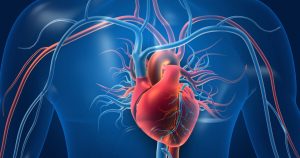
5. Contributes to Cardiovascular Health;

GINGER MEDICINAL PROPERTIES
Gingers contributes to cardiovascular health by addressing several risk factors:
– Lowering Blood Sugar:
Gingers can help lower fasting blood sugar levels and improve other markers of heart health in people with type 2 diabetes.
– Lowering Cholesterol:
Gingers has been shown to reduce levels of LDL (bad) cholesterol and triglycerides, both of which are risk factors for heart disease.
– Improving Blood Circulation:


GINGER MEDICINAL PROPERTIES
It improves blood circulation, which can help prevent clot formation and reduce the risk of cardiovascular events like heart attacks and strokes.
Summary
Ginger is a flowering plant’s spicy, fragrant rhizome that is used as a culinary spice and in traditional medicine. It is well known for its ability to lessen inflammation, ease menstrual cramps, ease osteoarthritis pain, and stop nausea and vomiting.