oil
Guidelines for Changing Generator Oil



Guidelines for changing generator oil. Warm up the engine, remove the old oil by opening the drain valve or removing the drain plug, and then replace the oil filter in order to change the generator oil. Next, use the dipstick to check the oil level after adding the appropriate kind and quantity of fresh oil to the generator as directed by the owner’s handbook. Changing the oil in your generator is a critical maintenance task that ensures the engine runs smoothly and efficiently. Regular oil changes help prevent engine wear, overheating, and potential failure.
GUIDELINES FOR CHANGING GENERATOR OIL
Each of the three primary categories of generator oil—mineral, synthetic, and synthetic blend (or semi-synthetic)—is appropriate for a particular use. A synthetic blend offers a compromise between cost and performance, mineral oil is a basic choice for infrequent usage, and synthetic oil gives excellent protection for continuous or extreme use. Also, oils are classified according to their viscosity, such as SAE 10W-30 or 15W-40, which shows how well they work at various temperatures. Here is a step-by-step guide on how to change your generator’s oil:
Materials Needed;

– Replacement oil (refer to your generator’s manual for the correct type and quantity)
– Use Oil filter (if applicable)
– Oil funnel
– Oil drain pan
– Wrench set
– Clean cloths or rags
– Disposable gloves
– Oil filter wrench (if applicable)
Guidelines:
1. Preparation;

GUIDELINES FOR CHANGING GENERATOR OIL
– Read the Manual: Before you begin, read your generator’s manual for specific instructions, oil type, and oil capacity.
– Gather Materials: Ensure you have all the necessary materials and tools within reach.
– Warm Up the Generator: Run the generator for a few minutes to warm up the oil. Warm oil drains more easily and carries more impurities out of the engine.
– Ensure Safety: Turn off the generator and disconnect it from any power sources. Let it cool slightly to avoid burns.
2. Drain the Old Oil;
– Position the Generator: Place the generator on a flat, stable surface. Position the oil drain pan beneath the oil drain plug.
– Remove the Drain Plug: Using the appropriate wrench, carefully remove the oil drain plug. Allow the oil to drain completely into the pan. Be cautious, as the oil may still be hot.
– Remove the Oil Filler Cap: Removing the oil filler cap can help the oil drain more quickly by allowing air to flow into the crankcase.
3. Replace the Oil Filter;

GUIDELINES FOR CHANGING GENERATOR OIL
– Locate the Oil Filter: Refer to your generator’s manual to find the location of the oil filter.
– Remove the Old Filter: Using an oil filter wrench, remove the old oil filter. Be prepared for some oil spillage.
– Prepare the New Filter: Before installing the new oil filter, apply a small amount of fresh oil to the gasket on the top of the filter. This helps ensure a proper seal.
– Install the New Filter: Screw on the new filter by hand until the gasket contacts the mounting surface, then tighten it an additional half to three-quarters turn. Avoid over-tightening.
4. Refill with New Oil;
– Replace the Drain Plug: Once the old oil has drained completely, replace and tighten the oil drain plug securely.
– Add New Oil: Insert a funnel into the oil fill hole and slowly add the recommended type and amount of oil. Pour gradually to avoid overfilling.
– Check Oil Level: Use the dipstick to check the oil level. The oil should be between the “low” and “full” marks. Add more oil if necessary, but avoid overfilling.
– Replace the Oil Filler Cap: Once the oil is at the correct level, securely replace the oil filler cap.
5. Check for Leaks and Clean Up;

GUIDELINES FOR CHANGING GENERATOR OIL
– Start the Generator: Run the generator for a few minutes to circulate the new oil. Check for any leaks around the oil filter and drain plug.
– Recheck Oil Level: After turning off the generator, wait a few minutes, then recheck the oil level and top up if necessary.
– Dispose of Used Oil Properly: Transfer the used oil to a sealed container and take it to a recycling center or an appropriate disposal facility. Never dispose of oil improperly, as it is harmful to the environment.
Tips for Effective Oil Changes;

GUIDELINES FOR CHANGING GENERATOR OIL
– Regular Maintenance: Follow the recommended oil change intervals specified in your generator’s manual. Regular oil changes are key to a long-lasting engine.
– Record Maintenance: Keep a log of oil changes, including the date, type of oil used, and any other maintenance performed. This can help you stay on top of your generator’s upkeep.
– Use Quality Oil and Filters: Always use the recommended oil type and high-quality filters to ensure optimal performance and protection for your engine.
Summary
Adhering to these steps, you can keep your generator running smoothly and efficiently, ensuring it’s ready to provide reliable power whenever you need it.













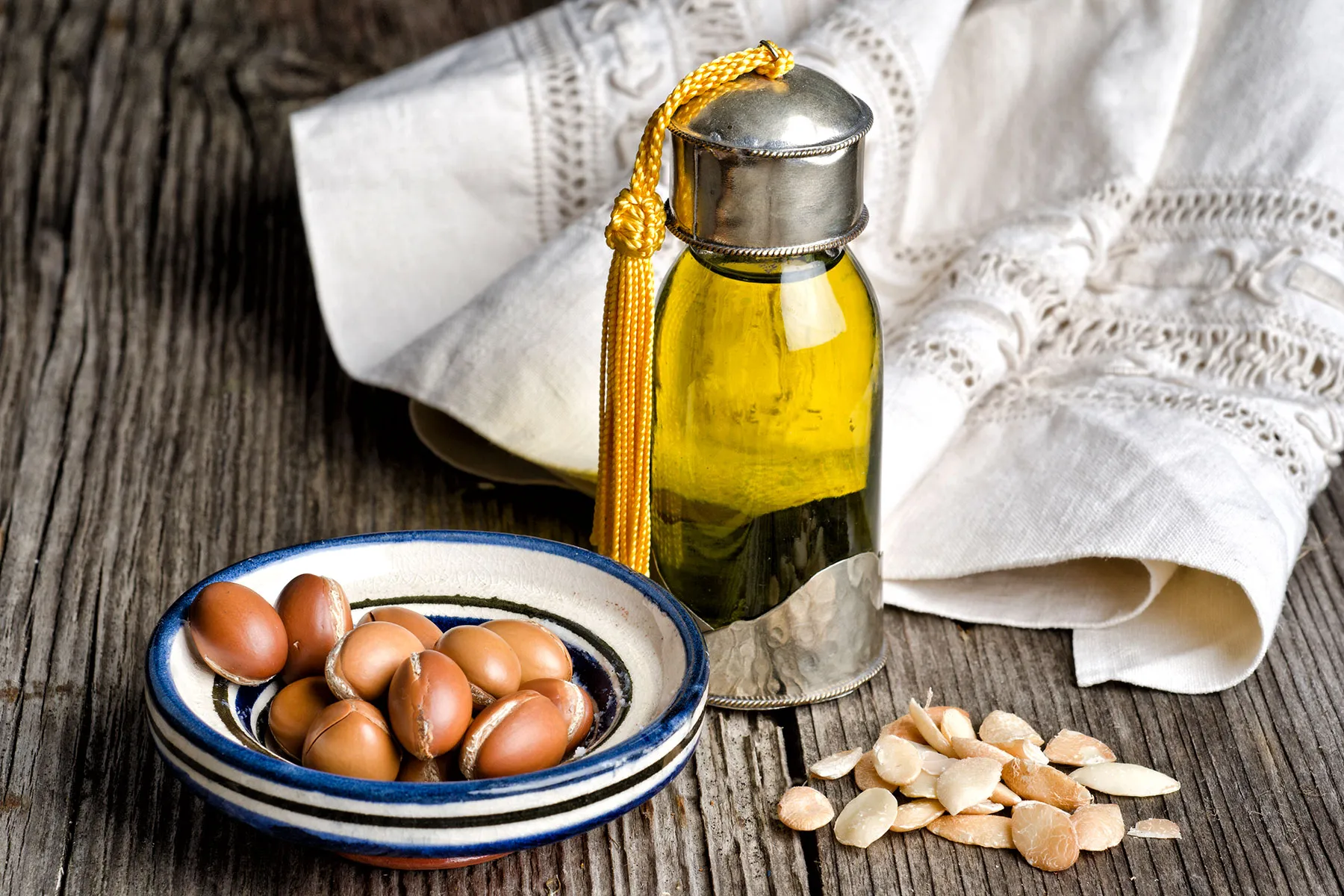
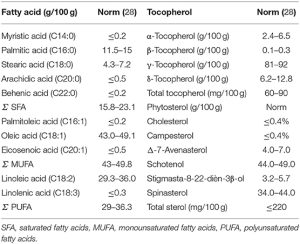
Nutritional value of argan oil. The environment and local populations in Morocco benefit from the production of argan oil in addition to its users. The Argan tree woods provide biodiversity and aid in the prevention of desertification. Women’s cooperatives that produce argan oil are vital to the local economy because they offer chances for empowerment, education, and decent wages.
NUTRITIONAL VALUE OF ARGAN OIL
The environment and local populations in Morocco benefit from the production of argan oil in addition to its users. The Argan tree woods provide biodiversity and aid in the prevention of desertification. Women’s cooperatives that produce argan oil are vital to the local economy because they offer chances for empowerment, education, and decent wages.
1. Harvesting:

The fruit is harvested and dried in the open air.
2. Kernal Extraction:
The outer flesh of the fruit is removed, and the hard nut is cracked open to extract the oil-rich kernels.
3. Cold Pressing:
The kernels are cold-pressed to produce pure argan oil, ensuring that the oil retains its nutritional and cosmetic properties.
The traditional methods of extraction, often performed by women’s cooperatives in Morocco, ensure high-quality oil while supporting the local economy and providing social benefits to the communities involved.
Nutritional Profile;
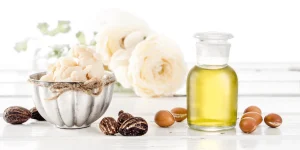
Argan oil is loaded with beneficial compounds, including:
– Vitamin E: A powerful antioxidant that protects the skin and hair from damage.
– Essential Fatty Acids: Primarily oleic and linoleic acids, crucial for maintaining healthy skin and hair.
– Polyphenols: Compounds that have anti-inflammatory and antioxidant properties.
– Sterols: Compounds that can help reduce inflammation and improve skin barrier function.
Health and Beauty Benefits;

NUTRITIONAL VALUE OF ARGAN OIL
1. Skin Care:
Argan oil is a superior natural moisturizer that is suitable for all skin types. Its high content of vitamin E and essential fatty acids makes it effective in hydrating and softening the skin. The oil helps to improve skin elasticity, reduce the appearance of fine lines and wrinkles, and enhance overall skin tone. Its anti-inflammatory properties can soothe conditions such as eczema, psoriasis, and acne.
2. Hair Care:
Argan oil is widely used in hair care products for its conditioning and strengthening properties. It helps to repair damaged hair, reduce frizz, and add shine. Regular use can prevent split ends and promote healthier, faster hair growth. A few drops massaged into the scalp can also alleviate dandruff and dryness.

NUTRITIONAL VALUE OF ARGAN OIL
The antioxidants in argan oil help combat the signs of aging by neutralizing free radicals that can damage skin cells. Regular use of argan oil can lead to a more youthful, radiant complexion, reducing the appearance of wrinkles and age spots.
Argan oil can strengthen nails and moisturize cuticles, preventing them from becoming dry and brittle. Regular application can lead to healthier, stronger nails and smoother cuticles.
Culinary Uses;

NUTRITIONAL VALUE OF ARGAN OIL
In addition to its beauty benefits, argan’s oil is also used in cooking, particularly in Moroccan cuisine. It has a mild, nutty flavor that makes it a delightful addition to salads, dips, and even as a drizzle over grilled vegetables or fish. Culinary-grade argan oil is packed with antioxidants and essential fatty acids that contribute to heart health and overall wellness.
Summary
Often referred to as “liquid gold,” argan oil is a valuable and adaptable oil made from the kernels of the Moroccan Argan tree (Argania spinosa). For generations, this oil has been utilized in medicine, cosmetics, and cooking. Rich in vital nutrients, vitamins, and antioxidants, argan’s oil is well known for its numerous health and cosmetic advantages.

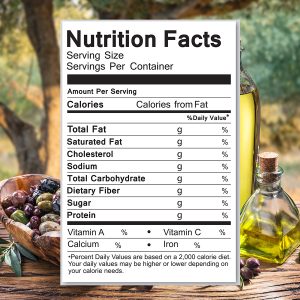
Nutritional value of oilve oils. They are nutrient-rich, multipurpose oils with many health and cosmetic advantages. Olive oils are an important part of any diet and personal care regimen, supporting everything from heart health and inflammation reduction to weight management, improving skin health, and safeguarding cognitive function. A better lifestyle and increased well-being can result from incorporating olive oil into your everyday routine.
NUTRITIONAL VALUE OF OLIVE OILS
Despite being rich in calories and lacking in carbohydrates and protein, olive oil is a staple of the Mediterranean diet because of its high quantity of heart-healthy monounsaturated fats (such oleic acid) and antioxidants (polyphenols, vitamin E, and vitamin K). About 120 calories, 14g fat (mainly MUFAs), and essential antioxidants that promote heart health, lower inflammation, and strengthen immunity can be found in one tablespoon.
1. Heart Health;

Olive oils are high in monounsaturated fats, particularly oleic acid, which is known for its heart-protective properties. These healthy fats help reduce bad cholesterol (LDL) levels while maintaining or even increasing good cholesterol (HDL) levels. Regular consumption of olive oil has been linked to a lower risk of heart disease, reduced blood pressure, and improved overall cardiovascular health.
2. Anti-Inflammatory Properties;

Olive oils contains powerful antioxidants, such as oleocanthal, which have anti-inflammatory effects similar to those of ibuprofen. Chronic inflammation is a key driver of many diseases, including heart disease, cancer, and arthritis. By reducing inflammation, olive oils helps protect the body from these chronic conditions, promoting overall health and longevity.
3. Skin Health and Anti-Aging;
Rich in vitamins E and K, as well as a host of antioxidants, olive oils are superb natural moisturizer for the skin. It helps to hydrate and nourish the skin, reducing dryness and improving elasticity. Its antioxidants combat free radicals, which can cause premature aging, thereby reducing the appearance of wrinkles and fine lines. Applying olive oil to the skin can also help soothe conditions like eczema and psoriasis.
4. Weight Management;
Despite being a fat, olive oils can be beneficial for weight management. The monounsaturated fats in olive oil are known to increase feelings of fullness, which can help reduce overall calorie intake. Studies have shown that a diet rich in olive oils can aid in weight loss and help prevent weight gain when combined with a balanced diet and healthy lifestyle.
5. Brain Health;

NUTRITIONAL VALUE OF OLIVE OILS
The antioxidants and healthy fats in olive oils are beneficial for brain health. Olive oils consumption has been linked to a reduced risk of cognitive decline and Alzheimer’s disease. The anti-inflammatory and antioxidant properties of olive oils help protect the brain from oxidative stress and inflammation, which are contributors to neurodegenerative diseases. Regular intake of olive oils supports memory, learning, and overall cognitive function.
How to Use it;

NUTRITIONAL VALUE OF OLIVE OILS
– Cooking:
Use olive oils for sautéing, roasting, and grilling. Its high smoke point makes it suitable for various cooking methods.
– Salad Dressings:
Drizzle extra virgin olive oil over salads and vegetables for added flavor and nutrition.
– Skin Care:

NUTRITIONAL VALUE OF OLIVE OILS
Apply a small amount of olive oils directly to the skin as a moisturizer or mix it with your favorite skincare products.
– Hair Care:
Use olive oils as a deep-conditioning treatment by massaging it into the scalp and hair, then rinsing after 30 minutes.
Summary
A mainstay of the Mediterranean diet, olive oil is well known for its many applications and outstanding health benefits. This golden oil, which is extracted from the olive tree’s fruit, is full of vital minerals, antioxidants, and monounsaturated fats. The main advantages of olive oil are as follows:


Clove oil for pain relief. A powerful and adaptable natural medicine, clove oil can be particularly helpful for dental health. The oil has a number of medicinal advantages, whether you’re seeking for a natural solution to freshen your breath or are coping with a toothache or gum irritation. To prevent irritation or negative effects, it should be used carefully and diluted appropriately due to its potency. As with any natural therapy, it’s crucial to speak with a healthcare provider for an accurate diagnosis and course of treatment if you have ongoing symptoms or health issues.
CLOVE OIL FOR PAIN RELIEF
Eugenol, a natural anesthetic that numbs the area and lowers inflammation and bacteria, is the active ingredient in clove oil, which is used diluted on a cotton ball for topical application. However, it should be used carefully, avoided by pregnant women, children, and those taking blood thinners, and always followed up with a dental visit.
Benefits of Clove Oil;

1. Pain Relief:
The most well-known use of clove oil is for relieving toothache pain. The active compound in the oil, eugenol, acts as a natural anesthetic, numbing the affected area and providing temporary relief from pain. This makes the oil a popular home remedy for toothaches, sore gums, and mouth ulcers.
2. Antibacterial Properties:
Clove oil has strong antibacterial effects that can help combat infections in the mouth. It can inhibit the growth of bacteria that cause dental issues, such as cavities and gum disease. Using the oil can support overall oral hygiene and help prevent oral infections.
3. Anti-Inflammatory Effects:

In addition to pain relief, clove oil’s anti-inflammatory properties can help reduce swelling and irritation in the gums. This is particularly useful for conditions like gingivitis or inflamed gums due to a toothache.
4. Digestive Aid:
the oil is also used to alleviate digestive issues like bloating, indigestion, and nausea. When diluted and consumed properly, it can help soothe the stomach and support digestion.
How to Use Clove Oil;
– For Toothaches:

clove oil for pain relief
Dip a cotton ball or swab into a few drops of the oil and apply it directly to the painful tooth or gums. Let it sit for about 15-20 minutes, then rinse your mouth with warm water. Be careful not to swallow clove oil, as it can be strong and cause irritation.
– For Gum Health:
Mix a few drops of the oil with a carrier oil, such as coconut or olive oil, and gently massage it into your gums. This can help reduce inflammation and keep your gums healthy.
– As a Mouthwash:
Add 2-3 drops of the oil to a cup of warm water and use it as a mouthwash. This can help freshen your breath, kill bacteria, and soothe minor mouth irritations.
Safety Considerations;

clove oil for pain relief
While the oil is a powerful natural remedy, it’s important to use it with caution:
– Dilution:
the oil is highly concentrated and should always be diluted with a carrier oil (such as coconut or olive oil) before applying it to the skin or gums.
– Sensitivity:
Some people may be sensitive to the oil, especially when used in high concentrations. It’s advisable to perform a patch test on a small area of skin before using it more broadly. If you experience any irritation or discomfort, discontinue use.
– Ingestion:

clove oil for pain relief
While the oil can be used for oral health. It should not be swallowed in large amounts as it can cause stomach upset, respiratory issues, or other adverse effects. Always use it in moderation and consult a healthcare professional before ingesting clove oil, especially if you have underlying health conditions or are pregnant.
Summary
The dried flower buds of the clove tree are used to make clove oil, a potent essential oil. Clove oil has been used for generations in traditional medicine, especially for oral health, due to its strong analgesic, anti-inflammatory, and antibacterial qualities. Here’s a closer look at the health benefits and safe usage of clove oil.
Multiple System Atrophy

Key Relevance of Monounsaturated Fats

Best Proteinous Fruits

A Step-by-Step Guide to Deleting Reels on Instagram

How to Create a WhatsApp Group