plants
Health Benefits of Camellia Sinensis

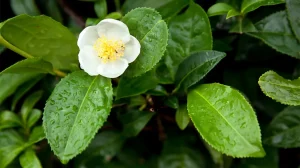
HEALTH BENEFITS OF CAMELLIA SINENSIS
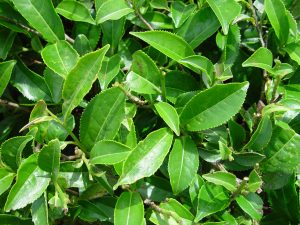
Health benefits of Camellia sinensis. This plant is commonly referred to as the tea plant, is the source of black, green, oolong, and white tea. The oil extracted from its leaves is called a leaf extract. Due to the numerous health advantages of tea, particularly green tea, camellia sinensis, or tea leaf extract, has become more and more popular.
HEALTH BENEFITS OF CAMELLIA SINENSIS
The extract offers concentrated forms of the plant’s beneficial chemicals, which you may manufacture yourself or purchase as a supplement. The same bioactive substances that give tea its flavor, aroma, astringency, taste, and therapeutic benefits are abundant in Camellia sinensis leaf extract.
1. impacts on the health of the skin

Because of its beneficial effects on skin health and attractiveness, camellia sinensis leaf extract has been used in the cosmetics industry for a long time. Because EGCG has antioxidant properties, it may shield the skin from UVR damage, which can cause sunburn, premature aging, and nonmelanoma skin cancer to develop. Additionally, studies indicate that using the extract topically and ingesting it improves skin suppleness, hydration, density, and blood flow while decreasing scaling.
2. blood triglycerides and cholesterol
According to studies, by decreasing their absorption, the extract may lower levels of triglycerides, total cholesterol, and LDL (bad) cholesterol.
3. arterial plaque
The extract contains catechins that help stop plaque from accumulating and blocking your arteries by reducing the oxidation of LDL (bad) cholesterol.
4. blood pressure level
Through enhancing blood vessel activity and encouraging blood vessel relaxation, the extract may reduce blood pressure.
5. Effects of anticancer

The extract’s catechins, especially EGCG, are primarily responsible for its anti-cancer effects. According to research conducted on animals and in test tubes, EGCG protects against cancer by causing malignant cells to undergo programmed cell death, or apoptosis. Additionally, by blocking angiogenesis, it might aid in halting the growth and dissemination of tumors. New blood arteries that might otherwise nourish malignant cells are growing in this way.
6. The immune system
Two essential substances for strengthening your body’s immune system are L-theanine and EGCG. L-theanine may increase T-cell production, according to studies. One kind of white blood cell that combats illness is the T cell. As a result, it might be crucial in the fight against infections, allergies, and hypersensitivity reactions. Additionally, studies indicate that by reducing the synthesis of numerous inflammatory markers, EGCG may help the body regain its immunological equilibrium in a variety of autoimmune disorders.
7. Anxiety and tension

The extract’s ability to reduce stress is mostly due to L-theanine. By raising dopamine and serotonin levels, L-theanine has been shown to encourage relaxation and lessen anxiety. These two signaling molecules, which are produced by brain cells, control motivation and happiness, among other things. Researchers utilize alpha brain waves as a gauge of relaxation, and L-theanine seems to enhance their production. They are linked to a state of mental clarity and alertness.
Summary
Despite being generally well accepted and thought to be safe, Camellia sinensis leaf extract has occasionally been reported to cause undesirable side effects. Its caffeine level, for instance, might cause headaches and jitters.
Researchers have also discovered a link between increased coffee use during pregnancy and an increased risk of low birth weight and pregnancy loss. The leaf extract of Camellia sinensis can also cause moderate side effects including redness or allergy and digestive issues like nausea and diarrhea.
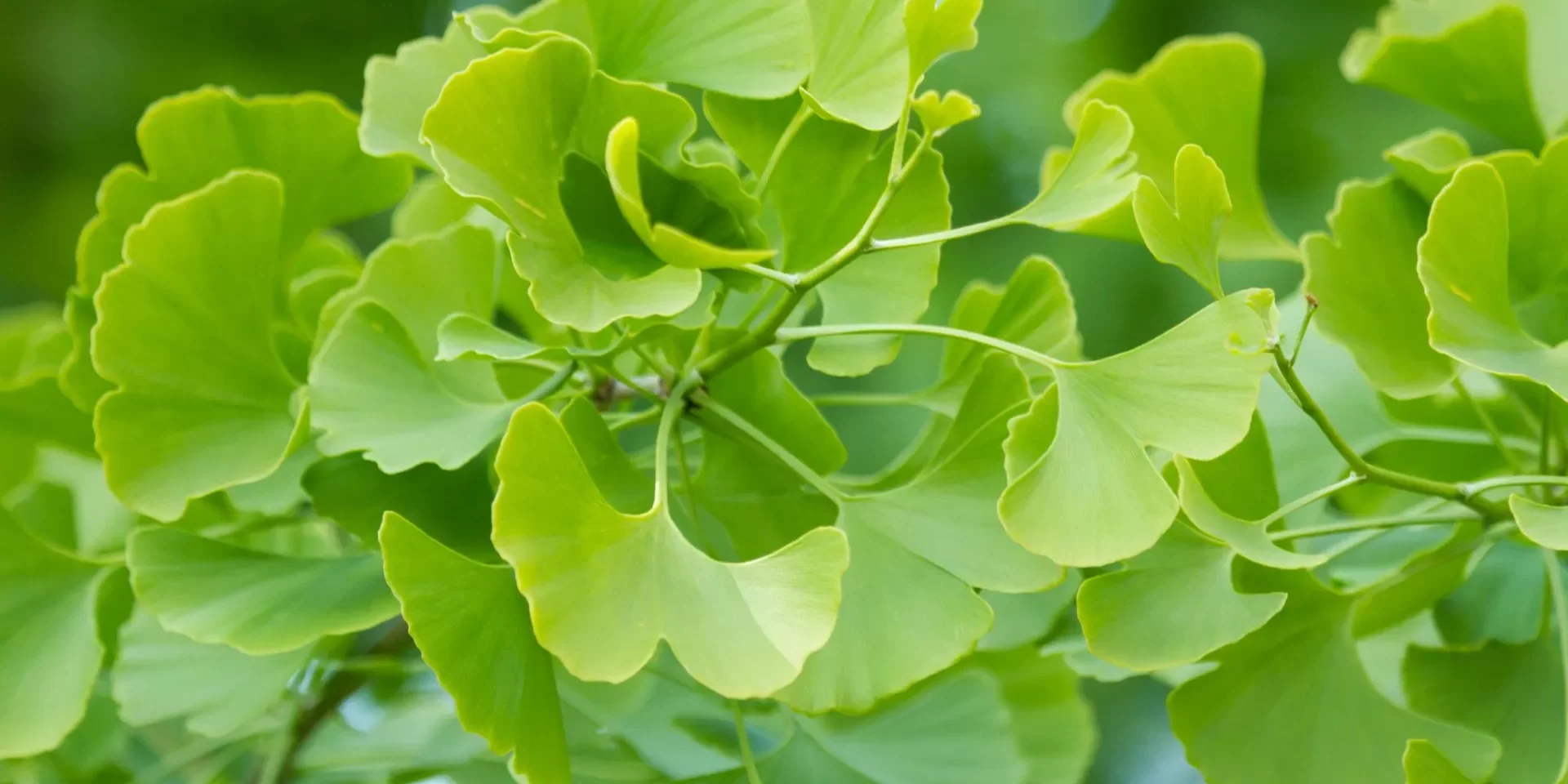
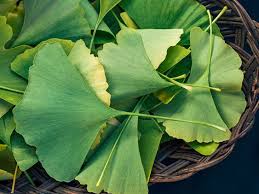
Properties of ginkgo biloba. The main characteristics of ginkgo biloba are derived from flavonoids and terpenoids, which function as strong antioxidants and anti-inflammatories, improve blood flow (vasodilation, reduced viscosity) for better oxygenation, protect nerve cells, and influence neurotransmitters, resulting in benefits for cognition, circulation, and vision, as well as possibly managing diabetes and obesity by enhancing brain function, lowering oxidative stress, and supporting metabolic health, though research is still ongoing.
PROPERTIES OF GINKGO BILOBA
Ginkgo biloba is an amazing plant with a long history and a bright future in contemporary medicine. Ginkgo biloba has several possible health benefits, including increasing circulation, boosting cognitive function, and offering antioxidant protection. To guarantee the safe and efficient use of ginkgo biloba, like with any supplement, it is crucial to approach it with awareness and consultation.
A Living Fossil;
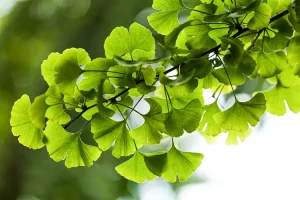
Ginkgo biloba’s trees, oldest living tree species are often called living fossils because they have remained virtually unchanged for millions of years. Native to China, these resilient trees can live for over a thousand years and are resistant to pollution and disease. Ginkgo leaves and seeds have been used in traditional Chinese medicine to treat a variety of ailments, from respiratory issues to circulatory disorders.
Cognitive Enhancement;

Properties of ginkgo biloba
One of the most well-known benefits of ginkgo bilobas is its potential to improve cognitive function. Studies suggest that ginkgo extract may enhance memory, attention, and mental processing speed. This has made it a popular supplement among individuals seeking to boost their brain power, particularly older adults concerned with age-related cognitive decline.
Circulatory Benefits;
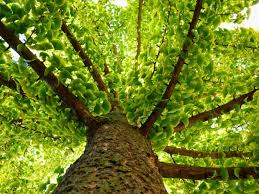
Properties of ginkgo biloba
Ginkgo bilobas are also celebrated for its ability to improve blood circulation. It is believed to help dilate blood vessels, reduce blood viscosity. And increase blood flow to the extremities and the brain. These properties can be beneficial for individuals with circulatory disorders, such as peripheral artery disease, and may help alleviate symptoms like leg pain and cold hands and feet.
Antioxidant Properties;
Properties of ginkgo biloba
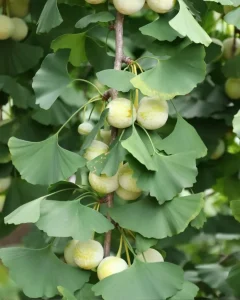
The leaves of the ginkgo biloba tree are rich in flavonoids and terpenoids, which are powerful antioxidants. These compounds help combat oxidative stress and free radical damage in the body, which are linked to a variety of chronic diseases and aging processes. By reducing oxidative stress, ginkgo biloba may contribute to overall health and longevity.
Potential Side Effects;
While ginkgo biloba offers numerous potential health benefits, it is important to be aware of possible side effects. Some individuals may experience headaches, dizziness, or gastrointestinal upset when taking ginkgo supplements. Additionally, ginkgo can interact with certain medications, such as blood thinners. So it is essential to consult with a healthcare professional before adding ginkgo biloba to your regimen.
Summary
Ginkgo biloba, commonly known as just ginkgo, has a history spanning more than 200 million years. For thousands of years, traditional medicine has utilized this ancient herb, which is revered for its possible health advantages. Ginkgo biloba is still a well-liked supplement today because of its benefits for circulation and cognition.


Key relevance of quercetin. It is a potent flavonoid that has many health advantages, such as immune-stimulating, anti-inflammatory, and antioxidant properties. Eating foods high in quercetin can help prevent chronic illnesses, promote heart health, reduce allergy symptoms, and strengthen the immune system in general. You can benefit from the numerous health advantages this powerful substance provides by include foods high in quercetin in your diet, such as onions, apples, berries, citrus fruits, leafy greens, and capers.
KEY RELEVANCE OF QUERCETIN
Quercetin is a flavonoid that may lower blood pressure and blood sugar in addition to having antioxidant, anti-inflammatory, and anticancer properties. However, it has a limited bioavailability, and many of these uses require more human study. Most people may find it safe to use it for a short period of time (up to 12 weeks), but long-term use, pregnancy, or renal issues are not advised.
1. Powerful Antioxidant Properties;

Quercetin is a potent antioxidant that helps neutralize free radicals, unstable molecules that can cause cellular damage and contribute to chronic diseases such as cancer and heart disease. By reducing oxidative stress, quercetin helps protect cells and tissues, promoting overall health and longevity.
2. Anti-Inflammatory Effects;
Chronic inflammation is linked to many health problems, including arthritis, heart disease, and autoimmune disorders. Quercetins has strong anti-inflammatory properties that can help reduce inflammation in the body. It inhibits the production of inflammatory molecules, which can help alleviate symptoms of inflammatory conditions and improve overall well-being.
3. Supports Heart Health;

Quercetin can benefit heart health by reducing blood pressure and improving blood vessel function. It helps relax blood vessels, improving blood flow and reducing the risk of hypertension. Additionally, quercetin’s antioxidant properties help protect the heart and blood vessels from oxidative damage, lowering the risk of cardiovascular diseases.
4. Boosts Immune System;
Quercetins has been shown to enhance immune function, helping the body fight off infections and illnesses. It modulates the immune response, making it more efficient at targeting pathogens without causing excessive inflammation. This immune-boosting effect makes quercetin particularly valuable during cold and flu season.
5. Aid in Allergy Relief;

Key relevance of quercetin
Quercetin’s anti-inflammatory and antihistamine properties can help alleviate allergy symptoms. It stabilizes mast cells, which release histamines and other chemicals during allergic reactions. By reducing the release of these substances, quercetins can help minimize symptoms such as sneezing, itching, and runny nose.
Sources of Quercetin;

Key relevance of quercetin
Quercetin is abundant in a variety of fruits and vegetables, including:
– Onions: Particularly red onions, which are one of the richest sources.
– Apples: Especially with the skin on.
–Berries: Such as blueberries, cranberries, and blackberries.
– Citrus Fruits: Including oranges and grapefruits.
– Leafy Greens: Such as kale and spinach.
–Capers: A lesser-known but highly concentrated source.
Summary
Numerous fruits, vegetables, and grains contain the flavonoid quercetin. This naturally occurring substance is well-known for its potent anti-inflammatory and antioxidant qualities. Quercetin-rich foods are a great addition to your diet because they can provide a number of health benefits.

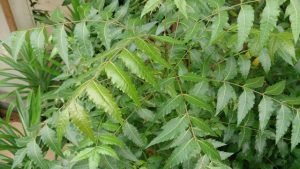
Uses of neem leaf. The importance of neem goes much beyond its conventional medical applications. It represents a comprehensive and sustainable approach to environmental stewardship, agriculture, and health. as more people become aware of sustainable methods and natural cures. Neems’ enormous potential to enhance human well-being while honoring the environment continues to draw attention. either as a vital component of traditional medicine, a cosmetic product, or an agricultural tool. Neems continues to serve as a monument to the enormous advantages of using nature’s knowledge for everyone’s good.
USES OF NEEM LEAF
Native to the Indian subcontinent, neem is a highly valued tree with many practical and therapeutic use. Neem, sometimes known as “Nature’s Pharmacy,” has long been a mainstay of Ayurvedic therapy, a form of traditional Indian medicine. In addition to its therapeutic uses, neem has important agricultural uses. It is a genuinely multipurpose gift from nature, being used for cosmetics and even for pest control.
1. Medicinal uses;
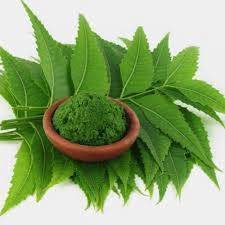
The tree is well-known for having powerful therapeutic qualities. The leaves, bark, seeds, and oil of the neem tree are almost all used for their medicinal properties. Neem (Azadirachta indica) leaves have antiviral, antibacterial, and antifungal qualities. They are also high in antioxidants. They are widely used to treat eczema, acne, and psoriasis, among other skin conditions. Incorporated in toothpaste and mouthwash formulations for dental health. Neem oil, which is extracted from the seeds, is well known for its ability to moisturize skin. Lessen dryness, and ease inflammation.
2. Neem Ayurvedic Tradition;

The tree is regarded as a potent detoxifier and immune system enhancer in Ayurveda. It is taken orally to promote liver function, cleanse the blood, and facilitate digestion. Neem leaves wounds and small cuts on the outside and helps them recover by preventing infection. Ayurvedic formulas that aim to balance Pitta dosha and excess heat also appreciate neem’s bitter taste.
3. Agricultural Benefits;

Uses of neem leaf
Neem is widely utilized in organic farming as a natural pesticide and insect repellent. Neem oil disrupts the growth and reproduction of insects, making it an effective and eco-friendly alternative to synthetic pesticides. It is also used as a soil conditioner to improve fertility and promote plant growth. Farmers in India and other regions have long relied on neems to protect crops while maintaining environmental sustainability.
4. Cosmetic and Personal Care;

Uses of neem leaf
The cosmetic industry harnesses neem’s antibacterial and anti-inflammatory properties in skincare products. It is incorporated into soaps, lotions, and shampoos to treat skin conditions and promote overall skin health. Neem’s ability to cleanse and purify the scalp makes it a popular ingredient in hair care products. Believed to strengthen hair and prevent dandruff.
5. Environmental Impact;

Uses of neem leaf
Beyond its direct benefits to human health and agriculture, neem trees contribute to environmental conservation. They are drought-resistant and thrive in arid conditions, helping to prevent soil erosion and desertification. Neem’s trees also provide shade, improve air quality, and support biodiversity by hosting a variety of beneficial insects and birds.
Summary
In medicine, neem leaves are used to treat infections, strengthen the immune system, and promote healthy skin. They also act as a natural insect repellent, keeping pests away from clothing and food that has been stored. Additional use include lowering blood sugar, controlling dandruff, and encouraging good oral hygiene.
Multiple System Atrophy

Key Relevance of Monounsaturated Fats

Best Proteinous Fruits

A Step-by-Step Guide to Deleting Reels on Instagram

How to Create a WhatsApp Group