Hair
Honey for skin and hair

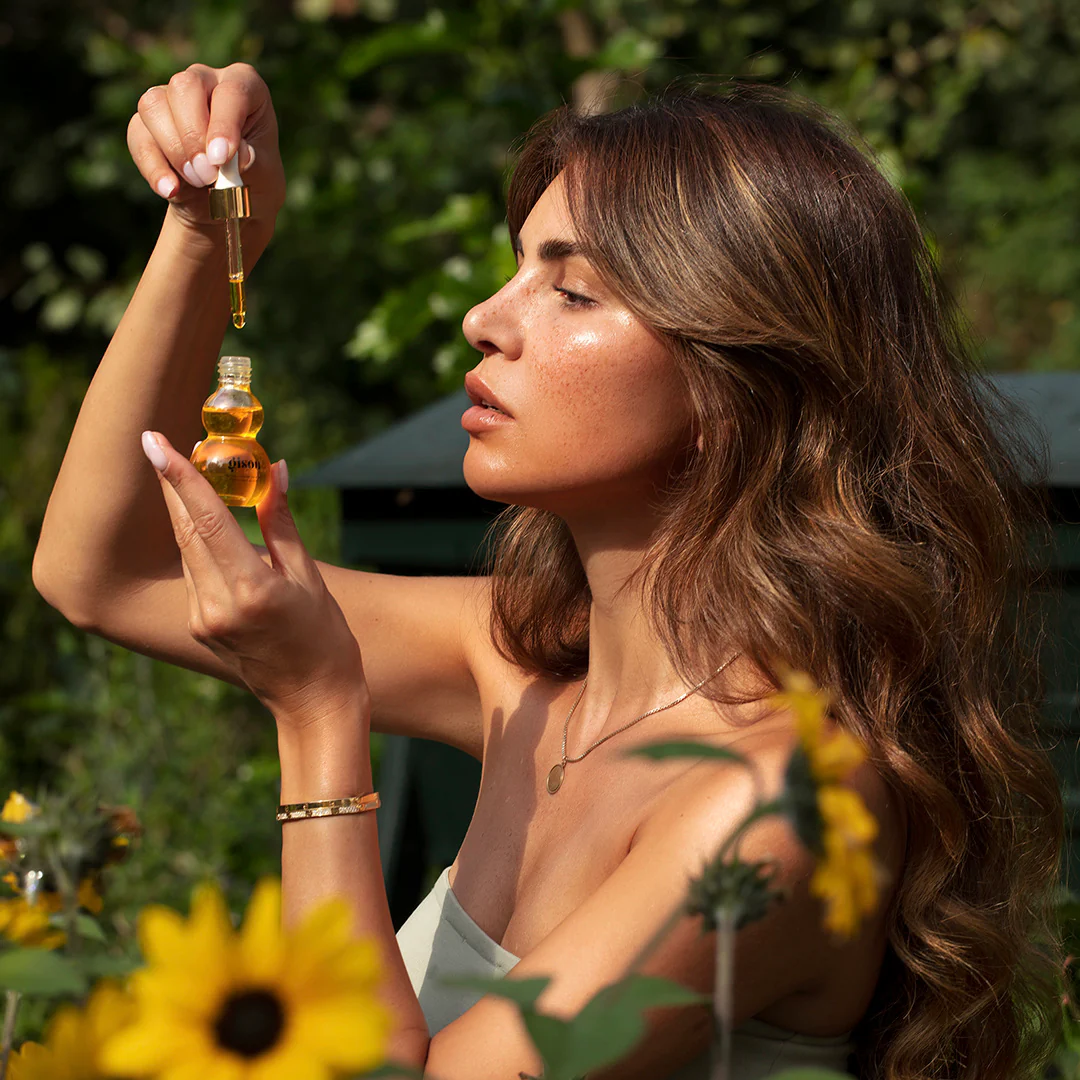
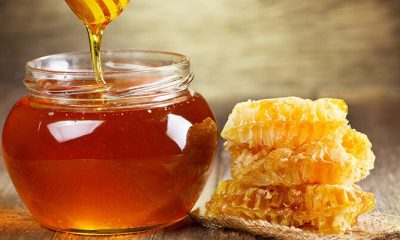
Honey for skin and hair. High antioxidant concentration, efficient wound/burn healing, and cough alleviation are just a few of the many health advantages of honey. It is high in phenolic chemicals, which lower triglycerides and improve cholesterol to support heart health. It is a better, natural substitute for sugar, but use it sparingly.
HONEY FOR SKIN AND HAIR
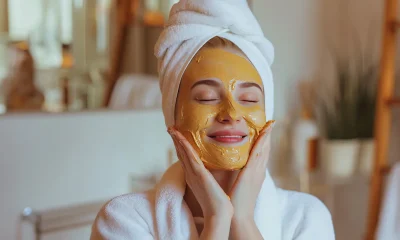
A natural humectant, antioxidant, and antibacterial agent, raw, unpasteurized honey—especially Manuka—deeply moisturizes, heals, and balances skin and hair. It works as a mild cleanser and moisturizer, relieving dermatitis, minimizing acne, and enhancing hair luster.
There are amazing things honey can do for your skin and hair. Honey, frequently referred to as a “golden elixir,” is used for a variety of purposes, such as a cosmetic ingredient and a natural substitute for sugar. Nearly all of the nutrients that are good for skin and hair are found in high amount in honey.
Honey contains proteins, amino acids, vitamins, minerals, enzymes, and antimicrobial qualities that are essential for dermatological applications. The antimicrobial and antioxidant qualities of hair problems. In general, honey ought to be mainstay of the beauty regimen.
Honey works wonders in lip balms, lotions, shampoos, and face washes, among other beauty products, since it lubricates and retains moisture on the skin. Advocates of natural skincare and makeup occasionally suggest methods such as applying honey directly to pimples and dry lips or rinsing your hair with a tablespoon of honey dissolved in four glasses of warm water for a glossy finish
Ways to use honey;
There are several methods to include honey in your diet.
1) Drizzle honey over nut butter sandwich
2) Blend into smoothies or mix in a dish with fruit and yoghurt.
Honey for skin and hair
3) A delicious coating for salmon can also be made using honey and ginger.
4) It can be used to sweeten veggies and green salads. Create a homemade honey mustard sauce by blending equal parts mustard and little amount of mayonnaise to dip chicken fingers or spread on sandwiches.
Summary
Bees use floral nectar to make honey, a thick, sweet liquid that is mostly made up of sugars (80–85%), water, and trace nutrients. It is frequently used for wound healing, cough suppression, and as a natural sweetener because it is high in antioxidants and possesses antimicrobial qualities.




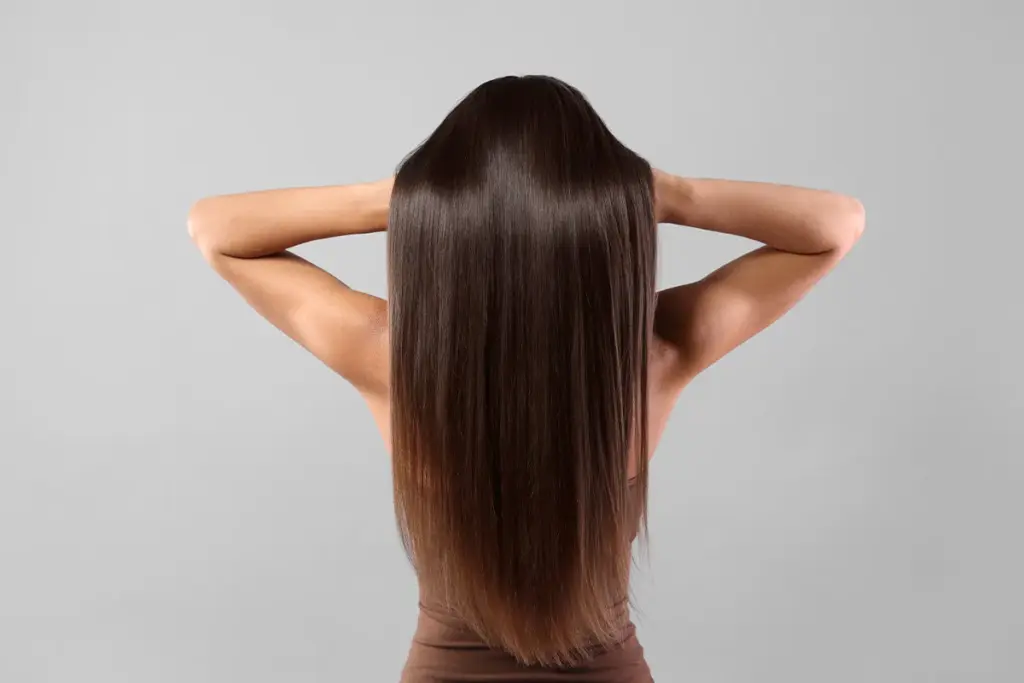
How to Improve Thick Hair. Use a combination of good daily hair care, a nutritious diet high in iron and protein, and, if you experience actual hair loss, over-the-counter or prescription medications like minoxidil to thicken your hair. Additionally, you can immediately make fine hair appear thicker by using volumizing style products.
HOW TO IMPROVE THICK HAIR
Strong, broad hair strands give thick hair its inherent volume. Thick hair can become frizzy, heavy, or bulky despite its resilience. Appropriate cuts, moderate hydration, and gentle detangling are necessary for its management.
Eggs;

Strong, thick hair requires protein, which is abundant in eggs. Applying an egg treatment: Beat a couple of eggs together. Apply the mixture to your damp hair and scalp. • Apply it to the scalp for approximately half an hour. • Use warm water and a gentle shampoo to give the hair a thorough wash.
Olive oil;
Rich in omega-3 acids and other nutrients, olive oil is vital for hair health as well as general well-being. Applying olive oil directly to hair can encourage stronger hair. Furthermore, it might hydrate any dry patches of the scalp and soften the hair. Heating olive oil to body temperature is the first step in using it. Apply the warm oil to your scalp and hair, and then let it there for 30 to 45 minutes.
Proper nutrition;

How to Improve Thick Hair
Thickening can be aided by a diet rich in protein, healthy fats, and other vitamins. reliable source for thin or thinning hair. In actuality, having thin hair may indicate that a person is not receiving enough nutrition. Some nutrient rich foods that someone with thin hair might want to include in their diet are: The high protein and fatty acid content in salmon • Iron, omega-3 fatty acids, and protein are all found in eggs.
Orange puree;
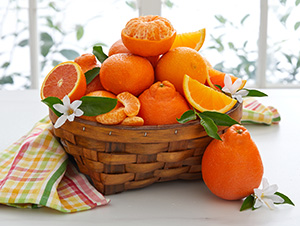
Oranges contain vitamin C, pectin, and acid, all of which have several benefits for hair. The vitamins and nutrients could enhance the hair’s natural luster, giving the impression that it is thicker. Hair product residue that could impede hair development is broken down by the acid. The aroma of orange puree is very pleasant.
Aloe gel or oil;
How to Improve Thick Hair
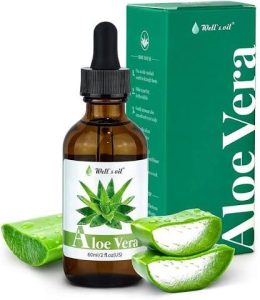
Numerous health advantages for the skin, scalp, and hair may be offered by the aloe Vera plant. Aloe oil applied directly to the scalp and hair may eventually help thicken and strengthen the hair. The active ingredient in a number of commercial therapies, such as gels and lotions, is aloe.
Summary
Even if there is no way to change the nature of the hair follicles, there are two ways to make hair appear thicker and less prone to hair loss: a good diet and scalp massage.

Hair Dye Tips. Apply color to dry, unwashed hair (wait two to three days after washing) for optimal results when dying your hair at home. To guarantee uniform coverage, divide the hair into quadrants and do a patch test 48 hours in advance. Use lip balm or petroleum jelly around your ears and hairline to prevent stains.
HAIR DYE TIPS
Here are some things to think about: You ought to save money. Believing that you can tint your hair at home to go from, say, black to platinum (or even from brown to blonde) is the biggest misconception when it comes to do-it-yourself coloring. It is preferable to let a salon colorist with expertise in evaluating tones and minimizing damage handle color changes that require multiple procedures. Changes in color may need multiple processes.
Guidelines;

Hair Dye Tips
1. Select a hue for your distinct hair. Each person’s color is unique. You won’t necessarily get the same hair color outcome even if you and your closest buddy use the same hue. To assist you, use the shade grid.
2. Avoid estimating your color outcome based on the model on the front of the color pack. See how your starting color affects your final color outcome by looking at the starting color/resulting color grid on the reverse.
3. Your skin tone is important. Pick a hue that complements the tone of your skin. For example, choose ashy blondes and mahogany brunettes, and stay away from warm or golden hair colors if you have cool coloring (fair, rosy skin with blue, green, or grey eyes).

Hair Dye Tips
4. If in doubt, use less. If you are unhappy with the outcome, it is far simpler to adjust a lighter hue. Pick a color home permanent dyes that appear a little lighter than you would like the finished product because most box colors turn out darker than you anticipate.
5. First, attempt a temporary fix. Choose a non-permanent color if you’re coloring on the spur of the moment or attempting something new.
6. Begin with little adjustments. Remain one to three shades of your present or natural hue instead of going for a drastic makeover.
Summary
A cosmetic product called hair dye is used to alter the color of human hair. People use it to complement their original shade, conceal white or gray hair, or change to a new fashion color. It is available in a variety of forms, from permanent dyes to transient color sprays.

How to take Care of your Hair. A mild approach that targets your scalp and ends is necessary for healthy hair maintenance. Use lukewarm water to wash just two or three times per week. Shampoo your roots and simply use conditioner on the ends and midlengths. Reduce the amount of heat styling, use a wide-tooth comb to properly untangle wet hair, and sleep on a silk pillowcase to avoid breaking.
HOW TO TAKE CARE OF YOUR HAIR
The scalp and ends are the main focus of a solid hair care regimen. Wash only when greasy, concentrating on the scalp with shampoo and the mid-lengths to ends with conditioner. Avoid tight hairstyles to prevent breakage, use lukewarm water to lock moisture, and always gently detangle when wet with a wide-tooth comb.
Haircare Tips;

1. washing your hair too frequently Hair must be washed, but not too frequently.
Washing too often will irritate your scalp, especially if it’s combined with rough motions like vigorously massaging it.
As a result, your hair will become greasier more quickly as your scalp overreacts and produces more sebum to protect itself.
2. Inconsistency in your hair care regimen Regularity pays off when it comes to improving the quality of your hair. If you want to save your damaged hair strands, you need to use a hair mask once every three month. Combining multiple hair care treatments is key.

How to take Care of your Hair
3. As much as it’s vital to look after the individual hair strands, you also need to focus on your scalp. Your hair will look strong and gorgeous when your scalp is in good health.
4. combs or brushes for damp hair Even yet, there’s a temptation to untangle your hair immediately after shaving. That causes more harm than good. Hair that has been dampened is more brittle and delicate.
More Tips;
5. Heating equipment use without safety If you use a heating appliance every day, it will harm your hair.
The answer? Every time you use a curling iron or hair straightener.

How to take Care of your Hair
6. Meanwhile, Overdoing the coloring Frequently coloring your hair might make it weaker. Make sure you follow the right hair care instructions to maintain its attractiveness.
7. Too many hair ties How frequently do you wear a hair tie? heat protectant.
Summary
What is the secret to having beautiful hair? a balanced, healthful diet, frequent brushing, a respectable hair care routine, and, of course, good techniques. Haircare refers to the practices and routines used to maintain and improve a person’s hair’s texture, health, and appearance.

Torchlight Selection

Best Practices for Face Exfoliation

Chemical Face Exfoliation

A Step-by-Step Guide to Deleting Reels on Instagram

A Comprehensive Guide to Setting Up a YouTube Premiere