
Lifestyle
How Smoking Affects Your Teeth and Gums

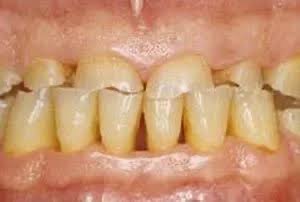
A Habit That Harms Your Smile
Smoking doesn’t just impact your lungs and heart—it severely affects your teeth and gums. If you smoke, you’re at a higher risk for a range of dental problems that can ruin your smile and overall oral health.
Tooth Discoloration
Nicotine and tar in tobacco products cause yellow or brown stains on your teeth. These stains penetrate the enamel and are often resistant to brushing, requiring professional whitening to remove.
Gum Disease Risk Increases
Smoking weakens your immune system, making it harder for your gums to fight infection. Smokers are more likely to develop gum disease, which can lead to gum recession, bone loss, and even tooth loss.
Delayed Healing
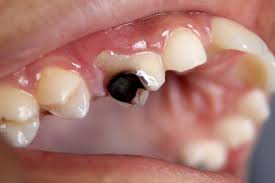
After tooth extractions or gum surgery, smokers heal more slowly. This delayed healing increases the risk of complications, infections, and prolonged discomfort.
Bad Breath and Mouth Odor
Tobacco dries out your mouth and encourages bacterial growth, leading to persistent bad breath. Regular brushing and mints can only mask the problem, not fix it.
Oral Cancer Risk
One of the most serious risks of smoking is oral cancer. Tobacco contains carcinogens that increase your risk of developing cancer in the mouth, lips, tongue, and throat.
How to Protect Your Oral Health
– Quit smoking as soon as possible
– Visit your dentist regularly for checkups and cleanings
– Brush and floss daily
– Stay hydrated to promote saliva production
– Ask your dentist for tips and support in quitting
Conclusion
How Smoking affects teeth and takes a serious toll on your teeth, gums, and overall oral health. The good news? Quitting can halt the damage and even reverse some effects. Your mouth—and your body—will thank you.














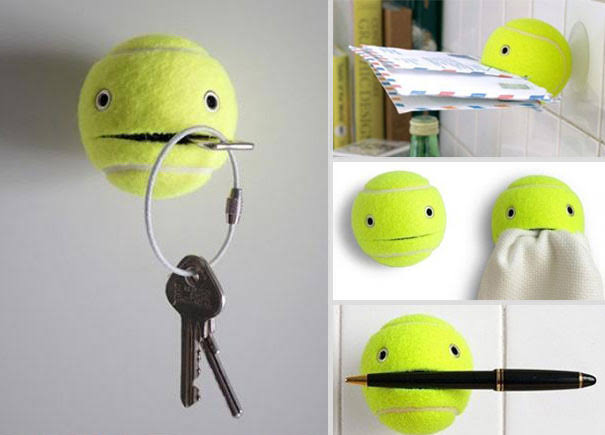
Daily Life Hacks. Simple yet ingenious techniques known as “daily life hacks” can help you save money, time, and effort on routine tasks. These shortcuts help you manage your home and routine more efficiently and stress-free, from quick culinary fixes to clever cleaning techniques.
DAILY LIFE HACKS
Are you looking for easy methods to make home chores easier? Are you trying to figure out how to keep your fresh food fresher longer? To make your day easier, have a look at our selection of the life hack below.
1. Recognize various keys with nail polish.

Use this easy time-saver to get your life organized. This is a really useful hack, especially if you have some extra time and some empty nail polish bottles. The splashes of color will also make your set stick out in your bag, so you won’t have to ramble on about finding the perfect one.
2. To cool your beverage without diluting it, freeze grapes. This is an absolute must-try when it comes to do-it-yourself tricks. Whenever you’re preparing a beverage (such as white wine, lemonade, or orange juice) and don’t want the water diluting it, consider using frozen grapes in place of ice cubes. In that manner when it melts.
3. Fill your almost-empty jar of peanut butter or Nutella with milk.

Daily Life Hacks
The next time your jars of jam, peanut butter, and chocolate spread are almost empty? To make a delicious homemade milkshake, pour some milk into the mixture, screw the lid back on (well), and shake for a minute or two!
4. To prevent a hot water kettle from overheating, place a wooden spoon across it. This is arguably one of the most well-known household life hacks, but it does work! How come? Yes, for a few reasons. Because of its natural repelling properties, the wood stops the bubbles for chemical reasons.
5. Iron collars using hair straighteners

Daily Life Hacks
This one only works if your shirt is covered up, such as by a pullover or something similar. Consider using hair straighteners to iron the collar of your shirt if you have to quickly change your appearance but are in a hurry. It will instantly improve your appearance and cut down on how long it takes to “get ready.”
6. Cover the cheese with parchment paper. Cheese indeed keeps better for longer if it has room to breathe. Use waxed or greaseproof paper to secure your cheddar instead of cling film or tin foil. slow down and enjoy your life.
Summary
Life hacks are easy fixes and clever shortcuts that help you save money, time, and effort on daily tasks. They address everything from productivity and cooking to cleaning and organizing.

Tips for Choosing the Right Path. Aligning your decisions with your inner calm, natural strengths, and basic values is essential to finding the appropriate path in life, work, or personal development. Instead than looking for a single, ideal path, concentrate on introspection, taking tiny, steady steps, and developing the fortitude to overcome any obstacles that may arise.
TIPS FOR CHOOSING THE RIGHT PATH
It’s important to connect your long-term objectives with your underlying values, abilities, and intuition while making decisions about your life or work. When faced with important decisions, self-reflection, testing possibilities in tiny increments, and remaining adaptable can help you achieve clarity.
Definition of Right Path;
Making decisions that result in a desired end “to correct direction or course of action.”
Ways to Choose the Right Path;
1. Morals and Religion

Making judgments gets easier when your ideals are clear, as Roy Disney once observed. What does your faith and moral compass say? Acquire faith in these mentors and endeavor to fortify them. Just exercise caution as they can be misled by feelings and wants that serve oneself.
2. Experience These are the times when your past matters most. We’ve all made both wise and bad mistakes by now. Apply what you learned from that experience to the current situation.

3. Advantages and Drawbacks Enumerate the advantages and disadvantages of the current choice. Which side has the greater weight? It is advisable to ascertain every potential consequence and decide who will benefit the most and who will lose from a specific course of action.
More Ways;
4. However, Be patient, “Patience and perseverance have a magical effect Patience before which difficulties disappear,” said John Quincy Adams. By all means, do not make a snap decision if there is no need to.

Tips for Choosing the Right Path
5. Meanwhile, bravery Make it your goal to be a man who can take on any task. We are unable to back down from a challenge. Seek knowledge and muster the bravery to move beyond your comfort zone.
6. Also, obtain a sample Although it’s not always possible to experience something firsthand before committing, you might be able to test it out. Relevant work experience can help you determine if the career path you have in mind is truly suited for you.
Summary
Making the right choice is often challenging, ambiguous, and stressful. As our responsibilities grow and more people depend on us, it becomes increasingly difficult. We need strength, wisdom, experience, and patience to find the correct way.

Habits for healthy lifestyle. Developing healthy living habits requires daily thoughtful decision-making and is an ongoing effort. You may greatly enhance your general health and quality of life by concentrating on a balanced diet, consistent exercise, enough sleep, stress reduction, hydration, avoiding bad habits, and routine checkups. Start small, make little adjustments, and relish the process of becoming a healthy version of yourself.
HABITS FOR HEALTHY LIFESTYLE
Making decisions that improve one’s physical, mental, and emotional well-being is part of leading a healthy lifestyle. These behaviors enhance general quality of life in addition to preventing chronic illnesses. To live a healthier lifestyle, adopt these essential practices into your everyday routine.
1. Balanced Diet;
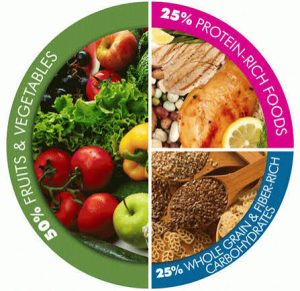
A balanced diet is crucial for maintaining optimal health. This includes:
– Fruits and Vegetables: Aim to fill half your plate with a variety of colorful fruits and vegetables. They provide essential vitamins, minerals, and antioxidants.
– Whole Grains: Choose whole grains over refined grains to benefit from more nutrients and fiber.
– Protein: Incorporate lean protein sources such as fish, poultry, beans, and nuts. Limit red meat and processed meats.
– Healthy Fats: Include sources of healthy fats like avocados, nuts, seeds, and olive oil, while avoiding trans fats and limiting saturated fats.
2. Regular Physical Activity;

Engaging in regular physical activity is vital for maintaining a healthy body and mind. Benefits include improved cardiovascular health, stronger muscles and bones, better mood, and enhanced cognitive function. Aim for:
– Aerobic Exercise: At least 150 minutes of moderate-intensity or 75 minutes of high-intensity aerobic exercise per week.
– Strength Training: Incorporate strength training exercises at least two days a week to build and maintain muscle mass.
3. Adequate Sleep;
Another Healthy lifestyle to embrace is Quality sleep, it is essential for physical and mental health. It allows the body to repair and regenerate and supports cognitive function. To improve sleep:
– Consistency: Stick to a regular sleep schedule, going to bed and waking up at the same time each day.
– Environment: Create a sleep-conducive environment by keeping your bedroom dark, quiet, and cool.
– Avoid Stimulants: Limit caffeine and electronic device use before bedtime.
4. Stress Management;
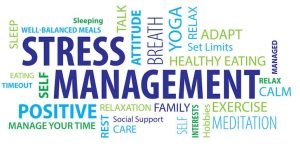
Habits for healthy lifestyle
Chronic stress can negatively impact health. Effective stress management techniques include:
– Mindfulness and Meditation: Practices like meditation, yoga, and deep-breathing exercises can help reduce stress.
– Physical Activity: Regular exercise helps manage stress and improve mood.
– Hobbies and Interests: Engaging in activities you enjoy can provide a healthy distraction and relaxation.
5. Hydration;

Habits for healthy lifestyle
Staying hydrated is crucial for overall health. Water supports bodily functions, including digestion, nutrient absorption, and temperature regulation. Aim to:
– Drink Water: Consume at least 8 glasses (about 2 liters) of water a day, more if you’re physically active or live in a hot climate.
– Limit Sugary Drinks: Reduce intake of sugary beverages like soda and energy drinks.
6. Avoiding Harmful Habits;

Avoiding or minimizing harmful habits is key to maintaining good health:
– Tobacco: Avoid smoking and exposure to secondhand smoke. Smoking is a leading cause of many diseases, including cancer and heart disease.
– Alcohol: If you drink alcohol, do so in moderation. For women, this means up to one drink per day, and for men, up to two drinks per day.
Summary
Making significant adjustments all at once is not necessary to develop a healthy lifestyle. To significantly improve your physical and mental well-being, start by concentrating on simple, doable changes like eating whole foods, moving your body for 30 minutes every day, making 7 to 9 hours of sleep a priority, and drinking enough of water.

Earth Frozen Frontiers

Natural Majestic Wonders

Daily Life Hacks

A Step-by-Step Guide to Deleting Reels on Instagram

A Comprehensive Guide to Setting Up a YouTube Premiere









Pingback: Can Stress Affect Your Teeth? Here’s What to Know - SimplExplainer
Pingback: Tongue and oral health