Health
How to understand stroke signs

How to understand stroke signs. A stroke victim’s prognosis can be greatly improved by identifying the early warning signals of the condition and taking prompt action. You may be able to avoid long-term handicap or save a life by being aware of these indications and understanding how to react. Keep yourself informed, remain alert, and never forget that every second matters when it comes to strokes.
HOW TO UNDERSTAND STROKE SIGNS
Strokes can affect anyone, regardless of age or gender, and are frequently referred to as “brain attacks.” Early detection of stroke symptoms can greatly increase survival rates and reduce long-term impairments. We’ll examine the early warning symptoms of strokes in this tutorial so you can recognize them quickly and take the necessary action.
Before diving into the signs, it’s crucial to understand what a stroke is. A stroke occurs when the blood supply to part of the brain is interrupted or reduced, depriving brain tissue of oxygen and nutrients. This can result in brain cell damage and potentially permanent disabilities or even death. There are two main types of strokes: ischemic strokes, caused by a blockage in a blood vessel, and hemorrhagic strokes, caused by bleeding in the brain.
Early Signs of Strokes:
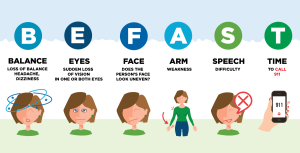

1. Sudden Weakness or Numbness: One of the most common signs of a stroke is sudden weakness or numbness, typically on one side of the body. This can affect the face, arm, or leg and may be accompanied by a drooping or numbness of the face.
2. Trouble Speaking or Understanding Speech: Difficulty speaking coherently or understanding speech can also indicate a stroke. This may manifest as slurred speech, confusion, or difficulty finding the right words.
3. Vision Problems:


Blurred or decreased vision in one or both eyes can be a sign of a stroke. Some people may experience double vision or sudden blindness in one eye.
4. Severe Headache: A sudden, severe headache with no known cause, often described as the worst headache of one’s life, can be a sign of a hemorrhagic stroke. This type of headache may be accompanied by vomiting, dizziness, or altered consciousness.
5. Dizziness or Loss of Balance:


How to understand stroke signs
Feeling dizzy or experiencing a sudden loss of balance or coordination can indicate a stroke. This may manifest as difficulty walking, standing, or maintaining balance.
6. Facial Drooping: Sudden drooping or weakness on one side of the face, especially when trying to smile, can be a sign of a stroke. This asymmetry in facial expression is a classic indicator of neurological issues.
7. Difficulty Swallowing: Difficulty swallowing, also known as dysphagia, can occur during a stroke due to impaired muscle control. This may result in choking or coughing while eating or drinking.
Taking Action:


How to understand stroke signs
If you or someone you’re with experiences any of these signs, it’s crucial to act quickly. Remember the acronym FAST:
– Face: Ask the person to smile. Does one side of their face droop?
– Arms: Ask the person to raise both arms. Does one arm drift downward?
– Speech: Ask the person to repeat a simple phrase. Is their speech slurred or strange?
– Time:
If you observe any of these signs, it’s time to call emergency services immediately. Time is of the essence when it comes to treating strokes.
Summary
The BE FAST acronym—Balance loss, Eyesight changes, Facial drooping, Arm weakness, Speech difficulty, and Time to call emergency services (911)—can help you quickly identify stroke symptoms. Even if the symptoms go away, they still need to be treated right away to reduce brain damage because they often appear quickly and only affect one side of the body.