Health
Jaw stiffness solutions

Jaw stiffness solutions. Everyday living can be significantly impacted by jaw discomfort and stiffness. However, there are efficient ways to relieve pain and enhance jaw function. Whether it’s taking care of oneself at home, going to the dentist, or receiving professional interventions like medicine or physical therapy. People are able to identify solutions that suit them. by obtaining the proper treatment for jaw stiffness and taking proactive measures to alleviate jaw discomfort.
JAW STIFFNESS SOLUTIONS
Jaw pain and stiffness can significantly impact quality of life, affecting everyday activities such as eating, speaking, and even sleeping. Fortunately, there are various effective treatments available to alleviate jaw discomfort and improve jaw function. In this article, we’ll explore the solutions for jaw treatment, ranging from self-care measures to professional interventions, to help individuals find relief and regain control over their jaw health.
Self-Care Measures:
1. Rest and Relaxation:

Taking breaks throughout the day to rest the jaw muscles and practicing relaxation techniques can help reduce muscle tension and alleviate jaw stiffness. Techniques such as deep breathing, meditation, and progressive muscle relaxation can promote relaxation and relieve stress in the jaw area.

2. Heat and Cold Therapy:
Applying heat or cold packs to the jaw joint can help reduce inflammation and alleviate pain and stiffness. Alternating between heat and cold therapy can provide temporary relief and promote healing of the jaw tissues. Be sure to use a cloth or towel to protect the skin from direct contact with hot or cold packs.
3. Gentle Jaw Exercises:

Jaw stiffness solutions
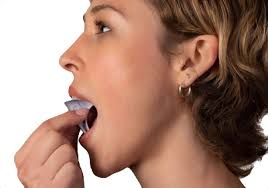
Performing gentle jaw exercises and stretches can help improve flexibility and range of motion in the jaw joint. Simple exercises such as opening and closing the mouth, moving the jaw from side to side, and gently massaging the jaw muscles can help loosen tight muscles and reduce stiffness.
Professional Interventions:
1. Dental Treatments:
Addressing underlying dental issues such as tooth decay, gum disease, or misalignment of the teeth is essential for managing jaw pain and stiffness. Dental treatments such as fillings, root canal therapy, periodontal treatment, or orthodontic intervention may be recommended to restore proper function and alignment of the jaw.
2. Mouthguards or Splints:

Jaw stiffness solutions
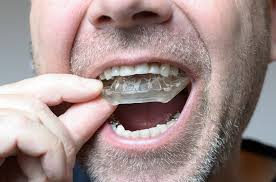
Wearing a custom-fitted mouthguard or splint can help protect the teeth and jaw joint from the harmful effects of bruxism (teeth grinding) or temporomandibular joint (TMJ) disorders. These oral appliances can prevent teeth grinding, reduce muscle tension, and alleviate jaw stiffness associated with TMJ disorders. Mouthguards or splints are typically worn at night to prevent unconscious clenching or grinding during sleep.
3. Physical Therapy:
Physical therapy techniques such as jaw mobilization, massage, and stretching exercises prescribed by a healthcare professional can help improve jaw function and reduce pain and stiffness. The physical therapists can provide personalized treatment plans tailored to individual needs and goals, helping individuals regain comfort and functionality in their jaw movements.
4. Medications:

Jaw stiffness solutions
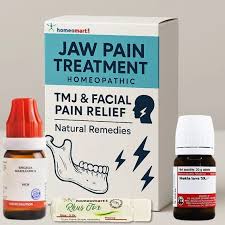
In some cases, Jaw stiffness treatment medications may be prescribed to alleviate pain, reduce inflammation, or relax the jaw muscles. Nonsteroidal anti-inflammatory drugs (NSAIDs), muscle relaxants, and tricyclic antidepressants are commonly used to manage jaw pain and stiffness associated with TMJ disorders or other conditions.
Summary
People are able to live life to the fullest by regaining comfort and functionality in their jaw movements. if you have severe or ongoing jaw pain and stiffness. For an accurate assessment and individualized treatment, it is crucial to speak with a healthcare provider. People can alleviate their jaw pain and enhance their general quality of life with the correct strategy.