oil
Key Relevance of Cypress Oil


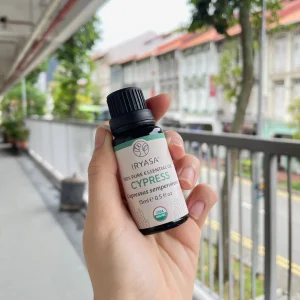
key relevance of cypress oil. With its antibacterial, astringent, anti-inflammatory, and deodorizing qualities, cypress essential oil is a useful and adaptable skincare ingredient. When applied properly, it can reduce inflammation, tighten pores, promote circulation, and treat acne. Before using cypress oil widely, it’s crucial to dilute it appropriately and perform a patch test. You can benefit from the revitalizing and healing properties of cypress oil for healthier, more beautiful skin by integrating it into your skincare regimen.
KEY RELEVANCE OF CYPRESS OIL
Cypress, derived from the Mediterranean cypress tree (Cupressus sempervirens), has long been used in traditional medicine and skincare due to its therapeutic properties. Cypress essential oil, made from the leaves, twigs, and stems of the tree, is especially well-known for its skin-benefiting qualities. This article looks at how cypress affects skin, highlighting its benefits, uses, and potential drawbacks.
1. Antiseptic and Antimicrobial Properties;
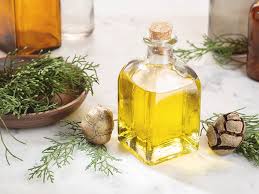
Cypress oil is highly valued for its antiseptic and antimicrobial properties. It can help prevent and treat infections by inhibiting the growth of bacteria and fungi. This makes it an excellent choice for managing acne, minor cuts, and wounds, keeping the skin clean and promoting faster healing.
2. Astringent Effects;
The astringent properties of cypress oil help tighten and firm the skin. It can reduce the appearance of large pores, making the skin look smoother and more refined. Additionally, its astringent action can help control excess oil production, which is beneficial for individuals with oily or combination skin.
3. Anti-Inflammatory Benefits;
Cypress’s oil possesses anti-inflammatory properties that can soothe irritated skin and reduce redness. It is particularly effective in calming inflammatory conditions like acne, eczema, and rosacea. By reducing inflammation, cypress oil helps improve the overall appearance and comfort of the skin.
4. Deodorizing and Refreshing;

Cypress’s oil has a fresh, woody aroma that can help neutralize body odors and refresh the skin. Its deodorizing properties make it a popular ingredient in natural deodorants and body sprays, providing a pleasant and long-lasting scent.
How to Use Cypress in Skincare;

key relevance of cypress oil
Cypress essential oil can be incorporated into your skincare routine in various ways. Here are some common applications and tips for using it effectively:
Dilution;
Essential oils, including cypress, should always be diluted before application to the skin. Mix a few drops of cypress oil with a carrier oil, such as jojoba, almond, or coconut oil, before applying to the skin. A typical dilution ratio is 1-2% (6-12 drops of essential oil per ounce of carrier oil).
Facial Toner;

key relevance of cypress oil
Add a few drops of cypress oil to a facial toner or witch hazel to enhance its astringent properties. Apply with a cotton pad to help tighten pores and control oil production.
Massage Oil;

key relevance of cypress oil
Create a massage oil blend with cypress oil to improve circulation and promote detoxification. Combine it with other essential oils, such as juniper or rosemary, for enhanced benefits.
Precautions and Considerations:
While cypress’s oil offers numerous benefits, it is important to use it safely:
– Patch Test: Always perform a patch test before using cypress oil on the skin to ensure there is no allergic reaction or irritation.
– Dilution: Never apply undiluted essential oils directly to the skin, as they can cause irritation or sensitization.
Summary
The needles, cones, and twigs of the cypress tree are steam-distilled to produce cypress essential oil. The oil’s unique scent and medicinal qualities are attributed to its abundance of monoterpenes, including limonene and alpha-pinene. Cypress oil is a versatile skincare component because of its antibacterial, astringent, anti-inflammatory, and deodorizing properties.
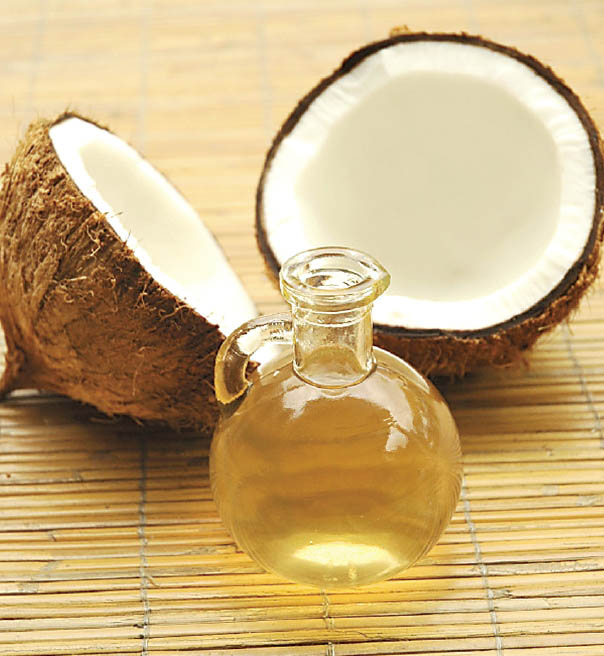
Health Components of Coconut Oil. Certain saturated fats known as medium-chain fatty acids make up between 52% and 85% of coconut oil. When applied to the skin, it produces a hydrating effect. Coconut oil is frequently used to treat eczema and growth in premature babies. There is no solid scientific evidence to support its usage for psoriasis, obesity, breast cancer, heart disease, multiple sclerosis, and many other illnesses.
HEALTH COMPONENTS OF COCONUT OIL
When utilized properly, coconut oil’s nutrient profile and adaptability make it a great supplement to your lifestyle. Despite its many advantages, coconut oil is heavy in saturated fat and calories. Excessive use may raise the risk of health problems.Coconut oil is a calorie-dense fat composed of 80% to 90% saturated fat, high in medium-chain fatty acids that offer rapid energy
Health Benefits;
1. Rich in Healthy Fats:

Coconut oil contains medium-chain triglycerides (MCTs), which may boost energy and support brain function.
2. Heart Health: While it’s high in saturated fats, moderate consumption can increase good HDL cholesterol levels.
3. Antimicrobial Properties: Lauric acid in coconuts oil helps fight bacteria and viruses, promoting overall health.
Uses of Coconut oil in Cooking;
– High-Heat Cooking: Its high smoke point makes it ideal for frying and baking.
– Flavor Enhancer: Adds a subtle coconut flavor to dishes and desserts.
– Butter Substitute: Used as a plant-based alternative in recipes.
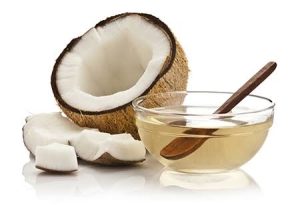
Health Components of Coconut Oil
Benefits for Skin and Hair;
– Moisturizer: Hydrates and softens skin, making it a great remedy for dryness.
– Hair Conditioner: Reduces frizz, adds shine, and strengthens hair.

Health Components of Coconut Oil
– Makeup Remover: Gently removes makeup without irritating the skin.
Summary
The meat of mature coconuts is used to make coconut oil, which is well-liked for its many uses and health advantages. It is a mainstay in many homes worldwide and is used in cooking, skincare, and hair care. There are two methods for extracting coconut oil: wet and dry. Oil can be made more easily (though maybe less successfully) by cooking the meat over a moderate fire, boiling water, or the sun.

Uses of Castor oil. It is a potent natural medicine that has several advantages, including hydrating dry skin and encouraging hair growth. It is a mainstay in many cosmetic regimens due to its rich composition and therapeutic qualities. Like any product, though, it’s crucial to use it correctly and be aware of any possible responses. The oil is a flexible and useful choice that is worth trying, regardless of whether you want to improve your skin, hair, or lashes.
USES OF CASTOR OIL
For many years, castor oil has been promoted as a flexible, all-natural treatment with numerous advantages for skin, hair, and general health. For generations, traditional medicine and cosmetic procedures have utilized this thick, rich oil that is extracted from the seeds of the castor plant (Ricinus communis). Does it, however, live up to the hype? This is an overview of castor oil’s several applications.
Benefits;
1. Hair Growth and Strengthening

One of the most popular uses for castor oil is promoting hair growth. Rich in ricinoleic acid, a type of fatty acid, castor oil is believed to increase circulation to the scalp, nourish hair follicles, and stimulate hair growth. Many users apply it to their scalp and eyebrows or lashes to encourage thicker, fuller hair.
2. Moisturizing Dry Skin
Castor oil is an excellent moisturizer, especially for those with dry or flaky skin. Its thick consistency forms a protective barrier on the skin, locking in moisture and providing relief from dryness. It’s often used to treat rough areas like elbows, knees, and heels.
3. Healing Properties
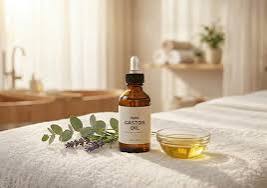
The anti-inflammatory and antimicrobial properties of castor oil make it a popular choice for treating minor wounds, cuts, and skin irritations. It can help reduce inflammation and protect the skin from infection while promoting faster healing.
4. Acne Treatment
While it might seem counterintuitive to apply oil to acne-prone skin, castor oil’s anti-inflammatory properties can help reduce redness and swelling associated with acne. It also contains fatty acids that help restore the skin’s natural moisture balance, potentially reducing breakouts.
5. Eyelash and Eyebrow Enhancer
Many people swear by castor oil as a natural way to enhance eyelashes and eyebrows. By applying a small amount to lashes and brows nightly, users report stronger, longer, and more defined hairs over time.
How to Use Castor Oil
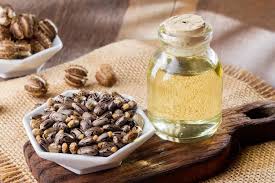
Uses of Castor Oil
• For Hair: Warm a small amount of the oil in your hands and massage it into your scalp. You can also apply it to the ends of your hair to prevent split ends. Leave it on for at least 30 minutes, or overnight for deeper conditioning, before washing it out with shampoo.
• For Skin: Apply a small amount of the oil to dry areas of your skin and massage it in until absorbed. For best results, use it as part of your nighttime routine, allowing it to work overnight.
• For Eyelashes and Eyebrows: Use a clean mascara wand or cotton swab to apply a thin layer of the oil to your lashes and brows before bed.
Potential Drawbacks

Uses of Castor Oil
While the oil is generally safe for most people, it can cause allergic reactions in some individuals, leading to redness, itching, or irritation. Always perform a patch test on a small area of skin before using it more broadly. Additionally, its thick consistency can make it difficult to wash out of hair, and overuse on oily skin may clog pores.
Summary
Castor oil is a thick vegetable oil derived from castor bean seeds that is used for industrial, cosmetic, and natural health applications.
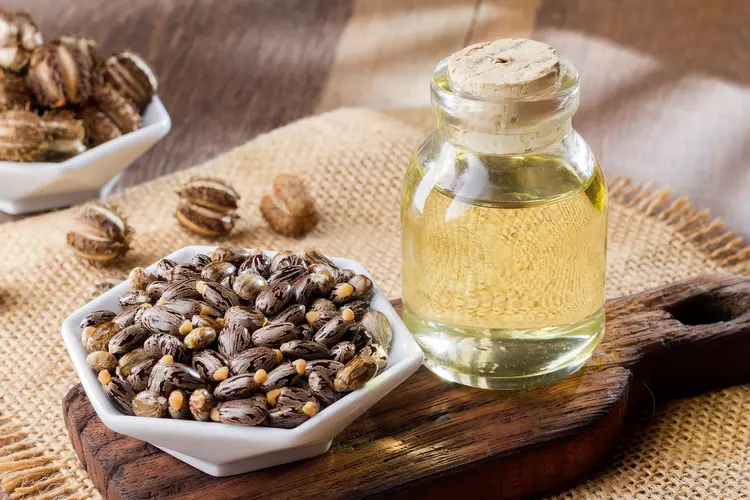
Uses of Castor Oil. For many years, castor oil has been promoted as a flexible, all-natural treatment with numerous advantages for skin, hair, and general health. For generations, traditional medicine and cosmetic procedures have utilized this thick, rich oil that is extracted from the seeds of the castor plant (Ricinus communis). Does it, however, live up to the hype? This is an overview of castor oil’s several applications.
USES OF CASTOR OIL
Castor oil is a potent natural medicine that has several advantages, including hydrating dry skin and encouraging hair growth. It is a mainstay in many cosmetic regimens due to its rich composition and therapeutic qualities. Like any product, tho, it’s crucial to use it correctly and be aware of any possible responses. The oil is a flexible and useful choice that is worth trying, regardless of whether you want to improve your skin, hair, or lashes.
Benefits;
1. Hair Growth and Strengthening;

One of the most popular uses for castor oil is promoting hair growth. Rich in ricinoleic acid, a type of fatty acid, castor oil is believed to increase circulation to the scalp, nourish hair follicles, and stimulate hair growth. Many users apply it to their scalp and eyebrows or lashes to encourage thicker, fuller hair.
2. Moisturizing Dry Skin;
Castor oil is an excellent moisturizer, especially for those with dry or flaky skin. Its thick consistency forms a protective barrier on the skin, locking in moisture and providing relief from dryness. It’s often used to treat rough areas like elbows, knees, and heels.
3. Healing Properties;

Uses of Castor Oil
The anti-inflammatory and antimicrobial properties of castor oil make it a popular choice for treating minor wounds, cuts, and skin irritations. It can help reduce inflammation and protect the skin from infection while promoting faster healing.
4. Acne Treatment;
While it might seem counterintuitive to apply oil to acne-prone skin, castor oil’s anti-inflammatory properties can help reduce redness and swelling associated with acne. It also contains fatty acids that help restore the skin’s natural moisture balance, potentially reducing breakouts.
5. Eyelash and Eyebrow Enhancer;

Uses of Castor Oil
Many people swear by castor oil as a natural way to enhance eyelashes and eyebrows. By applying a small amount to lashes and brows nightly, users report stronger, longer, and more defined hairs over time.
Uses;
• For Hair: Warm a small amount of the oil in your hands and massage it into your scalp. You can also apply it to the ends of your hair to prevent split ends. Leave it on for at least 30 minutes, or overnight for deeper conditioning, before washing it out with shampoo.
• For Skin:

Uses of Castor Oil
Apply a small amount of the oil to dry areas of your skin and massage it in until absorbed. For best results, use it as part of your nighttime routine, allowing it to work overnight.
• For Eyelashes and Eyebrows: Use a clean mascara wand or cotton swab to apply a thin layer of the oil to your lashes and brows before bed.
Potential Drawbacks;

While the oil is generally safe for most people, it can cause allergic reactions in some individuals, leading to redness, itching, or irritation. Always perform a patch test on a small area of skin before using it more broadly.
Summary
Castor bean seeds are used to make castor oil, a viscous vegetable oil. Its primary medical application is as a natural laxative to relieve transient constipation.

Torchlight Selection

Best Practices for Face Exfoliation

Chemical Face Exfoliation

A Step-by-Step Guide to Deleting Reels on Instagram

A Comprehensive Guide to Setting Up a YouTube Premiere