Children
Kids and Technological Boundaries


Kids and technological boundaries. Age-appropriate screen time limitations, regular routines, and open communication are all part of creating healthy technological boundaries for kids. According to experts, children under the age of 18 to 24 months should not use screens at all, children ages 2 to 5 should only use screens for no more than an hour, and older children should have strict, regular, and monitored usage, including tech-free zones and nighttime rituals.
KIDS AND TECHNOLOGICAL BOUNDARIES
Technological boundaries are the regulations, restrictions, and guidelines that people and organizations set up to control the use of digital devices and prevent problems like stress, decreased productivity, and digital overload. These constraints, which can be temporal (such as time limits) or physical (such as device-free zones), are crucial for promoting a more balanced, healthy, and purposeful relationship with technology.
Definition;
Setting limits can help people have a better connection with technology. By establishing these boundaries, people can ensure that their use of technology enhances rather than diminishes their personal well-being and in-person relationships.
1. Age-Appropriate Guidelines;

Create regulations that are suitable for the child’s developmental stage and maturity. Their screen time limits, the kind of content they can watch, and the hours of the day they can use their gadgets are all included in this.
2. Educational vs. Recreational Screen Time:
Make a distinction between screen time for educational and homework purposes and amusement, and promote greater time spent on those activities.
3. Parental Controls and Monitoring;

Kids and technological boundaries
You can help regulate the content your child can access by implementing parental controls. Talk about privacy and internet safety regularly.
4. Behavior Modeling;
Children frequently imitate the actions of adults. Demonstrate to them how you balance technology and regulate your own screen time.
5. Co-Viewing and Engagement;

Kids and technological boundaries
Watch or play on electronics together. This facilitates conversations about what is being consumed in addition to fostering bonds.
6. Encourage open communication;
By fostering an atmosphere in which kids can talk openly about their experiences and the material they come across online. This transparency can assist parents in supporting their children in navigating online issues like cyberbullying and stepping in when needed.
7. Foster Good Relationships;

Kids and technological boundaries
Teach kids the value of being kind and the consequences of their online language. Motivate children to participate constructively and courteously, modeling the values they learn at home.
8. Mental Health Awareness;
Have regular conversations about how social media affects feelings and self-worth. Children should be taught to appreciate their value beyond social media affirmation and to be cautious of the inflated ideals that are frequently presented online.
Summary
Establishing sound boundaries is essential to maintaining a balanced relationship with electronics and the internet. Setting these boundaries helps prevent technology overuse, which can lead to issues including sleep disturbances, increased stress, and a decline in physical activity.







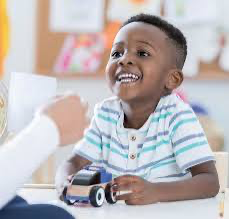


Child Neglect and Causes. Neglect, or the failure to regularly meet a child’s needs, is the most common kind of child maltreatment. A child may be ignored and abandoned, deprived of food, hygienic clothing, appropriate shelter, guidance, and education. Perhaps they’re not receiving enough medical care and aren’t performing well.
CHILD NEGLECT AND CAUSES
Neglect is when you fail to provide someone or something you are accountable for with the necessary care, attention, or assistance. It may also refer to forgetting or neglecting to complete a necessary task. It Neglect may make the child vulnerable to other forms of abuse.
Child Neglect;

Poverty: The unfortunate reality is that children are not always given the priority they need if their parents are struggling to make ends meet. Children should never be neglected as long as their care is given priority, even in cases where families are living in great poverty.
Lack of education: Having experienced neglect themselves, parents may have missed a significant portion of their schooling. Due to their lack of qualifications, they can find it difficult to get work and become reliant on “benefits.” Living like this is a pass to being impoverished.
Serious marital/relationship problems:
Child Neglect and Causes
Children frequently see or feel the effects of their parents’ marital problems. A difficult split or divorce can be emotionally and temporally taxing. This may result in parents ignoring their kids as they take care of their problems.
More Neglects;
Violence among parents/carers: Once more, kids might end up being victims of violence as well as witnesses to its aftermath. Long-term effects may result from the impact, which may be significant on a psychological and physical level.
No support from the extended family:

The absence of aunts, uncles, and grandparents may indicate that a child’s parent(s) lacks support. With no one to “babysit” or kid mind while they go shopping, or to work, or to provide support and direction,
Lack of knowledge and skills in raising children:
Parents can experience parental neglect. They will already be behind when it comes to caring for and rearing a child, so this will come as no surprise.
Loneliness and social isolation:

When parents are unable to ask friends and relatives for help and guidance, their capacity to care for their child naturally suffers. When tasked with parenting a child alone, and perhaps in trying circumstances, the psychological effects of solitude can be significant. Neglect
Summary
When a parent or other caregiver fails to meet a kid’s basic physical, emotional, medical, or educational needs, it is known as child neglect.
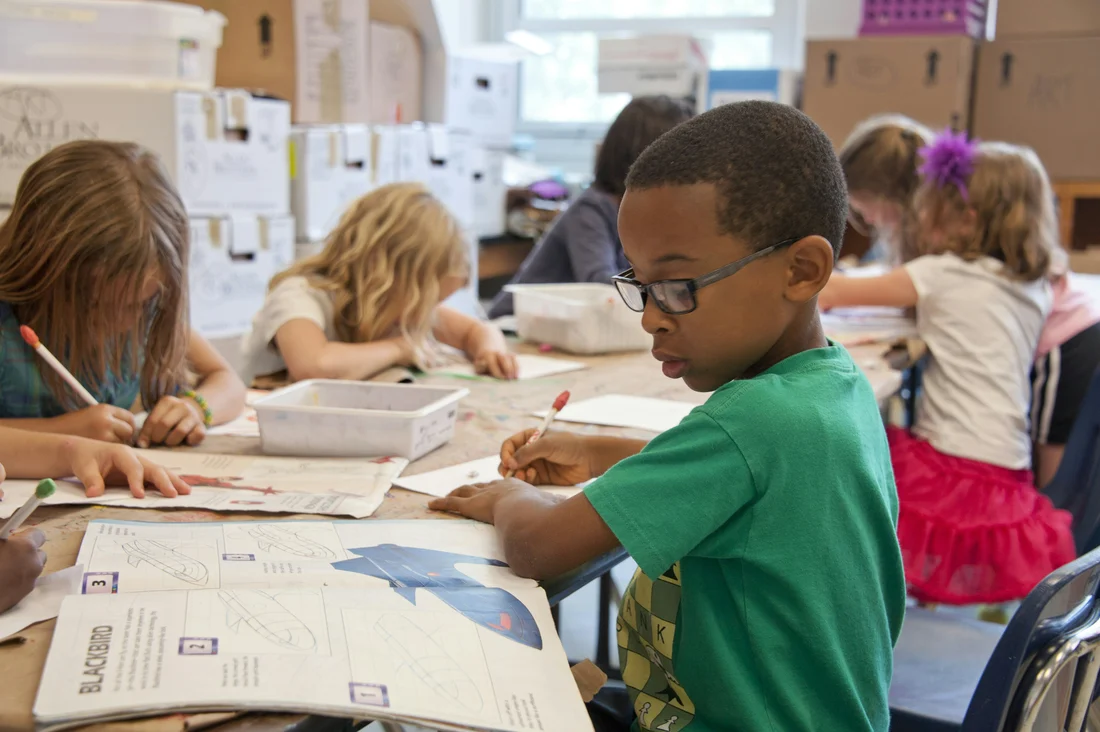
How to Facilitate Children Education. Child education is the process of supporting children’s learning and development, often from early infancy to puberty. Among other stages, it covers early childhood education, primary education, and secondary education. Early childhood education aims to provide young children with the experiences, values, knowledge, and skills they need to develop into well-rounded individuals and active members of society.
HOW TO FACILITATE CHILDREN EDUCATION
The fundamental cognitive, social, and emotional abilities necessary for a person’s success and well-being throughout life are developed through child education.
1. Foundation for Future Learning:
By encouraging curiosity, critical thinking, and a love of learning, early education sets the groundwork for a child’s lifetime learning journey. Cognitive Development: Getting a good education improves cognitive abilities including memory, reasoning, and problem-solving, all of which are essential for both academic and personal success.
2. Socialization:
School settings give kids the chance to engage with classmates, hone their social skills, and discover cooperation, empathy, and dispute resolution. Personal development: Child education promotes self-worth, resiliency, and the capacity to establish and meet objectives.
3. Understanding diverse cultures

How to Facilitate Children Education
history and viewpoints foster open-mindedness and equip kids to live as global citizens in a connected world. This is known as global awareness. employment options: A child’s quality of life is eventually improved by a solid education, which opens doors to better employment options and higher earning potential.
4. Health and Well-Being:
Education provides children with vital life skills, such as health literacy, which empowers them to make knowledgeable decisions regarding their health. Improving Poverty: Since educated people are more likely to be able to find steady work and support economic progress, education can be a very effective instrument in ending the cycle of poverty.
5. Innovation and Advancement:

How to Facilitate Children Education
Those with education propel innovation and advance society by bringing new perspectives, cutting-edge research, and specialized knowledge from a variety of backgrounds. Setting Up a Strategic Plan for Your Child’s Dreams Careful preparation is the first step in protecting your child’s future. To begin with, try to comprehend the goals and desires of your child. Do they intend to pursue further education? Do they intend to pursue a specific career path? T
Start Early and Invest Wisely
When it comes to investing, time is your strongest ally. Your investments have more time to develop and compound if you start early. Over time, even modest payments might add up to a sizable amount. child development.
Summary
Creating a nurturing atmosphere at home, fostering curiosity, and fusing real-world experiences with active learning are all part of supporting a child’s education.

Infants best lotions. When it comes to taking care of your baby’s skin, pick a mild lotion. It must be efficient and devoid of unpleasant chemicals. The aforementioned lotions are made with calming, natural ingredients that give sensitive infant skin long-lasting moisture and protection. whether your infant has dry, sensitive, or easily irritated skin. These lotions provide the nutrients and care required to maintain their skin’s health, softness, and happiness.
INFANTS BEST LOTIONS
Maintaining your baby’s sensitive skin depends on the type of lotion you use. Because babies’ skin is more delicate and prone to dryness, irritation, and other problems, applying a mild yet effective lotion can help keep their skin hydrated and healthy. These four top lotions are made to give babies the finest possible care and protection.
1. Aveeno Baby Daily Moisture Lotion;

– Key Benefits: Aveeno Baby Daily Moisture Lotion is formulated with natural colloidal oatmeal, which is known for its soothing and moisturizing properties. This non-greasy, fast-absorbing lotion is clinically proven to moisturize for 24 hours, providing long-lasting hydration for your baby’s skin.
– Why It’s Great for Infants: The gentle, hypoallergenic formula is free from parabens, phthalates, and fragrances, making it suitable for sensitive skin. The natural oatmeal helps to soothe irritation and protect the skin’s moisture barrier, keeping it soft and smooth.
2. CeraVe Baby Moisturizing Lotion;
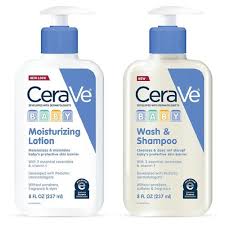
– Key Benefits: CeraVe Baby Moisturizing Lotion contains essential ceramides and vitamins to help restore and maintain the skin’s natural barrier. It provides all-day hydration with a lightweight, non-greasy formula that is free from parabens, sulfates, and fragrances.
– Why It’s Great for Infants: This lotion is developed with pediatric dermatologists and is gentle enough for daily use on sensitive baby skin. The inclusion of ceramides helps to strengthen the skin’s barrier, preventing dryness and irritation while keeping the skin well-hydrated and healthy.
3. Mustela Hydra Bébé Body Lotion;

Infants best lotions
– Key Benefits: Mustela Hydra Bébé Body Lotion is enriched with natural ingredients like Avocado Perseose, a patented ingredient that helps protect and hydrate the skin. The formula is light, easily absorbed, and provides long-lasting moisture without leaving a greasy residue.
– Why It’s Great for Infants: This lotion is hypoallergenic and free from parabens, phthalates, and phenoxyethanol, making it safe for daily use on delicate infant skin. The natural ingredients nourish and protect the skin, ensuring it stays soft and supple.
4. Eucerin Baby Lotion;

Infants best lotions
Although, eucerin Baby Lotion is a gentle, fragrance-free lotion that is designed to moisturize and protect a baby’s sensitive skin. It is enriched with pro-vitamin B5 and natural shea butter. Which help to soothe and nourish the skin, providing up to 24 hours of hydration.
– Why It’s Great for Infants: The formula is hypoallergenic and free from parabens, dyes, and fragrances. Making it ideal for babies with sensitive skin or eczema. The inclusion of shea butter helps to lock in moisture and prevent dryness, ensuring the skin remains soft and comfortable.
Summary
Also, to preserve delicate skin, the best baby lotions are hypoallergenic, fragrance-free, and made with natural, plant-based ingredients. Earth Mama Simply Non-Scents Baby Lotion and Aveeno Baby Daily Moisturizing Cream are two top pediatrician-recommended options that lock in hydration without leaving greasy residues.

Torchlight Selection

Best Practices for Face Exfoliation

Chemical Face Exfoliation

A Step-by-Step Guide to Deleting Reels on Instagram

A Comprehensive Guide to Setting Up a YouTube Premiere