
Business
Lucrative Online Businesses


Lucrative online businesses. Profitable online businesses include freelance services like writing and graphic design, digital product sales like courses and templates, content-driven models like affiliate marketing and podcasting or blogging, and e-commerce, particularly dropshipping and print-on-demand. Other options include focusing on specific markets by developing subscription boxes or providing specialist advising, or providing services like site design, social media management, and virtual help.
LUCRATIVE ONLINE BUSINESSES
In today’s digital age, the opportunities for starting and growing an online business are endless. Whether you’re a seasoned entrepreneur or a budding enthusiast, there’s a niche for everyone in the vast landscape of e-commerce. Here are eight lucrative online business ideas to consider diving into this year:
1. E-commerce Store

With the continued rise of online shopping, starting an e-commerce store remains a profitable venture. Whether you choose to sell handmade crafts, niche products, or trendy fashion items, platforms like Shopify, and Etsy provide easy-to-use tools to launch your store.
2. Drop shipping

For entrepreneurs looking to start an online store with minimal upfront investment, dropshipping is an attractive option. By partnering with suppliers, you can sell products directly to customers without holding inventory. Platforms like Oberlo and AliExpress make it easy to find products to sell and manage orders.
3. Digital Products
Creating and selling digital products, such as e-books, online courses, stock photos, or software, can be a highly scalable online business. Once created, digital products can be sold repeatedly without the need for inventory or shipping logistics.
4. Subscription Box Service

LUCRATIVE ONLINE BUSINESSES
The subscription box model continues to gain popularity, offering consumers curated products delivered to their doorstep on a recurring basis. Whether it’s beauty products, gourmet snacks, or pet supplies, there’s a subscription box niche for virtually every interest.
5. Freelancing Services
If you have a specific skill or expertise, freelancing can be a lucrative online business. Whether you’re a writer, graphic designer, web developer, or digital marketer, platforms like Upwork, Freelancer, and Fiverr connect freelancers with clients seeking their services.
6. Affiliate Marketing

LUCRATIVE ONLINE BUSINESSES
Affiliate marketing involves promoting other companies’ products and earning a commission for each sale or lead generated through your referral. By building a niche website, blog, or social media presence, you can monetize your audience by recommending relevant products or services.
7. Online Coaching or Consulting
If you have specialized knowledge or experience in a particular field, offering online coaching or consulting services can be a rewarding business. Whether it’s business coaching, career counseling, fitness training, or personal development, there’s a demand for expertise in various industries.
8. Print-on-Demand

LUCRATIVE ONLINE BUSINESSES
Print-on-demand services allow entrepreneurs to create and sell custom-designed merchandise, such as T-shirts, mugs, and phone cases, without the need for inventory or upfront costs. Platforms like Printful and Teespring handle the printing, fulfillment, and shipping, allowing you to focus on design and marketing.
Summary
The opportunities for starting an online business are abundant this year. Whether you’re interested in selling physical products, digital goods, or offering services, the key is to identify a niche that aligns with your interests, skills, and market demand. With dedication, creativity, and perseverance, you can turn your online business idea into a profitable venture in the digital marketplace.

International Business Relevance. The exchange and transaction of resources, goods, or services between governments, businesses, and individuals situated in other countries is referred to as international commerce. It encompasses a wide range of operations, including international trade, investment, finance, marketing, and management. Companies go overseas to expand their customer base, increase revenue, enter unexplored areas, obtain resources, or obtain a competitive advantage.
INTERNATIONAL BUSINESS RELEVANCE
Any commercial activity that takes place between two or more nations, such as trade, sales, investments, and logistics, is referred to as international business. It enables businesses to sell goods, services, or technology internationally, discover new markets, and reduce production costs.
Importance;
1. Boost Sales and Awareness of Your Brand

As a result of its global expansion, your business will be able to investigate new markets and attract new customers, boosting sales and revenue globally. Increasing the shelf life of your products and services and breaking into a new market are two ways your company might increase sales.
2. Cutting Down on Dependency on the Present Market A store’s global expansion presents an opportunity to reduce dependence on the current market in which it is currently established. The market is currently highly competitive with many other enterprises.
3. Work Together with Experts and Make Use of the Outside Resource

International Business Relevance
Utilizing the resources of the other nation, including technology and knowledge in a particular area, is another important advantage of growing your business abroad. This lets you use better tools and find better ways to operate, which improves operations and profits for your business.
4. Take Advantage of Being First Several companies looking to expand internationally are primarily motivated by the desire to surpass. Being the pioneers will do them a tremendous deal of good. Consumers will be more familiar with your brand than with your competitors’. Furthermore, it could be difficult to get purchasers to change their habits and ways of thinking if they have specific brands in mind. They will go to yours instead of those of your rivals.
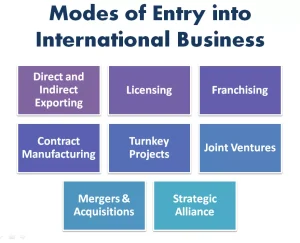
Forms of International Business;
International Business Relevance
Export and Import Selling goods or services from one country to another is referred to as importation. Exporting goods to another nation is known as exporting. Imports and exports are typically the first cross-border economic ventures. Additionally, they are the simplest method for a business to join a foreign market. challenges of international businesses.
Summary
Because it propels global economic growth, gives businesses access to new markets and resources, and promotes cross-border technical and cultural interaction, international business is important.

Business Skills and Knowledge. In order to manage operations, lead teams, and spur growth, business skills and knowledge integrate fundamental human abilities, technical know-how, and strategic thinking. Professionals that are proficient in these areas can negotiate challenging situations and adjust to shifting market conditions.
BUSINESS SKILLS AND KNOWLEDGE
The ability to make wise decisions, manage teams effectively, and increase revenues is made possible by business knowledge and abilities. They facilitate quicker work, problem-solving, and career advancement.
Importance of knowledge;
Although, enlightenment provides access to many prospects. Possessing pertinent knowledge provides you an advantage over others, whether it’s comprehending market trends, grasping new technology, with industry regulations. It makes it possible for you to overcome obstacles with agility and effectiveness. Knowledgeable people make excellent interview subjects and can respond to inquiries well.
Skills relevance;
Competencies are essential for success in the workplace. Practical skills allow people to carry out particular duties in an effective and efficient manner. Having a broad range of talents is essential for professional development, whether they be soft skills like communication like programming. The fact that skills immediately increase productivity is another reason why they are vital.
Differences;
Business Skills and Knowledge
An individual’s knowledge pertains to their comprehension or awareness of a specific topic. It is obtained via formal education and experience. The basis for the development of talents is provided by knowledge. However, skills are the actual knowledge or talents that allow people to carry out particular tasks or activities in an efficient manner. In contrast to knowledge, skills are learned via practical experience. They entail putting academic understanding to use in practical settings.
Developing skills and knowledge;

Business Skills and Knowledge
However, gaining knowledge and expertise is essential for success in the workplace. The actual application of knowledge is known as skills, whereas knowledge pertains to the academic comprehension of a subject. It’s critical to be proactive in order to develop both successfully. It is crucial to look for chances to learn and develop. This could entail signing up for online courses, going to conferences in your field of expertise. Meanwhile, By continuously adding to your knowledge base, you can keep current with developments and trends in the field.
Summary
engrossed in debates about what is more important in the cutthroat world of hiring, only to lose out on candidates who can offer the required skills. But what follows onboarding?

Tips for Financial Projection. An estimate of a business’s future earnings, costs, and cash flows based on available information and future projections is called a financial forecast. Businesses utilize it for budgeting, planning, and obtaining investors or bank loans.
TIPS FOR FINANCIAL PROJECTION
In addition to assisting with capital acquisition, a well-structured business plan maintains the clarity, focus, and attainability of your company’s strategy. A business plan is a road map that directs you through every phase of launching and expanding a company. Here is a brief guide on crafting a successful business plan:
1. Executive Summary;

This is a brief overview of your business plan, summarizing your mission statement, product or service, and basic information about your team, location, and what you hope to accomplish.
2. Business Description;
Describe your business in more detail, outlining the problems it solves, your industry, target market, and what sets you apart from competitors.
3. Market Research;

Analyze your market by identifying your target customers, understanding their needs, and examining the competitive landscape. Highlight key insights that support your business’s potential for success.
4. Organization & Management;
Outline your business’s organizational structure and introduce the people involved. Explain their roles, experience, and how they contribute to achieving your goals.
5. Product Line or Services;
Detail what you’re offering and how it benefits your customers. If applicable, include information on your product lifecycle, intellectual property, or research and development efforts.
6. Marketing & Sales Strategy;

Tips for Financial Projection
Describe how you’ll attract and retain customers. Discuss your sales process, marketing channels, and how you plan to build customer relationships.
7. Funding Request;
If you’re seeking funding, outline your financial needs. Specify how much funding you require, how you’ll use it, and how it will benefit your business.
8. Financial Projections of your business plan;
Provide financial forecasts that show your business’s potential for profitability. Include income statements, cash flow projections, and a break-even analysis for the next few years.
9. Appendix in a business plan;

Tips for Financial Projection
Use this section for supporting documents, like resumes, permits, leases, and other key paperwork.
Summary
Use a bottom-up strategy, base predictions on actual market data, distinguish between fixed and variable expenses, and develop multi-scenario models to produce reliable financial projections. To aid stakeholders in assessing your business model, clearly document all fundamental presumptions.

The Causes of Political Apathy

Child Neglect and Causes

Environment Care Tips

A Step-by-Step Guide to Deleting Reels on Instagram

A Comprehensive Guide to Setting Up a YouTube Premiere

How to Create a WhatsApp Group
-

 Business3 weeks ago
How to Promote your Business
-

 Fashion3 weeks ago
Fashion Guide for Beginners
-
 Business2 weeks ago
Business Name Selection Tips
-

 Business1 week ago
Customers Satisfaction
-

 Business3 weeks ago
Tips for Running Online Business
-

 TECHNOLOGY3 weeks ago
Artificial Intelligence and the Future