
Fingernails
Nail Biting Habits

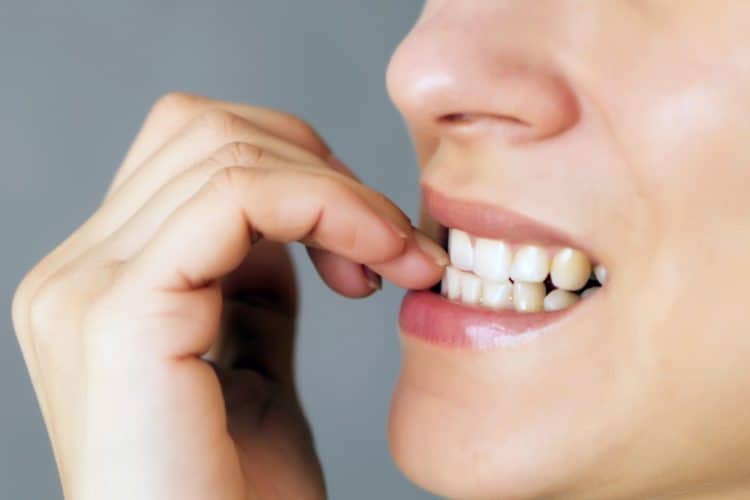
Nail biting habits. Twenty to thirty percent of people hapove the common, frequently unconscious behavior of biting their nails (onychophagia), which is commonly motivated by boredom, stress, or perfectionism. Infections, tooth problems, and nail damage might result from it. Fidget toys, bitter-tasting lacquer, trimming nails, and habit reversal training are all effective remedies.
NAIL BITING HABITS
Be gentle with yourself because breaking the habit requires time and perseverance. Professional help can offer further advice and tactics if the habit continues in spite of your attempts. For a variety of reasons, including habitual or emotional ones, people may bite or eat their fingernails. Typical explanations include:
1. Stress and Anxiety:

Nail biting is often associated with stress, anxiety, or nervousness. It can serve as a coping mechanism to deal with emotional tension.
2. Boredom: People may bite their fingernails out of boredom or as a habit when they have nothing else to occupy their hands or minds.
3. Nail Irregularities: Uneven or jagged nails may prompt individuals to bite or chew them in an attempt to make them smoother.
4. Imitation:

Children may pick up the habit by observing others, such as parents or peers, engaging in nail biting.
5. Perceived Relaxation: Some individuals find nail biting to be a way to release tension or feel a sense of relief, even if temporarily.
6. Lack of Awareness: Nail biting can become a subconscious habit, and individuals may do it without even realizing.
Overcoming the habit of biting your nails can be challenging, but here are some strategies to help you stop:
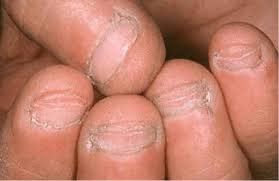
1. Awareness: Pay attention to when and why you bite your nails. Identifying triggers can help you address the root cause.
2. Keep nails short: Trim your nails short to reduce the temptation to bite. Regular maintenance can also make them less appealing as a target.
3. Use bitter nail polish: Applying a bitter-tasting nail polish can make biting less appealing. It serves as a reminder to stop the habit.
4. Keep hands busy:

NAIL BITING HABITS
Occupy your hands with other activities, like squeezing a stress ball, playing with a fidget toy, or keeping a small object in your pocket to handle when the urge arises.
5. Find alternatives: Replace nail biting with healthier habits, such as chewing gum, snapping a rubber band on your wrist, or practicing deep breathing exercises.
6. Identify triggers: Addressing the underlying causes, such as stress or anxiety, can help break the habit. Consider stress reduction techniques or seeking support if needed.
7. Reward yourself: Establish a reward system for avoiding nail biting. Treat yourself when you achieve short-term goals.
8. Professional help:

NAIL BITING HABITS
In severe cases, consider seeking help from a mental health professional or a behavioral therapist for additional support.
Summary
Keep your nails short, use bitter-tasting lacquer, and recognize stress or boredom as triggers to help you stop biting your nails. Use barrier techniques like gloves, manicures, or fake nails, and swap out the habit for stress balls or fidget toys. Seek expert assistance, such as behavioral therapy, for persistent cases.
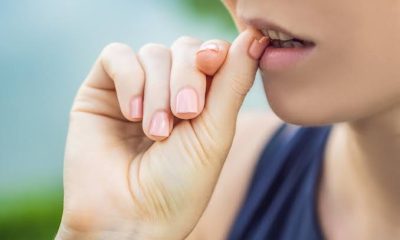


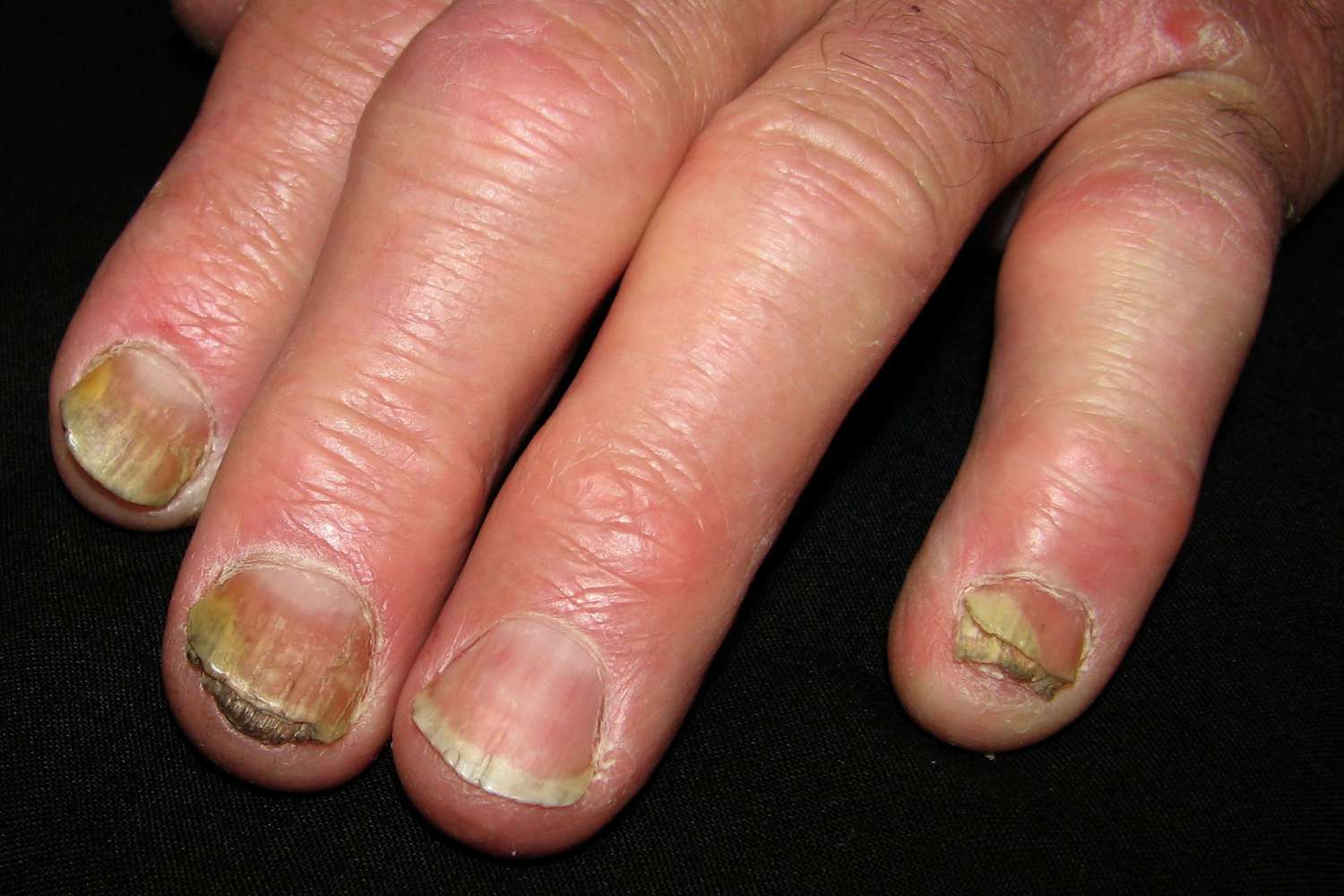
Fingernails common diseases. Although fingernail changes are frequently harmless and transient, they might occasionally indicate underlying illnesses or infections that need to be addressed. It’s critical to keep an eye on your nail health and to consult a doctor if you observe any alarming or long-lasting changes in the condition or look of your nails. You may preserve both the health of your nails and your general wellbeing by being watchful and diligent about nail maintenance.
FINGERNAILS COMMON DISEASE
Fingernails can be windows into our general health, despite the fact that they are frequently seen as purely aesthetic aspects. Sometimes underlying health problems, such as certain diseases and infections, can be indicated by changes in the look or state of fingernails. In order to emphasize the significance of keeping an eye on nail health as a possible sign of more serious health issues, we’ll examine a few common disorders that might appear beneath fingernails in this article.
1. Fungal Nail Infections:
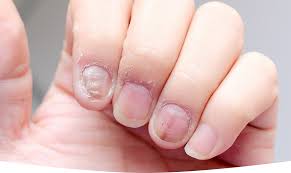
Fungal nail infections, also known as onychomycosis, are among the most common nail disorders. These infections occur when fungi, such as dermatophytes or yeast, penetrate the nails, leading to discoloration, thickening, and crumbling of the nails. Fungal nail infections can be unsightly and may cause discomfort or pain if left untreated. They often thrive in warm, moist environments, making the feet and toenails particularly susceptible.
2. Bacterial Infections:
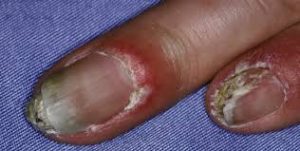
Paronychia is a common bacterial infection that affects the skin around the nails, typically occurring around the fingernails rather than the toenails. Acute paronychia usually results from minor trauma to the nail fold, allowing bacteria to enter and cause inflammation, redness, and swelling. Chronic paronychia may develop as a result of repeated exposure to moisture or irritants, leading to persistent inflammation and nail abnormalities.
3. Psoriasis:
Fingernails common diseases
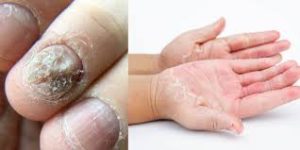
Psoriasis is a chronic autoimmune condition characterized by the rapid proliferation of skin cells, leading to the formation of thick, scaly plaques on the skin. In some cases, psoriasis can also affect the nails, causing changes such as pitting, ridges, discoloration, and separation of the nail from the nail bed. Nail psoriasis can be challenging to treat and may require specialized care from a dermatologist.
4. Eczema:
Eczema, also known as dermatitis, is a common inflammatory skin condition that can affect various parts of the body, including the hands and nails. People with eczema may experience redness, itching, and inflammation around the nails, leading to nail abnormalities such as brittleness, ridges, and discoloration. Proper skincare and management of eczema symptoms are essential to prevent flare-ups and maintain nail health.
5. Systemic Diseases:
Fingernails common diseases
Certain systemic diseases can also manifest symptoms under the fingernails. For example, clubbing of the nails—a condition characterized by the enlargement and rounding of the fingertips and nails—may be associated with underlying medical conditions such as lung disease, heart disease, or gastrointestinal disorders. Additionally, changes in nail color, texture, or shape may sometimes indicate systemic health issues that require further evaluation.
Summary
Diseases of the fingernails can range from minor cosmetic problems to serious illnesses. Nail psoriasis (pitting and thickening), onycholysis (painless removal of the nail from the bed), paronychia (painful bacterial infections of the nail fold), and fungal infections (onychomycosis) that cause thickness and coloring are common issues.
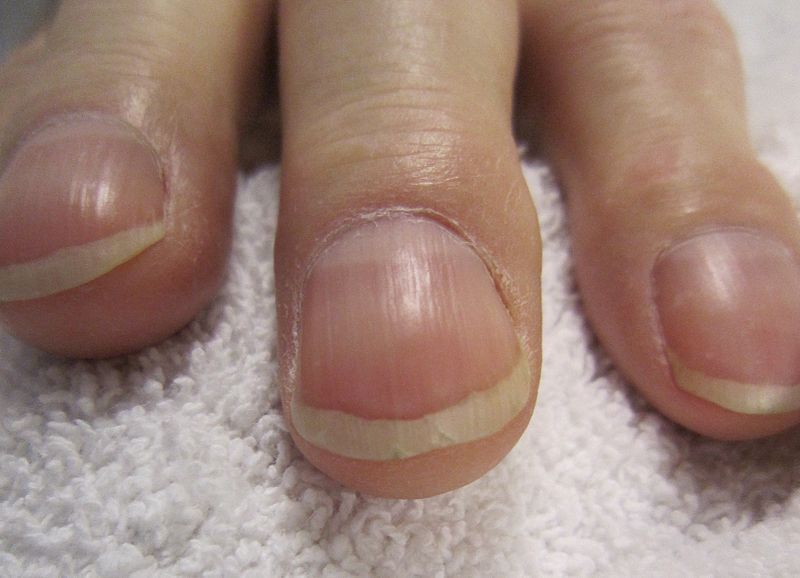
Fingernails diseases. Although fingernail changes are frequently harmless and transient, they might occasionally indicate underlying illnesses or infections that need to be addressed. It’s critical to keep an eye on your nail health and to consult a doctor if you observe any alarming or long-lasting changes in the condition or look of your nails. You may preserve both the health of your nails and your general wellbeing by being watchful and diligent about nail maintenance.
FINGERNAILS DISEASES
Fingernails can be windows into our general health, despite the fact that they are frequently seen as purely aesthetic aspects. Sometimes underlying health problems, such as certain diseases and infections, can be indicated by changes in the look or state of fingernails. In order to emphasize the significance of keeping an eye on nail health as a possible sign of more serious health issues, we’ll examine a few common disorders that might appear beneath fingernails in this article.
1. Fungal Nail Infections;
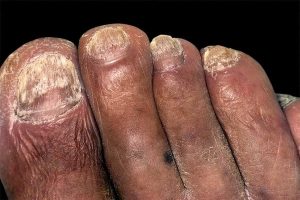
Fingernails diseases
Fungal nail infections, also known as onychomycosis, are among the most common nail disorders. These infections occur when fungi, such as dermatophytes or yeast, penetrate the nails, leading to discoloration, thickening, and crumbling of the nails. Fungal nail infections can be unsightly and may cause discomfort or pain if left untreated. They often thrive in warm, moist environments, making the feet and toenails particularly susceptible.
2. Bacterial Infections:
Paronychia is a common bacterial infection that affects the skin around the nails, typically occurring around the fingernails rather than the toenails. Acute paronychia usually results from minor trauma to the nail fold, allowing bacteria to enter and cause inflammation, redness, and swelling. Chronic paronychia may develop as a result of repeated exposure to moisture or irritants, leading to persistent inflammation and nail abnormalities.
3. Psoriasis:
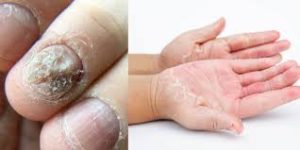
Fingernails diseases
Psoriasis is a chronic autoimmune condition characterized by the rapid proliferation of skin cells, leading to the formation of thick, scaly plaques on the skin. In some cases, psoriasis can also affect the nails, causing changes such as pitting, ridges, discoloration, and separation of the nail from the nail bed. Nail psoriasis can be challenging to treat and may require specialized care from a dermatologist.
4. Eczema:
Eczema, also known as dermatitis, is a common inflammatory skin condition that can affect various parts of the body, including the hands and nails. People with eczema may experience redness, itching, and inflammation around the nails, leading to nail abnormalities such as brittleness, ridges, and discoloration. Proper skincare and management of eczema symptoms are essential to prevent flare-ups and maintain nail health.
5. Systemic Diseases:
Certain systemic diseases can also manifest symptoms under the fingernails. For example, clubbing of the nails—a condition characterized by the enlargement and rounding of the fingertips and nails—may be associated with underlying medical conditions such as lung disease, heart disease, or gastrointestinal disorders. Additionally, changes in nail color, texture, or shape may sometimes indicate systemic health issues that require further evaluation.
Summary
Fungal infections (onychomycosis), bacterial infections (paronychia), psoriasis, and structural alterations including brittleness, clubbing, or ridging are among the diseases and disorders of the fingernails. These frequently manifest as thickening, nail separation (onycholysis), or color changes (yellow, white, dark streaks). They could be brought on by infections, wounds, or internal illnesses such diabetes, heart disease, lung disease, or anemia.
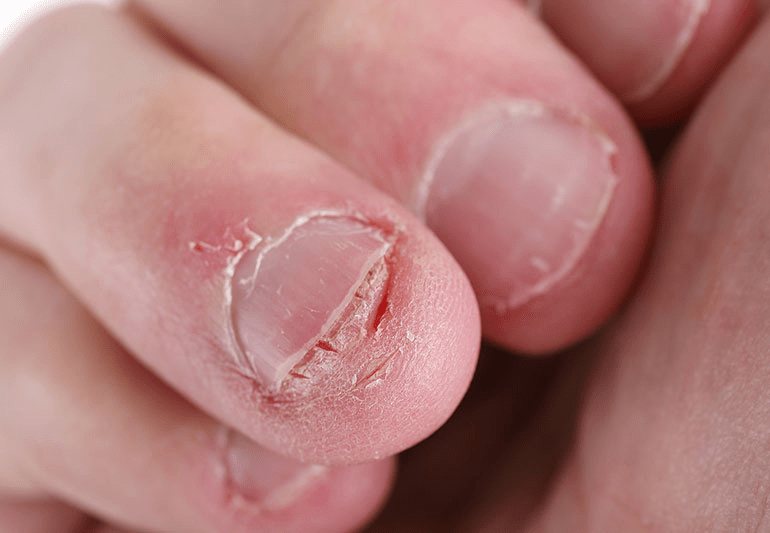
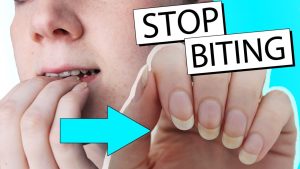
How to stop finger biting. Twenty to thirty percent of people have the common behavior of chewing their fingers (onychophagia) or their skin (dermatophagia), which frequently results from stress, boredom, or anxiety. Although it is typically a nervous habit, it can develop into a compulsive practice that harms teeth, nails, and skin and causes infections. Behavioral modifications, bitter polish, and treating underlying stress are all part of the treatment.
HOW TO STOP FINGER BITING
Breaking the habit of finger biting can be challenging, but with patience, perseverance, and the right strategies, it’s possible to overcome this habit. Here are some tips to help you stop biting your fingers:
1. Identify Triggers:
How to stop finger biting
Pay attention to what triggers your finger biting behavior. It could be stress, boredom, anxiety, or even subconscious habit. Once you identify the triggers, you can work on finding healthier ways to cope with them.
2. Keep Your Hands Busy:
Keep your hands occupied with alternative activities to distract yourself from biting your fingers. Fidget toys, stress balls, knitting, drawing, or playing with a rubber band can provide a substitute for the finger-biting habit.
3. Trim Your Nails Regularly;
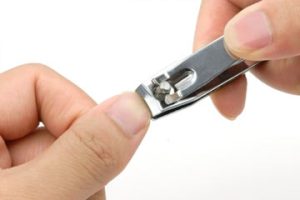
One simple yet effective strategy is to keep your nails short and neatly trimmed. Short nails are less tempting to bite, making it easier to resist the urge. Use a nail clipper or file to maintain your nails at a comfortable length and shape, and make a habit of regularly trimming them to prevent them from becoming a target for biting.
4. Apply Bitter-Tasting Nail Polish;
Consider applying a bitter-tasting nail polish or special nail-biting deterrent product to your nails. These products contain ingredients that taste unpleasant, discouraging you from biting your nails. Apply the nail polish regularly and reapply as needed to reinforce the deterrent effect.
5. Practice Stress Management Techniques;

How to stop finger biting
Since stress and anxiety are common triggers for finger biting, learning stress management techniques can be beneficial. Deep breathing exercises, meditation, yoga, progressive muscle relaxation, or engaging in hobbies and activities that you enjoy can help reduce stress and anxiety levels, making it easier to resist the urge to bite your fingers.
6. Seek Support;

How to stop finger biting
Don’t hesitate to seek support from friends, family members, or a healthcare professional if you’re struggling to stop biting your fingers. Having a supportive network can provide encouragement, accountability, and helpful tips for breaking the habit.
Summary
Use physical barriers like gloves or bandages, apply bitter-tasting lacquer, and maintain nails short to prevent finger biting. Determine your triggers, such as boredom or stress, and swap them out for stress balls or fidget toys. Regular self-care practices, such manicures or hydrating cuticles, lessen the need to pick
Foods Rich in Zinc

Appetite Enhancement Tips

Nutritional Value of Rolled Oats

A Step-by-Step Guide to Deleting Reels on Instagram

A Comprehensive Guide to Setting Up a YouTube Premiere

How to Create a WhatsApp Group
-

 Health4 weeks ago
Harmful side effects of earphones
-

 Self esteem4 weeks ago
Tips for self esteem improvement
-

 Exercise4 weeks ago
Regular physical activities importance
-

 Business3 weeks ago
Local business promotion
-

 Health4 weeks ago
Headphones safety tips
-

 Entertainment3 weeks ago
Women and British dance music