
Children
Newborn Baby and Fever


Newborn baby and fever. One of the most frequent symptoms that new parents deal with is a baby’s fever. Thankfully, it’s not always an indication of a serious problem.The typical temperature of a baby is 98.6 degrees Fahrenheit. A fever is defined as an armpit temperature of 99 degrees Fahrenheit or higher, or a rectal temperature of 100.4 degrees Fahrenheit or higher. When your baby is feeling well, take a few readings to determine what their typical temperature is.
NEWBORN BABY AND FEVER
An sickness is not a fever. It is a sign of one. Fever typically indicates that the body is battling an infection and that the immune system is exerting more effort. In most situations, a fever in your baby indicates that they have a viral infection, such as the flu or a cold. Fever in females can also be caused by urinary tract infections and bacterial infections. A fever is defined as a temperature of 100.4 degree Fahrenheit or greater in new borns and babies. Infants often have a temperature between 97.3 and 100.3 degrees Fahrenheit. Your baby gets a fever to ward off infections
Symptoms;

If your infant has a high temperature, there will probably be noticeable symptoms. Frequently, your infant will behave and react differently than typical to routine tasks like feeding, sleeping, and playing. Your baby’s feveris indicated by the following signs of newborn fever:
- Seizures
- Fewer wet diapers
- Rash
- Vomiting
- Diarrhea
- Looks ill
- Sore throat
- Ear infection
- Body aches
- Headaches
Causes;
What gives newborns a fever? Fever in babies and infants is mostly caused by three factors: dehydration, hyperthermia, and infections. These “fever in baby” reasons each have distinct qualities of their own:
Infection;

NEWBORN BABY AND FEVER
Generally speaking, a fever indicates that your baby’s immune system is active and battling an infection. A fever is present in almost half of infants who are infected
Overheating;
When a baby is close to a heater or is covered in multiple layers of clothing and blankets, they can easily and rapidly become overheated. This might happen in a warm automobile or at home.
Dehydration;

When a baby is close to a heater or is covered in multiple layers of clothing and blankets, they can easily and rapidly become overheated.This might happen in a warm automobile or at home.
How Do I Take My Baby’s Temperature?

NEWBORN BABY AND FEVER
You can take your baby’s temperature at the temples, axillary, rectally, or orally. The easiest way to take a baby’s temperature is to put it in their mouth. Taking your baby’s temperature in their rectum is known as rectally. Taking your baby’s temperature in their ear or beneath their arms is called axillary. Mercury thermometers should be avoided as they have the potential to break and cause mercury exposure or poisoning.
Treatments;

NEWBORN BABY AND FEVER
Whenever your baby has a fever, contact your infant’s primary care physician. It’s not always necessary to take your infant to the hospital. If your child doesn’t require medical attention, there are a number of methods you can care for them at home:
1. Put on thin or light garments for your infant.
2. Assist your infant in drinking enough water
Summary
Children frequently get fevers, but for a newborn, a fever may indicate a serious infection. For this reason, if a child has a temperature of 100.4 or higher and is younger than two months, they should be sent to the emergency room. The majority of pediatric fevers are brought on by viruses.

Children vomiting. Vomiting in children is usually transient and goes away on its own with rest, fluids, and loving care. However, by being aware of the underlying causes, parents and other caregivers can ensure their child’s health and wellbeing by offering the required support and, when necessary, seeking medical attention.
CHILDREN VOMITING
When a child throws up, it can be upsetting for both the child and their caregivers. It can be a sign of underlying health problems even though it’s frequently a normal physiological reaction to clear the stomach of dangerous materials or irritants. Parents and other caregivers can better handle vomiting in children and seek appropriate medical attention when needed if they are aware of the possible reasons.
1. Infections:

One of the most common causes of vomiting in children is infections, such as gastroenteritis (stomach flu) or food poisoning. These infections are typically caused by viruses, bacteria, or parasites and can lead to symptoms like vomiting, diarrhea, fever, and abdominal pain.
2. Motion Sickness:
Children, especially those prone to motion sickness, may vomit during car rides, boat trips, or other forms of motion. Motion sickness occurs when the brain receives conflicting signals from the inner ear and eyes, leading to nausea and vomiting.
3. Overeating:

Consuming large quantities of food or drinks, especially rich or fatty foods, can overwhelm a child’s digestive system, leading to vomiting. This is often seen during holiday celebrations or special occasions when children indulge in treats and sweets.
4. Food Allergies or Intolerances:
Some children may experience vomiting as a result of allergic reactions or intolerances to certain foods. Common culprits include dairy, gluten, nuts, and shellfish. Vomiting may occur shortly after ingesting the offending food, along with other symptoms like hives, swelling, or difficulty breathing.
5. Reflux:

CHILDREN VOMITING
Gastroesophageal reflux disease (GERD) or simply reflux occurs when stomach acid flows back into the esophagus, causing irritation and sometimes vomiting. Reflux is more common in infants but can also affect older children.
6. Migraines:
In some cases, vomiting may be a symptom of migraines in children. Along with severe headaches, migraines can cause nausea and vomiting, often leading to a temporary relief of symptoms.
7. Stress or Anxiety:

CHILDREN VOMITING
Emotional stress or anxiety can trigger vomiting in sensitive children. This can manifest in situations such as starting a new school, facing academic pressures, or experiencing family conflicts.
8. Serious Conditions:
While less common, vomiting can also be a sign of more serious conditions requiring medical attention, such as appendicitis, meningitis, or intestinal obstruction. These conditions are typically accompanied by other symptoms like severe abdominal pain, fever, or changes in behavior.

CHILDREN VOMITING
When a child vomits, it’s essential to monitor their symptoms and seek medical advice if:
– Vomiting persists for more than 24 hours.
– The child shows signs of dehydration, such as dry mouth, decreased urine output, or lethargy.
– Vomiting is accompanied by severe abdominal pain, fever, blood in vomit, or other concerning symptoms.
– The child is unable to keep down fluids or is showing signs of distress.
Summary
Children’s vomiting often lasts one to two days and is brought on by viral gastroenteritis (also known as “stomach bug”). Offering tiny, frequent sips of clear fluids (water, oral rehydration treatments) rather than big amounts all at once will help prevent dehydration. If vomiting lasts longer than 12 to 24 hours, or if there are symptoms of dehydration, a high fever, severe abdominal discomfort, or green or red vomit, get medical help.

Children pediatrician. Your child’s health and wellbeing are greatly impacted by the pediatrician you choose for them. A pediatrician is a partner in your parenting journey as well as a healthcare professional. These crucial pointers will assist you in selecting the best pediatrician for your child’s requirements.
CHILDREN PEDIATRICIAN
A pediatrician is a physician who focuses on children’s overall health and development from infancy to young adulthood (up to 21+ years). They diagnose diseases, regulate social, emotional, and physical development, and offer preventative care, such as immunizations and well-child examinations.
1. Begin Early:

Children pediatrician
Start your search for a pediatrician during pregnancy or shortly after your child’s birth. This allows you ample time to research and make an informed decision without feeling rushed. Early preparation ensures that you have a trusted healthcare professional in place as your child grows.
2. Ask for Recommendations:

Children pediatrician
Seek recommendations from friends, family, and other parents in your community. Personal experiences can offer valuable insights into a pediatrician’s approach, communication style, and overall quality of care. Don’t hesitate to ask for recommendations from your obstetrician or family doctor.
3. Check Credentials and Qualifications:
Verify the pediatrician’s credentials and qualifications. Ensure they are board-certified in pediatrics and have undergone the necessary training to provide specialized care for children. A qualified and well-educated pediatrician lays the foundation for your child’s health and development.
4. Consider Experience and Specializations:

Children pediatrician
Look for a pediatrician with experience in handling a range of pediatric issues. Consider if the doctor has expertise or specializations that align with your child’s potential health concerns, such as allergies, developmental delays, or chronic conditions. Experience fosters confidence in the pediatrician’s ability to address various health needs.
5. Assess Communication Skills:
Effective communication is vital in the parent-pediatrician relationship. Choose a pediatrician who communicates clearly, listens attentively to your concerns, and values open dialogue. A pediatrician with strong communication skills can foster trust and collaboration between the healthcare provider, parents, and the child.
6. Evaluate Accessibility and Office Hours:

Children pediatrician
Consider the accessibility of the pediatrician’s office and their working hours. Opt for a location that is convenient for you and offers flexibility in scheduling appointments. Accessibility ensures that you can reach the pediatrician promptly, especially in case of emergencies or unexpected health issues.
7. Gauge Comfort and Compatibility:
During initial meetings or interviews, assess your comfort level with the pediatrician. A good fit involves not only professional competence but also a personal connection. Choose a pediatrician whose demeanor aligns with your parenting style and philosophy, creating a positive and supportive healthcare environment.
8. Inquire About Preventive Care:
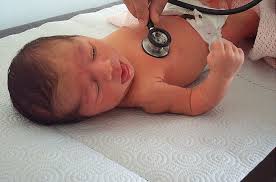
Discuss the pediatrician’s approach to preventive care, including vaccinations, routine check-ups, and nutritional guidance. A proactive stance on preventive care is crucial for your child’s overall well-being. Inquire about the doctor’s philosophy and commitment to promoting a healthy lifestyle for your child.
Choosing the right pediatrician requires thoughtful consideration of various factors, including qualifications, experience, communication skills, and compatibility with your parenting approach. Take the time to research, ask questions, and build a relationship with a pediatrician who not only meets professional standards but also becomes a trusted partner in your child’s health and development. Remember, the right pediatrician can make a significant difference in your child’s healthcare journey. Stay tuned for more informations.
Summary
A pediatrician is a physician who specializes in children’s overall health and development from infancy to young adulthood (up to 21+ years). They diagnose ailments, manage physical, emotional, and social development, and offer preventative care, such as immunizations and well-child checks.

Tips for teaching children. In order to properly teach children, play, curiosity, and positive reinforcement must be incorporated into everyday life. Reading aloud together, modeling desired behaviors, employing multisensory techniques, and encouraging independence are important tactics. Patience, clear communication, and the creation of a stimulating, encouraging environment that honors their innate curiosity are all necessary for effective instruction.
TIPS FOR TEACHING CHILDREN
For children to learn and grow, comprehension is essential. Strong comprehension abilities aid in understanding new ideas and helping them remember information, whether they are reading a book, listening to a class, or following directions. The following are some practical methods for enhancing kids’ comprehension and understanding:
1. Encourage Active Reading;

Teach kids to engage with the material by asking questions as they read and predicting what might happen next. This keeps their minds active and helps reinforce understanding.
2. Build Vocabulary
A strong vocabulary can make it easier for kids to understand what they read and hear. Introduce new words regularly and use them in conversations. Playing word games and reading a variety of books together can also expand their vocabulary.
3. Use Visual Aids;

Pictures, diagrams, and charts can make complex information more digestible. Encourage kids to draw or use graphic organizers like mind maps to represent what they’re learning visually.
4. Practice Summarizing;
After reading or listening to a story, ask kids to summarize it in their own words. This exercise helps reinforce their understanding and shows them how to pick out key details.
5. Relate to Real-Life Experiences;

TIPS FOR TEACHING CHILDREN
Connecting new information to real-life situations or their own experiences helps make abstract concepts more tangible and easier to understand.
6. Encourage Note-Taking;
Teach kids to jot down key points, ideas, or new vocabulary as they learn. Reviewing these notes later can help them remember and make sense of what they’ve learned.
7. Break Down Information;

When faced with large amounts of information, help kids break it down into smaller, manageable chunks. Studying or discussing smaller sections at a time can make learning less overwhelming.
8. Promote Asking Questions;

TIPS FOR TEACHING CHILDREN
Encourage kids to ask questions when they don’t understand something. Asking questions fosters curiosity and ensures they are actively engaging with the material.
9. Read Aloud Together;
Reading aloud, either by the child or a parent, can enhance comprehension by allowing kids to hear words and understand their context. It also gives parents an opportunity to pause and discuss what’s happening in the text.
10. Practice Patience and Consistency;

TIPS FOR TEACHING CHILDREN
Improving comprehension takes time and consistent practice. Celebrate small successes and encourage kids to keep trying, even when they find something difficult.
Summary
Enhancing children’s cognitive abilities lays a solid basis for learning throughout their lives. By employing these techniques, parents and teachers can establish a stimulating and encouraging learning environment that facilitates children’s comprehension of new material.

Exam success tips for waec

Tips for jamb success

Plastic water bottle hazards

A Step-by-Step Guide to Deleting Reels on Instagram

A Comprehensive Guide to Setting Up a YouTube Premiere

How to Create a WhatsApp Group
-

 Social media2 weeks ago
How to Delete Reels on IG
-

 Social media1 week ago
Tips for likes and Followers on Facebook
-

 Social media1 week ago
Guidelines for Creating a Facebook Page
-

 Photography1 week ago
Photography and Outdoors
-

 Music1 week ago
Lyrics for Iké Nilé
-

 Social media1 week ago
Tips on how to Archive Instagram Post