
Lifestyle
What are the causes of Nightmares, what should be done.


A nightmare is a distressing dream that can evoke strong feelings of fear, terror, anxiety, or sadness. Nightmares often involve vivid and disturbing imagery, and they can be intense enough to wake a person from sleep. During a nightmare, individuals may experience a heightened sense of danger or threat, and the emotions felt in the dream can linger upon waking.
Nightmares are a normal part of the sleep cycle, and most people experience them occasionally. They can be influenced by various factors, including stress, anxiety, trauma, medications, and certain sleep disorders. While nightmares are generally harmless, persistent or severe nightmares may be indicative of underlying psychological or emotional issues.
Nightmares can be caused by various factors, and the exact cause can vary from person to person. Some common triggers include:
1. Stress and Anxiety: High levels of stress or anxiety, whether related to daily life or specific events, can contribute to nightmares.
2. Trauma: Past traumatic experiences, such as accidents, abuse, or witnessing distressing events, may lead to nightmares. 
3. Medications: Some medications, especially those that affect neurotransmitters or sleep patterns, can influence dream content and potentially lead to nightmares.
4. Sleep Deprivation: Lack of sufficient sleep or disruptions in sleep patterns can contribute to nightmares.
5. Certain Foods: Consuming certain foods before bedtime, like spicy or heavy meals, may affect sleep and contribute to vivid dreams, including nightmares.
6. Illness or Fever: Fever and certain illnesses can influence the content of dreams, possibly causing nightmares. 
7. Withdrawal: Abrupt withdrawal from certain substances, such as alcohol or certain medications, may lead to vivid dreams and nightmares.
8. Sleep Disorders: Conditions like sleep apnea or insomnia can disrupt sleep cycles and contribute to nightmares.
It’s important to note that occasional nightmares are a normal part of the sleep experience. However, if nightmares become frequent, intense, or significantly impact your well-being, it may be helpful to consult with a healthcare professional or sleep specialist to identify underlying causes and explore potential interventions.
If you’re experiencing frequent nightmares, here are some strategies that may help reduce their occurrence:
1. Establish a Relaxing Bedtime Routine: Create a calming pre-sleep routine to help signal to your body that it’s time to wind down. This might include activities like reading a book, taking a warm bath, or practicing relaxation techniques.
2. Manage Stress and Anxiety: Identify and address sources of stress or anxiety in your life. Techniques such as deep breathing, meditation, or mindfulness can help manage stress levels.
3. Create a Comfortable Sleep Environment: Ensure your bedroom is conducive to restful sleep. Keep it dark, quiet, and at a comfortable temperature.
4. Limit Stimulants: Avoid consuming stimulants like caffeine or nicotine close to bedtime, as they can interfere with sleep.
5. Regular Sleep Schedule: Maintain a consistent sleep schedule by going to bed and waking up at the same time each day. This helps regulate your body’s internal clock.
6. Physical Activity: Engage in regular physical activity, but try to complete vigorous exercise earlier in the day, as exercising too close to bedtime may affect sleep.
7. Address Trauma: If your nightmare is linked to past trauma, consider seeking support from a mental health professional who can help you process and cope with those experiences.
8. Avoid Heavy Meals Before Bed: Large or heavy meals before bedtime may cause discomfort and disrupt sleep, potentially influencing dream content.
9. Limit Screen Time: Reduce exposure to screens (phones, computers, etc.) close to bedtime, as the blue light emitted can interfere with the production of the sleep hormone melatonin.
10. Therapeutic Techniques: Cognitive-behavioral therapy (CBT) or imagery rehearsal therapy (IRT) with a qualified therapist can be effective in addressing recurring nightmares.
If nightmares persist or significantly impact your well-being, it’s advisable to consult with a healthcare professional or a sleep specialist for further evaluation and guidance tailored to your specific situation.
Stay tuned for more updates.
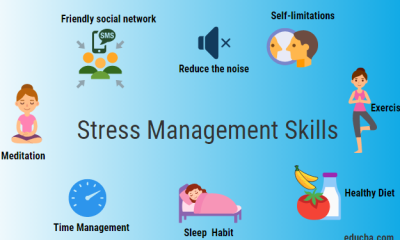










Daily Life Hacks. Simple yet ingenious techniques known as “daily life hacks” can help you save money, time, and effort on routine tasks. These shortcuts help you manage your home and routine more efficiently and stress-free, from quick culinary fixes to clever cleaning techniques.
DAILY LIFE HACKS
Are you looking for easy methods to make home chores easier? Are you trying to figure out how to keep your fresh food fresher longer? To make your day easier, have a look at our selection of the life hack below.
1. Recognize various keys with nail polish.

Use this easy time-saver to get your life organized. This is a really useful hack, especially if you have some extra time and some empty nail polish bottles. The splashes of color will also make your set stick out in your bag, so you won’t have to ramble on about finding the perfect one.
2. To cool your beverage without diluting it, freeze grapes. This is an absolute must-try when it comes to do-it-yourself tricks. Whenever you’re preparing a beverage (such as white wine, lemonade, or orange juice) and don’t want the water diluting it, consider using frozen grapes in place of ice cubes. In that manner when it melts.
3. Fill your almost-empty jar of peanut butter or Nutella with milk.

Daily Life Hacks
The next time your jars of jam, peanut butter, and chocolate spread are almost empty? To make a delicious homemade milkshake, pour some milk into the mixture, screw the lid back on (well), and shake for a minute or two!
4. To prevent a hot water kettle from overheating, place a wooden spoon across it. This is arguably one of the most well-known household life hacks, but it does work! How come? Yes, for a few reasons. Because of its natural repelling properties, the wood stops the bubbles for chemical reasons.
5. Iron collars using hair straighteners

Daily Life Hacks
This one only works if your shirt is covered up, such as by a pullover or something similar. Consider using hair straighteners to iron the collar of your shirt if you have to quickly change your appearance but are in a hurry. It will instantly improve your appearance and cut down on how long it takes to “get ready.”
6. Cover the cheese with parchment paper. Cheese indeed keeps better for longer if it has room to breathe. Use waxed or greaseproof paper to secure your cheddar instead of cling film or tin foil. slow down and enjoy your life.
Summary
Life hacks are easy fixes and clever shortcuts that help you save money, time, and effort on daily tasks. They address everything from productivity and cooking to cleaning and organizing.

Tips for Choosing the Right Path. Aligning your decisions with your inner calm, natural strengths, and basic values is essential to finding the appropriate path in life, work, or personal development. Instead than looking for a single, ideal path, concentrate on introspection, taking tiny, steady steps, and developing the fortitude to overcome any obstacles that may arise.
TIPS FOR CHOOSING THE RIGHT PATH
It’s important to connect your long-term objectives with your underlying values, abilities, and intuition while making decisions about your life or work. When faced with important decisions, self-reflection, testing possibilities in tiny increments, and remaining adaptable can help you achieve clarity.
Definition of Right Path;
Making decisions that result in a desired end “to correct direction or course of action.”
Ways to Choose the Right Path;
1. Morals and Religion

Making judgments gets easier when your ideals are clear, as Roy Disney once observed. What does your faith and moral compass say? Acquire faith in these mentors and endeavor to fortify them. Just exercise caution as they can be misled by feelings and wants that serve oneself.
2. Experience These are the times when your past matters most. We’ve all made both wise and bad mistakes by now. Apply what you learned from that experience to the current situation.

3. Advantages and Drawbacks Enumerate the advantages and disadvantages of the current choice. Which side has the greater weight? It is advisable to ascertain every potential consequence and decide who will benefit the most and who will lose from a specific course of action.
More Ways;
4. However, Be patient, “Patience and perseverance have a magical effect Patience before which difficulties disappear,” said John Quincy Adams. By all means, do not make a snap decision if there is no need to.

Tips for Choosing the Right Path
5. Meanwhile, bravery Make it your goal to be a man who can take on any task. We are unable to back down from a challenge. Seek knowledge and muster the bravery to move beyond your comfort zone.
6. Also, obtain a sample Although it’s not always possible to experience something firsthand before committing, you might be able to test it out. Relevant work experience can help you determine if the career path you have in mind is truly suited for you.
Summary
Making the right choice is often challenging, ambiguous, and stressful. As our responsibilities grow and more people depend on us, it becomes increasingly difficult. We need strength, wisdom, experience, and patience to find the correct way.

Habits for healthy lifestyle. Developing healthy living habits requires daily thoughtful decision-making and is an ongoing effort. You may greatly enhance your general health and quality of life by concentrating on a balanced diet, consistent exercise, enough sleep, stress reduction, hydration, avoiding bad habits, and routine checkups. Start small, make little adjustments, and relish the process of becoming a healthy version of yourself.
HABITS FOR HEALTHY LIFESTYLE
Making decisions that improve one’s physical, mental, and emotional well-being is part of leading a healthy lifestyle. These behaviors enhance general quality of life in addition to preventing chronic illnesses. To live a healthier lifestyle, adopt these essential practices into your everyday routine.
1. Balanced Diet;

A balanced diet is crucial for maintaining optimal health. This includes:
– Fruits and Vegetables: Aim to fill half your plate with a variety of colorful fruits and vegetables. They provide essential vitamins, minerals, and antioxidants.
– Whole Grains: Choose whole grains over refined grains to benefit from more nutrients and fiber.
– Protein: Incorporate lean protein sources such as fish, poultry, beans, and nuts. Limit red meat and processed meats.
– Healthy Fats: Include sources of healthy fats like avocados, nuts, seeds, and olive oil, while avoiding trans fats and limiting saturated fats.
2. Regular Physical Activity;

Engaging in regular physical activity is vital for maintaining a healthy body and mind. Benefits include improved cardiovascular health, stronger muscles and bones, better mood, and enhanced cognitive function. Aim for:
– Aerobic Exercise: At least 150 minutes of moderate-intensity or 75 minutes of high-intensity aerobic exercise per week.
– Strength Training: Incorporate strength training exercises at least two days a week to build and maintain muscle mass.
3. Adequate Sleep;
Another Healthy lifestyle to embrace is Quality sleep, it is essential for physical and mental health. It allows the body to repair and regenerate and supports cognitive function. To improve sleep:
– Consistency: Stick to a regular sleep schedule, going to bed and waking up at the same time each day.
– Environment: Create a sleep-conducive environment by keeping your bedroom dark, quiet, and cool.
– Avoid Stimulants: Limit caffeine and electronic device use before bedtime.
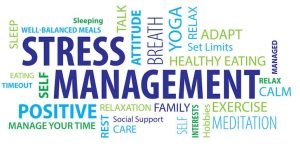
4. Stress Management;
Habits for healthy lifestyle
Chronic stress can negatively impact health. Effective stress management techniques include:
– Mindfulness and Meditation: Practices like meditation, yoga, and deep-breathing exercises can help reduce stress.
– Physical Activity: Regular exercise helps manage stress and improve mood.
– Hobbies and Interests: Engaging in activities you enjoy can provide a healthy distraction and relaxation.
5. Hydration;

Habits for healthy lifestyle
Staying hydrated is crucial for overall health. Water supports bodily functions, including digestion, nutrient absorption, and temperature regulation. Aim to:
– Drink Water: Consume at least 8 glasses (about 2 liters) of water a day, more if you’re physically active or live in a hot climate.
– Limit Sugary Drinks: Reduce intake of sugary beverages like soda and energy drinks.
6. Avoiding Harmful Habits;

Avoiding or minimizing harmful habits is key to maintaining good health:
– Tobacco: Avoid smoking and exposure to secondhand smoke. Smoking is a leading cause of many diseases, including cancer and heart disease.
– Alcohol: If you drink alcohol, do so in moderation. For women, this means up to one drink per day, and for men, up to two drinks per day.
Summary
Making significant adjustments all at once is not necessary to develop a healthy lifestyle. To significantly improve your physical and mental well-being, start by concentrating on simple, doable changes like eating whole foods, moving your body for 30 minutes every day, making 7 to 9 hours of sleep a priority, and drinking enough of water.

The Causes of Political Apathy

Child Neglect and Causes

Environment Care Tips

A Step-by-Step Guide to Deleting Reels on Instagram

A Comprehensive Guide to Setting Up a YouTube Premiere

How to Create a WhatsApp Group
-

 Business3 weeks ago
How to Promote your Business
-

 Fashion3 weeks ago
Fashion Guide for Beginners
-

 Business1 week ago
Customers Satisfaction
-

 Business3 weeks ago
Tips for Running Online Business
-

 Business2 weeks ago
Business Name Selection Tips
-

 TECHNOLOGY3 weeks ago
Artificial Intelligence and the Future