Lifestyle
Obesity and lifestyles

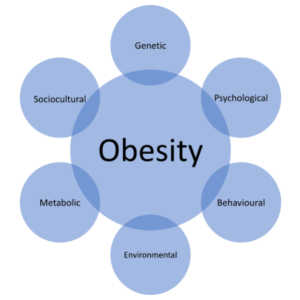
Obesity and lifestyles. The primary cause of obesity, a worldwide health issue when excess fat builds up as a result of calorie intake surpassing expenditure, is lifestyle factors. Major reasons include poor eating habits (processed foods, sugar-filled beverages), inactivity, excessive screen time, sleep deprivation (less than seven hours), and chronic stress. It can be managed with dietary changes, behavior therapy, and more than 150–300 minutes of moderate exercise each week.
OBESITY AND LIFESTYLES
A complicated and multifaceted disorder, obesity is impacted by a number of lifestyle variables. A comprehensive strategy that prioritizes getting enough sleep, encourages regular physical activity, promotes healthy eating habits, and successfully manages stress is needed to address the underlying causes of obesity. Individuals and communities may fight obesity and improve health by adopting healthy lifestyle choices and creating surroundings that promote wellbeing.
Sedentary Behavior

Modern lifestyles often involve prolonged periods of sitting, whether at work, during leisure time, or while commuting. Sedentary behavior reduces energy expenditure and contributes to weight gain, especially when coupled with excessive calorie intake. Lack of physical activity not only leads to weight gain but also increases the risk of chronic diseases such as heart disease, diabetes, and certain cancers.
Poor Dietary Habits
Unhealthy dietary habits, characterized by the consumption of calorie-dense, nutrient-poor foods, are major contributors to obesity. Diets high in processed foods, sugary beverages, fast food, and snacks laden with salt, sugar, and unhealthy fats promote weight gain and undermine overall health. Additionally, oversized portions and frequent eating out contribute to excessive calorie intake, making it difficult to maintain a healthy weight.
Lack of Sleep

Obesity and lifestyles
Sleep plays a crucial role in regulating appetite, metabolism, and energy balance. Chronic sleep deprivation disrupts these regulatory mechanisms, leading to increased hunger and cravings for high-calorie foods. Moreover, tiredness and fatigue may reduce motivation for physical activity, further exacerbating weight gain. Poor sleep quality and inadequate sleep duration have been linked to obesity and metabolic disorders, highlighting the importance of prioritizing sleep for overall health.
Stress and Emotional Eating
Stressful lifestyles and emotional upheavals can trigger overeating and unhealthy eating behaviors. Many individuals turn to food as a coping mechanism to alleviate stress, anxiety, or boredom, often consuming calorie-rich comfort foods high in sugar and fat. Emotional eating can lead to a vicious cycle of weight gain and negative emotions, perpetuating unhealthy habits and increasing the risk of obesity-related health complications.
Environmental Factors
Obesity and lifestyles
Environmental factors, such as food accessibility, affordability, and marketing, also influence dietary choices and obesity rates. The ubiquity of fast food outlets, vending machines, and convenience stores makes unhealthy food options readily available, while healthier alternatives may be less accessible or more expensive. Moreover, pervasive food advertising, especially targeting children, promotes the consumption of unhealthy foods, further exacerbating the obesity epidemic.
Summary
Lifestyle factors are the main cause of obesity, a global health concern when extra fat accumulates due to calorie consumption exceeding expenditure. Poor eating habits (processed foods, sugar-filled beverages), inactivity, excessive screen time, insufficient sleep (less than seven hours), and long-term stress are major causes. Dietary adjustments, behavior treatment, and 150–300+ minutes of moderate activity per week are necessary to manage it.




How to Live a Happy Life. Everybody defines joy differently, and it can be found in everyday situations. Some people like taking care of others, being in nature, and learning new things. Other activities, relationships with others, or self-determination might bring enjoyment to some people.
HOW TO LIVE A HAPPY LIFE
Strong social ties, wholesome daily routines, and inner serenity are the foundations of a happy existence. To create a better daily routine, you can read professional wellness advice and ideas on Healthline.
Focus on what you can control

There are a lot of potential pressures in life that you cannot control. The elements of your existence that exist without your contribution are the weather, other people’s behavior toward you, your past, natural disasters, your relatives, and others. Spend time and energy on things under your control as you cultivate joy. Said to be easier said than done, perhaps. Outline the parts of a stressful circumstance that are under your control and write them down.
Show your appreciation
Having gratitude means appreciating and being appreciative for the people and things in your life. Sending happy vibes to a special someone, texting a buddy, or making a list of your three daily blessings.
Pretend to have excellent intentions

In times of stress, each further annoyance or miscommunication may seem unfair and deliberate obstructions to your happiness. Most of the time, people are just trying to make the most of the knowledge and abilities they have; they are not acting in a vindictive manner.
Focus on developing connections
All individuals require social interactions with others to varying degrees. Helping others succeed gives many people a sense of fulfillment. You can find joy and happiness in life if your main focus is on creating healthy relationships.
Maintain your viewpoint

How to Live a Happy Life
Certain choices or circumstances have profound, life-long consequences. However, things that seem significant now might not matter at all or very little in five or ten years. Years later, people frequently remember the stress or worry they had, but not the exact situation that led to it. While pursuing happiness, keep in mind which choices are significant and which are not such as little irritations. practicing gratitude
Summary
Developing daily routines that promote inner serenity, thankfulness, and deep relationships is essential to living a happy life.
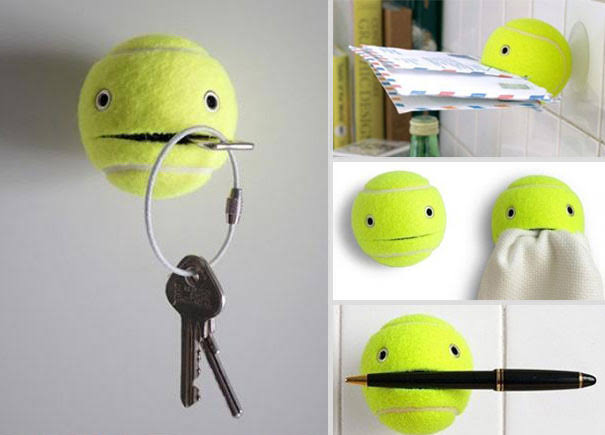
Daily Life Hacks. Simple yet ingenious techniques known as “daily life hacks” can help you save money, time, and effort on routine tasks. These shortcuts help you manage your home and routine more efficiently and stress-free, from quick culinary fixes to clever cleaning techniques.
DAILY LIFE HACKS
Are you looking for easy methods to make home chores easier? Are you trying to figure out how to keep your fresh food fresher longer? To make your day easier, have a look at our selection of the life hack below.
1. Recognize various keys with nail polish.

Use this easy time-saver to get your life organized. This is a really useful hack, especially if you have some extra time and some empty nail polish bottles. The splashes of color will also make your set stick out in your bag, so you won’t have to ramble on about finding the perfect one.
2. To cool your beverage without diluting it, freeze grapes. This is an absolute must-try when it comes to do-it-yourself tricks. Whenever you’re preparing a beverage (such as white wine, lemonade, or orange juice) and don’t want the water diluting it, consider using frozen grapes in place of ice cubes. In that manner when it melts.
3. Fill your almost-empty jar of peanut butter or Nutella with milk.

Daily Life Hacks
The next time your jars of jam, peanut butter, and chocolate spread are almost empty? To make a delicious homemade milkshake, pour some milk into the mixture, screw the lid back on (well), and shake for a minute or two!
4. To prevent a hot water kettle from overheating, place a wooden spoon across it. This is arguably one of the most well-known household life hacks, but it does work! How come? Yes, for a few reasons. Because of its natural repelling properties, the wood stops the bubbles for chemical reasons.
5. Iron collars using hair straighteners

Daily Life Hacks
This one only works if your shirt is covered up, such as by a pullover or something similar. Consider using hair straighteners to iron the collar of your shirt if you have to quickly change your appearance but are in a hurry. It will instantly improve your appearance and cut down on how long it takes to “get ready.”
6. Cover the cheese with parchment paper. Cheese indeed keeps better for longer if it has room to breathe. Use waxed or greaseproof paper to secure your cheddar instead of cling film or tin foil. slow down and enjoy your life.
Summary
Life hacks are easy fixes and clever shortcuts that help you save money, time, and effort on daily tasks. They address everything from productivity and cooking to cleaning and organizing.

Tips for Choosing the Right Path. Aligning your decisions with your inner calm, natural strengths, and basic values is essential to finding the appropriate path in life, work, or personal development. Instead than looking for a single, ideal path, concentrate on introspection, taking tiny, steady steps, and developing the fortitude to overcome any obstacles that may arise.
TIPS FOR CHOOSING THE RIGHT PATH
It’s important to connect your long-term objectives with your underlying values, abilities, and intuition while making decisions about your life or work. When faced with important decisions, self-reflection, testing possibilities in tiny increments, and remaining adaptable can help you achieve clarity.
Definition of Right Path;
Making decisions that result in a desired end “to correct direction or course of action.”
Ways to Choose the Right Path;
1. Morals and Religion

Making judgments gets easier when your ideals are clear, as Roy Disney once observed. What does your faith and moral compass say? Acquire faith in these mentors and endeavor to fortify them. Just exercise caution as they can be misled by feelings and wants that serve oneself.
2. Experience These are the times when your past matters most. We’ve all made both wise and bad mistakes by now. Apply what you learned from that experience to the current situation.

3. Advantages and Drawbacks Enumerate the advantages and disadvantages of the current choice. Which side has the greater weight? It is advisable to ascertain every potential consequence and decide who will benefit the most and who will lose from a specific course of action.
More Ways;
4. However, Be patient, “Patience and perseverance have a magical effect Patience before which difficulties disappear,” said John Quincy Adams. By all means, do not make a snap decision if there is no need to.

Tips for Choosing the Right Path
5. Meanwhile, bravery Make it your goal to be a man who can take on any task. We are unable to back down from a challenge. Seek knowledge and muster the bravery to move beyond your comfort zone.
6. Also, obtain a sample Although it’s not always possible to experience something firsthand before committing, you might be able to test it out. Relevant work experience can help you determine if the career path you have in mind is truly suited for you.
Summary
Making the right choice is often challenging, ambiguous, and stressful. As our responsibilities grow and more people depend on us, it becomes increasingly difficult. We need strength, wisdom, experience, and patience to find the correct way.

Torchlight Selection

Best Practices for Face Exfoliation

Chemical Face Exfoliation

A Step-by-Step Guide to Deleting Reels on Instagram

A Comprehensive Guide to Setting Up a YouTube Premiere