oil
Nutrition Value of Canola Oil



Nutrition value of canola oil. There is conflicting evidence about the health benefits of canola oil; some research relate it to increased inflammation and metabolic syndrome, while others show it can enhance heart health by decreasing cholesterol. It is a flexible cooking oil that works well on medium-high heat due to its high smoke point and neutral flavor. Although it does include healthy polyunsaturated fats like omega-3s, the main points of contention are its high processing level, GMO status, and omega-6 concentration.
NUTRITION VALUE OF CANOLA OIL
Canola oil is a useful addition to any kitchen because of its mild flavor, adaptability, and health advantages. Canola oil is a dependable and healthful choice for baking, cooking, and salad dressing. It is a tribute to the developments in agricultural science intended to enhance our food supply because it is the result of meticulous breeding and creativity.
Origins and Production;


The canola plant was developed in the 1970s by Canadian scientists who bred a variety of rapeseed to be low in erucic acid and glucosinolates, compounds that were undesirable for human consumption. The name “canola” is derived from “Canadian oil, low acid.” Today, Canada remains one of the largest producers of canola oil, along with the United States, China, and India.
Nutritional Profile;

Nutrition value of canola oil
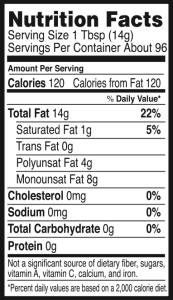
Canola’s oil is celebrated for its health benefits, primarily due to its favorable fatty acid composition. It is low in saturated fat (about 7%) and high in monounsaturated fat (about 63%), which is beneficial for heart health. Canola’s oil also contains a significant amount of omega-3 fatty acids. Particularly alpha-linolenic acid (ALA), which has been linked to reduced inflammation and improved cardiovascular health. Additionally, canola oil is a good source of vitamins E and K, both of which play roles in maintaining skin health and proper blood clotting.
Culinary Uses;


Nutrition value of canola oil
One of the key advantages of canola oil is its versatility. Its neutral flavor makes it suitable for a wide range of culinary applications. From sautéing and frying to baking and salad dressings. Canola oil has a relatively high smoke point (around 400°F or 204°C). Making it an excellent choice for high-heat cooking methods such as stir-frying and deep-frying. Its light texture and mild taste allow it to blend well with other ingredients without overpowering them.
Health Considerations;


Nutrition value of canola oil
The American Heart Association and other health organizations recognize canola’s oil as a heart-healthy option. Due to its low saturated fat content and beneficial fatty acid profile. Studies have shown that replacing saturated fats with unsaturated fats. Such as those found in canola’s oil, can help reduce the risk of heart disease.
Summary
A common ingredient in kitchens all around the world, canola oil is made from the seeds of the canola plant, which is a type of rapeseed. Canola oil is a popular option for baking and cooking because of its health benefits, adaptability, and mild flavor.