Sports
Offside rules in Football

Offside rules in football. in the complex web of football regulations. The rule is particularly noteworthy as a pillar of tactical maneuvering and fair play. Even so, its use can occasionally be controversial. Its significance in determining the game’s dynamics cannot be disputed. Knowing the subtleties of the rule enhances one’s appreciation of football and demonstrates the intricate nature of the game.
OFFSIDE RULES IN FOOTBALL
One of the most contentious and misinterpreted rules in football is offside. and important rules pertaining to the lovely game. It may appear like an arbitrary restriction to the uninitiated observer. However, in practice, it plays a crucial role in preserving equity and tactical play on the field.
What is Offside?
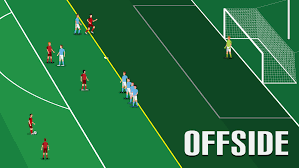

In its simplest form, the offside rule is designed to prevent attacking players from gaining an unfair advantage by positioning themselves closer to the opponent’s goal line than both the ball and the second-last opponent (usually the last defender) when the ball is played to them. In essence, a player is in an offside position if they are in the opposing team’s half and nearer to the opponent’s goal line than both the ball and the second-last opponent when the ball is passed to them.
Key Components of the Offside Rule:
1. Positioning: A player must be in an offside position at the moment the ball is played to them by a teammate.
2. Active Play:
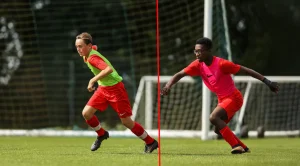

Being in the position alone is not an offense. The player must also be involved in active play, which includes receiving the ball or interfering with an opponent
3. The Second-Last Opponent: The position is judged concerning the second-last opponent, usually the last defender. This means that if there is only one defender between the attacking player and the goal line, they are not considered offside.
4. Timing: Timing is crucial. The player must time their movement to receive the ball precisely when it is played to them, not before.
The Role of Assistant Referees:

offside rules in football
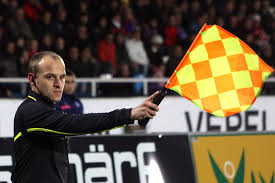
Assistant referees play a vital role in enforcing the offside rule. Positioned along the sidelines, they continuously monitor the positioning of attacking players in relation to the last line of defense. They signal an offside offense by raising their flag when they judge a player to be in an offside position and actively involved in play.
Impact on Gameplay:
The rule adds a layer of complexity and strategy to the game. Teams must carefully coordinate their movements to avoid falling foul of the trap set by the opposing defense. For attackers, timing their runs to perfection can be the difference between a goal-scoring opportunity and having the play called back for offside.
Controversy and Debate:

offside rules in football
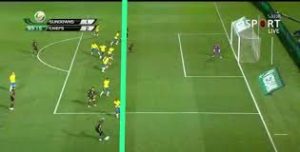
Despite its clear guidelines, the offside rule often sparks controversy and debate among players, coaches, and fans. Close offside calls can be the subject of intense scrutiny and heated discussion, especially in high-stakes matches. Video Assistant Referee (VAR) technology has been introduced in many leagues to help reduce errors in offside decisions, but even with VAR, there remains room for interpretation and disagreement.
Summary
When a teammate plays the ball, a player is offside if any part of their head, torso, or feet are in the opponent’s half and closer to the goal line than the ball and the second-to-last defender. It is not illegal for them to be in this situation unless they actively participate.