Foot health
Plantar Fascia


PLANTAR FASCIA
Plantar fascia. Inflammation of the plantar fascia in your foot is known as plantar fasciitis. The most frequent reason for heel pain is this. Similar to a ligament, the plantar fascia is a robust, fibrous attachment that extends from your heel to your toes and the ball of your foot. Like a thick rubber band, it is elastic.
PLANTAR FASCIA
Your foot’s arch is formed by the plantar fascia, which joins the bones in your foot. This happens when your feet are overworked or under excessive stress. The most common home remedies for plantar fasciitis are ice, rest, stretching, and over-the-counter drugs.
Symptoms

An aching sensation in your heel or around the bottom of your foot is typically the result of plantar fasciitis. Depending on what you’re doing and the time of day, the discomfort may vary. You may experience the following kinds of pain:
discomfort upon rising from a seated or sleeping position. After a few minutes of walking, the pain normally subsides.
A dull, persistent pain
When applying pressure to your heel or using your injured foot, you may experience a sharp or stabbing pain.
Your discomfort may be momentarily relieved by moving or exercising, but it will typically worsen as soon as you stop.
increased discomfort when you wake up in the morning or after you’ve slept or sat down.
Causes
Plantar fasciitis can result from anything that aggravates or harms your plantar fascia, such as:
spending the entire day standing up for work.
engaging in athletic activities.
working or exercising on a hard surface, such as the sidewalk or the floor of a warehouse.
working out without warming up or stretching.
wearing footwear (such as flat, flexible sneakers or flip flops) that does not adequately support your feet.
When you are at home, you can walk or stand barefoot.
Plantar fasciitis can result from a number of medical issues, such as high arch foot.
flat feet.
Obesity (or gaining over 15 pounds in a short period of time).
Treatment

NSAIDs (naproxen, ibuprofen, and aspirin) are over-the-counter medications that lower inflammation and pain. Before taking NSAIDs for more than ten days in a row, consult your doctor.
Rest: If at all possible, avoid engaging in the activities that triggered the plantar fasciitis for at least a week, including when playing sports.
You’re icing your foot: Two times a day, for ten to fifteen minutes, ice your foot. To reduce inflammation, wrap a tiny towel around a frozen water bottle to protect your skin and then roll it around the bottom of your foot.
Putting on supporting footwear: Put on resilient, cushioned footwear. Avoid wearing flat shoes with built-in arch support, such as flip-flops or sandals. You should never go barefoot.
Prevention

Not overusing your feet is the best defense against plantar fasciitis. Stretch both before and after a workout session.
Allow your feet to rest and recuperate after strenuous exercise or activities.
Put on shoes that will support you.
On hard terrain, avoid going barefoot.
After you’ve run or walked 250–500 miles in your sneakers, or every six to nine months, replace them.
Plantar fasciitis may not be preventable if you have a medical condition that increases your risk of developing it.
Summary
When your favorite sport or hobby must be missed for a week or more, it’s always inconvenient. Don’t hurry back onto the court or field, though. Stressing your foot too much before it heals could cause you to re-injure your plantar fascia.




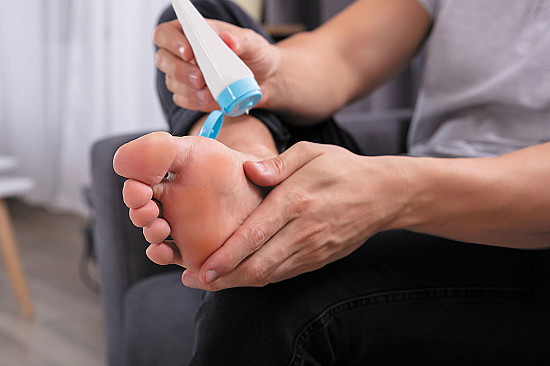
Men healthy feet tips. Maintaining mobility, avoiding injuries, and leading an active lifestyle all depend on putting foot health first. You can keep your feet in excellent shape and move boldly toward a healthier, happier life by adhering to these five healthy foot tips: picking the right shoes, maintaining good hygiene, keeping a healthy weight, doing foot stretches and exercises, and scheduling routine foot exams.
MEN HEALTHY FEET TIPS
Wash your feet every day in warm water and make sure they are totally dry (particularly between the toes to prevent fungus) to keep them healthy. Wear supportive, well-fitting shoes, trim your toenails straight across to prevent ingrown nails, and moisturize every day, but stay away from lotion between your toes. Maintaining healthy feet is crucial for overall well-being and mobility, yet it’s often a neglected aspect of self-care, especially among men. From wearing the right footwear to practicing good hygiene, here are five essential tips to keep your feet healthy and happy.
1. Choose the Right Shoes;

Wearing properly fitting shoes is essential for preventing foot problems such as blisters, calluses, and bunions. Opt for shoes that provide adequate support, cushioning, and room for your toes to move comfortably. Avoid shoes that are too tight or narrow, as they can cause discomfort and lead to foot deformities over time.
2. Practice Proper Hygiene;
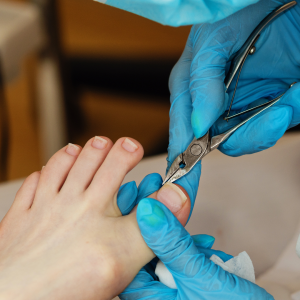
Good foot hygiene is key to preventing common foot ailments such as athlete’s foot and toenail fungus. Wash your feet daily with warm water and mild soap, paying special attention to the spaces between your toes. Dry your feet thoroughly, especially between the toes, to prevent moisture buildup, which can promote fungal growth. Additionally, trim your toenails regularly and keep them clean to avoid ingrown toenails.
3. Maintain a Healthy Weight;

Men healthy feet tips
Carrying excess weight can put strain on your feet and exacerbate foot problems such as plantar fasciitis and heel pain. Maintain a healthy weight through regular exercise and a balanced diet rich in fruits, vegetables, lean proteins, and whole grains. Losing weight can help alleviate pressure on your feet and improve overall foot health.
4. Practice Foot Stretches and Exercises;
Stretching and exercising your feet can help improve flexibility, strength, and circulation, reducing the risk of foot injuries and discomfort. Incorporate simple foot stretches into your daily routine, such as toe curls, ankle circles, and calf stretches. Additionally, consider performing exercises that target the muscles in your feet, such as picking up small objects with your toes or rolling a tennis ball under your feet.
5. Schedule Regular Foot Check-ups;
Men healthy feet tips
Regular foot check-ups with a podiatrist or foot specialist are essential for maintaining optimal foot health, especially if you have pre-existing conditions such as diabetes or arthritis. A podiatrist can identify and treat foot problems early, provide personalized recommendations for foot care, and address any concerns or discomfort you may be experiencing. Schedule annual check-ups or seek medical attention if you notice any signs of foot pain, swelling, or abnormal changes.
Summary
A simple daily regimen will help you maintain healthy feet: wash and completely dry your feet, paying specific attention to the spaces between your toes; change your socks every day; and trim your toenails straight across. Wear well-fitting, ventilated shoes to prevent fungal growth and refrain from going barefoot in public areas to avoid infections.
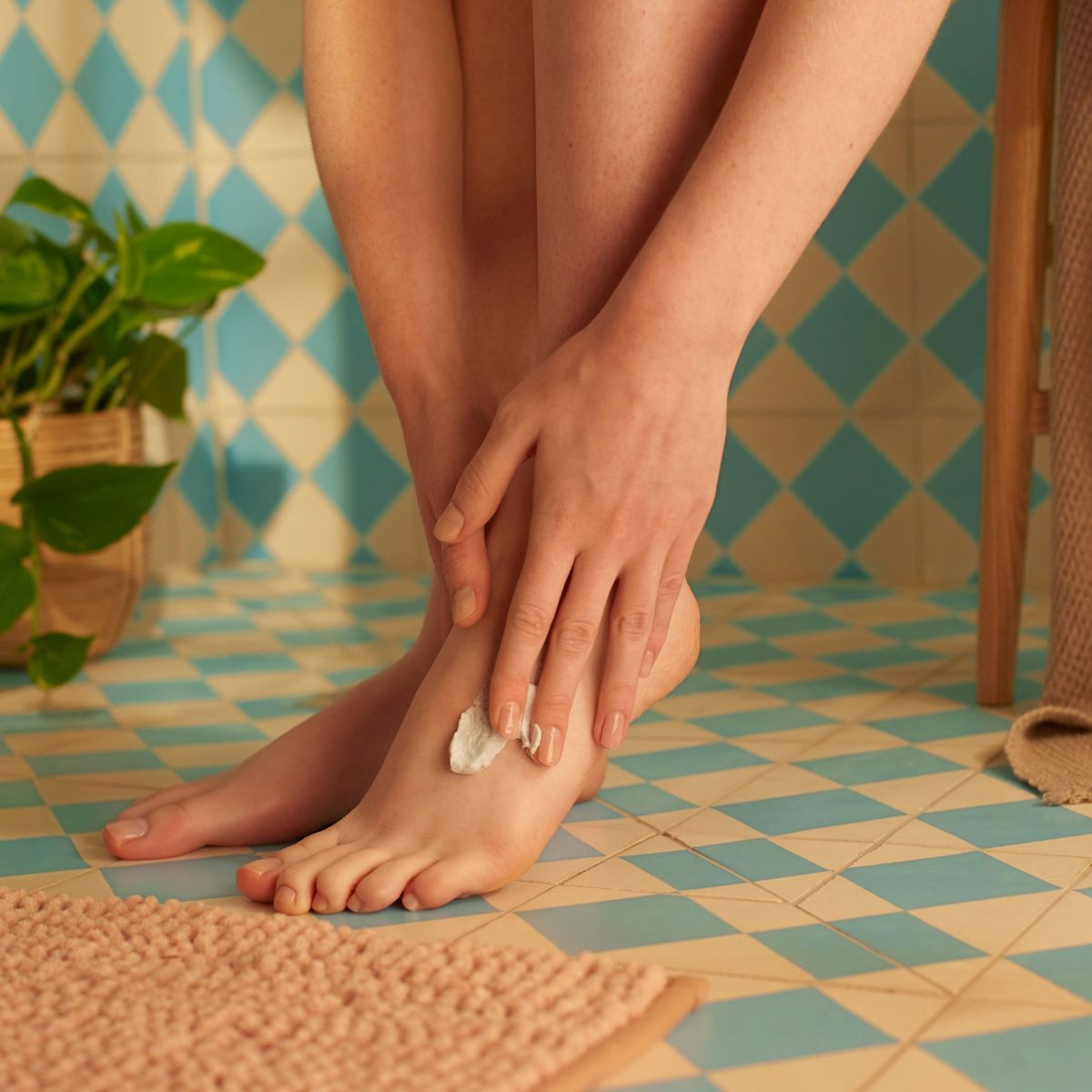
Women feet tips. For women to remain active, at ease, and self-assured in their daily lives, foot health must be prioritized. Women can keep their feet in excellent condition and confidently move toward a healthier, happier life by adhering to these five healthy foot tips: wearing supportive, comfortable shoes, maintaining proper foot hygiene, moisturizing frequently, performing foot stretches and exercises, and scheduling routine foot examinations.
WOMEN FEET TIPS
Simple daily care, appropriate shoe selection, and frequent self-checks are all necessary to maintain healthy feet. Hosiery, footwear (such as high heels), and hormonal/structural changes over time present special foot issues for women. Keep your feet pain-free by implementing these practical, focused suggestions.
1. Wear Comfortable and Supportive Shoes;

Choosing the right footwear is essential for preventing foot problems and maintaining healthy feet. Opt for shoes that provide adequate support, cushioning, and room for your toes to move freely. Avoid wearing high heels for prolonged periods, as they can cause foot pain, bunions, and other issues. Instead, opt for comfortable and supportive shoes for everyday wear, reserving high heels for special occasions.
2. Practice Good Foot Hygiene;
Good foot hygiene is key to preventing common foot ailments such as athlete’s foot, toenail fungus, and odor. Wash your feet daily with warm water and mild soap, paying attention to the spaces between your toes. Dry your feet thoroughly, especially between the toes, to prevent moisture buildup, which can promote fungal growth. Additionally, trim your toenails regularly and keep them clean to avoid ingrown toenails.
3. Moisturize Regularly;
Women feet tips
Moisturizing your feet regularly helps keep the skin soft, supple, and free from dryness and cracks. Apply a moisturizing foot cream or lotion to your feet daily, paying special attention to areas prone to dryness, such as the heels and soles. For an extra treat, indulge in a foot massage using a nourishing oil or cream to soothe tired muscles and promote relaxation.
4. Practice Foot Stretches and Exercises;
Stretching and exercising your feet can help improve flexibility, strength, and circulation, reducing the risk of foot injuries and discomfort. Incorporate simple foot stretches into your daily routine, such as toe curls, ankle circles, and calf stretches. Additionally, consider performing exercises that target the muscles in your feet, such as picking up small objects with your toes or rolling a tennis ball under your feet.
5. Schedule Regular Foot Check-ups;
Women feet tips
Regular foot check-ups with a podiatrist or foot specialist are essential for maintaining optimal foot health, especially if you have pre-existing conditions such as diabetes or arthritis. A podiatrist can identify and treat foot problems early, provide personalized recommendations for foot care, and address any concerns or discomfort you may be experiencing. Schedule annual check-ups or seek medical attention if you notice any signs of foot pain, swelling, or abnormal changes.
Summary
Women frequently balance a number of obligations and responsibilities, perhaps ignoring their own self-care, including foot health. But keeping your feet healthy is essential for your general mobility and well-being. These five crucial suggestions will help ladies maintain happy and healthy feet.
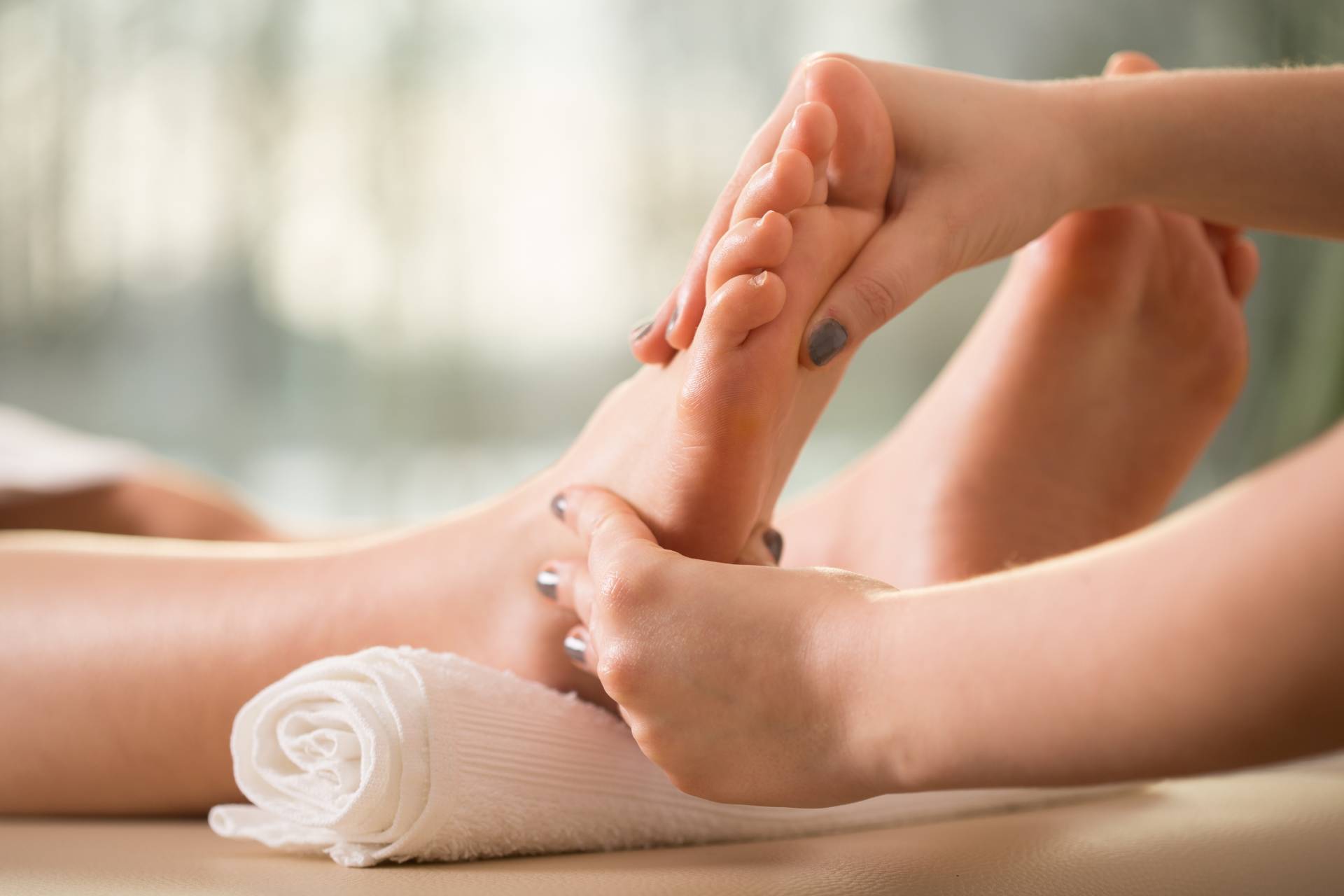
Foot massage relevance. In addition to being a calming experience, foot massages provide other health advantages. Regular foot massages can enhance circulation, lessen discomfort, and encourage mental and physical relaxation, whether they are done professionally or at home.A foot massage offers many advantages that enhance general wellbeing, making it more than just a soothing treatment. By stimulating pressure points in the feet, this ancient therapy has benefits for both physical and emotional health.
FOOT MASSAGE RELEVANCE
By increasing circulation, lowering stress levels, easing pain from ailments like plantar fasciitis, and promoting better sleep, foot massages offer substantial physiological, physical, and mental advantages. They are useful for injury rehabilitation, anxiety reduction, and general relaxation and energy levels because they target pressure points to improve muscle function, joint flexibility, and lymphatic drainage.
Key Benefits;
1. Improves Circulation:
Regular foot massage helps increase blood flow, which is essential for maintaining healthy tissues and muscles. Improved circulation can reduce muscle soreness and promote faster recovery after physical activity.
2. Reduces Stress and Promotes Relaxation:
Foot massages can help release tension and reduce stress levels. The practice activates the nervous system, promoting the release of endorphins—natural feel-good hormones that enhance relaxation.
3. Alleviates Pain:

FOOT MASSAGE RELEVANCE
A foot massage can provide relief from foot pain, muscle soreness, and even headaches. It can be especially helpful for people who spend long hours standing or those with conditions like plantar fasciitis.
4. Enhances Sleep Quality:
Massaging the feet before bedtime can encourage better sleep by reducing tension and promoting relaxation. It is a simple and effective way to unwind and prepare for a restful night.
5. Boosts Mood and Mental Health:

FOOT MASSAGE RELEVANCE
The calming effects of a foot massage can help reduce anxiety and improve mood. It has been found to have positive effects on mental health, making it a useful tool for those looking to manage stress and anxiety naturally.
Summary
By focusing on pressure points to relieve stress, foot massages increase circulation, lower anxiety, and encourage better sleep. Methods include kneading the heel, softly stretching the toes, and applying circular motions with the thumbs to the soles. A 10- to 20-minute session can greatly reduce discomfort and relax muscles.

Earth Frozen Frontiers

Natural Majestic Wonders

Daily Life Hacks

A Step-by-Step Guide to Deleting Reels on Instagram

A Comprehensive Guide to Setting Up a YouTube Premiere