Health
Polymyalgia Rheumatica



POLYMYALGIA RHEUMATICA
Polymyalgia rheumatic. A disorder called polymyalgia rheumatica makes big muscles, such your hips and shoulders, ache, hurt, and become stiff. Usually severe in the morning, the sensations may subside with movement. The precise etiology of it is unknown. For symptom relief, the majority of patients use a corticosteroid.
POLYMYALGIA RHEUMATICA
The systemic inflammatory disease known as polymyalgia rheumatica (PMR) mainly affects the shoulders, neck, and hips and causes stiffness and pain in the muscles. It frequently affects adults over 50 and is linked to giant cell arteritis, a disorder that inflames the blood vessels in the head.
Symptoms
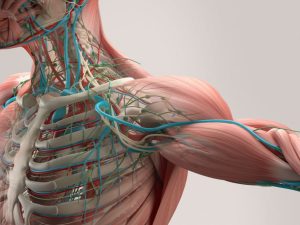

The abrupt onset of pain and stiffness around big joints, particularly the shoulders and hips, is one of the most typical signs of polymyalgia rheumatica. Additionally, you can get pain in your neck, butt, back, and arms. Usually, the aches and pains start within two weeks, sometimes even overnight. Usually, the discomfort is felt on both sides of your body. You may find it difficult to do simple things like brushing your hair or putting on clothes.
Stiffness that lasts longer than half an hour, particularly in the morning and after resting, is another sign of polymyalgia rheumatica.
Weakness.
Fatigue.
feeling sick in general.
appetite loss.
reduction of weight.
swelling in your wrists or hands.
mild fevers.
Causes


Although the precise origin of polymyalgia rheumatica is unknown, researchers have a number of possibilities. Causes of polymyalgia rheumatica can include:
Genetics.
environmental elements like diseases.
Aging.
Autoimmune illness is when your immune system unintentionally targets itself.
bursitis, or inflamed sacs in your shoulders or hips.
Complications
Polymyalgia rheumatica can impair your mobility if left untreated. Your everyday tasks, such as taking a shower, getting dressed, brushing your hair, getting out of bed, and getting into and out of your car, may become difficult as a result. Getting your arms up over your shoulders might be very challenging. Giant cell arteritis, a condition linked to polymyalgia rheumatica, can result in inflammation of the aorta, the main artery that carries blood from the heart to the rest of the body. A potentially fatal aortic aneurysm may arise from this.
Treatment


The first line of treatment for polymyalgia rheumatica is a low dose of corticosteroids. Prednisone may be prescribed by your doctor at doses of 10 mg to 15 mg daily, which may quickly reduce your stiffness and pain. Over the course of one to two years, the steroid is gradually reduced if your symptoms become better. Relapses can happen sometimes, and you might need to take a low dose of steroids for a long time to avoid flare-ups. Other drugs may occasionally be required to assist reduce the dosage of steroids and control inflammation.
It’s critical that your healthcare professional keeps an eye out for any possible adverse effects. Weight gain is one of the possible side effects of long-term steroid medication.
Osteoporosis.
elevated blood pressure
heart-related conditions.
Diabetes.
Skin thinning
Cataracts.
Summary
The diagnosis of polymyalgia rheumatica can be challenging, but your healthcare practitioner can help you understand what’s happening and what kind of treatment is best for you. A difficult disorder to live with, giant cell arteritis can also be present in some persons with polymyalgia rheumatic. Talk about all of your symptoms with your healthcare physician.