Home decoration
Pothos Plants: The Perfect Houseplant for Beginners and Experts Alike

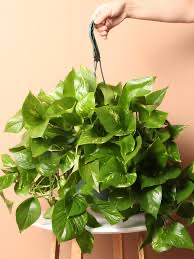
Pothos plants, scientifically known as Epipremnum aureum, are among the most popular indoor plants worldwide. Often called Devil’s Ivy, Golden Pothos, or Money Plant, they are loved for their stunning trailing vines, ease of care, and ability to thrive in a variety of conditions. Native to Southeast Asia, pothos plants are ideal for both beginner and experienced plant enthusiasts.
Key Features of Pothos Plants
1. Variegated Leaves
Pothos are known for their heart-shaped leaves, which come in a range of colors and patterns. Depending on the variety, leaves may feature green, yellow, white, or even neon hues.
2. Hardiness
These plants can adapt to almost any environment, tolerating low light, neglect, and irregular watering schedules.
3. Growth Versatility
Pothos can be grown as trailing vines in hanging baskets or trained to climb a moss pole, making them a versatile choice for indoor decoration.
Popular Varieties of Pothos
1. Golden Pothos (Epipremnum aureum)
Features green leaves with yellow variegation.
2. Marble Queen Pothos
Known for its creamy white and green marbled leaves.
3. Neon Pothos
Displays bright, lime-green leaves for a vibrant look.
4. Jade Pothos
A classic variety with deep green foliage.
5. Manjula Pothos
Boasts uniquely shaped leaves with a mix of white, green, and silver variegation.
Caring for Pothos Plants
1. Light
Pothos prefer bright, indirect light but can also survive in low-light conditions. Direct sunlight can scorch their leaves, while too little light may reduce variegation.
2. Water
– Water when the top inch of soil feels dry.
– Avoid overwatering, as this can lead to root rot.
– Pothos are forgiving and can survive occasional droughts.
3. Soil
Use a well-draining potting mix to prevent waterlogged roots.
4. Temperature and Humidity
Pothos thrive in temperatures between 65–85°F (18–29°C) and enjoy moderate to high humidity. They can tolerate dry indoor air but benefit from occasional misting.
5. Pruning
Trim back long vines to encourage bushier growth and remove yellowing leaves to maintain the plant’s appearance.
6. Propagation
Pothos are easy to propagate. Simply cut a vine below a node, place it in water, and watch the roots grow. Once roots develop, transfer the cutting to soil.
Benefits of Pothos Plants
1. Air Purification
Pothos plants help filter indoor air by removing toxins like formaldehyde, benzene, and carbon monoxide.
2. Low-Maintenance
Their ability to thrive with minimal care makes pothos a perfect choice for busy individuals or plant novices.
3. Decorative Appeal
Whether cascading from a hanging basket or climbing a wall, pothos plants bring a touch of greenery and elegance to any space.
4. Stress Reduction
Having indoor plants, including pothos, has been shown to reduce stress and improve concentration.
Common Problems and Solutions
1. Yellowing Leaves
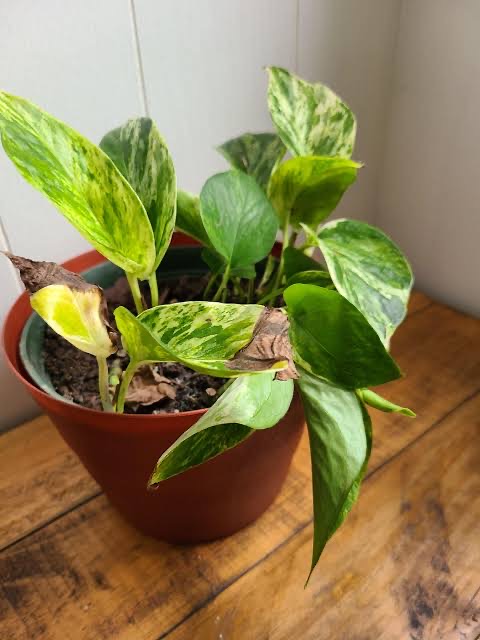
This is often caused by overwatering. Adjust your watering schedule and ensure the pot has proper drainage.
2. Brown Tips
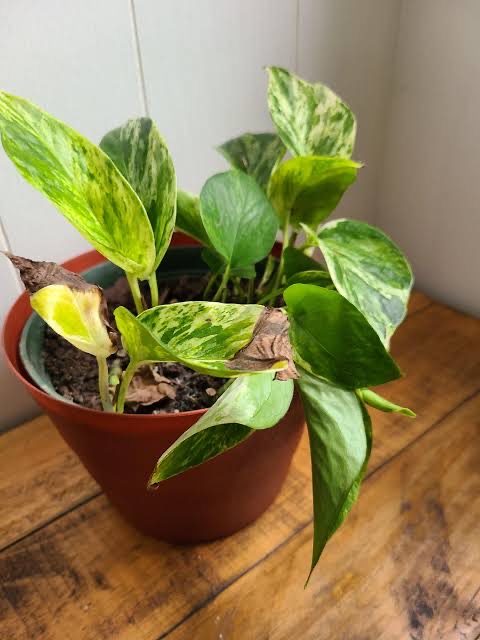
Usually due to low humidity or underwatering. Increase humidity and check your watering routine.
3. Pests
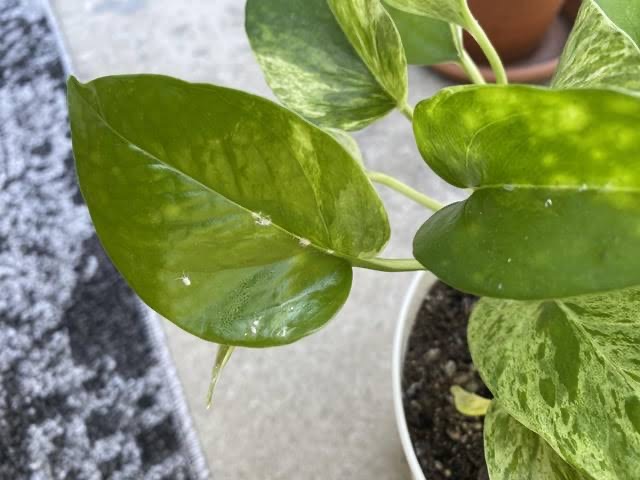
Pothos can occasionally attract pests like spider mites or mealybugs. Treat infestations with neem oil or insecticidal soap.
Conclusion
Pothos plants are the ultimate combination of beauty, versatility, and ease of care. Whether you’re looking to brighten a dark corner, decorate a shelf, or add a touch of nature to your home, pothos is an excellent choice. With just a little attention, these stunning vines can thrive and bring joy to your indoor spaces for years to come.






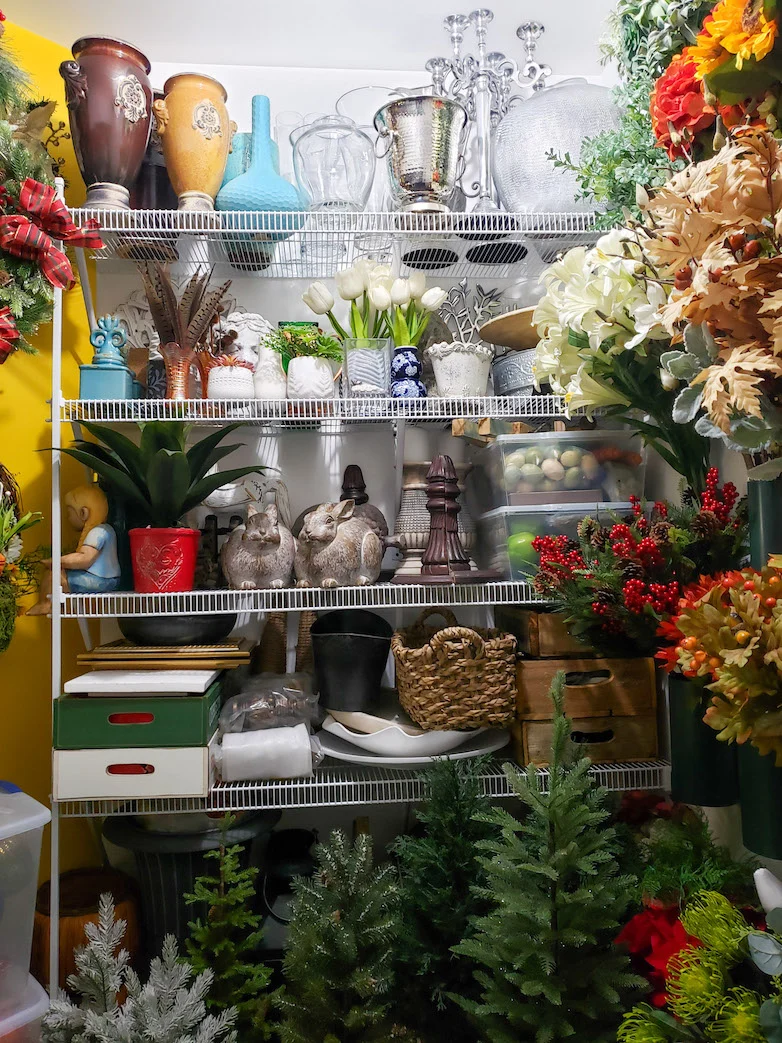
Home Decoration Storage Ideas. In today’s world, a living room must serve a variety of purposes. It should be a place where you can work for a few hours, host a few visitors, and relax on the couch with your favorite TV show in addition to being a place where you can spend quality time with your family. Most of the time, all in one day. Given their numerous needs, living rooms inevitably require as many storage options as they have applications.
HOME DECORATION STORAGE IDEAS
A place can be kept neat and fashionable by combining clever storage with home décor. Utilize vertical shelves, ornamental baskets, and multipurpose furniture to transform commonplace clutter into eye-catching interior embellishments. Learn how to create a calm space where you and your possessions can live together by reading on.
Storage Ideas;
1. Utilize Your Furnishings
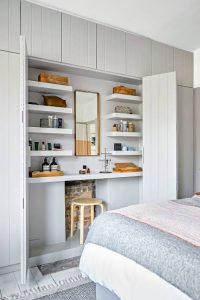
Double Time Inbuilt furnishings are an excellent method to tuck away storage, such as a built-in sofa or window seat. Feeling uninspired to go custom? To get as much surface area as possible, look for coffee tables with lower shelves or drawers. Additionally a fantastic choice for additional sitting and a place to store extra blankets are storage ottomans.
2. Choose Personalized With Built-ins Use full-height bookshelves to offer yourself plenty of rows for your collection if your room is more akin to a disorganized library than a living room. Using bespoke wall-to-wall shelving lets you maximize your linear feet and customize every square inch to suit your demands
3. Use Bookshelves to Keep Things Simple
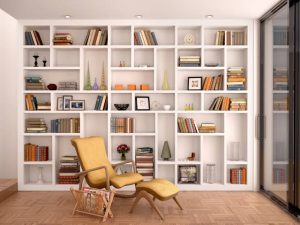
Home Decoration Storage Ideas
Use standard bookcases to create a semi-custom design if the custom library style is out of your price range. Sew them together to make a storage wall that flows smoothly or on either side of your fireplace.
4. Change the Heights of Your Authentic Items
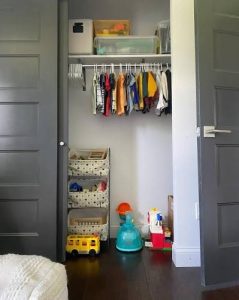
Home Decoration Storage Ideas
Make sure you utilize your storage zones to the most by customizing your shelves to meet your demands. Perhaps instead of being a bookworm, you’re a collector of exquisite pottery, old albums, or quirky trinkets.
5. Take It Modular to Customize It A wonderful method to obtain all the personalization you need now and the flexibility to change things up later is using modular shelving systems. Select a system that complements your style, then go wild with your creativity. versatile storage ideas
Summary
Anything that is utilized to make anything appear more appealing, festive, or lovely is called decorating. It also refers to an official badge or medal awarded to an individual—like a soldier—in recognition of their valor.

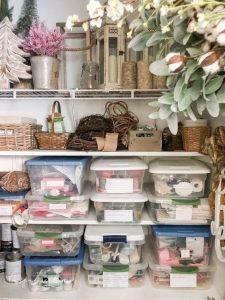
Home decor and storage hacks. Use multipurpose furniture (coffee tables, storage ottomans), make use of vertical space with tall units and floating shelves, and use transparent, labeled bins and strategic baskets for visual organization to maximize home décor and storage. Use door-mounted organizers for concealed storage, keep commonly used goods close to their intended locations, and conceal clutter in ornamental boxes on shelves.
HOME DECOR AND STORAGE HACKS
In today’s world, a living room must serve a wide range of purposes. It should be a place where you can work for a few hours, host a few visitors, and relax on the couch with your favorite TV show in addition to being a place where you can spend time with your family. All in one day, most of the time. Given their numerous needs, living rooms naturally require as many storage options as they have purposes for. Learn how to create a calm space in your room where you and your possessions may live together by reading on.
Storage Ideas;
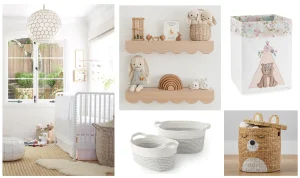
1. Utilize Your Furnishings Double Time Inbuilt furnishings are an excellent method to tuck away storage, such as a built-in sofa or window seat. Feeling uninspired to go custom? To get as much surface area as possible, look for coffee tables with lower shelves or drawers. Additionally a fantastic choice for additional sitting and a place to store extra blankets are storage ottomans.
2. Choose Personalized With Built-ins Use full-height bookshelves to offer yourself plenty of rows for your collection if your room is more akin to a disorganized library than a living room. Using bespoke wall-to-wall shelving lets you maximize your linear feet and customize every square inch to suit your demands.

HOME DECOR AND STORAGE HACKS
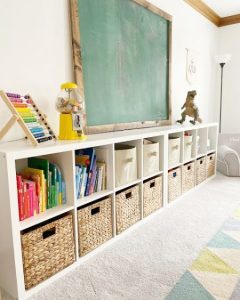
3. Use Bookshelves to Keep Things Simple Use standard bookcases to create a semi-custom design if the custom library style is out of your price range. Sew them together to make a storage wall that flows smoothly or on either side of your fireplace.
HOME DECOR AND STORAGE HACKS
4. Change the Heights of Your Authentic Items Make sure you utilize your storage zones to the most by customizing your shelves to meet your demands. Perhaps instead of being a bookworm, you’re a collector of exquisite pottery, old albums, or quirky trinkets.
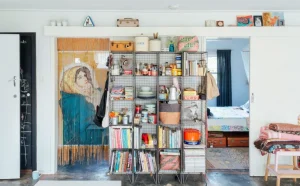
HOME DECOR AND STORAGE HACKS
5. Take It Modular to Customize It A wonderful method to obtain all the personalization you need now and the flexibility to change things up later is using modular shelving systems. Select a system that complements your style, then go wild with your creativity. versatile storage ideas
Summary
Essentials like wall art, rugs, lighting, plants, throw pillows, and mirrors, as well as specialized items like vases, candles, sculptures, and furniture accents, are examples of decorative and functional items that improve the aesthetics of a living space. Popular styles range from modern minimalist to eclectic, frequently guided by principles like grouping items in threes for visual appeal.


Music Recording Apps for Phones

Review of Bandlab Music App

N-Track Studio Review

A Step-by-Step Guide to Deleting Reels on Instagram

A Comprehensive Guide to Setting Up a YouTube Premiere