Home decoration
Snake Plants: The Low-Maintenance Wonder for Every Home

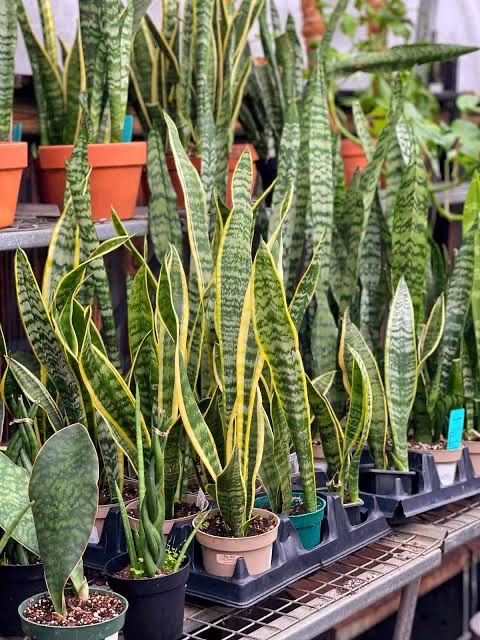
Snake plants, also known as Sansevieria or Dracaena trifasciata, are popular indoor plants celebrated for their resilience, air-purifying qualities, and striking appearance. Native to West Africa, they have become household favorites worldwide, thanks to their ability to thrive with minimal care.
Key Features of Snake Plants
1. Unique Appearance: Snake plants are characterized by their tall, sword-like leaves with green and yellow variegated patterns. Their upright growth makes them an elegant addition to any space.
2. Air-Purifying Qualities: NASA’s Clean Air Study identified snake plants as effective in removing toxins like formaldehyde, benzene, and carbon dioxide from the air. They release oxygen even at night, making them excellent for bedrooms.
3. Durability: These hardy plants can survive drought, low light, and neglect, making them perfect for beginners or busy individuals.
How to Care for Snake Plants
1. Light Requirements
Snake plant prefer indirect sunlight but can tolerate low-light conditions. Direct sunlight may scorch their leaves.
2. Watering Needs
•Water sparingly. Allow the soil to dry out completely between waterings.
•Overwatering is a common cause of root rot, so it’s better to err on the side of underwatering.
3. Soil and Potting
Use well-draining soil and pots with drainage holes to prevent waterlogging. A cactus or succulent mix works best.
4. Temperature and Humidity
Snake plant thrive in temperatures between 60–80°F (15–27°C) and can tolerate dry air, making them ideal for indoor environments.
5. Fertilization
Feed with a general-purpose houseplant fertilizer during the growing season (spring and summer). Avoid over-fertilizing.
Benefits of Snake Plants
– Healthier Indoor Air: By removing toxins and releasing oxygen, snake plants enhance air quality.
– Stress Reduction: Studies show that having plants indoors can lower stress and improve focus.
– Low-Maintenance: These plants are ideal for those who may not have a green thumb.
Common Issues and Solutions
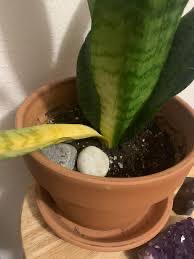
1. Yellowing Leaves: Indicates overwatering. Adjust your watering routine and check for drainage.
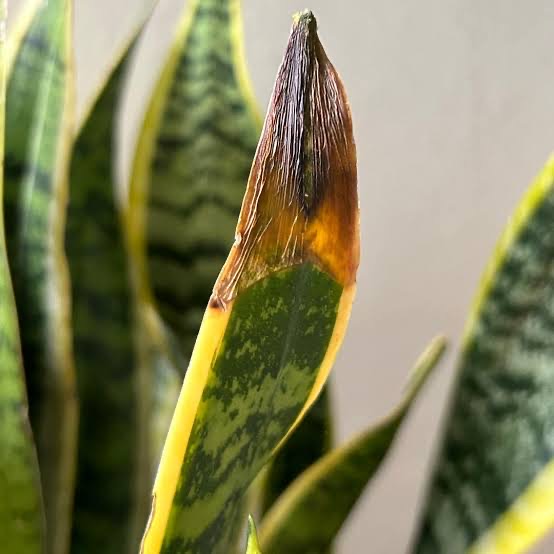
2. Brown Tips: Caused by underwatering or low humidity. Water slightly more frequently.
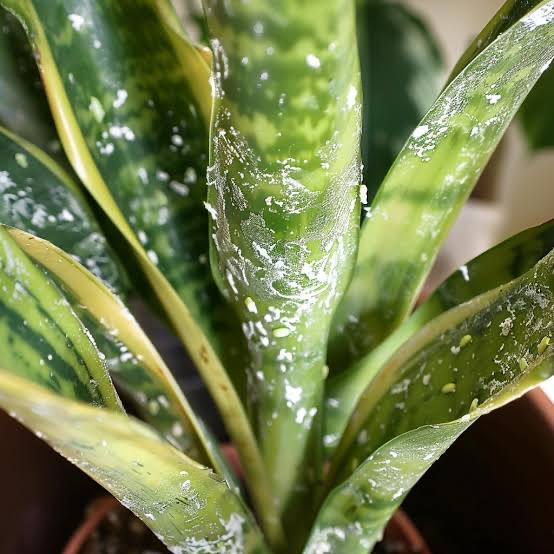
3. Pests: Mealybugs and spider mites can infest snake plants. Treat with insecticidal soap or neem oil.
Popular Snake Plant Varieties
– Sansevieria trifasciata ‘Laurentii’: The classic variety with yellow-edged leaves.
– The Sansevieria cylindrica: Cylindrical, spear-like leaves for a modern look.
– Sansevieria ‘Moonshine’: Light silvery-green leaves that brighten any space.
Conclusion
Snake plants are more than just decorative plants; they’re a blend of beauty, health benefits, and practicality. Whether you’re looking to spruce up your living space or enjoy cleaner air, the snake plant is a versatile and rewarding choice. With just a little care, this hardy houseplant can thrive for years, becoming a cherished part of your home.





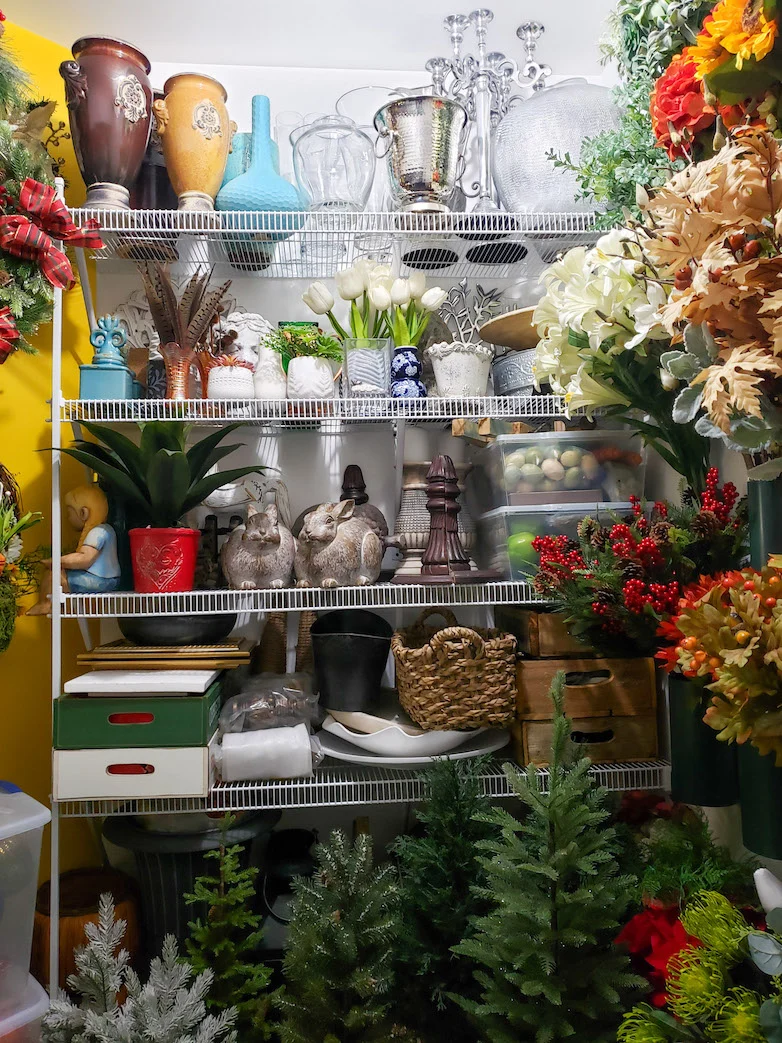
Home Decoration Storage Ideas. In today’s world, a living room must serve a variety of purposes. It should be a place where you can work for a few hours, host a few visitors, and relax on the couch with your favorite TV show in addition to being a place where you can spend quality time with your family. Most of the time, all in one day. Given their numerous needs, living rooms inevitably require as many storage options as they have applications.
HOME DECORATION STORAGE IDEAS
A place can be kept neat and fashionable by combining clever storage with home décor. Utilize vertical shelves, ornamental baskets, and multipurpose furniture to transform commonplace clutter into eye-catching interior embellishments. Learn how to create a calm space where you and your possessions can live together by reading on.
Storage Ideas;
1. Utilize Your Furnishings
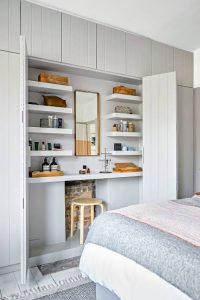
Double Time Inbuilt furnishings are an excellent method to tuck away storage, such as a built-in sofa or window seat. Feeling uninspired to go custom? To get as much surface area as possible, look for coffee tables with lower shelves or drawers. Additionally a fantastic choice for additional sitting and a place to store extra blankets are storage ottomans.
2. Choose Personalized With Built-ins Use full-height bookshelves to offer yourself plenty of rows for your collection if your room is more akin to a disorganized library than a living room. Using bespoke wall-to-wall shelving lets you maximize your linear feet and customize every square inch to suit your demands
3. Use Bookshelves to Keep Things Simple
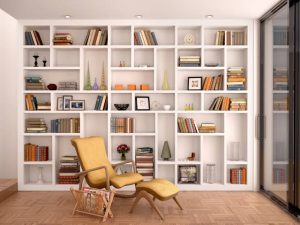
Home Decoration Storage Ideas
Use standard bookcases to create a semi-custom design if the custom library style is out of your price range. Sew them together to make a storage wall that flows smoothly or on either side of your fireplace.
4. Change the Heights of Your Authentic Items
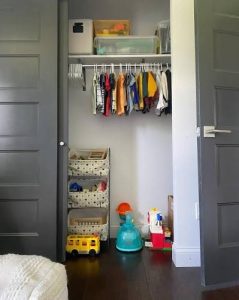
Home Decoration Storage Ideas
Make sure you utilize your storage zones to the most by customizing your shelves to meet your demands. Perhaps instead of being a bookworm, you’re a collector of exquisite pottery, old albums, or quirky trinkets.
5. Take It Modular to Customize It A wonderful method to obtain all the personalization you need now and the flexibility to change things up later is using modular shelving systems. Select a system that complements your style, then go wild with your creativity. versatile storage ideas
Summary
Anything that is utilized to make anything appear more appealing, festive, or lovely is called decorating. It also refers to an official badge or medal awarded to an individual—like a soldier—in recognition of their valor.

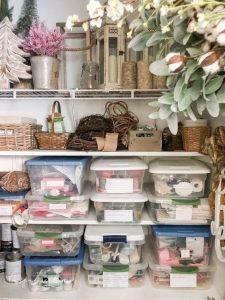
Home decor and storage hacks. Use multipurpose furniture (coffee tables, storage ottomans), make use of vertical space with tall units and floating shelves, and use transparent, labeled bins and strategic baskets for visual organization to maximize home décor and storage. Use door-mounted organizers for concealed storage, keep commonly used goods close to their intended locations, and conceal clutter in ornamental boxes on shelves.
HOME DECOR AND STORAGE HACKS
In today’s world, a living room must serve a wide range of purposes. It should be a place where you can work for a few hours, host a few visitors, and relax on the couch with your favorite TV show in addition to being a place where you can spend time with your family. All in one day, most of the time. Given their numerous needs, living rooms naturally require as many storage options as they have purposes for. Learn how to create a calm space in your room where you and your possessions may live together by reading on.
Storage Ideas;
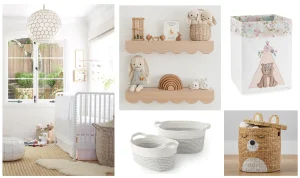
1. Utilize Your Furnishings Double Time Inbuilt furnishings are an excellent method to tuck away storage, such as a built-in sofa or window seat. Feeling uninspired to go custom? To get as much surface area as possible, look for coffee tables with lower shelves or drawers. Additionally a fantastic choice for additional sitting and a place to store extra blankets are storage ottomans.
2. Choose Personalized With Built-ins Use full-height bookshelves to offer yourself plenty of rows for your collection if your room is more akin to a disorganized library than a living room. Using bespoke wall-to-wall shelving lets you maximize your linear feet and customize every square inch to suit your demands.

HOME DECOR AND STORAGE HACKS
3. Use Bookshelves to Keep Things Simple Use standard bookcases to create a semi-custom design if the custom library style is out of your price range. Sew them together to make a storage wall that flows smoothly or on either side of your fireplace.
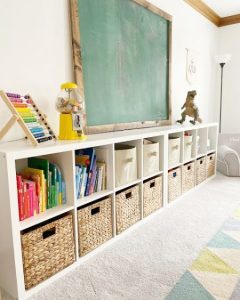
HOME DECOR AND STORAGE HACKS
4. Change the Heights of Your Authentic Items Make sure you utilize your storage zones to the most by customizing your shelves to meet your demands. Perhaps instead of being a bookworm, you’re a collector of exquisite pottery, old albums, or quirky trinkets.
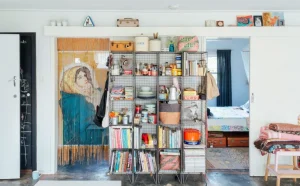
HOME DECOR AND STORAGE HACKS
5. Take It Modular to Customize It A wonderful method to obtain all the personalization you need now and the flexibility to change things up later is using modular shelving systems. Select a system that complements your style, then go wild with your creativity. versatile storage ideas
Summary
Essentials like wall art, rugs, lighting, plants, throw pillows, and mirrors, as well as specialized items like vases, candles, sculptures, and furniture accents, are examples of decorative and functional items that improve the aesthetics of a living space. Popular styles range from modern minimalist to eclectic, frequently guided by principles like grouping items in threes for visual appeal.


Music Recording Apps for Phones

Review of Bandlab Music App

N-Track Studio Review

A Step-by-Step Guide to Deleting Reels on Instagram

A Comprehensive Guide to Setting Up a YouTube Premiere









Pingback: Pothos plants