tea
Preparation tips for tisanes

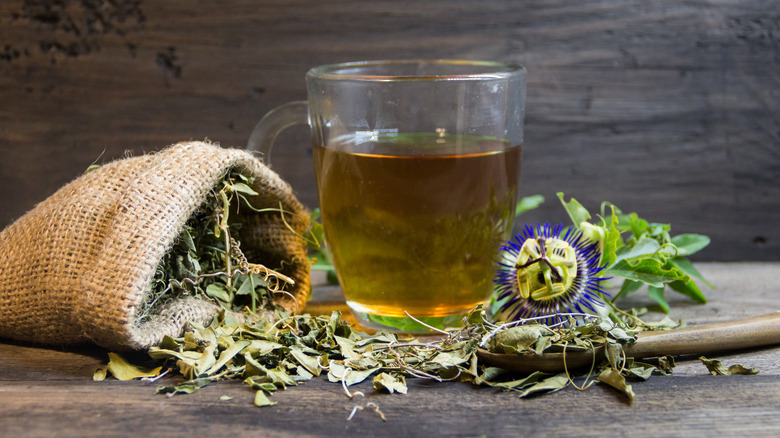
Preparation tips for tisanes. Making herbal tisanes is an easy and fun method to use plants and herbs for therapeutic purposes. There is a herbal infusion to fit your requirements and tastes, whether you’re looking for relaxation, digestive support, or a natural energy boost. You can make tasty and nourishing tisanes that support wellness and improve your general well-being by choosing premium herbs, using the right brewing methods, and experimenting with various flavors and combinations. So why not start a trip of flavor and health exploration with a cup of herbal bliss today?
PREPARATION TIPS FOR TISANES
Herbal teas, also known as tisanes, offer a delightful way to enjoy the therapeutic benefits of various plants and herbs. Whether you’re seeking relaxation, digestive support, or immune system boost, there’s a herbal infusion to suit every palate and purpose. In this article, we’ll explore the art of preparing herbal tisanes, from selecting the right ingredients to brewing the perfect cup, and discuss the diverse flavors and health benefits they offer.
Choosing Your Herbs:
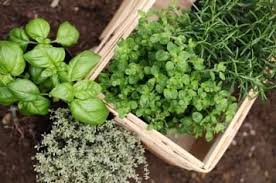
The first step in preparing a herbal tisane is selecting the herbs and botanicals that best suit your needs and preferences. Whether you’re harvesting herbs from your garden, purchasing them dried from a store, or foraging in the wild, it’s essential to choose high-quality, organic herbs free from pesticides or contaminants.
Common Herbal Ingredients:
There is a vast array of herbs and botanicals that can be used to create herbal tisanes, each with its unique flavor profile and health benefits. Some popular options include:
– Chamomile: Known for its calming and soothing properties, chamomile is a popular choice for promoting relaxation and supporting sleep.
– Peppermint:
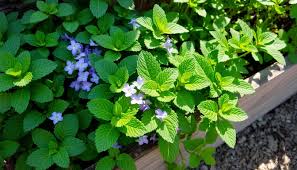
Refreshing and invigorating, peppermint is prized for its ability to aid digestion, relieve nausea, and soothe headaches.
– Lavender: With its delicate floral aroma, lavender is often used to promote relaxation, reduce stress and anxiety, and support restful sleep.
– Ginger: Spicy and warming, ginger is renowned for its digestive benefits, helping to alleviate nausea, indigestion, and bloating.
– Lemon Balm: Citrusy and uplifting, lemon balm is prized for its calming effects on the nervous system and its ability to improve mood and cognitive function.
Preparing Your Herbal Tisane:
Preparation tips for tisanes
Once you’ve chosen your herbs, it’s time to prepare your herbal tisane. Here’s a simple method for brewing the perfect cup:
1. Boil fresh, filtered water in a kettle or pot. Different herbs may require different water temperatures, so be sure to consult the recommended brewing instructions for each herb.
2. Place your chosen herbs in a teapot, infuser, or directly into a mug.
3. Pour the hot water over the herbs, covering them completely.
4. Allow the herbs to steep for the recommended amount of time, typically 5-10 minutes, depending on the herbs and desired strength.
5. Strain the herbs from the liquid and discard them.
6. Sweeten your herbal tisane with honey, maple syrup, or stevia if desired, and enjoy!
Tips for Enjoying Herbal Tisanes:
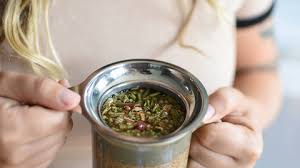
Preparation tips for tisanes
– Experiment with different combinations of herbs to create unique flavor profiles and therapeutic blends.
– Adjust the strength of your tisane by varying the amount of herbs used and the steeping time.
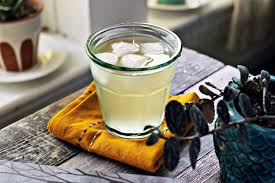
– Enjoy your herbal tisane hot or cold, depending on your preference and the weather.
– Incorporate herbal tisanes into your daily self-care routine for a nourishing and comforting experience.
Summary
Use one to two tablespoons of dried herbs per eight ounces of water to make the ideal cup of tisane (herbal tea). To fully extract the flavor and benefits, bring fresh, filtered water to a full boil, pour over the herbs, and soak covered for 5 to 10 minutes.


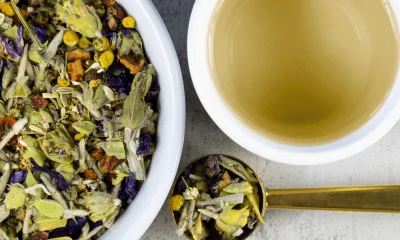


Drinking tea benefits. No matter the season, tea is a refreshing drink that tastes fantastic both hot and cold. Teas may help prevent cancer and safeguard your heart and teeth, according to studies. If nothing else, it’s a delicious way to make sure you’re getting enough fluids every day. The idea that drinking tea is beneficial to your health is supported by a number of studies.
DRINKING TEA BENEFITS
Tea is a strong, calorie-free drink that contains flavonoids and polyphenols, which are effective plant antioxidants that prevent cellular damage. There is solid evidence that consuming two to three cups a day reduces the risk of heart disease, stroke, type 2 diabetes, and early mortality.
1 – Tea contains antioxidants;
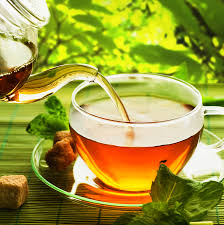
Antioxidants keep us youthful and shield us from the damaging effects of pollution by preventing the body’s equivalent of rust.
2 – contains less caffeine than coffee
Traditional teas have less than half the caffeine of coffee, whereas herbal tea mixes contain none. Nutritionists say that this means you can drink it without experiencing as many negative impacts on your nervous system.
3- reduce your risk of heart attack and stroke

According to a recent study, people who drank one to three cups of green tea a day had a roughly 20% lower risk of heart attack and a 35% lower risk of stroke. People who drank four or more cup of green tea a day had lower levels of bad cholesterol and thirty two percent decreased chance of suffering a heart attack.
4 – help with weight loss
There isn’t as much data on this, but studies have indicated that consuming a lot of tea often in tablet form has a significant impact.
5 – help protect your bones
Recent research on animals has provided evidence that green tea may stop bone loss.
6 – keep your smile bright

Because drinking tea alters the pH of your mouth, it may prevent cavities, which is why japanese researchers have shown that tea helps reduce tooth loss. Teeth enamel does not seem to be weakened by tea.
7 – boost the immune system
According to studies tea helps immune cells target their targets more quickly.
8 – help battle cancer
Research on this is still being done and is currently mixed. But if you want to take every precaution and have a strong family history of cancer, drinking more tea could be helpful.
9 – Herbal tea soothe the digestive system

Drinking tea benefits
Because chamomile is an antispasmodic, it can be beneficial for those with irritable bowel syndrome to drink herbal teas. Ginger tea is one of the other herbal teas that can ease nausea.
10 – Pure tea is calorie free
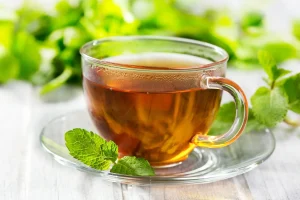
Drinking tea benefits
A fantastic low calorie substitute for water is tea. It can be consumed hot or cold, has a wide variety of flavors, and requires no other ingredients. So go ahead and enjoy your tea this afternoon. Its advised that you consume four cups of tea a day for maximum health benefits.
Summary
In addition to providing potent antioxidants (such as polyphenols and flavonoids) that are proven to promote heart health, strengthen immunity, and help with weight control, drinking tea is a great, hydrating habit.

Too much tea side effects. The caffeine and tannin content of tea can cause negative side effects when used in excess (usually more than 3–4 cups per day). Reduced iron absorption, anxiety, acid reflux, sleep disturbance, and caffeine dependence are common problems.A better understanding of tea-related side effects comes from knowing the main offenders and how they affect your body.
TOO MUCH TEA SIDE EFFECTS
Tea is an emotion, love, and the greatest way to escape the routine of life! Any lover of tea will be able to connect to these sincere remarks about how tea affect their feelings. For someone who like tea, the one thing that never changes in this world is their passion for the beverage.
1. Sleep disorders;

If you experience insomnia or restless nights too, then you should hold your true love, Tea, responsible! Yes, drinking too much tea can negatively impact your sleep in several ways. Tea’s caffeine content may only interfere with your sleep pattern. The hormone melatonin is disrupted by caffeine, which has an impact on sleep patterns.
2. Low nutrient-absorption;
in fact, consuming more caffeine can make it harder for you to digest food and absorb nutrients. A tannin found in tea inhibits the body’s ability to absorb iron from diet! for this reason, its best to have tea in between meals rather than right before them.
3. Increased restlessness;

Too much tea side effects
most of the time, we grab a cup of tea to decompress and take a break from our busy life, but did you know that this practice might really make your anxiety and stress worse? Indeed, excessive coffee intake can cause restlessness. This simplest strategy to manage these symptoms is to simply cut back on your tea consumption and switch to healthier varieties like green, white, or chamomile.
4. Heartburn and discomfort;
It’s undeniable that sipping your favorite tea frequently causes you to feel nervous and uncomfortable! This is merely due to the fact that tea’s caffeine content exacerbates that tea’s caffeine content exacerbates the stomach’s acid production, which causes heartburn, bloating and nausea. Additionally, it result in acid reflux disease in the body.
5. Pregnancy complications;

Too much tea side effects
Indeed, drinking too much tea can be bad for both the mother and the unborn child. The risk of problems may rise with increased coffee usage. Therefore, in order to prevent issues, it is recommended that you drink herbal or affeine-free tea when pregnant
Summary
It makes sense that these terms would seem so intriguing, but could your deep love of tea be harming your metabolism? It’s time to stop and think about the fact that excessive consumption of anything, including tea, can be harmful to one’s health. Here’s the lowdown on the health risks associated with excessive tea consumption. In addition to providing potent antioxidants (such as polyphenols and flavonoids) that are proven to promote heart health, strengthen immunity, and help with weight control, drinking tea is a great, hydrating habit.

Nutritional value of tisanes. Herbal teas are a powerful concoction that can improve your mental, emotional, and physical health in addition to being a calming beverage. from strengthening immunity and offering antioxidant defense to encouraging rest and digestive wellness. Numerous health advantages of herbal tea might help you on your path to complete wellness. Whether you’re enjoying a cool mixture of peppermint and ginger after a meal or taking a cup of chamomile before bed. One easy yet effective way to feed your body and soul is to incorporate herbal tea into your daily routine. So why not enjoy the numerous health advantages that herbal teas have to offer and brew a cup of herbal deliciousness today?
NUTRITIONAL VALUE OF TISANES
In a world where stress is rampant and wellness is a top priority, herbal tea emerges as a soothing elixir. Offering not only warmth and comfort but also a myriad of health benefits. From promoting relaxation and aiding digestion to boosting immunity and supporting overall well-being. Herbal teas has been cherished for centuries for its therapeutic properties. In this article, we’ll delve into the health importance of herbal tea, exploring its diverse range of benefits and how it can enhance your daily wellness routine.
Promotes Relaxation and Stress Relief:
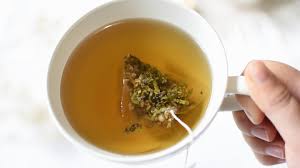
One of the most well-known benefits of herbal tea is its ability to promote relaxation and reduce stress. Herbs like chamomile, lavender, and lemon balm contain natural compounds that have calming effects on the nervous system, helping to ease tension, soothe anxiety, and promote restful sleep. Enjoying a cup of herbal tea before bedtime can create a tranquil bedtime ritual, helping you unwind and prepare for a peaceful night’s sleep.
Supports Digestive Health:
Many herbs commonly used in herbal tea blends are prized for their digestive benefits. Peppermint, ginger, fennel, and dandelion are just a few examples of herbs that can aid digestion, alleviate bloating. And relieve gastrointestinal discomfort. These herbs work by promoting healthy digestion, reducing inflammation in the digestive tract, and soothing digestive spasms. Sipping on herbal tea after a meal can help soothe the stomach and promote optimal digestion.
Boosts Immunity:

Nutritional value of tisanes
Herbal tea can also play a role in boosting the immune system and defending the body against illness. Herbs like echinacea, elderberry, and astragalus are known for their immune-enhancing properties. Helping to strengthen the body’s natural defenses against infections and viruses. Drinking herbal tea regularly can support immune function and help ward off colds, flu. And other common illnesses, especially during colder months when immune support is needed most.
Provides Antioxidant Protection:
Many herbs used in herbal tea are rich in antioxidants, compounds. That help protect the body against oxidative stress and free radical damage. Antioxidants play a crucial role in reducing inflammation, preventing chronic diseases, and promoting overall health and longevity. Herbs like green tea, rooibos, hibiscus, and turmeric are particularly high in antioxidants. Making them valuable additions to your daily wellness routine.
Hydration and Detoxification:
Nutritional value of tisanes
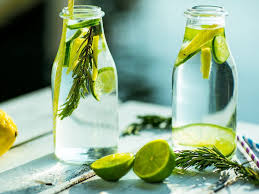
Staying hydrated is essential for overall health and well-being. Herbal tea offers a delicious way to increase your fluid intake throughout the day. Unlike caffeinated beverages like coffee or black tea, herbal tea is caffeine-free and can be enjoyed anytime, day or night. Additionally, certain herbs like dandelion, nettle, and milk thistle have diuretic properties that support kidney function and promote detoxification, helping to flush out toxins and impurities from the body.
Summary
Tisanes, also referred to as herbal teas, are infusions made by steeping leaves, roots, flowers, seeds, or fruits in hot water. They are significant because they offer a natural, antioxidant-rich, caffeine-free hydration option and have historically been used as all-encompassing treatments for immune system support, stress reduction, and digestion.

Torchlight Selection

Best Practices for Face Exfoliation

Chemical Face Exfoliation

A Step-by-Step Guide to Deleting Reels on Instagram

A Comprehensive Guide to Setting Up a YouTube Premiere