Eyes health
Presbyopia and Vision Changes

Presbyopia and vision changes. As we age, the lens inside our eyes becomes less flexible, resulting in presbyopia. The lens is flexible and may readily change shape to concentrate on close or far objects when you’re younger. But as you age, the lens becomes less flexible and harder, which makes it harder to concentrate on close things. Even those who have never experienced visual issues previously are impacted by this process, which is a normal aspect of aging.
PRESBYOPIA AND VISION CHANGES
Presbyopia is a common age-related condition that affects the eye’s ability to focus on close objects. It typically begins to surface around age 40 and gradually worsens over time, making reading or doing tasks up close more challenging. While it is a normal part of aging, it can be frustrating for those who have previously had perfect vision.
What Causes Presbyopia?

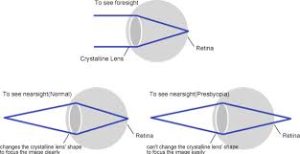
Presbyyopia and vision changes
Finding the best solution for preserving clear vision as you age can be facilitated by routine eye exams and consultations with an eye care specialist. Even if presbyopia is unavoidable, it doesn’t have to interfere with day-to-day functioning.
Symptoms;

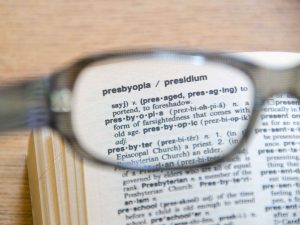
Presbyyopia and vision changes
The most noticeable sign of presbyopia is the need to hold reading material at arm’s length to see it clearly. Other symptoms include:
– Blurred vision when reading or looking at close objects
– Eye strain or headaches after tasks that require focusing up close
– Difficulty reading small print, especially in low light
Managing Presbyopia;
Fortunately, presbyopia is easy to manage. The most common solutions are:
For those with no other vision issues, simple over-the-counter reading glasses can be sufficient.
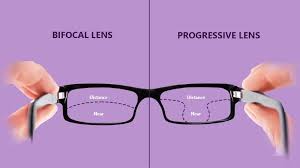
– Bifocals or Progressive Lenses:

Presbyyopia and vision changes
These lenses provide clear vision at multiple distances, making them ideal for individuals who need correction for both near and far sight.
– Contact Lenses:
Multifocal or monovision contact lenses can be an option for those who prefer not to wear glasses.
– Surgical Options:
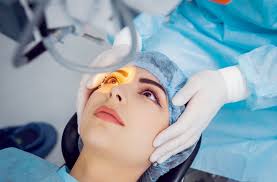

Procedures like LASIK or lens implants may help, but these come with considerations that should be discussed with an eye specialist.
Summary
Presbyopia, which usually affects adults over 40, is a natural, age-related deterioration in the eye’s capacity to focus on close objects. People must hold reading materials farther away because of blurred near vision brought on by the lens’s gradual hardening and loss of flexibility. Headaches, eye strain, and a craving for brighter light are typical symptoms.