Health
Prevention of Tick Bites


PREVENTION OF TICK BITES
Prevention of tick bites. When they are crawling on you, ticks are tiny insects that can be difficult to identify. Rocky Mountain spotted fever and Lyme diseases are two serious illnesses that can occasionally be transferred by tick bites. By using bug repellent, protecting your skin, and keeping an eye out for ticks on both you and your pets, you can lower your risk of getting bitten by one.
PREVENTION OF TICK BITES
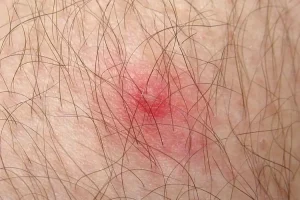
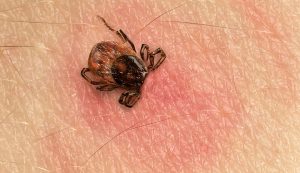
Areas on your skin where a tick has attached itself to you with its mouthparts are known as tick bites. This can occasionally result in a rash or mark. However, unless you capture the tick while it’s still attached, the bite is frequently undetectable. Tick bites can be dangerous because they can spread potentially serious diseases.
Signs

Alpha-gal syndrome is a red meat allergy brought on by a tick spit reaction.
Anaplasmosis Babesiosis
A viral infection known as Colorado tick fever can result in fever, aches in the muscles, and inflammation of the brain.
Ehrlichiosis, Heartland virus illness
The most prevalent tick-borne disease in the United States is Lyme disease. The Powassan virus
Causes
The following are possible signs of diseases brought on by tick bites:
fever, chills, sore muscles, Headaches and Fatigue
irritation or itching, Vomiting and feeling queasy
enlarged lymph nodes, An allergic response to red meat consumption
Treatment
Using a cotton ball soaked in warm, soapy water or rubbing alcohol, gently clean the area surrounding the tick.
Gently but firmly pinch the tick close to its head, as close to your skin as you can, using rounded-end tweezers. Avoid touching the tick with your hands or crushing its body as this could spread more germs throughout your body.
Make a note of the tick’s appearance or take a nice picture of it. Is it rounded (engorged) or flat? Does the rear of it have any markings? If at all possible, store it in a container. Your healthcare physician can use this information to determine how long the tick bit you and the likelihood that it spread illness.
Use soap and water to thoroughly wash the bite site.
Get in touch with your provider if you experience symptoms or if you don’t know how long the tick was attached.
Prevention


Steer clear of trees and tall grass: Don’t let your grass grow longer than five inches. When in woody areas, stay close to the middle of paths that have been cleared.
When using bug repellent, be careful to look for compounds like DEET, picaridin, IR3535, or others that have been approved to keep ticks away. Guides from organizations such as the Environmental Protection Agency (EPA) can assist you in selecting the best repellent for your needs.
Putting a covering on your skin: When you are in regions where ticks may be present, cover as much of your skin as you can with clothing. This covers socks, long sleeves, and long pants.
Summary
However, there are many positive aspects of spring and summer: Flowers blooming, trips, and the weather. No one wants to get bitten by a tick. Thankfully, tick bites can be avoided or detected early with a few easy practices. Don’t freak out if you discover a tick on yourself. If you have any concerns about whether you require treatment, carefully remove it and get in touch with your provider.