Food
Protein Sources

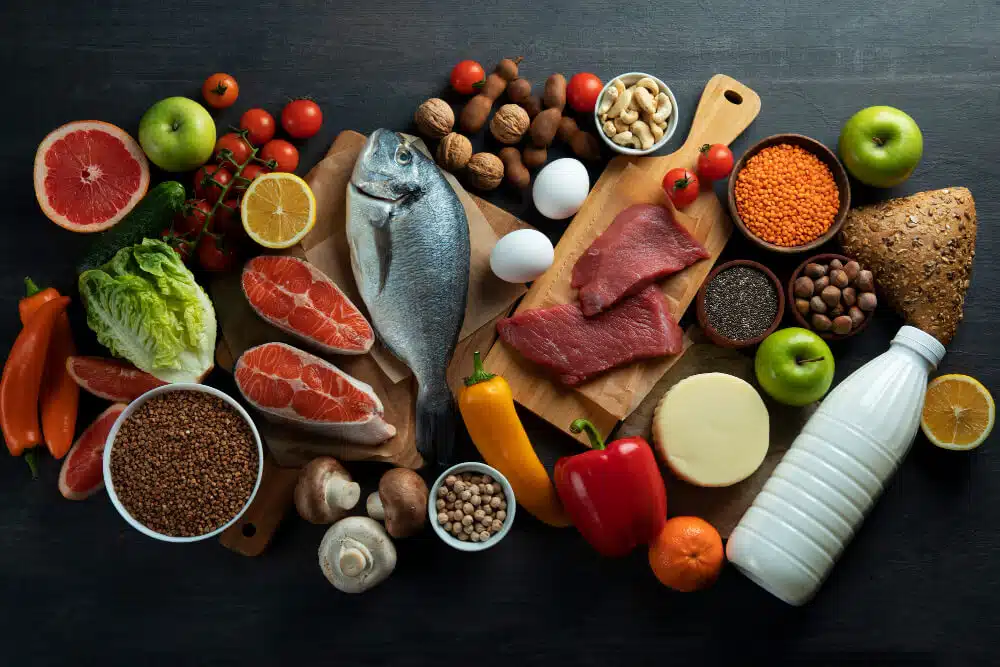
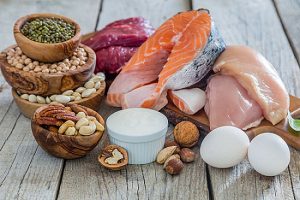
Protein sources. The building, mending, and regulation of the body’s tissues and organs depend on proteins, which are vital macromolecules composed of chains of amino acids. They are one of the three primary macronutrients and serve a number of purposes, such as hormones, enzymes, and structural elements. There are many different animal sources of protein, including meat, chicken, fish, and eggs, as well as plant sources, including soy, beans, nuts, and seeds.
PROTEIN SOURCES
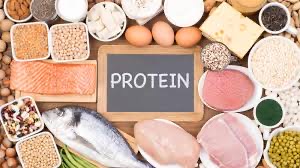
Lean meats, chicken, fish, eggs, dairy products, legumes (beans, peas, lentils), nuts, seeds, and soy products are just a few examples of the many different animal and plant-based foods that are considered protein sources. Eating a range of protein sources throughout the day is the best way to obtain a complete amino acid profile. Animal and plant sources both provide protein. Below, are some of the top foods high in protein:
1. Eggs;

We enjoy cooking with them, but what is the protein content of an egg? Approximately 6g of easily digestible protein can be found in one medium egg. A nutritious omelette is a great way to start the day and makes a satisfying post-workout snack.
2. Milk;

protein sources
Foods made from dairy are high in protein and include calcium, which helps to develop bones. Chocolate milk has long been considered the ideal post-workout recovery food due to its combination of fast- and slow-releasing whey and casein proteins, as well as energy-boosting carbs. A milk-based fruit smoothie, like this one with raspberries and cranberries, can have the same recuperation-enhancing benefits.
3. Yogurt;

Yogurt, which combines casein and whey protein, is a healthy source of protein. If you are lactose intolerant, it might be a good alternative because part of the lactose is eliminated, but if you have any concerns, speak with your healthcare provider.
4. Fish and seafood;

protein sources
Seafood and fish are often low in fat and high in protein. Salmon has a somewhat higher fat content than other fish, but it also contains heart-healthy omega-3 fatty acids, which help to relieve inflammation and stiffness in joints.
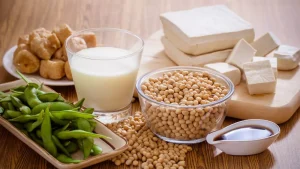
5. Soya;
protein sources
Eating foods high in soy protein, such as fortified tofu and soy-based beverages, can aid in the healing process if you are intolerant to dairy. They may also minimize the risk of heart disease and assist lower cholesterol.Eating foods high in soy protein, such as fortified tofu and soy-based beverages, can aid in the healing process if you are intolerant to dairy. They may also minimize the risk of heart disease and assist lower cholesterol.
6. Nuts and seeds;
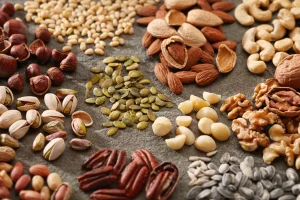
protein sources
If you’re always on the go, nuts and seeds make a convenient source of protein. About fifty pistachio nuts include six grams of protein along with potassium and salt, which are the electrolytes lost through perspiration during exercising. This quick snack or breakfast dish of pistachios and clementine-flavored couscous is delicious.
Summary
By using these animal-based protein sources in your diet, you may increase the diversity of your meals and obtain high-quality protein. Remember to consider your personal dietary needs and preferences while selecting animal-based proteins.




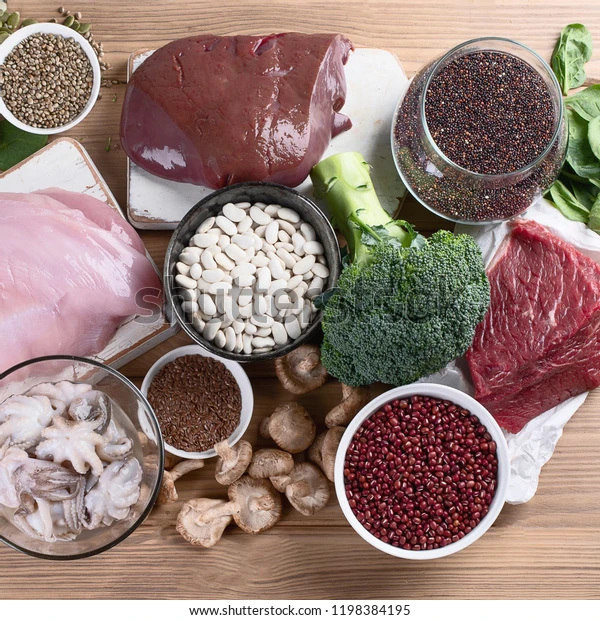
Liver Rich Foods. Incorporating liver into your diet can provide a strong boost to your nutritional intake, increasing different elements of health from energy levels to immune function. Despite its strong flavor, the health benefits of liver-rich dishes make them a worthwhile complement to a balanced diet. Enjoying liver can be an easy yet powerful approach to promote general well-being, whether through classic or contemporary culinary creations.
LIVER RICH FOODS
Liver, often described as a superfood, is one of the most nutrient-dense meals accessible. Including liver in your diet might give several health benefits due to its rich nutrient profile. Consuming meals high in liver is crucial for general health and wellbeing for the following five main reasons:
1. High in Essential Nutrients;

Liver is an excellent source of essential nutrients such as vitamin A, vitamin B12, iron, folate, and copper. Vitamin A supports vision, immune function, and skin health, while vitamin B12 is crucial for red blood cell formation and neurological function. Iron helps prevent anemia by promoting healthy red blood cells, and folate is vital for DNA synthesis and repair.
2. Boosts Energy Levels;
The high concentration of B vitamins, particularly B12 and riboflavin (B2), found in liver helps convert food into energy. These vitamins play a significant role in energy metabolism, ensuring that the body efficiently produces and utilizes energy, which can help reduce fatigue and improve overall vitality.
3. Supports Immune Function;
Liver Rich Foods
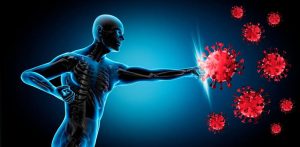
Liver is rich in vitamin A and zinc, both of which are essential for a robust immune system. Vitamin A enhances the function of white blood cells, which are crucial for fighting infections, while zinc plays a critical role in maintaining immune system function and wound healing.
4. Promotes Healthy Brain Function;
Liver contains high levels of choline, an essential nutrient that supports brain health and cognitive function. Choline is a precursor to acetylcholine, a neurotransmitter involved in memory and muscle control. Adequate choline intake is associated with improved cognitive performance and a lower risk of neurodegenerative diseases.
5. Improves Skin Health;

Liver Rich Foods
The abundance of vitamin A in liver contributes significantly to skin health. Vitamin A promotes cell turnover and helps maintain the integrity of the skin barrier, reducing the risk of acne and other skin conditions. Additionally, liver’s rich supply of collagen-promoting nutrients supports skin elasticity and can help reduce the appearance of wrinkles.
Summary
Some foods, such as berries, leafy greens, cruciferous vegetables like broccoli, cauliflower, and cabbage, and omega-3-rich fish like salmon, are especially beneficial for liver health because they contain antioxidants, aid in detoxification, or lower inflammation.
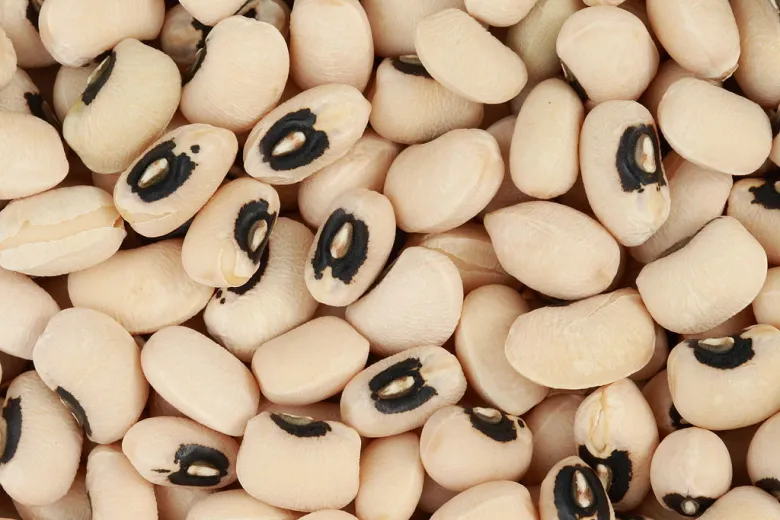
Nutritional Value of Black-eyed Beans. A nutrient-dense, adaptable legume with many health advantages is black-eyed beans. These beans are an important part of any diet, supporting everything from heart and digestive health to blood sugar regulation and weight control. By include black-eyed beans in your meals, you may enjoy their great flavor while enjoying the many health advantages they give.
NUTRITIONAL VALUE OF BLACK-EYED BEANS
A common ingredient in many international cuisines is black-eyed beans, sometimes referred to as black-eyed peas. These beans have a strong nutritious impact in addition to being delicious.
1. Rich in Nutrients;
These beans are a great source of essential nutrients. They provide a good amount of protein, fiber, and complex carbohydrates. Additionally, they are rich in vitamins and minerals such as folate, iron, potassium, and magnesium. These nutrients are vital for maintaining overall health and supporting bodily functions.
2. Promotes Digestive Health;
The high fiber content in black-eyed beans is excellent for digestive health. Dietary fiber helps to promote regular bowel movements, prevent constipation, and maintain a healthy digestive tract. Consuming a diet rich in fiber can also help reduce the risk of developing digestive disorders such as irritable bowel syndrome (IBS) and diverticulosis.
3. Supports Heart Health;

Nutritional Value of Black-eyed Beans
Black-eyed beans are beneficial for heart health in several ways. The fiber in these beans helps to lower cholesterol levels, which can reduce the risk of heart disease. Additionally, the potassium content in black-eyed beans helps to regulate blood pressure, further supporting cardiovascular health. The presence of antioxidants in these beans also helps to protect the heart by reducing inflammation and oxidative stress.
4. Aids in Blood Sugar Control;
For individuals with diabetes or those looking to manage their blood sugar levels, these beans are an excellent dietary choice. The complex carbohydrates and fiber in these beans help to slow down the absorption of sugar into the bloodstream, preventing spikes in blood sugar levels. This slow release of energy can help maintain steady blood sugar levels and provide sustained energy throughout the day.
5. Supports Weight Management;

Nutritional Value of Black-eyed Beans
Incorporating these beans into your diet can aid in weight management. The combination of protein and fiber helps to promote feelings of fullness and satiety, which can reduce overall calorie intake and prevent overeating. Additionally, black-eyed beans are low in fat and calories, making them a healthy and satisfying food choice for those looking to manage their weight.
Summary
Cooked black-eyed peas are a great source of folate, thiamine, iron, magnesium, manganese, phosphorus, zinc, and 484 kilojoules (116 kilocalories) of food energy per 100 grams.
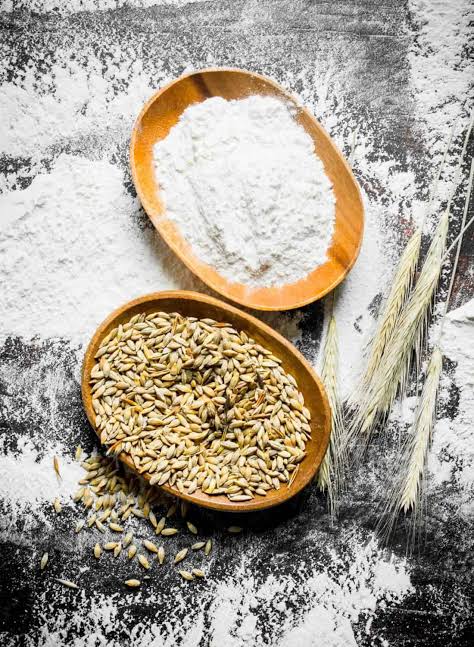
Barley Flour Nutritional value. One of the main cereal grains farmed in temperate regions of the world is barley, a member of the grass family. One of the earliest grains to be farmed, wheat was tamed in the Fertile Crescent in 9000 BC, giving it nonshattering spikelets and making harvesting much simpler. By 2000 BC, its use had expanded throughout Eurasia.
BARLEY FLOUR NUTTITIONAL VALUE
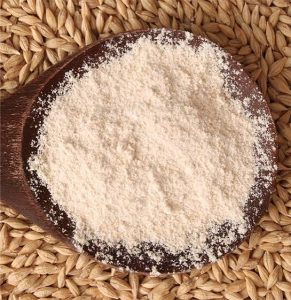
Barley flour is a nutritious, whole grain flour made from finely ground barley. Known for its mild, nutty flavor, it has gained popularity as a healthier alternative to traditional wheat flour in various baking applications.
Nutritional Benefits;
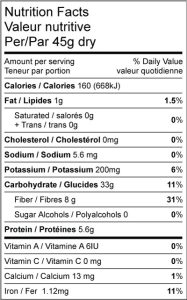
Barley flour is rich in dietary fiber, which supports digestive health and helps regulate blood sugar levels. It also provides essential nutrients, including protein, B vitamins, iron, and magnesium. These nutrients contribute to overall well-being and make barley flour a smart choice for health-conscious consumers.
Culinary Uses;

Barley Flour Nutritional value
Barley flour can be used in a variety of recipes, from breads and pancakes to muffins and cookies. While it can be used alone, it is often blended with other flours to improve texture and rise. Its unique flavor pairs well with both sweet and savory dishes, making it a versatile ingredient in the kitchen.
Health Benefits;
Barley Flour Nutritional value
Incorporating barley flours into your diet can offer numerous health benefits. Its high fiber content may help lower cholesterol levels, reduce the risk of heart disease, and promote satiety, making it a valuable addition for those managing weight. Additionally, barley’s low glycemic index makes it suitable for individuals with diabetes or those seeking to stabilize blood sugar levels.
Summary
Barley is a wholesome and adaptable ingredient that can improve your baking and support a healthy diet. The flour is a great option for both taste and nutrition, whether you’re trying something new in the kitchen or trying to get healthier. Accept this healthy grain and explore all of its delectable possibilities.

Nutritional Value of Mangoes

Spinach Nutritional Value

Liver Rich Foods

A Step-by-Step Guide to Deleting Reels on Instagram

A Comprehensive Guide to Setting Up a YouTube Premiere