Self esteem
Reasons behind low self esteem

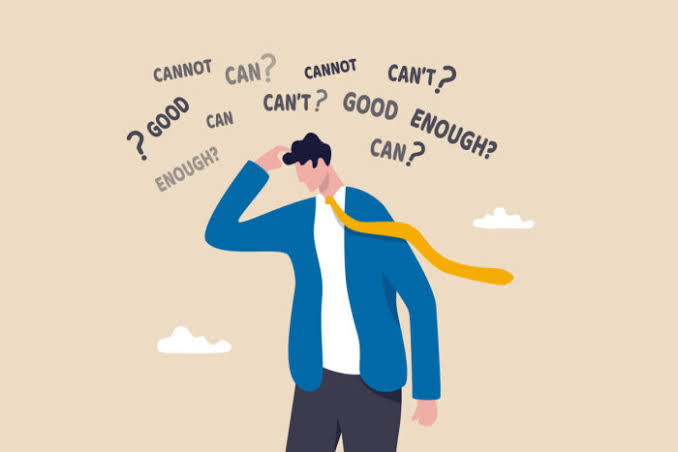
Reasons behind low self esteem. A person with low self-esteem typically believes they are unworthy. it basically means that you don’t think well of yourself. Low self-esteem can be caused by a variety of factors, such as your feeling of identity, competence, self-confidence, and belonging. A person with low self-esteem typically believes they are unworthy. it basically means that you don’t think well of yourself. Low self-esteem can be caused by a variety of factors, such as your feeling of identity, competence, self-confidence, and belonging.
REASONS BEHIND LOW SELF ESTEEM
Self esteem is subject to change both daily and moment to moment. There are moments when you have a strong sense of self worth and believe that nothing can ever defeat you. Soon after, unfavourable idea might start to fill your head. Perhaps after a fantastic post, you feel your confidence soar as you browse around social media, but it quickly wanes.
A variety of variables might contribute to a decline in your self esteem, such as people in your life, your surroundings, or your mentality. By identifying these issues, you can develop a plan if action to restore your self-esteem and increase your level of self awareness.
Abuse

Having challenging and abusive parental interactions as a child or adult can be detrimental to your selfesteem. According to research, one of the main causes of low self esteem is parental or other adult abuse, both physically and emotionally.
Mindset
Selfesteem is lowered by pessimistic attitude and fixed thinking since they fill your head with unfavorable ideas. Your confidence wanes when you’re reminded that you’re not good enough or that nothing good will happen to you.
Life Event:
Certain occurrences boost your confidence, while others depress it. Consider the scenario when you’re failing a few assignments in a challenging course at school. You begin berating yourself and thinking that your achievements are inadequate. Moving towns, changing employment, or receiving a diploma from school could all have an impact on you individually.
Social standards

Reasons behind low self esteem
Social standards: According to a study of first year college students, 65% of them focus their sense of value on how they look. Your selfesteem might drop at any time due to outside factors like body image and other people’s approval, and it may be challenging to get back.
Goal setting
Establishing objective is fantastic as long as you do it correctly. When you establish unrealistic and unachievable objectives for yourself, you’ll feel bad about yourself when you don’t meet them. Your self esteem suffers, even if those objectives weren’t really attainable in the first place.
What are the effects of low self-esteem?
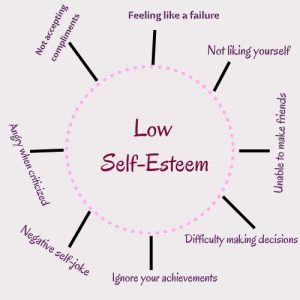
Reasons behind low self esteem
Your mental health may suffer if you don’t think well of yourself. Regular self talk that is detrimental to your mental health. Individuals who have low self -esteem are harsh on themselves. They struggle to move past setbacks and errors. People may isolate themselves as a result in an effort to preserve their self-worth.
Summary
Extreme self-criticism, trouble accepting praise, and a lingering dread of failing are indicators of poor self-esteem. People who have poor self-esteem generally make unfavorable comparisons to others, find it difficult to communicate their own needs, and frequently credit luck rather than their own skills for their accomplishments


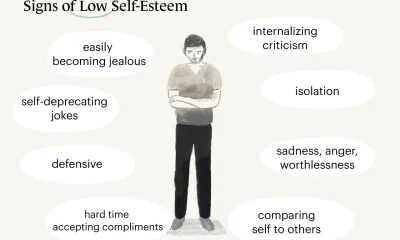

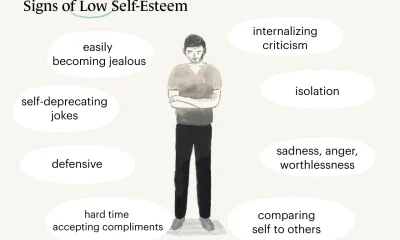

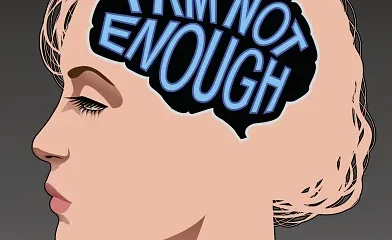

Tips for Building Self-Esteem. Your self-esteem is your subjective assessment of your total value or worth. Like self-respect, it conveys your level of confidence in your abilities and attributes. Your drive, mental stability, and overall quality of life can all be enhanced by having a strong sense of self-worth. Conversely, very high or low self-esteem could be harmful. Finding the right balance may be made easier if you have a better understanding of your personal self-esteem level.
TIPS FOR BUILDING SELF-ESTEEM
Confronting negative self-talk, establishing modest but attainable objectives, engaging in self-compassion exercises, and adopting proactive measures as opposed to avoiding difficulties. Developing a more positive self-image is a slow process that calls for perseverance and regular daily routines.
Why is Self-Esteem Important;

Building Self-Esteem
Your relationships, emotional health, decision-making process, and general well-being are all impacted by your sense of self-worth. It also affects motivation because individuals who have a healthy, positive self-image are aware of their potential and may be motivated to take on new tasks
Ways to Build Self-Esteem;
1. Treat yourself with kindness.
2. Learn about who you are. Take your happiness and your values in life, for instance. Writing this down in a journal could be beneficial for you.
3. Make an effort to refute negative notions about oneself. You may instantly be critical of yourself. It can be helpful to ask yourself, “Would I talk to a friend in this way ” if you catch yourself doing this.

Building Self-Esteem
4. Make an effort to find the good. Honor your accomplishments. Take some time today to give yourself some self-love, no matter how little. This could involve doing some cleaning or going for a walk outside.
5. Create a network of support Speak to a reliable person. It helps to have someone listen to you and express their concern. If you find it difficult to confide in a loved one,
Summary
Your entire perception of your own value, worth, and skills is known as self-esteem. It influences how you view yourself, deal with difficulties, and interact with other people. A good sense of self-worth is being kind to yourself, accepting of your imperfections, and respecting your own needs.
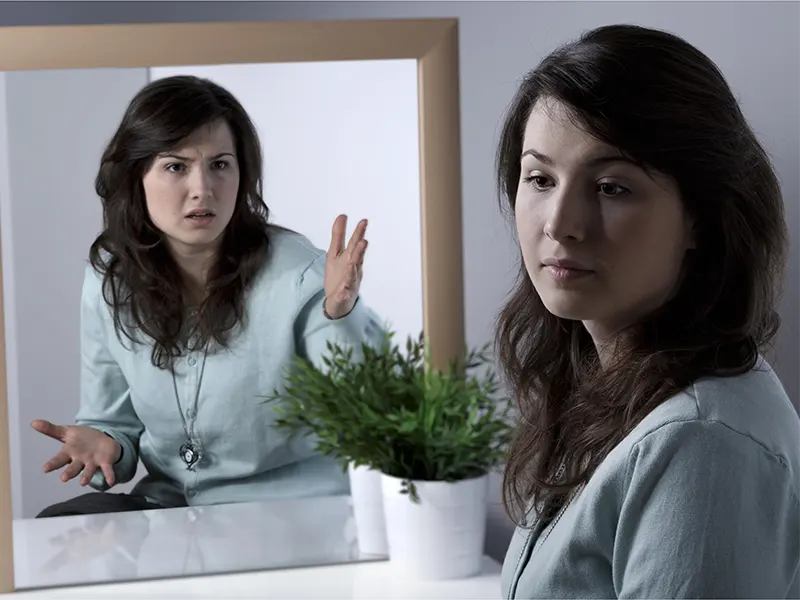
Side effects of low self esteem. The propensity to have extremely unfavorable opinions about your own value, skills, or lovability is known as low self-esteem. It significantly affects your willingness to pursue goals, how you allow others to treat you, and your general mental health.Recognizing its symptoms and putting practical, research-based coping mechanisms into practice are essential to comprehending and overcoming low self-esteem.
SIDE EFFECTS OF LOW ESTEEM
Your total subjective perception of your own value and worth is your self-esteem. It includes your self-respect, your confidence in your skills, and how you view your shortcomings and achievements. Good relationships, motivation, and overcoming obstacles in life all depend on having a healthy sense of self-worth.
What can lower self-esteem?

Self esteem is subject to change both daily and moment to moment. There are moments when you have a strong sense of self worth and believe that nothing can ever defeat you. Soon after, unfavourable idea might start to fill your head. Perhaps after a fantastic post, you feel your confidence soar as you browse around social media, but it quickly wanes.
A variety of variables might contribute to a decline in your self esteem, such as people in your life, your surroundings, or your mentality. By identifying these issues, you can develop a plan if action to restore your self-esteem and increase your level of self awareness.
Abuse
Having challenging and abusive parental interactions as a child or adult can be detrimental to your selfesteem. According to research, one of the main causes of low self esteem is parental or other adult abuse, both physically and emotionally.
Mindset
Selfesteem is lowered by pessimistic attitude and fixed thinking since they fill your head with unfavorable ideas. Your confidence wanes when you’re reminded that you’re not good enough or that nothing good will happen to you.
Life Event:

Side effects of low self esteem
Certain occurrences boost your confidence, while others depress it. Consider the scenario when you’re failing a few assignments in a challenging course at school. You begin berating yourself and thinking that your achievements are inadequate. Moving towns, changing employment, or receiving a diploma from school could all have an impact on you individually.
Social standards
Social standards: According to a study of first year college students, 65% of them focus their sense of value on how they look. Your selfesteem might drop at any time due to outside factors like body image and other people’s approval, and it may be challenging to get back.
Goal setting

Side effects of low self esteem
Establishing objective is fantastic as long as you do it correctly. When you establish unrealistic and unachievable objectives for yourself, you’ll feel bad about yourself when you don’t meet them. Your self esteem suffers, even if those objectives weren’t really attainable in the first place.
What are the effects of low self-esteem?
Your mental health may suffer if you don’t think well of yourself. Regular self talk that is detrimental to your mental health. Individuals who have low self -esteem are harsh on themselves. They struggle to move past setbacks and errors. People may isolate themselves as a result in an effort to preserve their self-worth.
Summary
A vicious cycle of self-doubt and pessimism is brought on by low self-esteem. Its adverse repercussions are extensive and frequently lead to mental health issues like anxiety or melancholy, relational problems brought on by a fear of being abandoned, and a lack of fortitude in the face of adversity.
Tips for self esteem improvement. Developing self-esteem entails making deliberate, regular changes to your self-perception. Challenging your inner critic, defining your unique beliefs, acknowledging little victories, venturing outside of your comfort zone, and placing a high priority on self-care are all essential tactics. Over time, the proof of your own behavior gives you true confidence.
TIPS FOE SELF ESTEEM IMPROVEMENT
Your total subjective perception of your own value and worth is your self-esteem. It includes your self-respect, your confidence in your skills, and how you view your shortcomings and achievements. Good relationships, motivation, and overcoming obstacles in life all depend on having a healthy sense of self-worth.
1. Write out a list of things you admire about yourself;
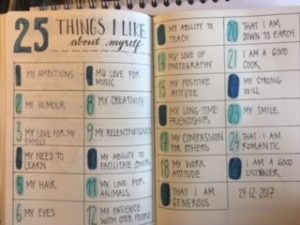
It can be difficult, even uncomfortable, to take a seat and consider our positive qualities. However, you can enhance your self talk by praising your abilities or positive aspects yourself. Consider keeping a journal of your accomplishments that you found inspiring or enjoyable. Keeping gratitude notebook can also greatly enhance your perspective on life and help you identify your blessings.
2. Stop being a people pleaser;
Individuals who have low self esteem may feel pressured to grant requests. They frequently prioritize the emotional health of others before their own. Being easily overwhelmed at work or in your personal life can result from this. This in turn leads to a great deal of tension.
3. Step outside your comfort zone;

Low self esteem makes people shy away from chances and challenges. Fears or self doubt may be cause of this. However, any kind of success, no matter how tiny, demonstrates to yourself that you are capable of enduring difficult times.
4. Stop comparing yourself to others;
The success of other people shouldn’t affect your own development or sense of value. Even if there will always be someone who is better than you at something, it doesn’t mean you’re not competent or good enough at what you do.
5. Forgive yourself for your past thoughts;

Tips for self esteem improvement
You must be willing to forgive yourself for past self treatment as you strive to improve your self-esteem. Without acknowledging that you used to be serve judge of both yourself and other people, you cannot continue on your path of improvement. It’s difficult to kick the habit.
6. Set boundaries in your relationships;
Think about the boundaries you have established for your personal and work lives. If you want to feel better about yourself, you need to understand your limits and how they align with your values.
7. Celebrate your wins;

Tips for self esteem improvement
There are many different kind of victories, and each one should be honored. Have you engaged in any constructive self-talk lately? have you overcome a fear or cast aside some unfavorable beliefs? Embrace and acknowledge those sentiments of pride and confidence. It will boost your self assurance and demonstrate to you how improving your self worth makes you feel more at ease in your own skin.
8. Let go of negative people;
Letting go of bad ideas is one thing, but have you given any attention to letting go or negative people? Your attitude and sense of self worth are greatly influenced by the individuals you choose to surround yourself with.
Summary
Your mental and emotional health are based on your sense of self-worth. It determines how you value yourself, deal with stress, and overcome obstacles in life.

Earth Frozen Frontiers

Natural Majestic Wonders

Daily Life Hacks

A Step-by-Step Guide to Deleting Reels on Instagram

A Comprehensive Guide to Setting Up a YouTube Premiere