Health
Relieves for Actinic keratosis

Relieves for Actinic keratosis. It is a condition that can be controlled with the right care and precautions. To guaranty proper care, speak with a healthcare professional if you observe any strange skin changes.
RELIEVES FOR ACTINIC KERTOSIS
Actinic keratosis (AK) is a common skin condition resulting from long-term exposure to ultraviolet (UV) light, primarily from the sun. It is characterized by rough, scaly patches on the skin that can vary in color from pink to red and may sometimes appear tan or brown.
Causes;
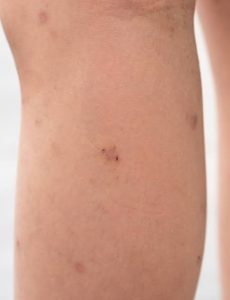

The primary cause of actinic keratosis is prolonged sun exposure. UV rays damage the skin cells, leading to the formation of these precancerous lesions. People with fair skin, light hair, and eyes are at higher risk, especially if they have a history of sunburns or excessive sun exposure.
Symptoms;
Actinic keratosis typically appears as small, dry, scaly patches on sun-exposed areas of the skin, such as the face, ears, neck, scalp, and backs of the hands. These patches might be itchy or tender and can vary in size. In some cases, they can become inflamed or bleed.
Diagnosis;
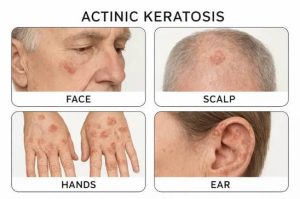

A dermatologist can usually diagnose actinic keratosis through a physical examination of the skin. In some cases, a skin biopsy may be performed to confirm the diagnosis and rule out skin cancer.
Treatment;
Treatment options for actinic keratosis aim to remove the lesions and prevent further skin damage. Common treatments include:
– Topical Medications: Creams or gels like 5-fluorouracil (5-FU) or imiquimod help destroy abnormal cells.
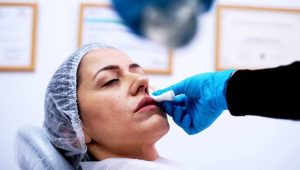
– Cryotherapy:

Relieves for Actinic keratosis
Liquid nitrogen is applied to freeze and destroy the lesions.
• Curettage and Electrodessication: The lesion is scraped off and then treated with electrical currents to remove any remaining abnormal cells.
• Laser Therapy: Lasers target and remove actinic keratosis lesions.
Prevention;

Relieves for Actinic keratosis
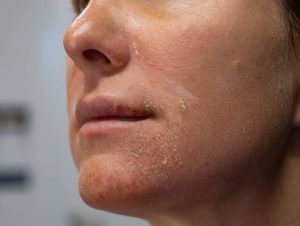
Preventing actinic involves minimizing sun exposure by using sunscreen, wearing protective clothing, and avoiding tanning beds. Regular skin checks with a dermatologist are also crucial for early detection and management of any new or changing skin lesions.
Summary
In order to prevent rough, sun-damaged skin spots from developing into skin cancer, actinic keratosis can be treated with prescription skin creams, freezing, or light therapy, depending on the number of spots.