Health
Risk Factors of Kidney Stones

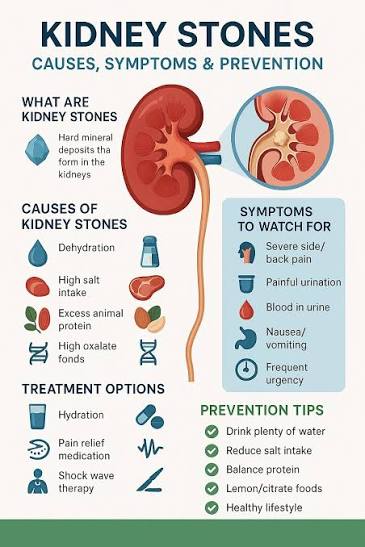
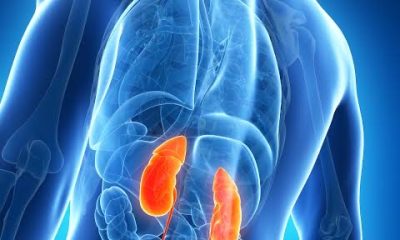
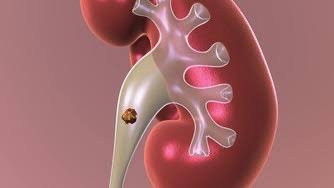
Risk Factors of Kidney Stones. Hard, mineral-rich deposits called kidney stones can develop in the kidneys and lead to serious Risk Factors of Kidney Stones. Hard, mineral-rich deposits called kidney stones can develop in the kidneys and lead to serious discomfort and health problems. These stones range in size from a golf ball to a grain of sand. Kidney stone problems can be avoided with early diagnosis and effective treatment. Seeking medical help is crucial for successful treatment and alleviation if you have symptoms that could indicate kidney stones.
RISK FACTORS OF KIDNEY STONES
Dehydration (not drinking enough water), diets heavy in animal protein, sugar, and sodium, obesity, and a family or personal history of kidney stones are important risk factors. Risk is further increased by some digestive disorders, weight-loss procedures, and drugs (such as calcium-based antacids and diuretics).
Causes;

1. Dehydration: Insufficient fluid intake leads to concentrated urine, increasing the likelihood of stone formation.
2. Diet: High intake of salt, sugar, and foods rich in oxalates (such as spinach and nuts) can contribute to stone formation.
3. Genetic Factors: A family history of kidney stones can predispose individuals to develop them.
4. Medical Conditions: Conditions such as hyperparathyroidism, urinary tract infections, or certain metabolic disorders can increase stone risk.
5. Medications: Certain drugs, including diuretics and antacids containing calcium, can influence stone formation.
Symptoms;
Risk Factors of Kidney Stones
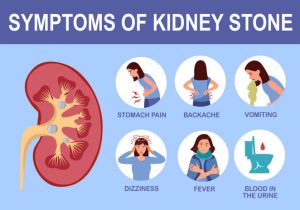
– Severe pain in the back or side, often radiating to the lower abdomen or groin
– Painful urination or blood in the urine
– Frequent need to urinate or feeling of urgency
– Nausea or vomiting
– Cloudy or foul-smelling urine
Treatment and Management;
1. Hydration: Increasing water intake helps to flush out smaller stones and prevent new ones from forming.
2. Medications: Pain relievers and medications to help dissolve or manage the stones may be prescribed.
3. Dietary Changes: Reducing intake of high-oxalate foods, salt, and animal protein can help prevent stone formation.
4. Medical Procedures: For larger stones that cannot pass on their own, procedures such as shock wave lithotripsy, ureteroscopy, or, in rare cases, surgery may be necessary.
5. Lifestyle Adjustments:

Risk Factors of Kidney Stones
Regular exercise and maintaining a healthy weight can contribute to overall kidney health.
Summary
When urine becomes too concentrated, kidney stones—hard, solid deposits of salt and minerals—form inside the kidneys. They can result in blood in the urine, nausea, vomiting, and excruciating, cramping pain in the side and back that extends to the groin.







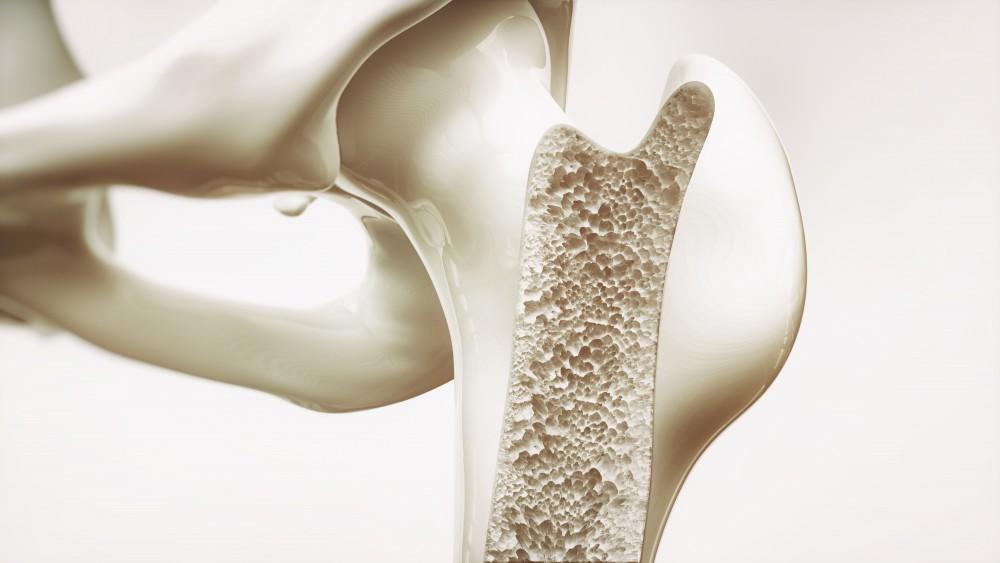
Tips for Bone Health. Including a range of physical activities in your routine is essential for maintaining bone health and avoiding disorders related to bones. Strong, healthy bones can be maintained throughout weight-bearing workouts, strength training, balance and flexibility exercises, and high-impact exercises. You may promote your skeletal health and general well-being by maintaining an active lifestyle and participating in bone-strengthening activities.
TIPS FOR BONE HEALTH
For general health and quality of life, maintaining strong and healthy bones is crucial. One of the best strategies to support bone health and lower the risk of diseases like osteoporosis is to engage in regular physical exercise. The following essential exercises can strengthen and support your bones:
1. Weight-Bearing Exercises;

Weight-bearing exercises, which involve working against gravity, are particularly beneficial for bone health. Activities such as walking, jogging, hiking, and dancing help stimulate bone formation and maintain bone density. These exercises apply stress to the bones, prompting them to become stronger and more resilient.
2. Resistance Training;
Resistance training, or strength training, involves using weights or resistance bands to build muscle strength. Exercises like weightlifting, squats, and lunges not only strengthen muscles but also help enhance bone density by stimulating bone-forming cells. Aim to include resistance training exercises in your routine at least twice a week.
3. Balance and Flexibility Exercises;

Tips for Bone Health
Incorporating balance and flexibility exercises into your routine can help prevent falls and fractures, which are particularly important as we age. Activities such as yoga and tai chi improve balance, coordination, and flexibility, reducing the risk of falls that can lead to bone injuries.
4. High-Impact Activities;
High-impact activities, like running and jumping exercises, promote bone health by increasing bone density and strength. These activities are particularly beneficial for younger individuals but should be approached with caution by older adults or those with existing bone conditions.
5. Daily Activities;

Tips for Bone Health
Even everyday activities can contribute to bone health. Gardening, carrying groceries, and playing sports like tennis or basketball incorporate weight-bearing and resistance elements that support bone strength.
Summary
Eat meals high in calcium and vitamin D, engage in weight-bearing activities, maintain a healthy body weight, and abstain from smoking and excessive alcohol consumption to maintain strong bones and reduce the risk of bone loss.

Analysis of Neurological Conditions. A wide variety of problems involving the brain, spinal cord, and nerves are referred to as neurological ailments. Numerous elements of body functions, such as mobility, sensation, cognition, and autonomic systems, might be affected by these diseases. It is essential to comprehend these disorders in order to diagnose, treat, and manage them effectively.
ANALYSIS OF NEUROLOGICAL CONDITIONS
Additionally, neurological illnesses accounted for 16.6 million disability-adjusted life years (DALYs), making them the primary cause of impairment in the country. Tension-type headache, migraine, and diabetic neuropathy were the most common disorders, demonstrating how frequently neurological symptoms appear in day-to-day life.
Types;
1. Stroke: A stroke occurs when blood flow to a part of the brain is interrupted, leading to brain cell damage. This can result in sudden loss of abilities such as speech, movement, or cognition, depending on the affected brain region.
2. Parkinson’s Disease: Parkinson’s disease is a progressive disorder characterized by tremors, rigidity, and bradykinesia (slowness of movement). It results from the degeneration of dopamine-producing neurons in the brain.
3. Multiple Sclerosis: MS is an autoimmune condition where the immune system attacks the protective covering of nerve fibers, leading to a wide range of symptoms including muscle weakness, vision problems, and difficulty with coordination.
4. Alzheimer’s Disease:

Alzheimer’s disease is a progressive neurodegenerative disorder that causes memory loss, cognitive decline, and changes in behavior. It is the most common form of dementia.
5. Epilepsy: Epilepsy is characterized by recurrent seizures caused by abnormal electrical activity in the brain. Seizures can vary from brief lapses in awareness to intense convulsions.
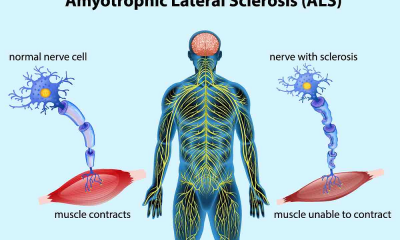
6. Amyotrophic Lateral Sclerosis: ALS, also known as Lou Gehrig’s disease, is a progressive neurodegenerative disease that affects motor neurons, leading to muscle weakness, paralysis, and ultimately, respiratory failure.
Symptoms and Diagnosis;
Neurological conditions present a diverse array of symptoms, including but not limited to:
– Motor Symptoms: Such as tremors, muscle weakness, or loss of coordination.
– Cognitive Symptoms: Including memory loss, difficulty concentrating, or impaired judgment.
– Sensory Symptoms: Like numbness, tingling, or altered sensations.
– Autonomic Symptoms: Affecting involuntary functions such as blood pressure regulation or digestion.
Diagnosing neurological conditions often involves a combination of medical history, physical examinations, and advanced diagnostic tools such as MRI, CT scans, and electroencephalograms (EEGs).
Treatment and Management;

Analysis of Neurological Conditions
Treatment for neurological conditions varies depending on the specific disorder but may include:
– Medications: To manage symptoms or slow disease progression.
– Physical Therapy: To improve movement, coordination, and strength.
– Occupational Therapy: To assist with daily activities and improve quality of life.
– Surgical Interventions:

Analysis of Neurological Conditions
In some cases, surgery may be necessary to address specific issues or alleviate symptoms.
Supportive care, including counseling and lifestyle modifications, is also important for managing the impact of neurological conditions on daily life.
Summary
Numerous facets of health and wellbeing are impacted by the complex and diverse range of neurological disorders. For those with these diseases, early identification and a multidisciplinary approach to therapy can greatly improve outcomes and quality of life.

Healthy Living Tips. At this extreme point, we began working from home, staying away from college, and avoiding social contact with as many people as we could. When we stay at home and only eat things that have been in our refrigerator or cupboard for a while, we are temporarily embracing a sedentary lifestyle. We are more likely to experience stress, anxiety, depression, overeating, and sitting as a result.
HEALTHY LIVING TIPS
In particular, many of us may gain weight during the pandemic and may not lose it, increasing our risk of developing type 2 diabetes, hypertension, heart attacks, strokes, and other conditions. Focusing on fundamental daily routines like eating balanced meals, exercising, and getting enough sleep makes leading a healthy lifestyle easy.
What is Healthy Living?

Everyone should lead a healthy lifestyle at every stage of life, including pregnancy. A healthy body and mind are the outcome of making decisions related to healthy living. Being well entails not being ill. In general, eating a balanced diet and getting regular exercise can help someone maintain a healthy lifestyle. The body needs nutrition in order to function correctly. Food contains proteins, carbs, fats, minerals, vitamins, and water among other nutrients. Fruits, vegetables, and whole grains are a few foods that are high in nutrients. High blood pressure, diabetes, obesity, and other health problems can result from a diet that either excludes too many good foods or contains too many bad ones
Healthy Tips;
1. Calculate and Monitor Your Weight;

Monitoring your body weight on a daily or weekly basis can enable you to observe any weight increase or loss.
2. Consume Healthy Meals and Minimize Junk Food;
Breakfast should always be had, and it should be a healthy meal with less fat, sugar, and calories and more protein and fiber. Please check out the following for more details on foods that help you lose weight and nutritional advice.
3. Consume multivitamin supplements;

Healthy Living Tips
It’s a good idea to take a daily multivitamin supplement to ensure you are getting enough nutrients, especially if you don’t have a variety of fruits and vegetables at home. health benefits.
Summary
Living a healthy lifestyle entails taking good care of your body and mind on a regular basis. It improves your mood, gives you more energy, and reduces your chance of developing chronic illness. Eating a healthy diet, exercising, drinking enough of water, and getting enough sleep are all important steps.

Earth Frozen Frontiers

Natural Majestic Wonders

Daily Life Hacks

A Step-by-Step Guide to Deleting Reels on Instagram

A Comprehensive Guide to Setting Up a YouTube Premiere