History
The Roman Empire


The Roman Empire originated from the city-state of Rome in the 8th century BCE and evolved from a monarchy to a republic in 509 BCE. It expanded through military conquests, eventually becoming an empire. The Roman Republic faced internal conflicts, leading to the rise of Julius Caesar, who crossed the Rubicon River in 49 BCE, sparking a civil war. Caesar’s successor, Augustus, became the first Roman Emperor in 27 BCE, marking the beginning of the Roman Empire. The empire endured for centuries, facing various challenges, until its fall in 476 CE.
The Roman Empire, at its height, spanned three continents—Europe, Africa, and Asia. It was the largest empire in ancient history, covering around 2.2 million square miles. 
The Empire had a significant impact on governance, law, architecture, engineering, and culture. It established a vast network of roads, such as the famous Appian Way, and aqueducts for water supply. Roman law, exemplified by the Justinian Code, has influenced modern legal systems. The empire embraced diverse cultures, incorporating Greek philosophy, art, and mythology.

Augustus
Notable emperors include Augustus, known for consolidating power; Trajan, who expanded the empire to its greatest territorial extent; and Marcus Aurelius, a philosopher-emperor. Their decline was influenced by internal strife, economic challenges, invasions, and the eventual split into the Western Roman Empire and the Eastern Roman Empire (Byzantine Empire). The Western Roman Empire fell in 476 CE, while the Byzantine Empire endured until 1453 CE.
Fun fact about the Roman Empires
Did you know that Romans used urine as a cleaning agent? They believed the ammonia in urine could help whiten their clothes, and some even used it as a mouthwash.
Stay tuned for more fun facts.



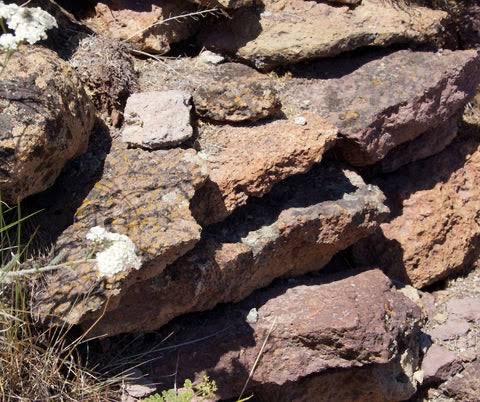
Stones have captivated human fascination for centuries, serving not only as adornments but also for their mystical properties.
Here are five wonder stones known for their beauty and believed metaphysical powers:
1. Amethyst
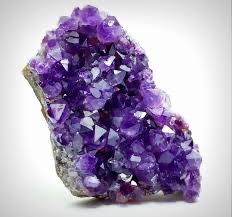
Known for its stunning purple hue, amethyst is often associated with spiritual growth and protection. It’s believed to calm the mind, enhance clarity, and support emotional healing, making it a favorite for those seeking balance and inner peace.
2. Rose Quartz

This soft pink crystal is known as the “stone of love.” It’s believed to promote unconditional love, compassion, and emotional healing, making it a popular choice for enhancing relationships and self-love.
3. Lapis Lazuli

An ancient stone admired for its deep blue color, lapis lazuli symbolizes wisdom, truth, and royalty. It’s often used to enhance intellectual abilities and self-awareness, fostering a connection between the mind and spirit.
4. Tiger’s Eye
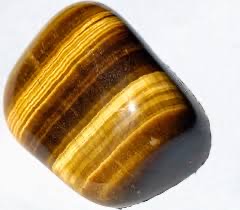
With its golden-brown stripes, tiger’s eye is considered a protective stone. It is believed to help with grounding and courage, empowering the wearer to remain focused and confident, especially in challenging situations.
5. Citrine
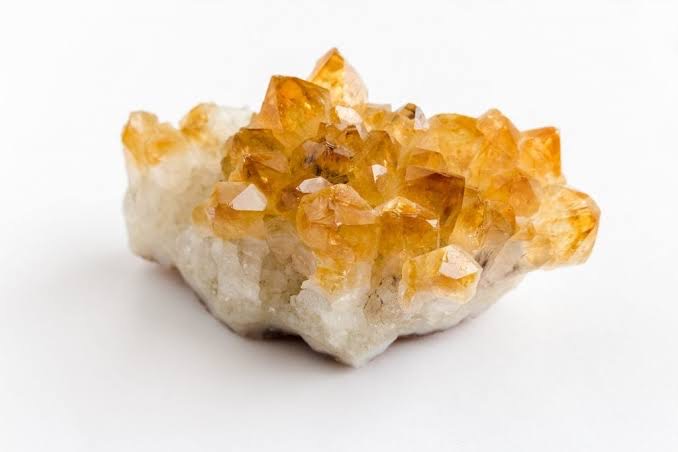
Known as the “merchant’s stone,” citrine is famed for attracting prosperity and success. Its bright yellow hue is believed to bring joy, clarity, and positive energy, making it a symbol of abundance and motivation.
These stones, revered for their beauty and energy, offer both aesthetic appeal and a connection to ancient beliefs in their healing and protective properties.
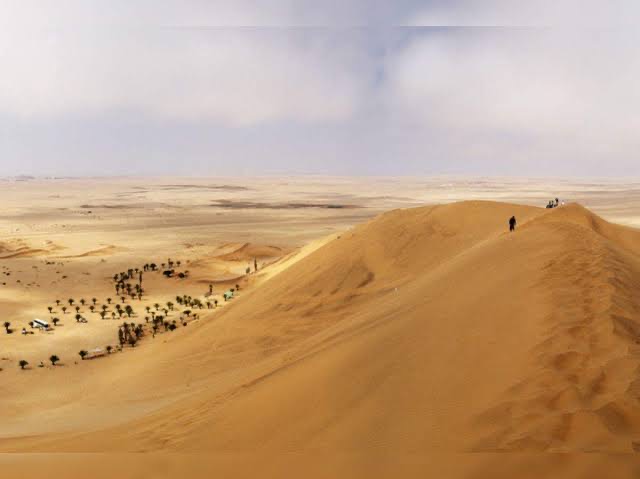
Deserts are often perceived as barren wastelands, but their stark beauty and extreme environments offer some of the most awe-inspiring landscapes on Earth. From the endless sands of the Sahara to the rugged terrain of Wadi Rum, here are some of the world’s most breathtaking deserts that captivate the imagination and showcase the resilience of life in the harshest conditions.
1. Sahara Desert: A Majestic Sea of Sand

Stretching over 9 million square kilometers across North Africa, the Sahara Desert is the largest hot desert in the world. Its expansive landscape features towering sand dunes, rugged mountains, and ancient oases. Iconic sights include the undulating dunes of Erg Chebbi and the dramatic rock formations of Tassili n’Ajjer. Despite its harsh climate, the Sahara is home to a variety of life, including resilient plants and animals adapted to its extreme conditions. The Sahara’s vastness and diverse landscapes make it a truly majestic destination.
2. Atacama Desert: Earth’s Driest Place
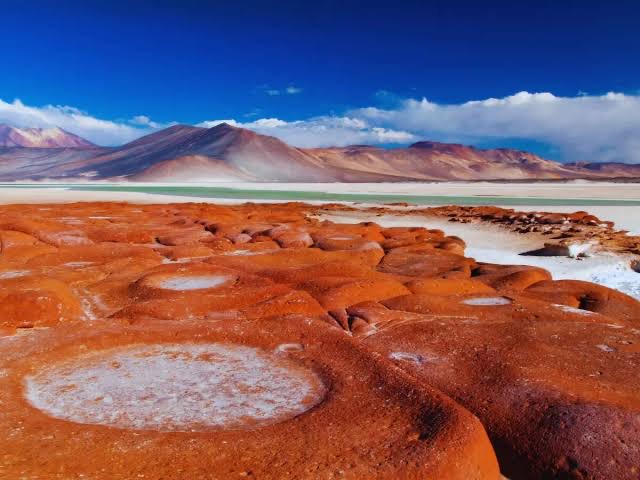
Located in northern Chile, the Atacama Desert is known as the driest desert on Earth. Some areas have seen no rainfall for decades. This arid landscape is characterized by its salt flats, volcanic formations, and the otherworldly Valle de la Luna. The Atacama’s minimal light pollution provides an excellent vantage point for stargazing, making it a hub for astronomical research. Despite its dry conditions, the Atacama supports a surprising array of life, including unique flora and migratory birds that thrive in this seemingly inhospitable environment.
3. Namib Desert: Ancient Sands and Unique Wildlife
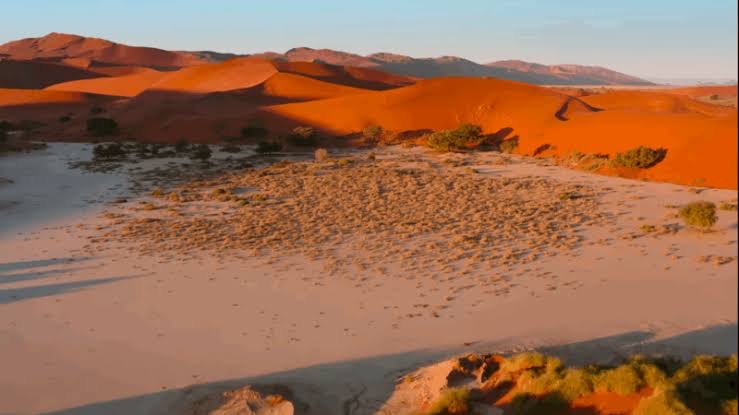
The Namib Desert, one of the world’s oldest deserts, is located in Namibia and boasts some of the highest sand dunes globally. The famous Dune 45 and the striking red sands of Deadvlei create a surreal and picturesque landscape. The Namib is not only known for its stunning vistas but also for its unique wildlife. Desert-adapted elephants and oryx have evolved to survive the harsh conditions, showcasing nature’s incredible adaptability. The Namib Desert’s ancient sands and distinctive flora and fauna make it a fascinating place to explore.
4. Wadi Rum: The Valley of the Moon

In southern Jordan lies Wadi Rum, also known as the Valley of the Moon. This protected desert wilderness is renowned for its dramatic sandstone mountains, narrow canyons, and ancient petroglyphs. Its surreal landscape has served as a backdrop for films such as “Lawrence of Arabia” and “The Martian.” Visitors to Wadi Rum are treated to a landscape of vibrant red sand and striking rock formations, providing an otherworldly experience. The traditional Bedouin tribes living in the area add a cultural dimension to this already mesmerizing desert.
5. Great Victoria Desert: Australia’s Vast Expanse
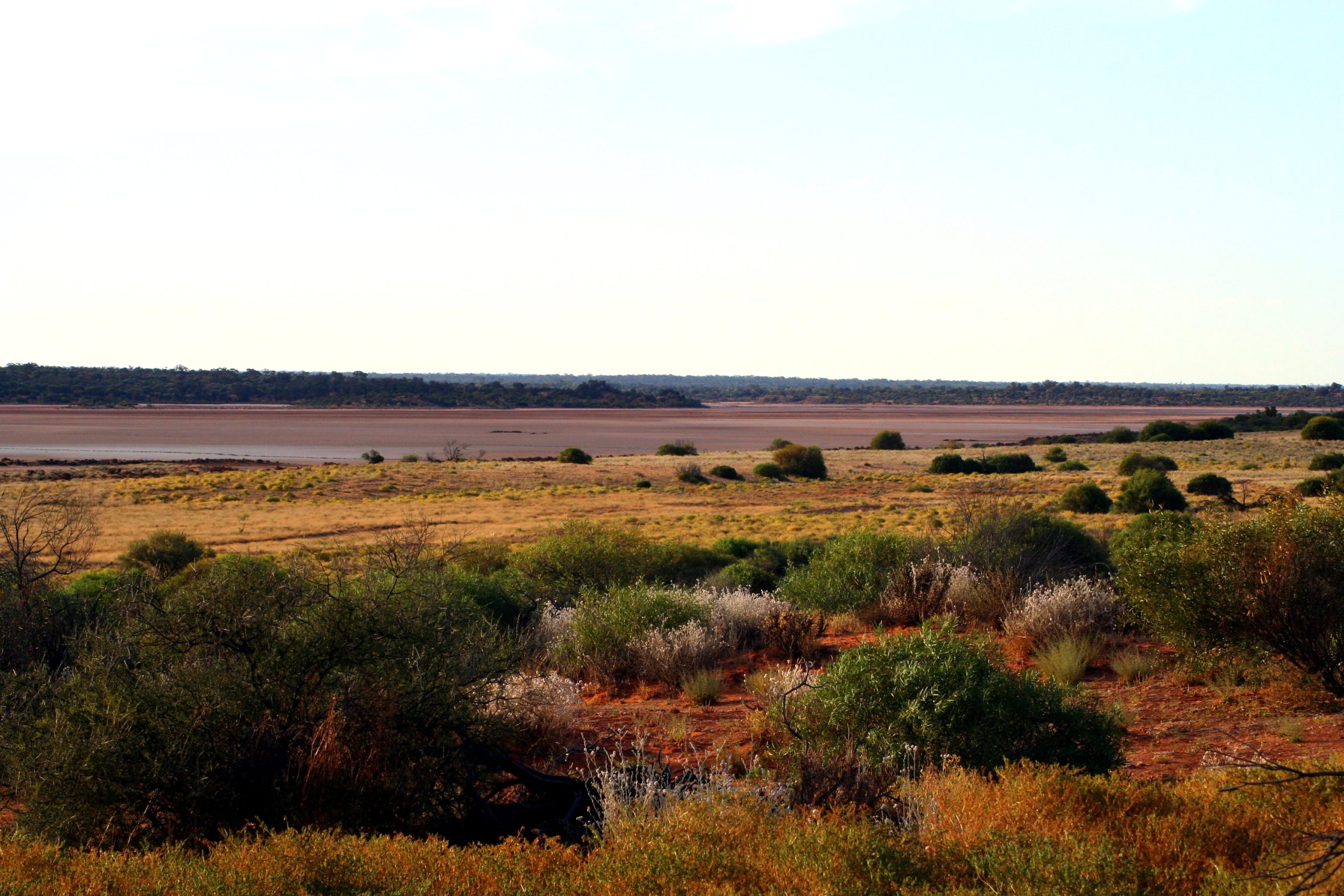
Australia’s Great Victoria Desert spans South Australia and Western Australia, making it the largest desert in Australia. It features extensive sand plains, salt lakes, and sparse vegetation. The Great Victoria Desert is home to a variety of wildlife, including kangaroos, dingoes, and numerous bird species. The flora and fauna here have adapted to survive the desert’s extreme conditions, demonstrating nature’s resilience. The desert’s vast expanse and unique ecosystem make it an intriguing destination for those seeking adventure and natural beauty.
These deserts, with their unique landscapes and resilient ecosystems, offer a glimpse into the awe-inspiring extremes of our planet. Whether you’re captivated by the Sahara’s vast dunes or the surreal beauty of Wadi Rum, these deserts remind us of the incredible diversity and adaptability of life in even the harshest environments.
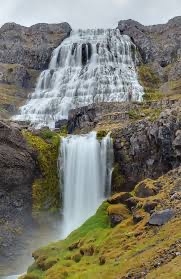
Waterfalls are among the most awe-inspiring natural wonders on Earth, captivating visitors with their sheer power and beauty. From towering cascades to tranquil flows, these natural formations are a testament to the raw force of nature and offer unforgettable experiences.
Iconic Waterfalls Around the World
Some of the world’s most famous waterfalls, like Niagara Falls in North America and Victoria Falls in Africa, draw millions of visitors each year. These colossal waterfalls demonstrate the immense power of water as it crashes down from great heights. Creating misty clouds and thunderous sounds. Each offers a unique spectacle, with Victoria Falls earning the title “The Smoke that Thunders” due to its sheer size and noise.
Tranquil Beauty in Nature

Not all waterfalls are massive; some charm with their quiet elegance. Angel Falls in Venezuela, the tallest waterfall in the world, offers a stunning, ethereal view as water descends from a staggering height into the jungle below. Meanwhile, smaller falls, like those found in remote forests or hidden canyons, provide serene. Peaceful escapes for those who seek a more intimate connection with nature.
A Magnet for Adventure

Beyond their beauty, waterfalls attract adventurers from around the world. Whether it’s hiking to a hidden waterfall or swimming in a natural pool at its base. These natural wonders provide opportunities for exploration, photography, and a sense of awe at the power of the natural world.
Breathtaking waterfalls, with their beauty and power. Serve as reminders of the incredible forces of nature and provide inspiration for travelers and nature lovers alike.

Compact cameras disadvantages

Mirrorless cameras disadvantages

Top bridge cameras

A Step-by-Step Guide to Deleting Reels on Instagram

A Comprehensive Guide to Setting Up a YouTube Premiere