pregnancy
Safe Exercises for Pregnant Women


Staying active during pregnancy can be beneficial for both you and your baby. Regular exercise can help alleviate discomfort, improve circulation, and boost your energy levels. However, it’s essential to engage in exercises that are safe for your changing body. Here’s a guide to safe exercises for pregnant women, tailored to each trimester, to help you stay healthy and active throughout your pregnancy.
Benefits of Exercising During Pregnancy
Exercising during pregnancy can:
– Improve circulation and boost energy.
– Relieve back pain and discomfort.
– Reduce stress and anxiety.
– Improve posture and muscle strength for labor and delivery.
– Help you maintain a healthy weight gain.
Exercising Safely During Pregnancy
Before starting any exercise routine, it’s always best to check with your healthcare provider. They will provide guidance based on your health and pregnancy progress. In general, focus on low-impact exercises and avoid activities that could cause a fall or injury.
Safe Exercises for Each Trimester
First Trimester (Weeks 1–12)
During the first trimester, many women feel more fatigued and nauseous. It’s important to listen to your body and choose gentle activities.
1. Walking:
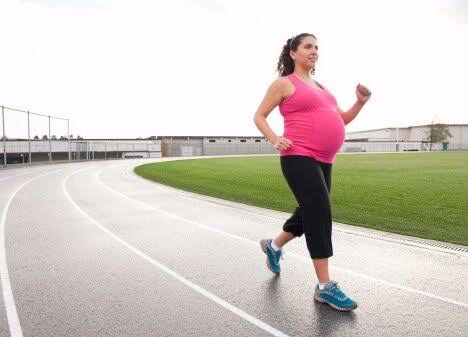
•A low-impact exercise that promotes circulation and is easy to incorporate into your daily routine.
•Aim for 20–30 minutes of walking most days of the week.
2. Swimming

•Swimming and water aerobics offer a full-body workout without putting stress on your joints.
•The buoyancy of the water helps support your growing belly.
3. Prenatal Yoga:
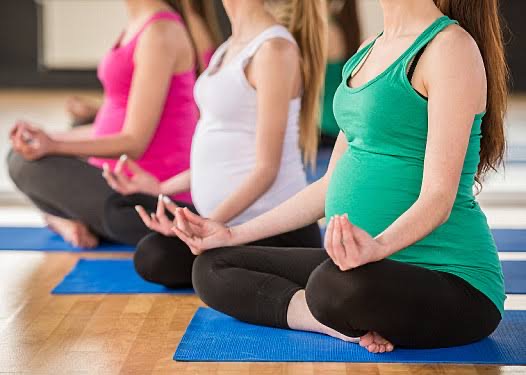
•Yoga is a great way to improve flexibility, reduce stress, and strengthen muscles.
•Focus on poses that improve posture and alleviate common pregnancy discomforts.
4. Pelvic Floor Exercises (Kegels):
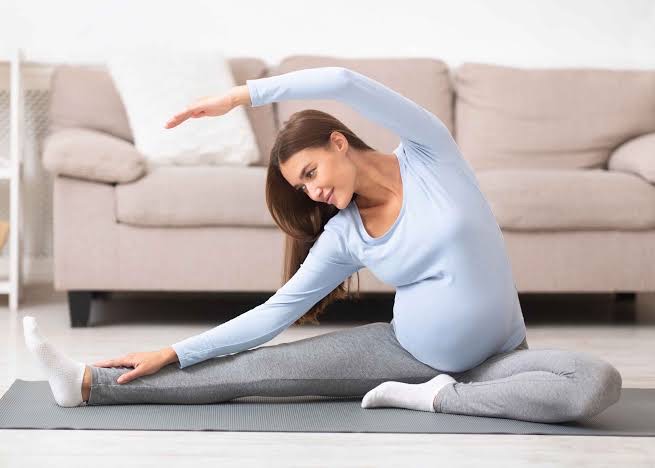
•Strengthen the pelvic floor muscles to prepare for labor and delivery.
•Regular Kegel exercises help prevent incontinence later in pregnancy.
Second Trimester pregnancy exercises(Weeks 13–26)
The second trimester is often when energy levels improve, and you may feel more like exercising. You can continue with the exercises from the first trimester and add a few new ones.
1. Strength Training (Light Weights):

•Using light weights (or resistance bands) can help maintain muscle strength and endurance.
•Focus on low weights and higher repetitions.
2. Stationary Biking:
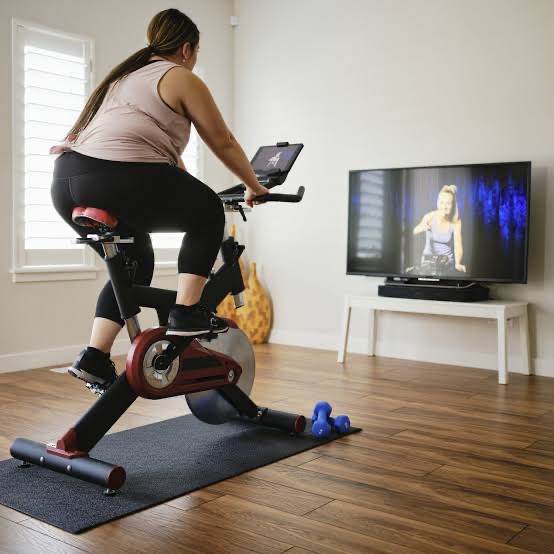
• Biking on a stationary bike is a great way to stay active without risking a fall.
• Start with shorter sessions and gradually increase the duration.
3. Prenatal Pilates:

• Pilates helps with posture, flexibility, and core strength.
• It’s great for strengthening the muscles of your abdomen, back, and pelvic floor.
4. Low-Impact Aerobics:
• Light aerobic exercises, such as dance or step classes, are great for maintaining cardiovascular health.
• Keep the intensity moderate and take breaks as needed.
Third Trimester pregnancy exercises(Weeks 27–40)
During the third trimester, your belly is larger, and you may experience more physical discomfort. Continue with gentle, low-impact exercises to maintain strength and flexibility.
1. Walking
•Walking remains one of the best exercises in the third trimester, as it’s gentle and supports circulation.
•Keep the pace slow and steady to avoid overexertion.
2. Prenatal Yoga and Stretching:
•Focus on deep breathing, gentle stretching, and relaxation techniques.
•Prenatal yoga helps to relieve tension and prepare your body for labor.
3. Water Aerobics:
•The buoyancy of water can ease joint strain and provide resistance for a full-body workout.
•Water exercises can be both relaxing and effective for building endurance.
4. Pelvic Tilts:
•These simple exercises help strengthen the lower back and pelvis, easing back pain.
•Perform pelvic tilts on all fours or while lying on your back with your knees bent.
General Safety Tips
– Stay Hydrated: Drink plenty of water before, during, and after exercise to stay hydrated.
– Avoid Overheating: Dress in breathable clothes, exercise in a cool environment, and avoid strenuous workouts in hot weather.
– Listen to Your Body: Stop exercising if you feel faint, dizzy, short of breath, or experience pain.
– Wear Supportive Gear: Choose a good sports bra, comfortable shoes, and clothing that supports your growing body.
Conclusion
Exercise during pregnancy is a great way to stay healthy, reduce discomfort, and prepare your body for labor and delivery. Whether you’re walking, swimming, or practicing prenatal yoga, there are plenty of safe exercises you can do in each trimester. Always listen to your body, and don’t hesitate to ask your healthcare provider for personalized advice


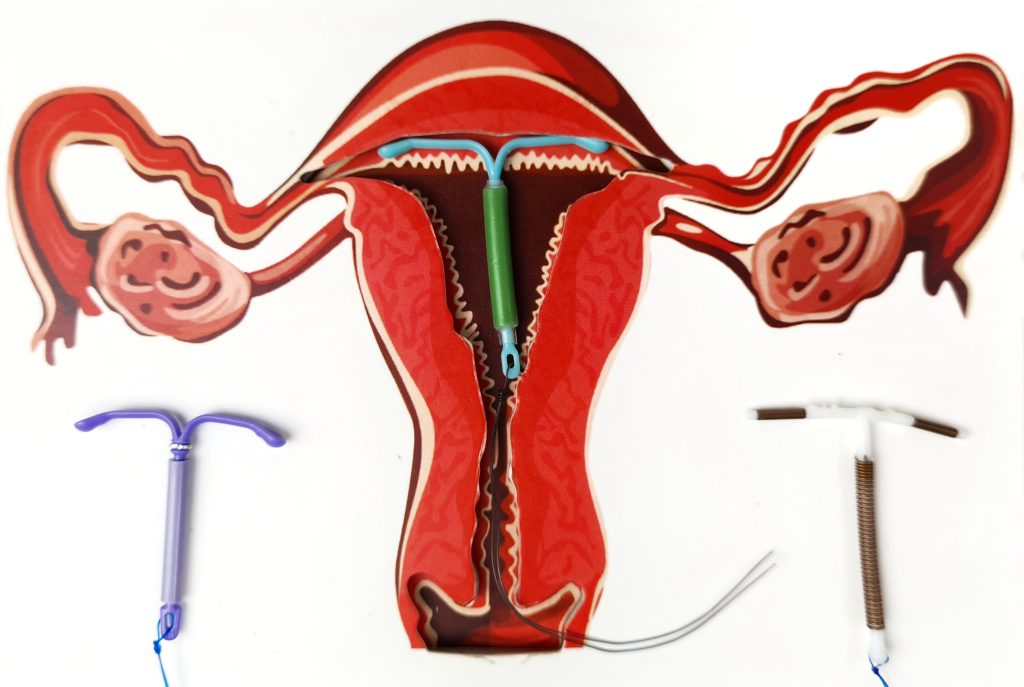
IUD and contraception. Any technique or tool used to avoid getting pregnant is referred to as contraception, or birth control. It enables people to take charge of their family planning and reproductive health. There are hormonal and non-hormonal options, as well as short-acting and permanent ones.
IUD AND CONTRACEPTION
A medical professional inserts an IUD (Intrauterine Device), a tiny, T-shaped, long-acting method of reversible birth control, into the uterus. Depending on the type, it can last for three to twelve years and is more than 99% efficient at preventing conception. Intrauterine devices (IUD) are a popular, long-term, and highly effective form of contraception. There are two main categories of IUDs: hormonal and non-hormonal (copper). Here are four commonly used IUDs:
1. Mirena;
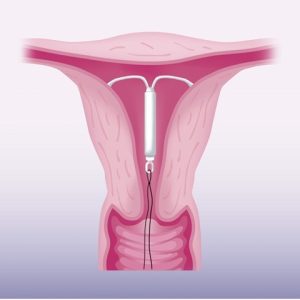
Mechanism: Mirena releases a small amount of levonorgestrel, a type of progestin, which thickens cervical mucus, thins the uterine lining, and inhibits sperm movement and function.
Effectiveness: Over 99% effective.
Duration: Up to 7 years.
Side Effects:
– Irregular bleeding or spotting, especially in the first few months
– Lighter periods or amenorrhea (absence of menstruation) over time
– Possible hormonal side effects such as breast tenderness, mood changes, or acne
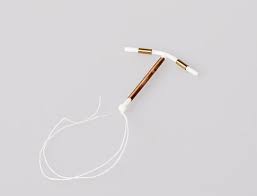
2. ParaGard;
IUD and contraception
Mechanism: ParaGard is a non-hormonal IUD that releases copper ions, which are toxic to sperm, preventing fertilization.
Effectiveness: Over 99% effective.
Duration: Up to 10 years.
Side Effects:
– Heavier and longer periods, especially in the first few months
– Increased menstrual cramps
– Possible allergic reaction to copper (rare)
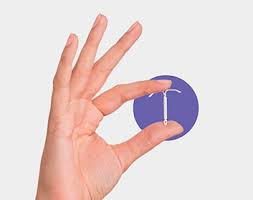
3. Kyleena;
IUD and contraception
Mechanism: Kyleena releases a lower dose of levonorgestrel than Mirena, which thickens cervical mucus, thins the uterine lining, and inhibits sperm movement.
Effectiveness: Over 99% effective.
Duration: Up to 5 years.
Side Effects:
– Irregular bleeding or spotting, particularly in the initial months
– Lighter periods or amenorrhea over time
– Possible hormonal side effects such as acne, headache, or breast tenderness
4. Liletta;
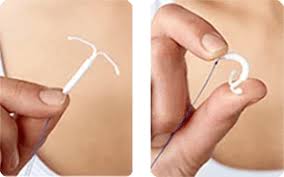
Mechanism: Similar to Mirena and Kyleena, Liletta releases levonorgestrel, thickening cervical mucus, thinning the uterine lining, and inhibiting sperm movement.
Effectiveness: Over 99% effective.
Duration: Up to 8 years (approved duration may vary by region and regulatory guidelines).
Side Effects:
– Irregular bleeding or spotting, especially early on
– Lighter periods or amenorrhea over time
– Possible hormonal side effects such as mood changes, headaches, or acne
Choosing the Right IUD;

When selecting an IUD, factors to consider include duration of effectiveness, potential side effects, and individual health conditions or preferences. Consulting with a healthcare provider can help determine the most suitable option based on personal medical history and lifestyle. Each IUD offers a reliable, long-term contraceptive solution, with varying hormone levels and side effect profiles to suit different needs.
Summary
A medical professional inserts an intrauterine device (IUD), a tiny, T-shaped, long-acting reversible contraceptive (LARC) device, within the uterus. Depending on the type, it lasts for three to twelve years, is over 99% effective, and doesn’t need regular upkeep.
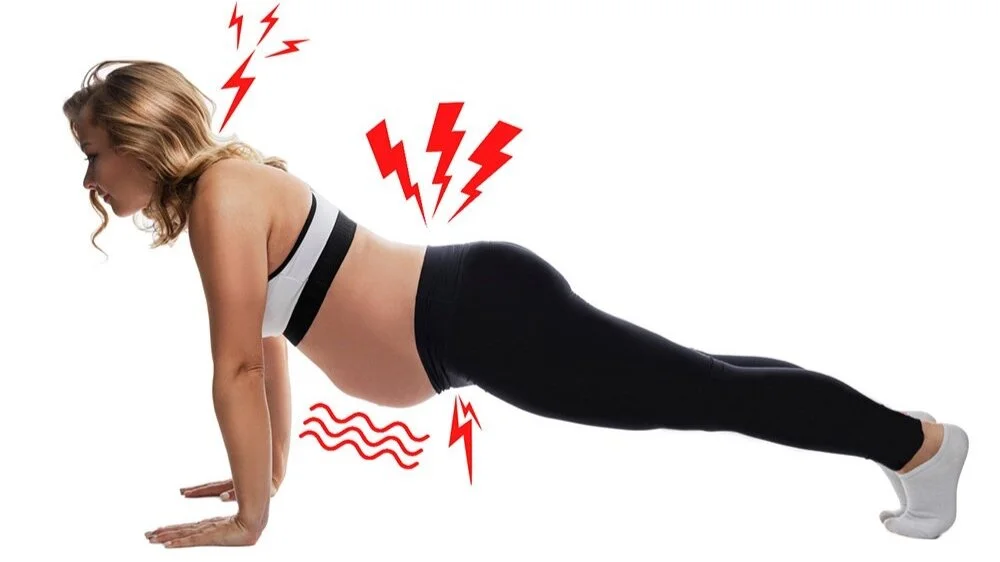
Plank exercise implications for pregnancy. Pregnant women can benefit from plank exercises in a number of ways, such as better posture, stronger core, and less lower back pain. To guarantee comfort and safety, it is essential to carry them out with the appropriate adjustments and safety measures. Before beginning any fitness regimen while pregnant, always see a healthcare professional so that the workouts can be customized to each woman’s needs and situation.
PLANK EXERCISE IMPLICATIONS FOR PREGNANCY
Plank exercise can be beneficial for pregnant women when performed with proper precautions and modifications. They can help maintain core strength, support posture, and reduce back pain. However, it’s essential to consult with a healthcare provider before starting any exercise routine during pregnancy. Here are some impacts of plank exercises on pregnant women:
Benefits
1. Improved Core Strength
• Plank exercises engage the entire core, including the transverse abdominis, which is crucial for maintaining abdominal support during pregnancy. Strengthening these muscles can help support the growing uterus and reduce strain on the lower back.
2. Enhanced Posture
• As the pregnancy progresses, the shift in the center of gravity can lead to postural changes. Planks help maintain proper alignment and strengthen the muscles that support good posture, potentially reducing the likelihood of back pain and other discomforts associated with poor posture.
3. Reduced Lower Back Pain
• Strengthening the core muscles through plank exercise can help alleviate lower back pain, a common issue during pregnancy. A strong core provides better support for the spine and reduces the load on the lower back.
4. Preparation for Labor
• Maintaining core strength and overall fitness during pregnancy can aid in the physical demands of labor and delivery. Strong abdominal and pelvic muscles can contribute to more effective pushing during childbirth.
Precautions and Modifications
1. Avoid Overstraining;
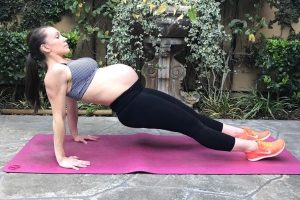
• It’s important not to overstrain the abdominal muscles, especially as the pregnancy progresses. Overexertion can lead to diastasis recti, a condition where the abdominal muscles separate. Modifications, such as performing plank exercise on the knees or against a wall, can reduce strain.
2. Modify as Needed;
• As the pregnancy progresses, modifications may be necessary to ensure comfort and safety. Side planks or modified planks (e.g., on knees) can be gentler alternatives while still providing core benefits.
3. Focus on Proper Form;
Plank exercise implications for pregnancy
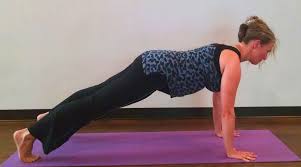
• Proper form is crucial to avoid unnecessary strain on the lower back and abdominal muscles. Keeping the body in a straight line, engaging the core, and avoiding sagging or arching the back are essential for performing planks safely.
4. Listen to the Body;
• Pregnant women should pay close attention to their bodies and stop exercising if they experience any pain, discomfort, or unusual symptoms. It’s essential to prioritize comfort and safety over intensity.
5. Consult Healthcare Providers;
Plank exercise implications for pregnancy
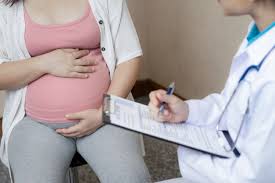
• Before starting or continuing any exercise routine during pregnancy, it’s vital to consult with a healthcare provider or a prenatal fitness specialist. They can provide personalized advice and ensure that the exercises are safe and appropriate for the individual’s stage of pregnancy and health condition.
Summary
During pregnancy, planks can be a safe and beneficial core workout, but as your belly swells, you’ll need to adjust your technique. In order to safeguard your pelvic floor and avoid abdominal muscle separation (diastasis recti), controlling intra-abdominal pressure (IAP) is crucial.

Early signs of child birth. It’s crucial to keep in mind that every woman has a unique labor experience. Furthermore, not every one of these indicators may be evident. Nonetheless, pregnant women may feel better prepared for the thrilling experience of labor if they are aware of these early warning signs. As usual, speaking with a healthcare professional is crucial. if you have any worries or inquiries regarding the labor process itself or the symptoms of labor.
EARLY SIGNS OF CHILD BIRTH
It’s normal for expecting mothers to become extremely attentive of any indications that labor may be approaching as their due dates draw near. Although each woman’s experience is different, there are a number of early signs that labor might be imminent. Comprehending these indicators might aid in preparing the mind and body for the thrilling ride that lies ahead.
1. Lightening:

One of the first signs that labor may be approaching is “lightening,” where the baby drops lower into the pelvis. This can relieve pressure on the diaphragm but may increase pressure on the bladder, leading to more frequent urination.
2. Bloody Show: As the cervix begins to dilate, some women experience a pink or brown discharge known as the “bloody show.” This discharge is caused by the mucus plug, which seals the cervix during pregnancy, being expelled as it makes way for the baby.
3. Contractions:

Early labor contractions are often mild and irregular, resembling menstrual cramps. As labor progresses, contractions typically become stronger, longer, and more frequent. Timing contractions can help determine if labor has truly begun.
4. Water Breaking:
Rupture of the amniotic sac, commonly referred to as the water breaking, can occur as a sudden gush or a slow trickle of fluid. Not all labors begin with the water breaking, but if it does happen, it’s a clear sign that it’s time to contact your healthcare provider.
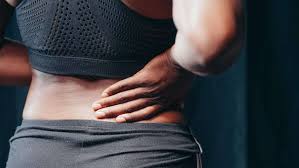
5. Backache:
Early signs of child birth
Many women experience persistent lower back pain as labor approaches. This discomfort is often caused by the pressure of the baby’s head on the spine and pelvis.
6. Cramping:
Alongside backache, some women also report experiencing cramping similar to menstrual cramps. These cramps may come and go, gradually increasing in intensity as labor progresses.
7. Diarrhea: As the body prepares for labor, some women experience loose stools or. This is thought to be the body’s way of emptying the bowels to make more room for the baby to move through the birth canal.
8. Nesting Instinct:

Early signs of child birth
A surge of energy and a sudden urge to clean, organize, or prepare the home for the baby’s arrival is commonly referred to as the nesting instinct. While not a direct physical sign of labor, many women experience this burst of energy in the days leading up to labor.
Summary
Globally, vaginal birth is the most prevalent delivery method.[6] The cervix shortens and opens during the first stage of labor, the baby descends and is born during the second stage, and the placenta is born during the third. Contractions progressively increase stronger and closer together throughout the first stage.

Side effects of low self esteem

Tips for self esteem improvement

High BP Health threats

A Step-by-Step Guide to Deleting Reels on Instagram

A Comprehensive Guide to Setting Up a YouTube Premiere